
The Royal Mint at The Tower of London
Money Talks

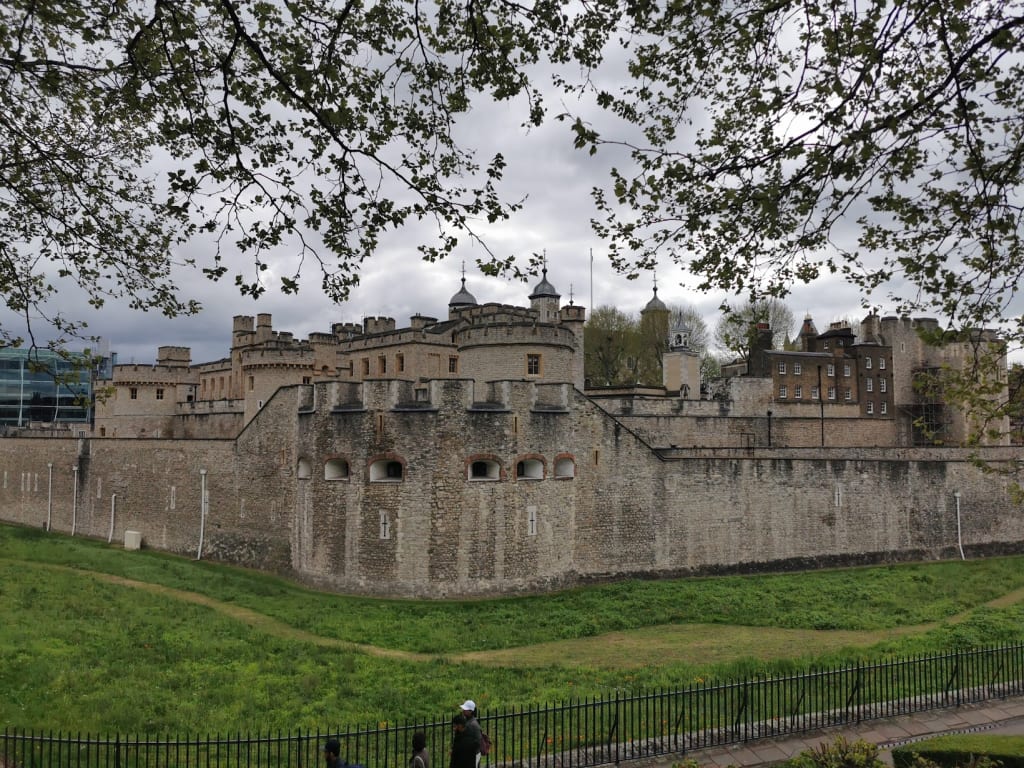
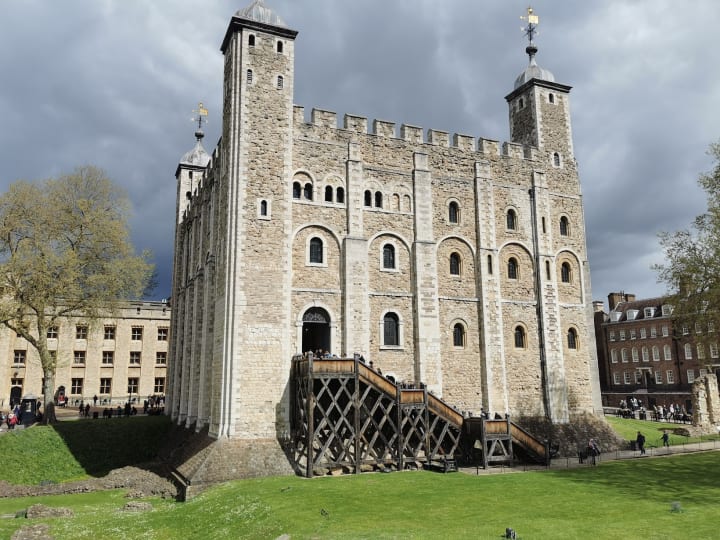
I like Money. Who doesn’t? I’m even more fascinated knowing that money was minted for Centuries at the Tower of London.
I’ve seen the Mint Museum, and many walked centuries before me along the same path.
The Mint was established in the late 9th century during the reign of King Alfred the Great (871–899). It was an attempt to standardise and centralise coinage production. Prior to this period, individual towns produced their own coins.
As England’s economic strength grew, so did production, and London became the central hub for minting activities following the Norman Conquest in 1066. By the 13th century, the Tower of London became the central location for the Royal Mint’s operations.
A Fortress
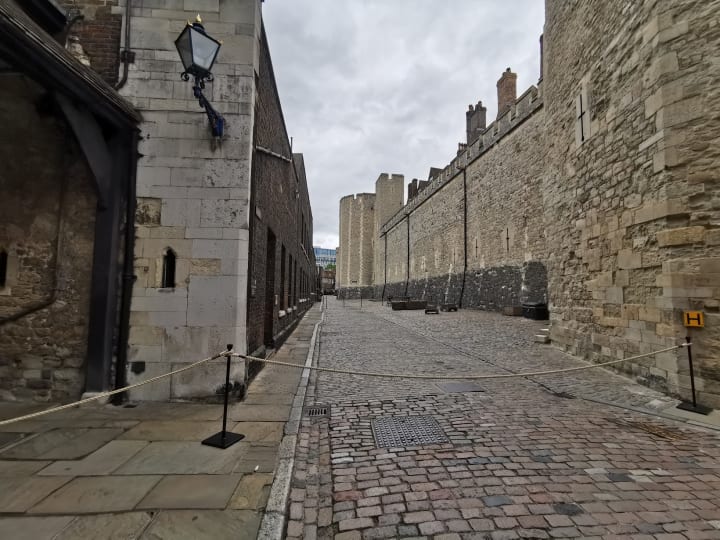
Due to its secure location and royal residence, the Tower was the obvious choice. It is also safeguarded against counterfeiters. The mint was housed in a dedicated area within the Tower’s outer ward, known as Mint Street, where workshops and forges operated. The location was strategic, allowing the Crown to closely oversee production and ensure the quality and integrity of the currency.
The Process
The process of minting at the Tower was physically demanding, but it evolved over time. Early processes involved hand-striking coins with dies, where a metal blank (or planchet) was placed between two engraved stamps and hammered to imprint the design. This technique continued for centuries, with designs often reflecting the reigning monarch’s image or symbols of authority.
The Royal Mint Under The Tudors
By the 16th century, the mint saw technological advancements, such as the introduction of screw presses during the reign of Elizabeth I, which improved efficiency and consistency.
Sir Isaac Newton was a Warden of the Mint from 1696 to 1699 and later a Master until he died in 1727. Newton ensured efforts to combat counterfeiting and to oversee the Great Recoinage of 1696.
It was a huge project to replace old, worn, and clipped coins with new, standardised ones. Newton streamlined and brought robust processes to the mint’s operations.
Mint Relocation
The Royal Mint at the Tower of London had served its time and purpose. It remained at the Tower until 1810 when it relocated to a new and larger facility in Tower Hill due to space constraints and the need for modern machinery.
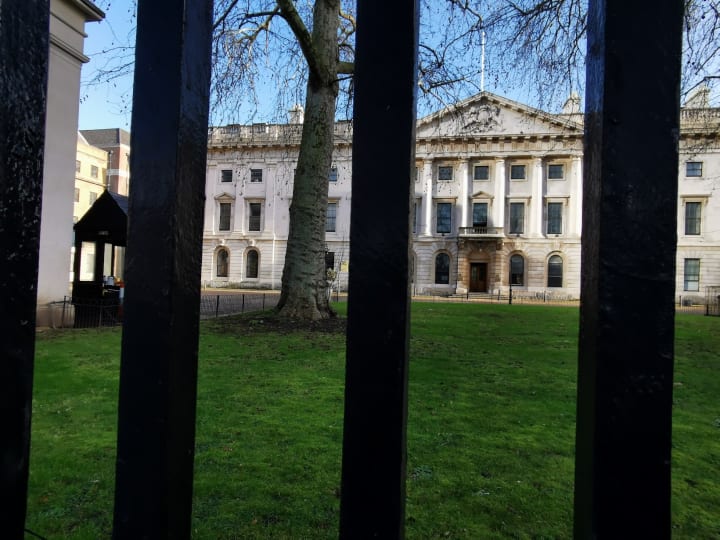
Today, the Royal Mint operates in Llantrisant, Wales. The location might be far away, but its legacy lasted centuries at the Tower of London.
The Museum
Visitors to the Tower can still explore its minting history through exhibits, including displays of historic coins and tools, highlighting its role in shaping Britain’s economy.
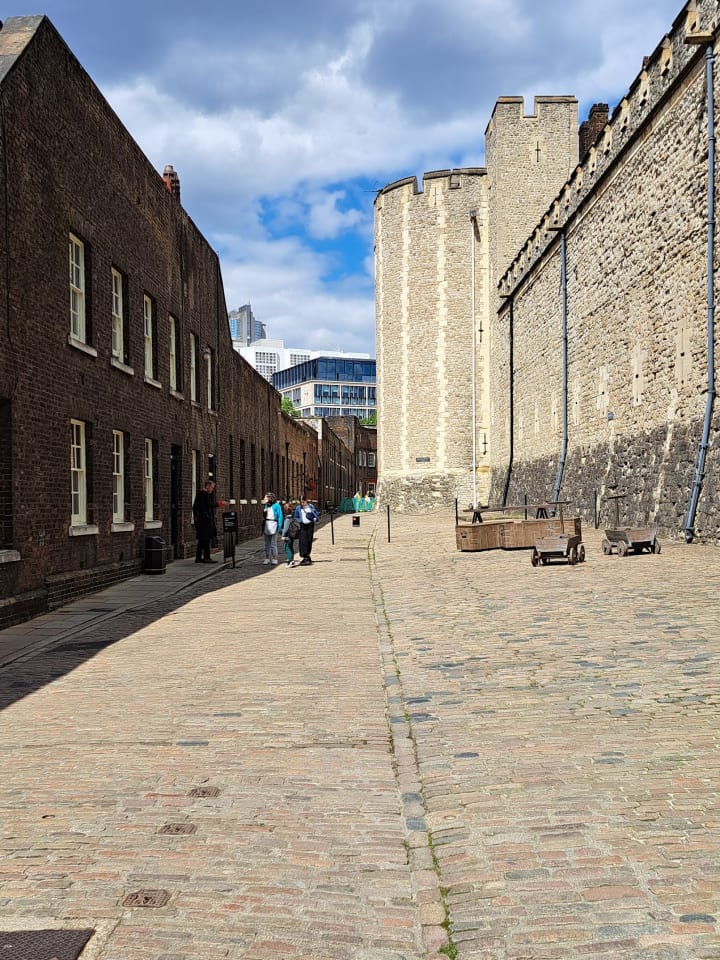
The Tower Mint also had its share of drama—executions of counterfeiters took place nearby at Tower Hill. Plus, the Crown Jewels were close by due to it being a Royal residence.
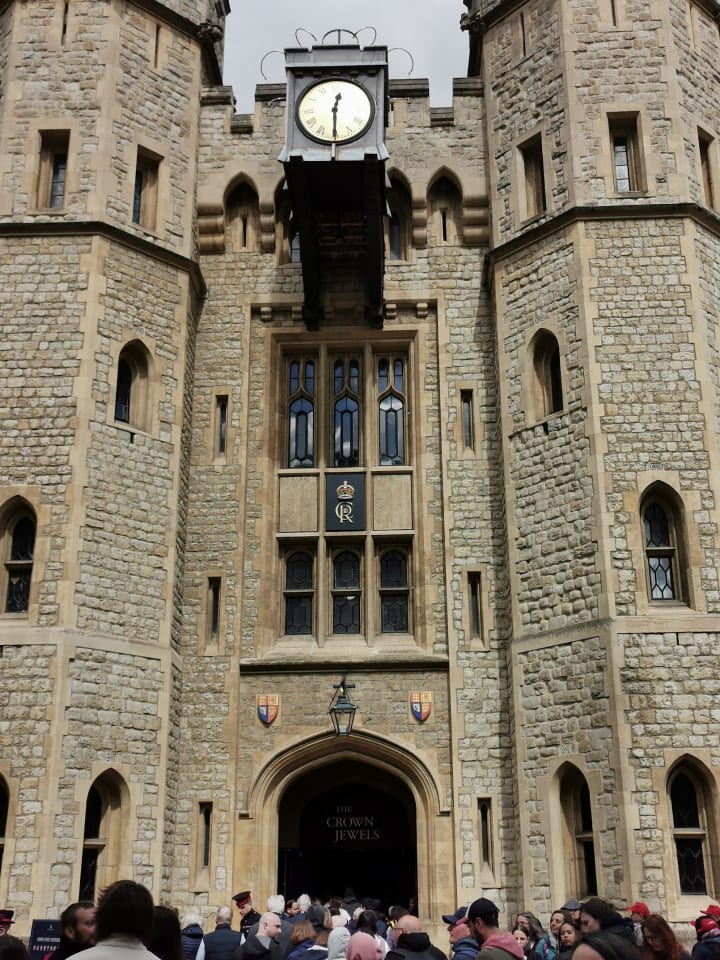
The Moat
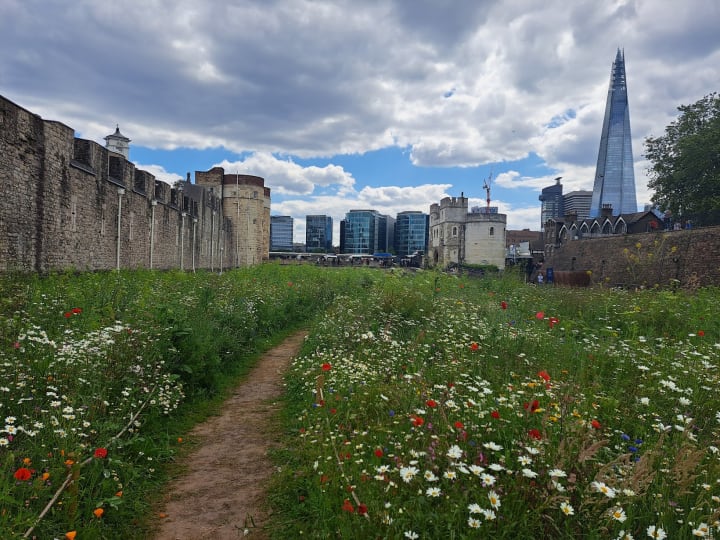
Early History: The Moat was constructed during the reign of Edward I in the late 13th century. Initially, it was designed as a defensive feature, surrounding the castle to deter invaders. The River Thames fed the Moat, creating a significant barrier around the Tower. It was about 120 feet wide and 9 feet deep, making it a big obstacle. It was fascinating to think that where I walked was once all underwater.
Usage: The primary purpose of the Moat was defence. It added an extra layer of protection, which acted as a layer of additional defence, complementing the thick walls and the strategic positioning of the fortress; it was also a symbol of power.
The Moat could be deliberately flooded or drained as needed, enhancing its defensive effectiveness. It could be filled to its maximum capacity during war or siege to create a formidable obstacle. It signalled the importance and gave a clear message to intruders - stay out or else.
The Moat worked in tandem with the Tower's concentric walls and towers. Attackers who managed to breach the outer defences would still have to cross the water-filled Moat before reaching the inner fortifications.
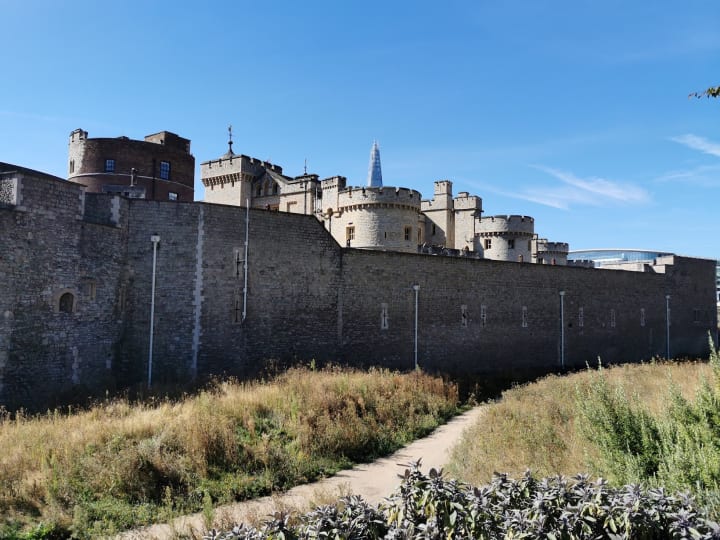
Beyond its defensive function, the Moat also served as a symbol of the power and prestige of the monarchy.
The Challenge
Over the centuries, the Moat faced significant maintenance challenges. It became clogged with silt and debris, often becoming a stagnant and unhealthy body of water.
By the 19th century, the Moat was seen more as a health hazard than a defence symbol. The stagnant water led to a foul smell, and diseases like Cholera became a real threat to public health.
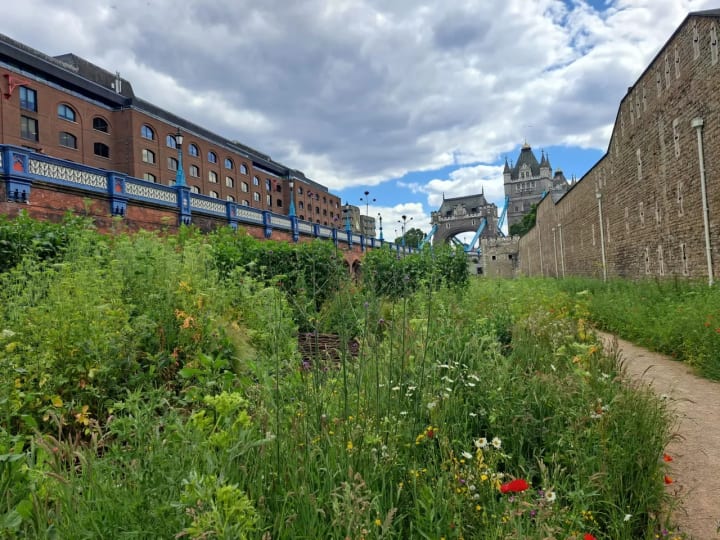
As the Moat was filled with water from the River Thames, it experienced the tidal nature of the Thames. The water level in the Moat fluctuated, and the water could sometimes become stagnant and foul-smelling. This led to complaints from both the Tower's inhabitants and nearby residents.
Draining the Moat - In the mid-19th century, the decision was made to drain the Moat. The process began in 1830 under the direction of the Duke of Wellington, the Constable of the Tower. After being drained, the Moat was gradually transformed into a dry ditch. Parts were filled in, and other parts were landscaped, creating a more pleasant environment around the Tower.
It’s still impressive to see and understand how it led to the Tower of London being built as a fortress.
Parting Comments
Today, we might take Money for granted even though many of our transactions have become digital. However, money goes back a long way—centuries, in fact.
I enjoyed the Museum too. It was nice to see the different stages of coin minting over time.
Thank you for your attention.
Best wishes
Tabby
About the Creator
Tabby London
The London I've been discovering is usually off the well-beaten track.I love the nooks and crannies and walking along the streets steeped in centuries worth of history. I'm fond of Zone 1 because that's where it all began centuries ago.
Keep reading
More stories from Tabby London and writers in Wander and other communities.
What I Learned Is Considered Disrespectful in Morocco by Morocco Family Vacation
Before visiting Morocco with my family, I read countless articles about customs, etiquette, and cultural differences. Still, I worried I’d make a mistake especially traveling as a mom with children who ask questions loudly, touch everything, and don’t always understand unspoken rules.
By Ariel Cohenabout 17 hours ago in Wander
What a Truly Comfortable Travel Experience Feels Like — Beyond Hotels and Flights
When people talk about comfortable travel, the conversation usually revolves around hotels, flight classes, or airport lounges. While these details matter, comfort in travel often comes from something less visible: how smoothly everything fits together.
By Jeffrey Mathew5 days ago in Wander


Comments
There are no comments for this story
Be the first to respond and start the conversation.