
The Rise of Revenge Travel: Why We’re Traveling Harder, Farther, and With More Meaning
After years of lockdowns and restrictions, people aren’t just traveling again — they’re traveling with urgency, intention, and a desire to reclaim lost time. Here’s what the new era of wanderlust looks like — and why it’s changing how we see the world.

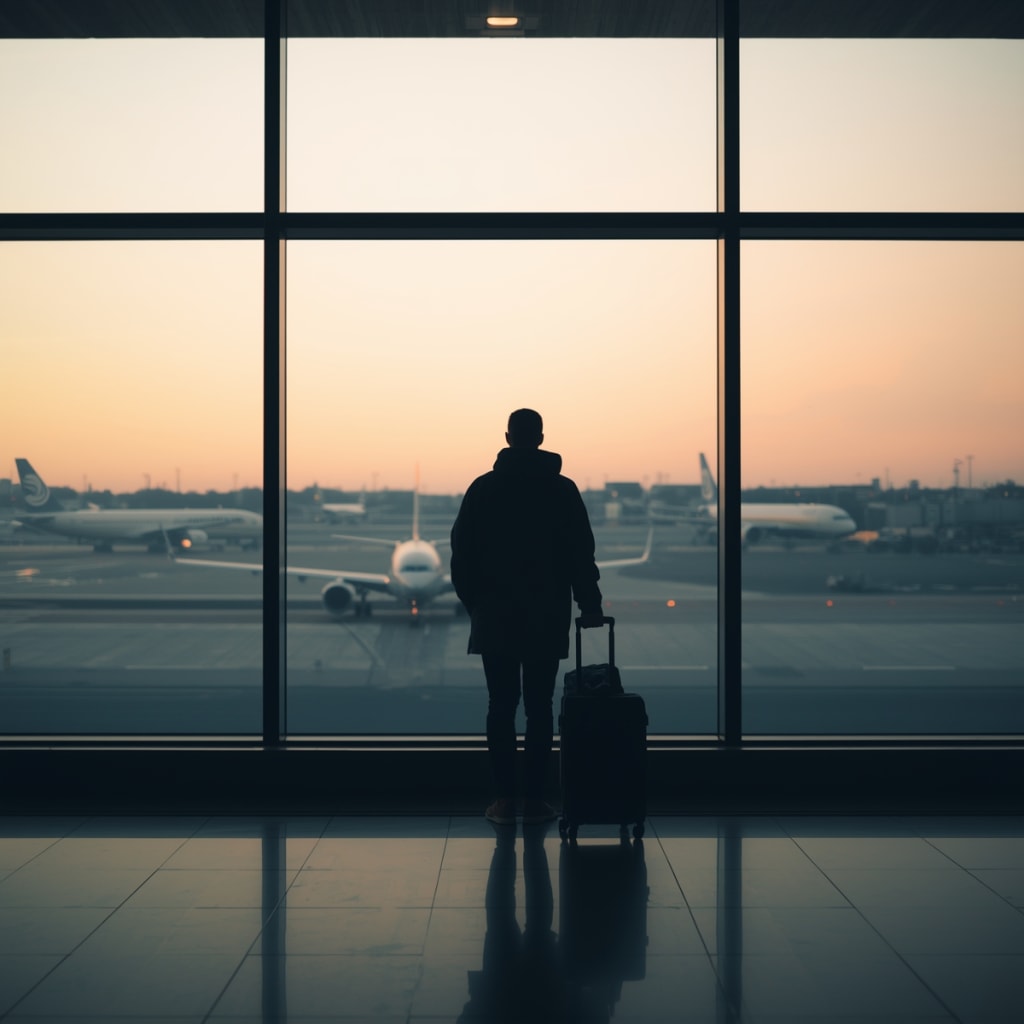
I. The World Stopped — Then We Started Running
In early 2020, the world went still. Borders closed. Airports emptied. Suitcases gathered dust.
For many, travel wasn’t just paused — it felt like a part of life had been taken away.
When the restrictions lifted, something interesting happened:
people didn’t just return to travel — they rushed back to it.
This phenomenon has a name:
Revenge Travel — the act of traveling now to make up for the time, experiences, and freedom lost during the pandemic.
It’s not tourism.
It’s emotional recovery.
II. Why People Are Traveling More Than Ever
Revenge travel isn’t just about taking a vacation — it’s about reclaiming something we didn’t realize was fragile:
the ability to move, explore, and feel alive.
There are three major emotional drivers:
Time Feels More Precious Now
The pandemic reminded us that life can change overnight.
So people are no longer putting off “someday” trips.
Connection Matters More Than Possessions
Instead of buying more things, people are choosing experiences, memories, closeness, and meaning.
We’re Searching for Ourselves Again
Travel gives renewal — a reset — a sense of rediscovery.
And many of us came out of 2020 not quite the same person we were before.
Travel is no longer just leisure.
It’s identity. It’s healing.
III. The New Kind of Traveler: Intentional, Curious, and Emotion-Driven
Before the pandemic, many trips were rushed, scheduled, and checklist-driven:
Take photo here ✅
See this landmark ✅
Move to the next thing ✅
Now travelers want something different.
People want:
Quiet mornings in new light
Meaningful conversations with locals
Food that tastes like history
Nature that humbles
Moments that don’t need a camera
For many, the new question is:
“What did this trip change inside me?”
Not:
“How many places did I see?”
Travel has become more alive.
IV. The Destinations of the New Wanderlust Era
Instead of high-traffic tourist spots, revenge travelers are choosing:
Type of Place Why People Are Going
Small towns & hidden villages Authenticity & calm
Nature escapes (mountains, forests, coastlines) Healing + mental reset
Cultural cities with deep history Meaning over aesthetics
Eco-friendly travel retreats Sustainability + responsibility
Examples:
Cappadocia (Turkey) for sunrise air balloon silence
Kyoto (Japan) for mindful, slow cultural immersion
Lisbon (Portugal) for gentle living & creativity
Bali (Indonesia) for spiritual grounding
Iceland for nature that feels like a dream
This is soul-centric travel — not Instagram tourism.
V. The Rise of Slow Travel
Revenge travel doesn’t mean travel fast — it means travel deep.
This has led to the slow travel movement:
Longer stays instead of quick trips
Learning local words
Eating where locals eat
Choosing trains over airplanes when possible
One meaningful trip > five rushed ones
The focus is:
Experience over speed. Connection over consumption.
VI. Travel as Healing
For many, travel is now a form of therapy.
It helps with:
Anxiety recovery
Burnout reset
Relationship reconnection
Digital overwhelm detox
Rebuilding identity after loss or change
Standing on a mountain, sitting in a silent temple, hearing waves break at dawn —
these moments reconnect you with yourself.
Sometimes, you must leave home to come back to your heart.
VII. The Future of Travel: Meaningful and Mindful
The travel industry is shifting too:
More sustainable lodges
More community-run tours
More eco-friendly transport options
More digital nomad visas
More mental-wellness retreats
The next decade of travel won’t be about collecting places —
it will be about collecting selves.
We won’t ask:
“How many countries have you visited?”
We’ll ask:
“Which places changed you?”
VIII. A New Way to Think About Travel
Revenge travel is not really about revenge.
It’s about:
Grief
Gratitude
Growth
It’s about realizing:
We don’t know how much time we have — so we choose to live it fully.
Travel is the opposite of numbness.
It wakes you up.
IX. Final Thought: Go Now, While You’re Here
One day, the window will close again — not because of a pandemic, but because that’s life.
Go now.
See the sunrise in a city where no one knows your name.
Eat slow meals.
Say yes.
Get lost.
Change.
Leave your future self a memory to hold.
Because in the end, what we remember isn’t the years we lived —
It’s the moments that made us feel alive.
About the Creator
Keep reading
More stories from arsalan ahmad and writers in Wander and other communities.
Starting Over From Zero: The Day I Chose to Rebuild My Life
There are moments in life when everything we thought was solid crumbles — all at once, suddenly, and without permission. We don’t expect it. We don’t prepare for it. We simply wake up one day and the life we once recognized — the job, the relationship, the plans — is gone.
By arsalan ahmad4 months ago in Motivation
Magic
Note from the Author: I want to let you know that this is an unusual story, and it has been written purely from whatever is in my unconscious mind, because before I start writing, I get into a flow state that reaches my unconsciousness. I also write in my subconscious mind, which is like a mid-flow state between the conscious and unconscious mind.
By Denise Larkin6 days ago in Fiction


Comments
There are no comments for this story
Be the first to respond and start the conversation.