
“The Last Bloom”
A Meditation on Beauty, Pride, and the Inevitability of Decay

The cover for The Last Bloom must evoke both admiration and unease, mirroring the tone of the narrative. At its heart, the story is a meditation on vanity, self-perception, and the inescapable truths of nature. The imagery must reflect the internal monologue of a character who lives in grandeur but is haunted by the whisper of decay.
Central Image: The Flower in Full Bloom
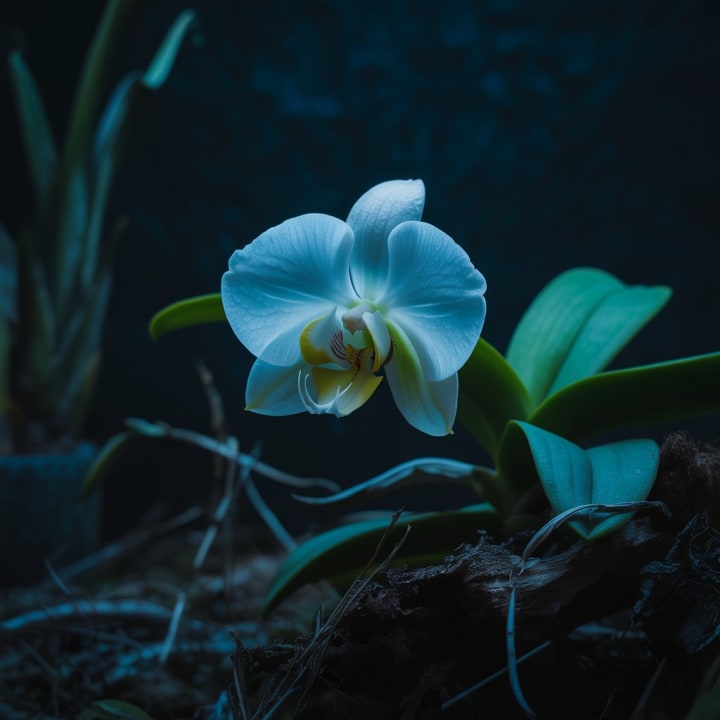
At the center of the cover stands a single flower, rendered in sharp, intricate detail. It is breathtaking—its petals lush, unfurling with elegant curves that suggest both vitality and poise. The choice of flower may be symbolic: a rose, known for both its beauty and thorns, or a lily, often associated with purity and death. The bloom is in its prime, vivid in color—perhaps a bold crimson, deep violet, or luminescent gold. This flower represents the speaker: proud, magnificent, and unapologetically self-aware.
But upon closer inspection, there is evidence of change. The edges of some petals are tinged with brown, curling in the early stages of decay. A single petal may be shown mid-fall, captured in that fragile moment between grace and loss. This subtle erosion is key—it echoes the speaker’s underlying fear: that even the most stunning bloom cannot escape time.
The Background: A Garden of Shadows
Surrounding the flower is a moody, textured background. This is no cheerful garden. The earth is dark, moist, and almost swamp-like. It absorbs the light rather than reflects it. In the background, only vaguely distinguishable, lie the outlines of other flowers—wilted, withered, or choked by weeds. They are the narrator's "competition," the ones who "don’t know how to grow." Some may even appear envious or twisted in their reach toward the central flower, a visual nod to the resentment described in the narrative.
Beneath the bloom, the soil is not just soil. If the viewer peers closely, they will see worms weaving through the earth—silent, indifferent, inevitable. One might be gazing upward toward the bloom. Their presence introduces the unavoidable conclusion of the piece: that beauty is fleeting, and all must return to the soil. That all living things, no matter how radiant, are destined to be broken down, reabsorbed, and forgotten. The worm is both a reminder and a threat—the quiet antagonist in a tale of pride.
Lighting and Atmosphere: Between Clarity and Eclipse
A beam of light falls on the flower from above, like a spotlight, like a revelation. This illumination represents the speaker’s pursuit of “clarity,” the self-perceived enlightenment that sets them apart from the others. The light should feel heavenly, or even theatrical—something that flatters and isolates the subject.

But outside that beam, the world fades into shadow. The darkness encroaches, hinting that the light is not permanent. There is a tension between being seen and being swallowed—between standing out and fading away. It is not just literal light; it is existential light, representing the speaker’s desperate clinging to meaning, individuality, and self-worth.
Typography: Elegant Yet Fragile
The title, The Last Bloom, is set in a delicate serif or calligraphic font—something refined and timeless. It should feel almost noble, matching the grandeur of the flower. However, the letters may show fine cracks or subtle fading, suggesting impermanence beneath elegance.
The subtitle—A Meditation on Beauty, Pride, and the Inevitability of Decay—is placed beneath the title in a more subdued font, giving a quiet voice to the themes that echo throughout the text.
Symbolism in Harmony
Every element—the flower, the soil, the light, the worms—works in concert to reflect the emotional and philosophical depth of the narrative. This is not just a book about a flower. It is about identity, the fragile nature of perfection, and the slow but certain arrival of decline. The cover must therefore strike a balance between beauty and dread, pride and mortality, light and shadow.
It must seduce the eye while unsettling the heart, just like the narrator.
About the Creator
Whispers of Yousaf
Where words breathe,
and emotions speak the truth.
I write about love, silence,
and the stories we’re too afraid to tell. ✨
Keep reading
More stories from Whispers of Yousaf and writers in Wander and other communities.


Comments (3)
The description of the cover is really interesting. I like how the flower's beauty and decay are juxtaposed. It makes me think about how we often try to hold onto our best selves, but change is inevitable. I wonder if the choice of a rose or lily as the central flower was an easy decision. Also, how did you come up with the idea of the envious, wilted flowers in the background? It adds a lot of depth to the overall image.
Thanks for this article it is educative
Best of luck