
The Impressive Bridges of New York City
Bridges of my hometown

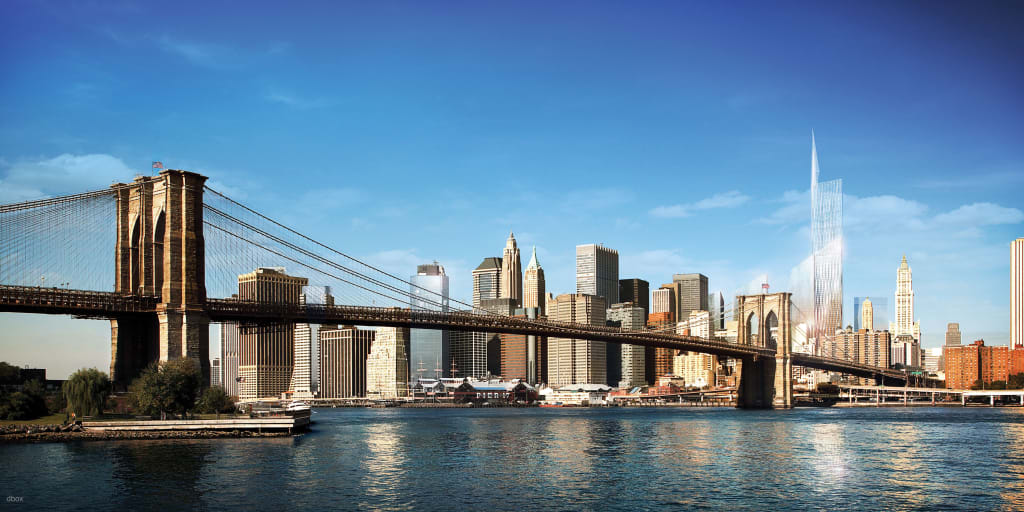
New York City consists of five boroughs—Brooklyn, Queens, Manhattan, the Bronx, and Staten Island. The Big Apple depends upon a network of almost two thousand bridges. Here are some of the most well-known bridges in the city.
The Brooklyn Bridge was completed in 1883. It was the creation of John Augustus Roebling, who went down in history as one of the greatest pioneers in the design of steel suspension bridges. At the time of completion the bridge was the longest suspension bridge in the world. It connects the financial district of Manhattan to the northeastern part of Brooklyn. It adds its solid granite towers and steel suspension cables to the New York City skyline. An estimated 150,000 vehicles and pedestrians cross the Brooklyn Bridge every day.
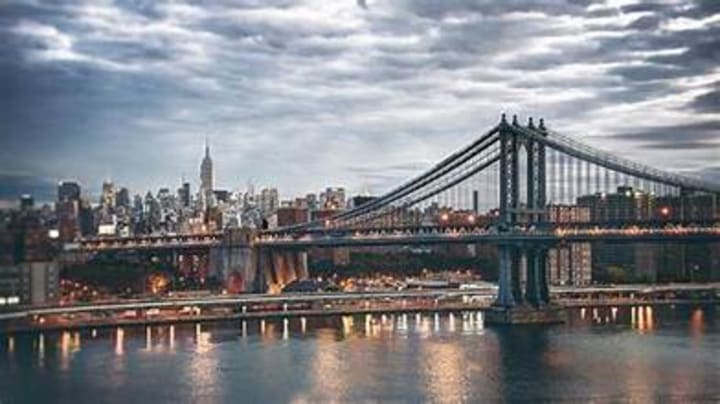
The Manhattan Bridge is the youngest of the three suspension bridges crossing the Lower East River. This bridge was completed in 1909 and connects Chinatown in Lower Manhattan to Downtown Brooklyn. It was designed by Leon Moiseff. Among the most famous bridges, the Manhattan Bridge has intricate stone towers and sweeping suspension cables. With 13 lanes, an estimated 76,000 vehicles, 2,700 pedestrians, 6,200 cyclists, and the NYC subway cross this bridge every day. 100 years after its completion, the Manhattan Bridge was named a National Historic Civil Engineering Landmark by the American Society of Civil Engineers.
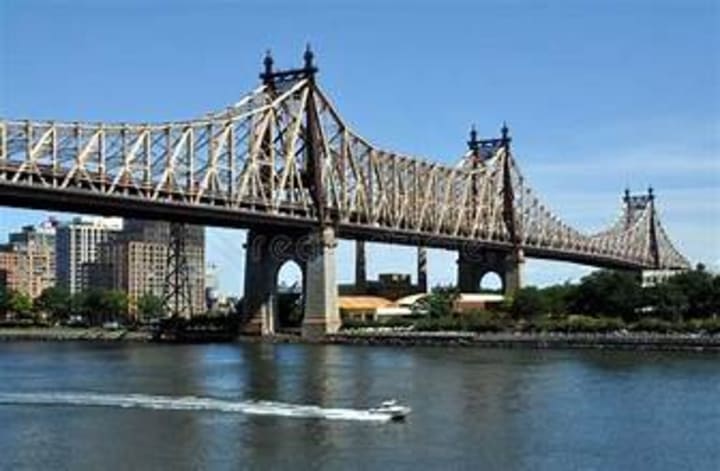
The Queensboro Bridge is the northernmost of the three NYC bridges spanning the Lower East River. It connects the Upper East Side of Manhattan to Long Island City in the borough of Queens. The bridge was built in 1908.
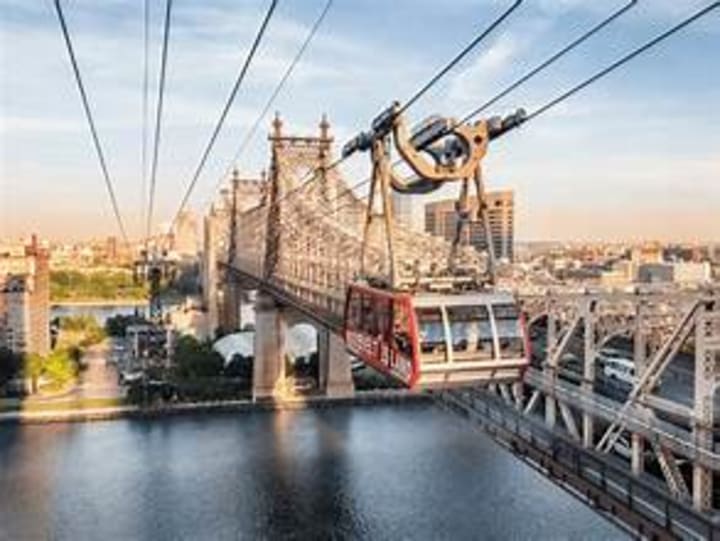
The Roosevelt Island Tramway runs along the north side of the bridge, transporting passengers from Manhattan to Roosevelt Island. While the official name of the bridge is the Ed Koch Queensboro Bridge, most locals refer to it simply as the Queensboro Bridge. The bridge is a cantilever bridge. Of interest is that since the western end of the bridge connects to 59th Street in Manhattan is is also referred to as the 59th Street Bridge. Remember the “59th Street Bridge Song” by singing duo Simon and Garfunkel? This famous bridge is featured in several films, including the 2002 film “Spider-Man” and the 2018 film “Avengers: Infinity War.” Queensboro Bridge lies along the courses of the NYC Marathon and the Five Borough Bike Tour.
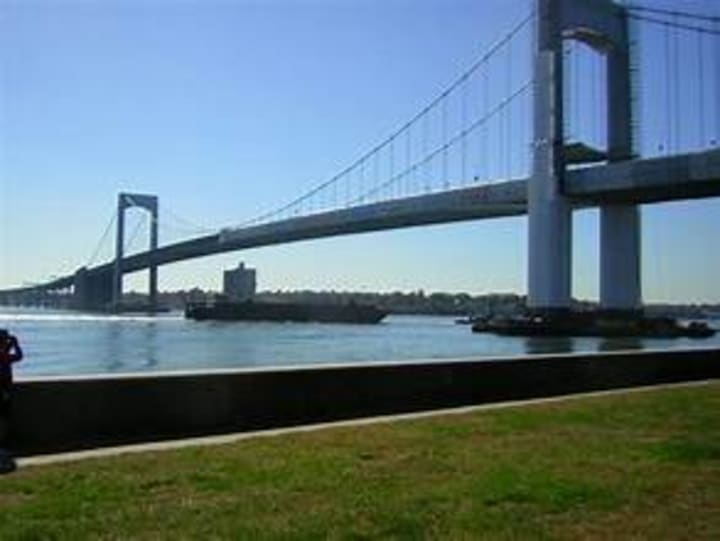
The Throgs Neck Bridge is a suspension bridge that opened in 1961 to relieve the heavy traffic flow from the Bronx-Whitestone Bridge. It has six lanes of traffic connecting the Throgs Neck section of the Bronx with Bay Terrace in Queens. The bridge stretches over the East River where it meets the Long Island Sound. It is a toll bridge.
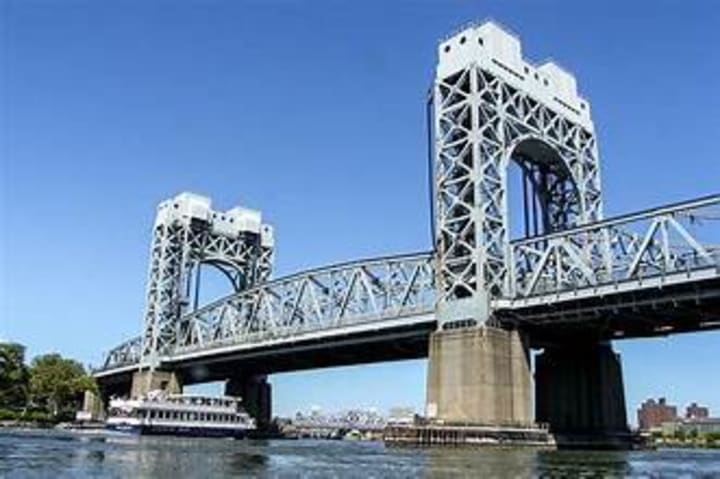
The Triborough Bridge became the Robert F. Kennedy Bridge and is a system of three bridges. The vertical-lift bridge spans the Harlem River, connecting Manhattan to Randall's Island. The truss bridge spans the Bronx Kill, connecting the Bronx with Randall's Island. The suspension bridge stretching over Hell Gate connects Ward's Island with the Astoria neighborhood in Queens. This massive bridge complex was named a National Historic Civil Engineering Landmark in 1986 by the American Society of Civil Engineers.
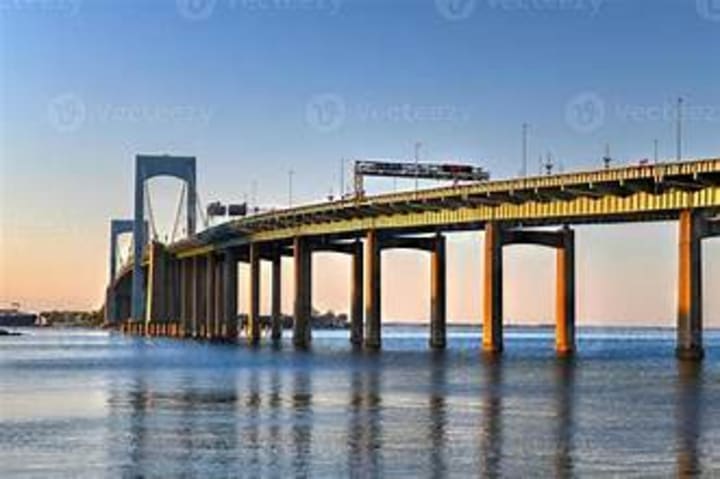
The Bronx-Whitestone Bridge connects Throgs Neck and Ferry Point Park in the Bronx with the Whitestone neighborhood in Queens. It opened in 1939 designed by Swiss-American structural engineer Othmar Ammann. The bridge carries over 100,000 vehicles daily. A toll is charged for vehicles crossing the bridge, with rates varying based on vehicle type and payment method.
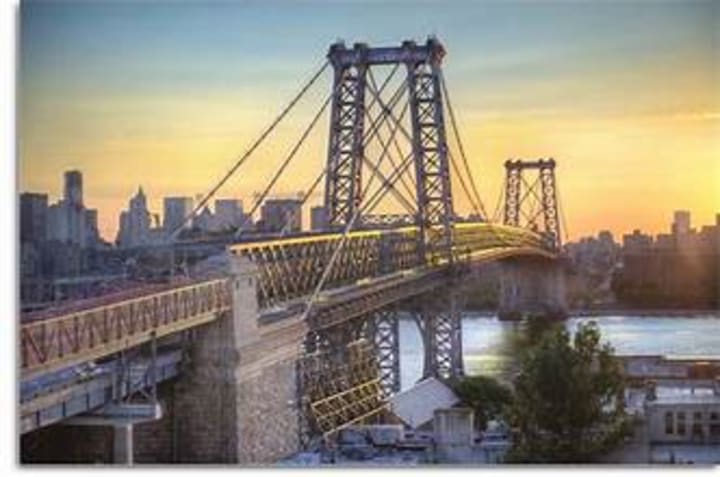
The Williamsburg Bridge is the second of the three suspension bridges that cross the Lower East River. It connects the Lower East Side of Manhattan with the Williamsburg neighborhood of Brooklyn. This bridge was built in 1903. It is one of the last major bridges in the country that was designed to accommodate travelers via horse and carriage. Once automobiles became the primary mode of transportation, the city replaced the trolley tracks along the bridge with roadways. The Williamsburg Bridge has eight lanes of vehicular traffic, two subway tracks, and two walkway and bike paths.
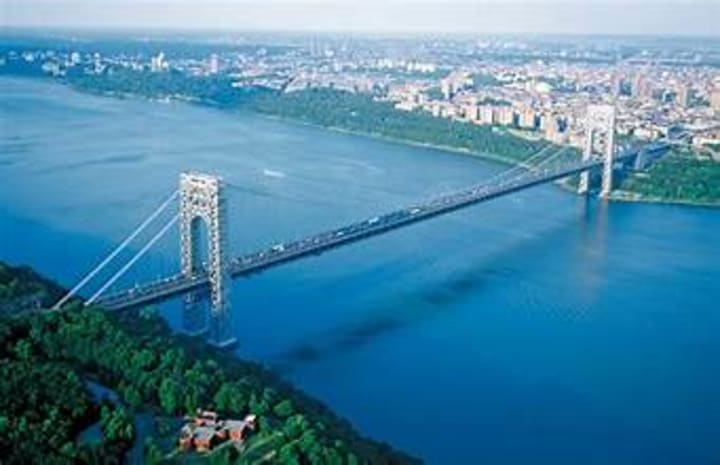
The George Washington Bridge stretches over the Hudson River, connecting the west side of Manhattan with the state of New Jersey. This is a double-decker suspension bridge with fourteen lanes, distributed between two levels. The lower level has six lanes of vehicular traffic, and the upper level has eight lanes, plus two walking and biking paths. The bridge connects Fort Lee in Bergen County, New Jersey, with the Washington Heights neighborhood of Manhattan. It is a toll bridge.
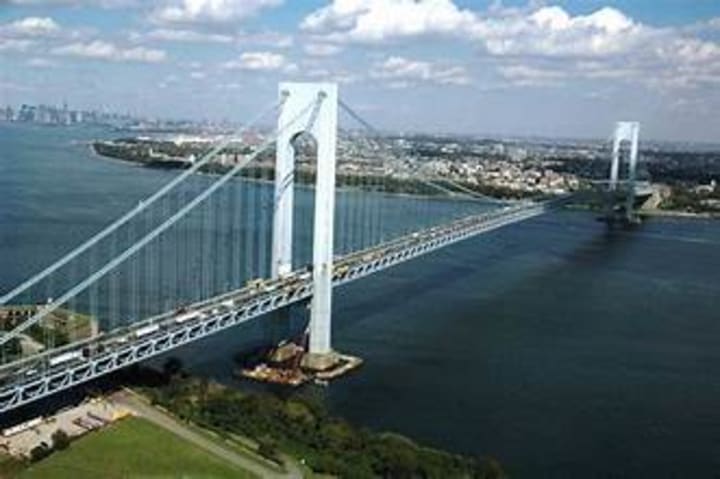
The Verrazzano-Narrows Bridge was named after Giovanni de Verrazzano, the first European to enter the NY Harbor and the Narrows, the body of water the bridge spans. This suspension bridge connects the boroughs of Brooklyn and Staten Island.
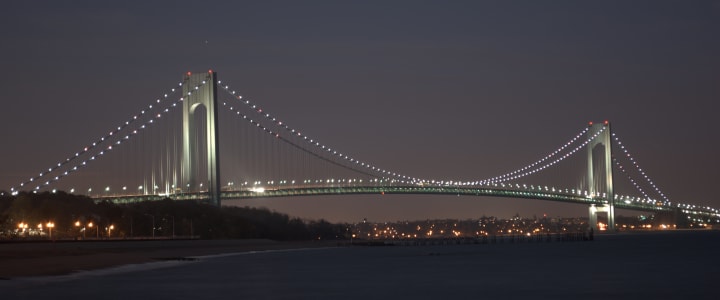
In Brooklyn, the bridge entrance is located in the neighborhood of Bay Ridge. It is a double-deck bridge with thirteen lanes of Interstate 278, with seven on the upper level and six on the lower. It is a toll bridge.
About the Creator
Rasma Raisters
My passions are writing and creating poetry. I write for several sites online and have four themed blogs on Wordpress. Please follow me on Twitter.
Keep reading
More stories from Rasma Raisters and writers in Wander and other communities.
Away from the Crowds in California
The Ancient Bristlecone Pine Forest is found in the White Mountains. This is a protected area of Invo County. It is home to the Great Basin bristlecone pines. These trees grow in the Inyo National Forest between 9,800 and 11,000 feet above sea level, along with foxtail pines, and are far older than most other things found in California.
By Rasma Raisters5 months ago in Wander
Worth the Wait: Puerto Viejo, Costa Rica
Beach bumming in a small Caribbean beach town sounded like a perfect way to end our 6-month trip through Mexico and Central America. Or so we thought. The foul, fishy stench of rotten seaweed hit our nostrils as we stepped from the cramped bus and looked out at a rather depressing, empty, and underwhelming black sand beach. It was pouring with rain, and we had to quickly fish out our ponchos. We thought, this couldn’t be it, could it?
By Sh*t Happens - Lost Girl Travel10 days ago in Wander
Lost in Translation: How Getting It Wrong in Asia Taught Me How to Travel Right
My first morning in Hanoi started with a sensory assault. I was sitting on a tiny blue plastic stool, knees touching my chin, watching a woman whisk an egg yolk into a cup of robusta coffee. The air smelled of charcoal smoke, cilantro, and exhaust fumes. It was chaotic, loud, and utterly mesmerizing.
By Eleni N. Markou7 days ago in Wander




Comments
There are no comments for this story
Be the first to respond and start the conversation.