

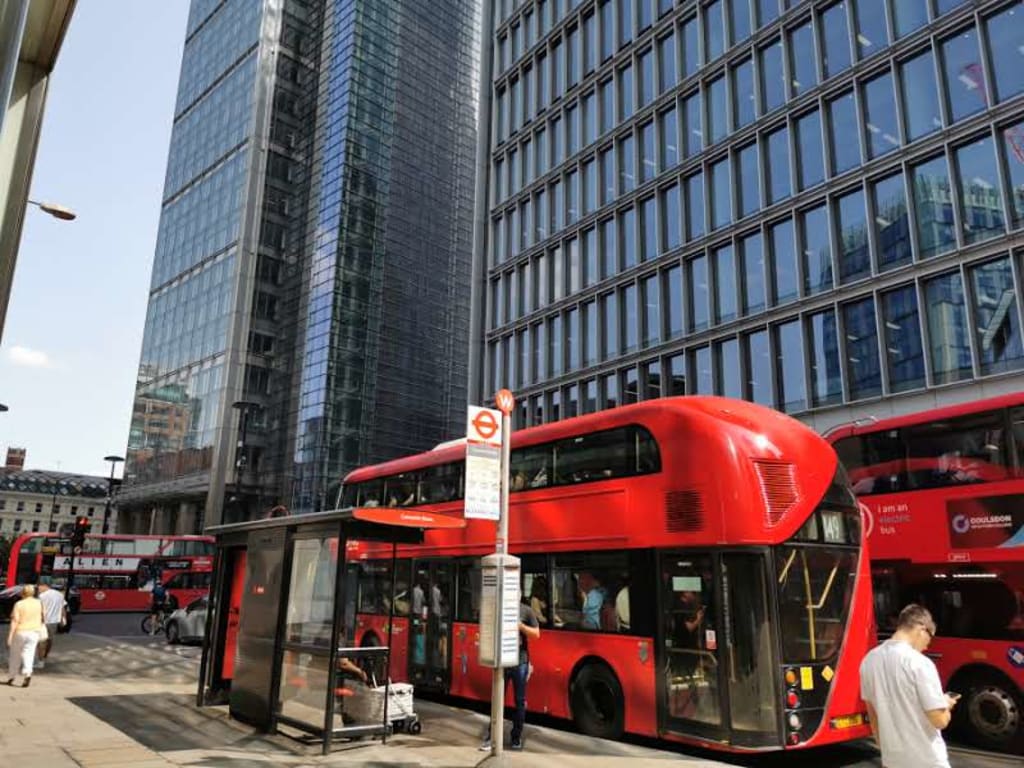
We grew up using red buses but never thought they were anything special until realising how iconic they were as adults.
Running For The Bus

As kids, we loved watching people ‘running for the bus ‘ and jumping on or off a slow-moving bus. It was never encouraged, though. Looking back, I can see how accidents may have happened. I know people who’ve been badly injured and hurt as they missed the bus and hurt themselves. This would never be allowed today, especially with strict regulations and guidelines for passenger safety.

I remember my first journey to school with my friends using the old route master to my new secondary school (High School). We felt so grown up and could finally reach the bell without tiptoeing.


The Conductor
The conductor’s job was to manage passengers and call out the stops. The conductor was always lovely to the kids, especially on the school route. I still remember the manual ticket machine that produced paper tickets for the journey. The Gibson ticket machine was usually worn on a strap.
Smoking On The Upper Deck
It wasn’t all rosy cosy. My parents said people used to smoke on the upper deck, and children were told not to go upstairs, but children, being children, still went on the upper deck. Hopefully, they opened the windows.
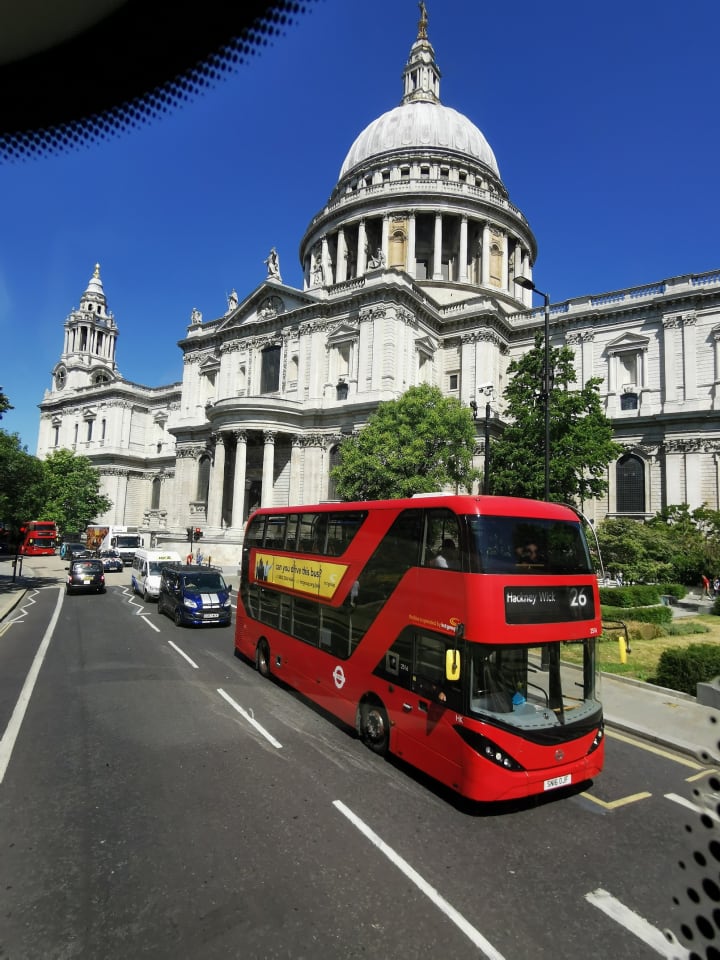
The hop on and hop off buses, which have since been replaced by the New Routemaster.

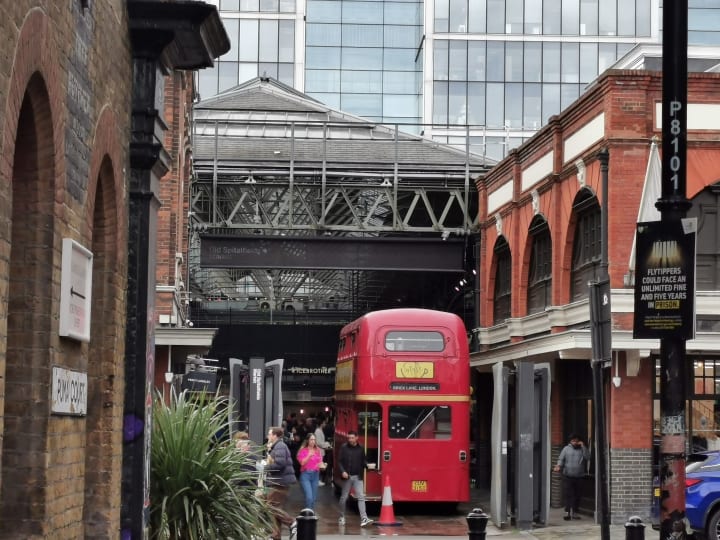
Here are 10 interesting facts about the Red Bus
1. Iconic Red Design
London buses are globally recognised for their distinctive red livery, a tradition dating back to 1907 when the London General Omnibus Company painted its buses red to stand out.
2. Double-Decker Dominance
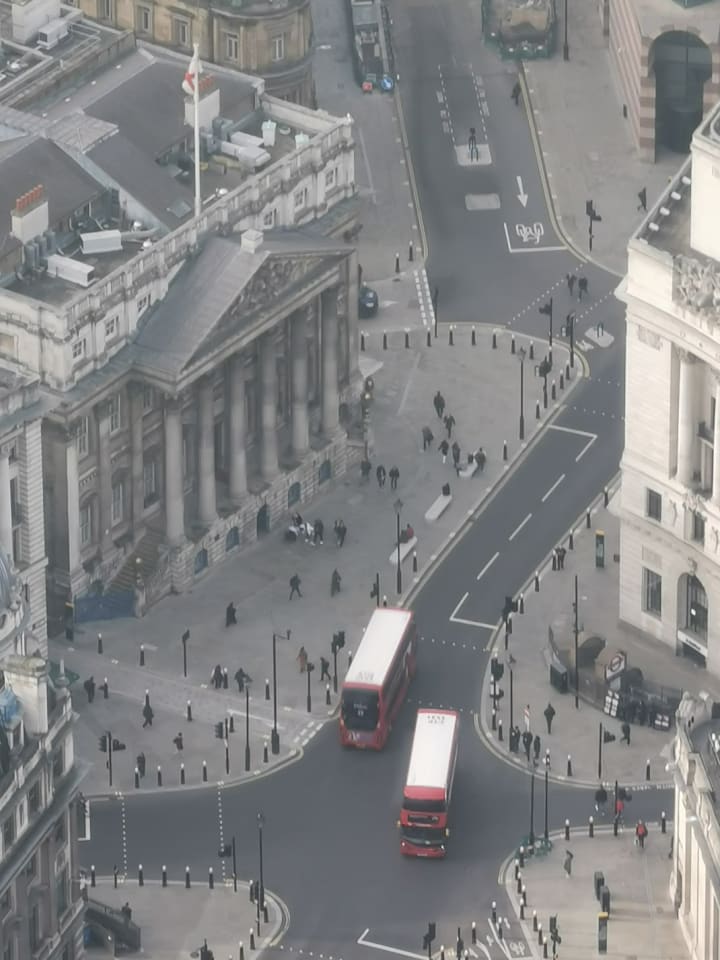
The Routemaster, introduced in 1956, is the most famous double-decker bus, known for its open rear platform. Modern double-deckers, like the New Routemaster, continue this legacy.
3. Extensive Network
London’s bus network is one of the largest in the world, with over 8,600 buses operating on more than 600 routes, serving around 19,000 bus stops.
4. 24-Hour Service
Many routes, including night buses, run 24 hours, ensuring round-the-clock connectivity across the city.
5. Contactless Payments
Since 2014, London buses have been cashless, accepting only contactless cards, Oyster cards, or mobile payments for fares.
6. Low Emission Zones
London buses are transitioning to low-emission and electric models, with over 1,000 electric buses in operation by 2025, supporting the city’s Ultra Low Emission Zone (ULEZ).
7. Accessibility Features
All London buses are wheelchair-accessible, with low floors, ramps, and designated spaces for disabled passengers, ensuring inclusivity.
8. TfL Oversight
Transport for London (TfL) manages the bus network, setting routes and fares, while private companies operate the buses under contract.
9. Historical Horse Buses
Before motorised buses, horse-drawn omnibuses operated in London from the 1820s, marking the start of the city’s public bus transport.
10. Cultural Symbol
London buses feature prominently in films, TV shows, and souvenirs, symbolising the city alongside landmarks like Big Ben and the London Eye.
The New Route Master
The Routemaster’s design had a lasting legacy, inspiring the New Routemaster, sometimes called the "Boris Bus" after former Mayor Boris Johnson, who championed its reintroduction in 2012. It cost £11.4 million to develop. Designer Thomas Heatherwick's new design aimed to create a modern version of the old Routemaster with three doorways and two staircases, while the old Routemaster only had one staircase.
The new route master has air conditioning, which isn’t always effective on a hot day. They also operate a Hybrid engine system with a Hop-on, hop-off platform (though often closed for one-person operation, which is most of them. I’ve never seen it—a conductor on the new buses. One thousand units were ordered and delivered between 2012 and 2017.
Parting Comments
Did you know the phrase ‘On the buses’ was entered into English?
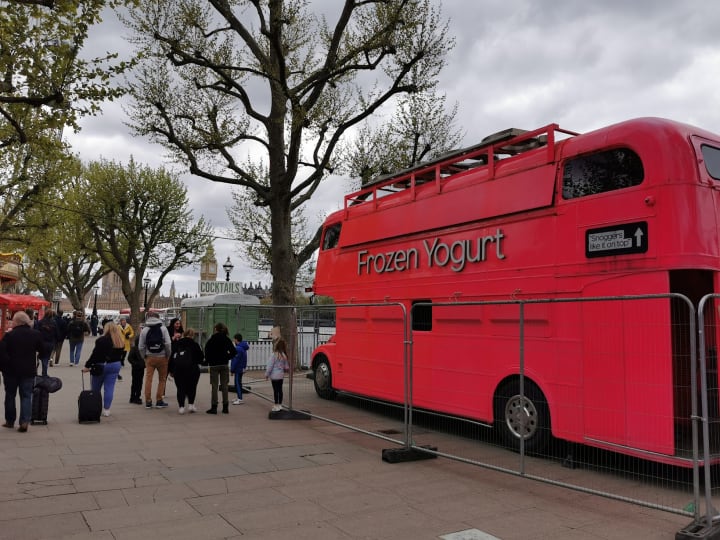
The Routemasters that survive today are now considered historic vehicles, and enthusiasts lovingly maintain many. Some companies specialise in restoring them, and there's a thriving community of Routemaster owners and fans who help keep these iconic vehicles running. It’s such an icon that it’s been celebrated, copied and developed in some countries worldwide.
I hope you have lovely memories of the Routemaster and making new ones with the new buses.
If you enjoyed reading this article and want to support my work, you can now buy me a coffee ☕️.
https://www.buymeacoffee.com/TabbyLondon
Thank you for your attention.
Best wishes
Tabby
About the Creator
Tabby London
The London I've been discovering is usually off the well-beaten track.I love the nooks and crannies and walking along the streets steeped in centuries worth of history. I'm fond of Zone 1 because that's where it all began centuries ago.
Keep reading
More stories from Tabby London and writers in Wander and other communities.
Signs That You Grew Up in Texas
Greetings, Vocal creators! We're going to talk about arguably the best state in this country. I'm talking about Texas and it's also my home state, in case you didn't know. Nicknamed The Lone Star State, it has over 31 million people as of 2024 and is the second largest in the country. Last year, I wrote a story about the things that I loved about Arlington, which is where I'm originally from and where I grew up. Some notable people from the 28th state include Matthew McConaughey, Nolan Ryan, Matthew Stafford, and Willie Nelson. You can read the full story by clicking the link down below. The following entries are not in any particular order.
By Mark Wesley Pritchard 6 days ago in Wander


Comments
There are no comments for this story
Be the first to respond and start the conversation.