
One of The Most Beautiful Stations In the World
St Pancras Station

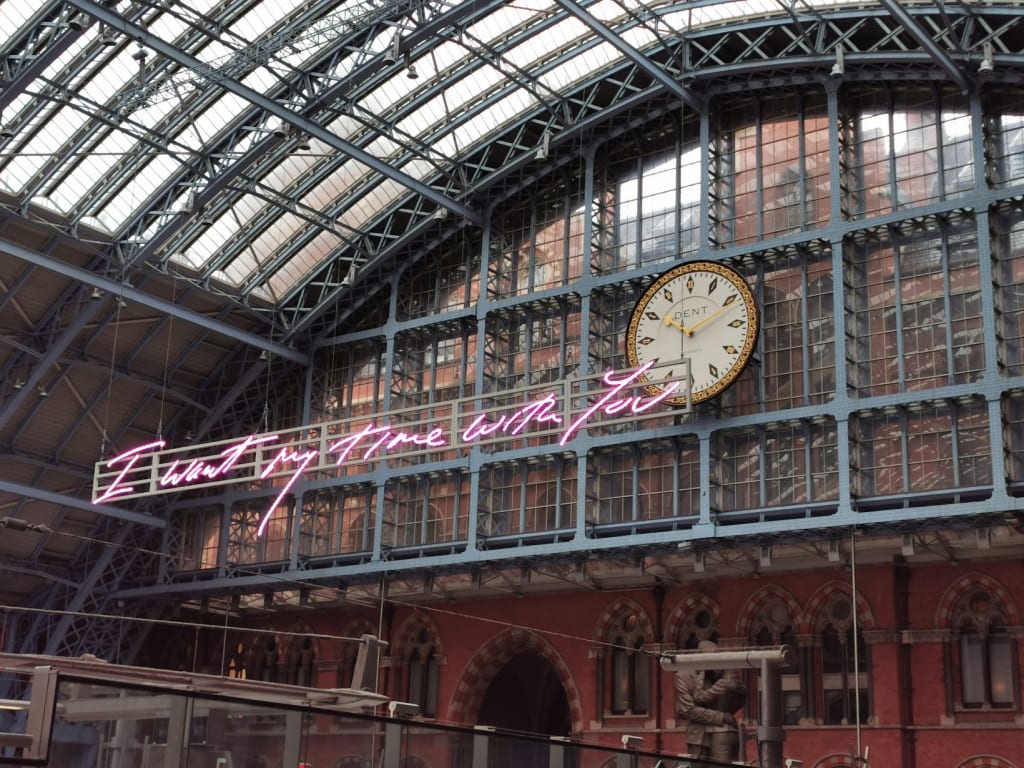
St Pancras Station is one of the most beautiful stations in the world. It 's not me who is saying it. It's official.

In 2024, architecture expert Christopher Beanland ranked St Pancras as the third coolest railway station globally in his book, praising its renovated Victorian Gothic design and features like the Champagne Bar and Tracey Emin’s art.

Architecture

St Pancras International, designed by George Gilbert Scott is a masterpiece of Victorian Gothic architecture, opened in 1868. Its iconic red-brick facade and clock tower are Grade I listed.

International Hub
I love the freedom that this station offers. Not only can travellers leave the Big Smoke for different cities around the country, you can also jump onto the Eurostar to Europe (Paris, Brussels, and Amsterdam).


Historic Renovation
The station underwent a £800 million refurbishment, completed in 2007, transforming it into a modern transport hub while preserving its historic features, including the Barlow Shed, one of the largest single-span structures of its time.
Cultural Significance
St Pancras has appeared in films like Harry Potter (as King’s Cross exterior) and hosts the famous Champagne Bar, Europe’s longest, at 98 metres.
Public Art and Statues
It houses notable artworks, including the 9-metre-tall *The Meeting Place* statue by Paul Day and a bronze of poet John Betjeman, who campaigned to save the station from demolition. I'm glad he did, otherwise we would have been deprived of beautiful architecture.
The Meeting Place
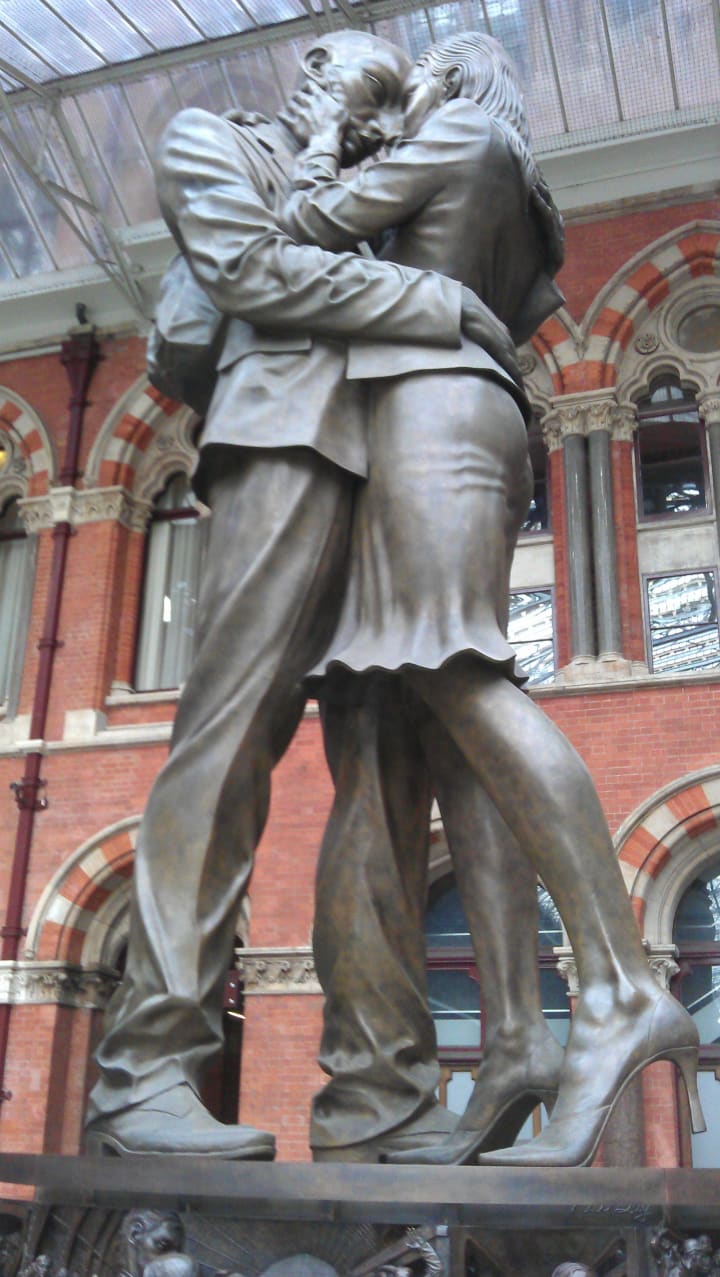
I love the Meeting Point Statue

The Meeting Place is a 9-meter (30 ft) tall, 20-tonne bronze sculpture at the south end of the upper level of St Pancras International railway station in London, created by British sculptor Paul Day. Unveiled in November 2007 by Queen Elizabeth II during the station’s reopening as the Eurostar terminal, it depicts a couple in an amorous embrace, symbolising the romance of travel and the connection between England and France via the Eurostar.

Commissioned in 2006 by London and Continental Railways, the statue cost around £1 million and was designed to be iconic, romantic, and accessible, with comparisons to the Statue of Liberty in its brief. It stands under the station’s iconic clock, near the statue of Sir John Betjeman, who helped save the station from demolition in the 1960s.

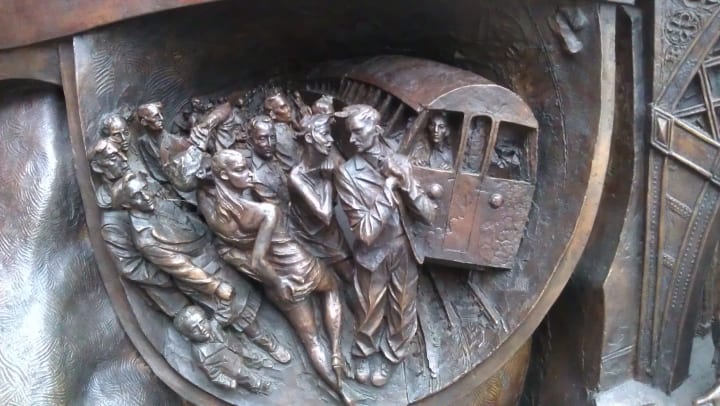
Nicknamed “The Lovers,” the sculpture has become a popular landmark, often cited as one of London’s most romantic spots, as noted in Lonely Planet’s 2011 list of the world’s most romantic places. The figures are reportedly modelled after Paul Day and his wife, with the base featuring reliefs depicting everyday travel scenes, such as commuters, soldiers, and a homeless person, adding a grounded contrast to the romantic central figures.


Parting Comments
St Pancras Station has an oldy worldy charm. It looks great from the outside and the inside doesn't disaapoint. On my last trip back from Paris on tge Eurostar, it felt like home again within minutes of walking on the platform towards the Meeting Place Statue.
So, next time you are in London, be sure to walk around the station and soak up the atmosphere. There are plenty of eateries and coffee places, including the Champagne and Oyster Bar, if thats your thing.
If you enjoyed reading this article and want to support my work, you can now buy me a coffee ☕️.
https://www.buymeacoffee.com/TabbyLondon
Thank you for your attention.
Best wishes
Tabby

About the Creator
Tabby London
The London I've been discovering is usually off the well-beaten track.I love the nooks and crannies and walking along the streets steeped in centuries worth of history. I'm fond of Zone 1 because that's where it all began centuries ago.
Keep reading
More stories from Tabby London and writers in Wander and other communities.
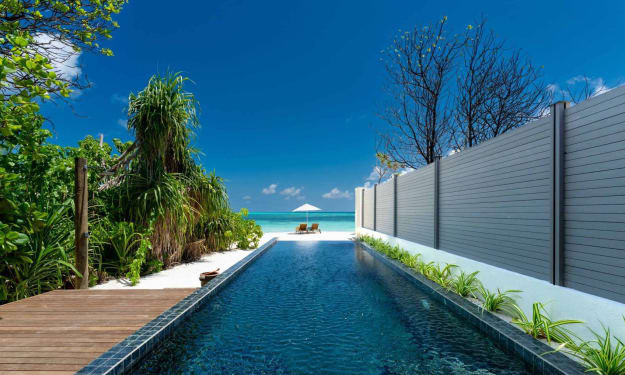
10 Reasons to Choose a Beach Villa with Private Pool
A beach holiday is about more than warm sand and gentle surf. When you choose a beach villa with a private pool, you unlock a level of comfort, privacy, and personalised experience that simply cannot be matched by standard hotel rooms. But what makes a private-pool villa genuinely worth it — beyond the glossy photos?
By Island Life Maldivesa day ago in Wander
Winterthorne
Winterthorne stood alone at the edge of the park. The beautiful snow that had surrounded him was all trampled now, from the feet of all of the children who had built him. He missed the sparkly clean snow blanket, but he was happy that so many children had come out to make him.
By Laura DePace7 days ago in Fiction


Comments (1)
George Gilbert Scott didn't design the Red Phone Box. That was his grandson, Giles Gilbert Scott. Victorian Sir George also designed the vast and amazing Foreign & Commonwealth Office in Whitehall (opposite 10 Drowning Street), and the Albert Memorial to Queen Victoria's husband (opposite The Royal Albert Hall). His 20th Century grandson Giles also designed Westminster Bridge, the Forth Road Bridge near Edinburgh, Battersea Power Station, Liverpool Cathedral, and major Libraries for both Cambridge and Oxford universities. Both architects were enormously prolific.