
The Great Wall of China: A Stone Epic Spanning History and Captivating the World
From Defensive Fortress to Global Icon: The Enduring Saga of China's Great Wall


The Great Wall of China, a colossal dragon stretching across the mountain ridges and valleys of northern China, is a monument that transcends its military function as a defensive fortress. It is an epic etched in stone and earth, narrating a tale of imperial ambition, countless human sacrifices, and the resilience of a civilization spanning millennia. Its construction, commencing in the 7th century BCE under various kingdoms and culminating during the Ming Dynasty (1368-1644), was a colossal project involving millions of laborers from all walks of life, including soldiers, political prisoners, and peasants forced to work in often brutal and deadly conditions. Each section of the wall stands as a silent witness to the sweat, tears, and even lives sacrificed to realize the vision of rulers to protect their territories from external threats, particularly from the nomadic tribes of the north. The architecture of the Great Wall is not a single, uniform design, but rather an evolution reflecting the diverse topography and the advancements in construction technology across different eras. In steep mountainous regions, the wall was built following the natural contours, winding dramatically up and down, utilizing local stone as the primary material.
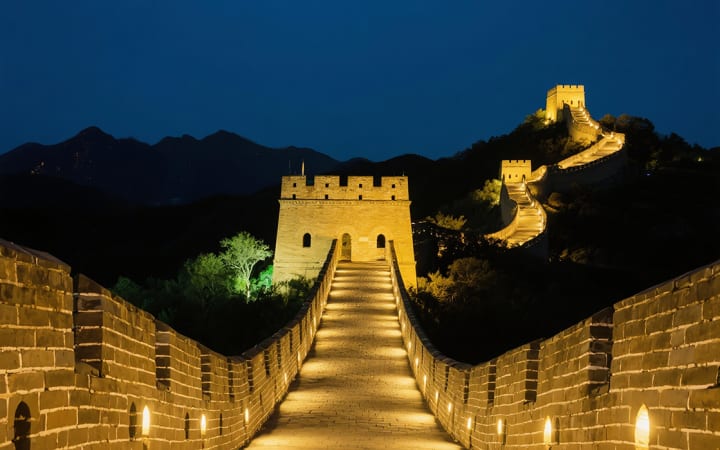
In open plains, the wall was constructed higher and wider, with deeper foundations and more robust structures, often using a mixture of rammed earth, fired bricks, and limestone as mortar. The watchtowers, built at regular intervals along the wall, not only served as guard posts and shelters for soldiers but also as crucial communication points. Visual signaling systems, such as smoke during the day and fire at night, allowed messages about enemy movements to be relayed quickly from one tower to another, creating a vital information network for the imperial defense. More than just a physical structure, the Great Wall also plays a profound symbolic role in Chinese history and culture. It became a visual representation of imperial unity and strength, a distinct dividing line between the civilized world within the wall and the barbarian world beyond. The wall also reflects the Chinese nation's ability to undertake large-scale projects requiring extraordinary coordination, logistics, and resources. Tales about the construction of the Great Wall, including the legend of Meng Jiangnu's weeping for her husband who died while building the wall, have become an integral part of Chinese folklore, teaching about sacrifice, resilience, and love. In the modern era, the Great Wall of China has transformed into a global icon attracting millions of tourists from all corners of the world. Its breathtaking scenery stretching endlessly across varied landscapes, from verdant mountains to arid deserts, offers an unforgettable visual experience. Walking on the ancient stones that have stood for centuries provides a physical connection to history, linking visitors to a magnificent past and evoking awe for the grandeur of Chinese civilization. Well-preserved sections of the wall, such as Badaling, Mutianyu, Simatai, and Jinshanling near Beijing, offer relatively easy access and spectacular views.
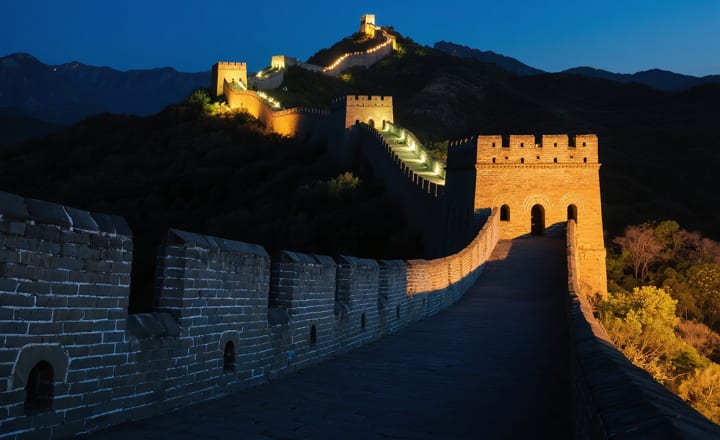
However, other wilder and untouched sections provide a more authentic and challenging experience, allowing adventurers to directly feel how the wall blends with its natural surroundings. Preservation efforts for the Great Wall have become increasingly important with the passage of time and the growing pressures of tourism and natural erosion. Various organizations and the Chinese government are working diligently to protect this ancient structure, undertaking careful restoration and implementing regulations to limit damage. The recognition of the Great Wall as a UNESCO World Heritage Site in 1987 has further raised global awareness of the importance of preserving this masterpiece for future generations. Visiting the Great Wall of China is not just a tourist trip, but also a historical and cultural pilgrimage. Standing atop the wall that stretches as far as the eye can see, one can feel the immense scale of this project and imagine the lives of the millions of people involved in its construction and those who guarded it for centuries.
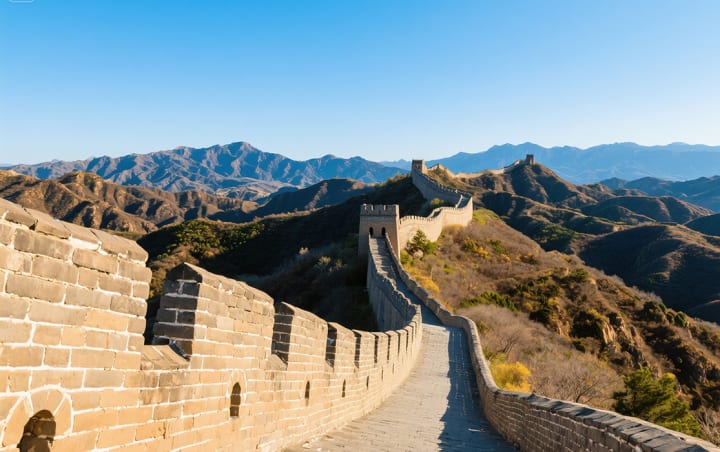
The wind blowing through the cracks in the stones carries whispers of history, telling tales of glory and hardship, of defense and cultural exchange. The Great Wall has also become an inspiration for art, literature, and architecture worldwide. Its iconic image has been immortalized in paintings, poems, films, and designs, becoming a symbol of human resilience and monumental achievement. It continues to captivate and ignite the imagination, reminding us of humanity's ability to construct structures that endure beyond the limits of time. In the context of modern tourism, the Great Wall of China continues to innovate to offer more diverse experiences to visitors. In addition to walking along the wall, tourists can enjoy cycling tours, hiking, and even stay in accommodations with direct views of the wall. The development of supporting infrastructure, such as visitor information centers, improved transportation, and recreational facilities, aims to enhance the comfort and appeal of the Great Wall as a world-class tourist destination. However, amidst modernization and its popularity, it is crucial to maintain respect for the historical and cultural value of the Great Wall. Sustainable and responsible tourism efforts are key to ensuring that this wonder of the world remains preserved for future generations to enjoy. Education about the history and importance of the Great Wall's preservation for tourists and local communities is a vital step in keeping this heritage alive. In conclusion, the Great Wall of China is not just a long stone wall, but a living monument that continues to tell the story of history, culture, and human resilience. It is an enduring symbol of China's magnificent civilization and a wonder of the world that will continue to captivate and inspire generations to come. Stepping onto it is stepping into history, feeling the grandeur of the past, and appreciating a priceless heritage
About the Creator
Vocalmedia Adeadifa
Travel enthusiast, Exploring the world one story at a time
Keep reading
More stories from Vocalmedia Adeadifa and writers in Wander and other communities.
Exploring the Natural Wonders of Indonesia: A Tropical Paradise Like No Other
Indonesia is the largest archipelago in the world, made up of more than 17,000 islands. With its abundant natural beauty, rich cultural diversity, and warm hospitality, Indonesia is one of Southeast Asia’s most captivating travel destinations. From white sandy beaches to towering green mountains, Indonesia offers something for every kind of traveler—whether you seek adventure or simply want to relax and enjoy nature’s tranquility.
By Vocalmedia Adeadifa10 months ago in Wander
Worth the Wait: Puerto Viejo, Costa Rica
Beach bumming in a small Caribbean beach town sounded like a perfect way to end our 6-month trip through Mexico and Central America. Or so we thought. The foul, fishy stench of rotten seaweed hit our nostrils as we stepped from the cramped bus and looked out at a rather depressing, empty, and underwhelming black sand beach. It was pouring with rain, and we had to quickly fish out our ponchos. We thought, this couldn’t be it, could it?
By Sh*t Happens - Lost Girl Travel10 days ago in Wander
Mount Nebo: Improvised Travel, Biblical History, and Grief in Jordan
After an improvised crossing from Israel into Jordan, a taxi ride to Mount Nebo became a strange, comic, and quietly mournful detour. Arriving an hour early, I wandered the desert hillside with figs, whole kiwis, and water, hearing only a disembodied groundskeeper, meeting a dog, and watching a distant Bedouin goatherder. The landscape felt harsh yet alive, an oasis of silence, history, and endurance. Inside the sanctuary, cooler air, Byzantine ruins, mosaics, and biblical memory deepened the visit. Yet the journey was shadowed by grief: it unfolded during a birthday week and just before my father’s funeral, giving the beauty a muted, tragic undertone.
By Scott Douglas Jacobsenabout an hour ago in Wander




Comments