
The Gentle Giants: Discovering the Marvels of Cows
Harmony in Hooves: Exploring the Fascinating World of Cows

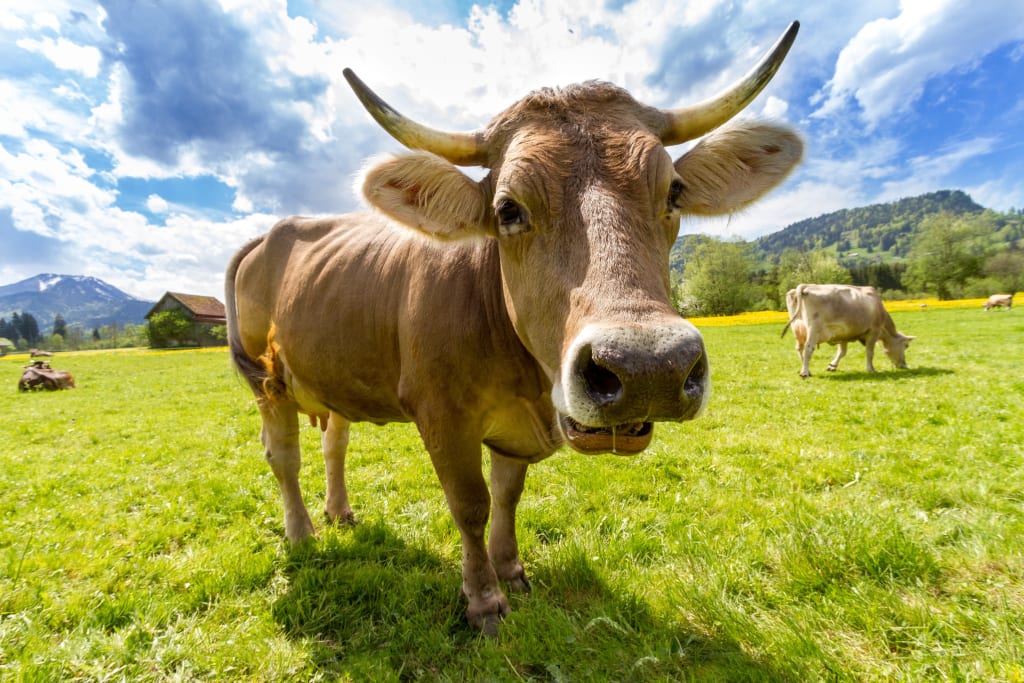
Cows, often regarded as the gentle giants of the animal kingdom, have played an essential role in human civilization for thousands of years. From providing us with nourishing milk and meat to serving as working animals in agriculture, cows have been an integral part of our lives and culture. In this blog post, we will delve into the fascinating world of cows, exploring their history, unique characteristics, and the significant contributions they make to our society and the environment.
A Rich History
Cows have a long and storied history alongside humans. Domesticated over 10,000 years ago, they have been bred and raised in various parts of the world, becoming one of the most important domestic animals. Ancient civilizations, such as the Egyptians and the Indus Valley civilization, revered cows and considered them sacred. Cows have also played a central role in agricultural practices, providing labor and essential resources for farming.
Breeds and Characteristics
Cows come in a wide range of breeds, each with its distinct characteristics and purposes. From the massive and robust Holstein breed, known for its high milk production, to the sturdy and adaptable Angus breed, favored for its meat quality, there is a diverse array of cow breeds worldwide. These breeds vary in size, coloration, horn shape, and temperament, showcasing the remarkable diversity within the bovine family.
Nutrition and Milk Production
One of the most significant contributions of cows to our lives is their ability to produce milk, which is a vital source of nutrition for humans. Cow's milk is rich in essential nutrients such as protein, calcium, vitamins, and minerals, making it a valuable dietary staple for many people around the world. The dairy industry plays a crucial role in providing milk and its by-products, including cheese, yogurt, and butter, which are enjoyed by millions of people worldwide.
Environmental Impact
Cows also have a profound impact on the environment. They are ruminant animals, meaning they have a unique digestive system that allows them to digest plant materials such as grasses and hay. In the process, cows produce methane, a potent greenhouse gas that contributes to climate change. However, sustainable farming practices and advancements in livestock management are helping to mitigate the environmental impact of cattle farming, such as implementing methane capture systems and improving feed efficiency.
Cultural Significance
Cows hold great cultural significance in many parts of the world. They feature prominently in folklore, mythology, and religious traditions. In Hinduism, cows are revered as sacred animals and are considered a symbol of abundance, fertility, and compassion. In various societies, cows have been associated with concepts of wealth, prosperity, and community. They are often depicted in art, literature, and celebrations, showcasing the deep cultural ties between humans and cows.
Conservation Efforts
In recent years, there has been a growing awareness of the importance of preserving and protecting cow breeds that are endangered or at risk of extinction. These breeds often possess unique genetic traits and adaptability to specific environments. Efforts are being made to conserve these breeds through breeding programs, genetic banks, and promoting sustainable farming practices that prioritize biodiversity and cultural heritage.
Conclusion
Cows have played a vital role in shaping human civilization and continue to be an essential part of our lives today. Whether it's providing us with nutritious milk, contributing to agricultural practices, or holding cultural and symbolic significance, cows hold a special place in our hearts and history. As we appreciate their contributions, it's also important to strive for sustainable and responsible farming practices that ensure their well-being and protect the environment. So, the next time you see a cow grazing in a field or enjoy a glass of milk, take a moment to marvel at the gentle giants that have influenced our world in countless ways.
About the Creator
Gift of the Epiphany
I have come to love the Mike's monthly unofficial challenges. They spark my imagination and cause me to dig, explore and search out truths. They also cause personal memories of mine to sparkle for a bit. January's challenge was no exception. In fact, the events that I'm now journaling still amaze me because those steps felt so ordered, yet unmistakingly, not mine.
By Shirley Belka day ago in Wander
Postcard from Bangor
Welcome to “Postcards Between Pages,” where we journey to places where stories come alive, and the landscape speaks with the echoes of literary giants. Today, we’re mailing you an audio postcard straight from Bangor, Maine—home to SK Tours of Bangor and the heart of Stephen King’s legendary world. Together, we’ll traverse the eerie streets and storied landmarks that inspired the King of Horror, listen to tales and whispers from beyond the page, and unravel how Bangor’s soul has shaped the nightmares and dreams of readers across the globe.
By Kristen Barenthalera day ago in Wander



Comments
There are no comments for this story
Be the first to respond and start the conversation.