
The Forest Next Door: Why Amagarh Leopard Safari Feels So Special
Jaipur is famous for its palaces, forts, and vibrant bazaars, but just beyond the city lies a different kind of adventure one where the urban bustle fades and the wilderness begins.
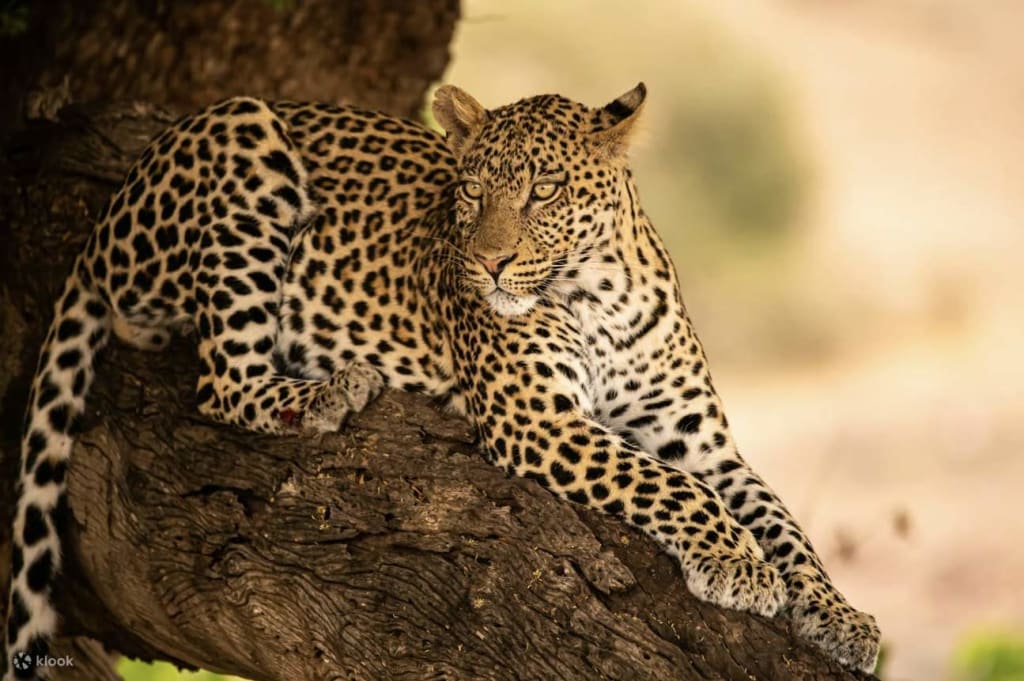
Jaipur is famous for its palaces, forts, and vibrant bazaars, but just beyond the city lies a different kind of adventure — one where the urban bustle fades and the wilderness begins. Amagarh Leopard Safari, tucked into the rugged folds of the Aravalli hills, offers a unique opportunity to step into a living forest without venturing far from Jaipur. This isn’t just another safari; it’s a place where time slows down, every rustle of leaves holds a story, and the chance to spot a leopard feels like stepping into a secret world.
For travellers seeking authentic experiences, photography opportunities, or simply a peaceful retreat into nature, Amagarh provides all of this in a way that feels intimate and unscripted. In this guide, I’ll walk you through the safari experience, the best time to visit, how to reach the forest, local tips, nearby attractions, suggested itineraries, safety advice, and budgeting, so your visit can be both enjoyable and seamless.
Stepping Into the Wilderness: What Makes Amagarh Unique
The moment you leave Jaipur’s city streets, the landscape changes dramatically. Concrete gives way to rocky slopes, thorny shrubs, and quiet valleys. This is the Aravalli hills, an ancient formation that has remained largely untouched, offering a perfect habitat for leopards and other wildlife.
Amagarh isn’t a massive national park with long drives between sightings. Its charm lies in intimacy. Leopards, though elusive, often roam the open slopes and rocky ridges, giving visitors a fair chance to observe them in their natural habitat. Even if the big cats stay hidden, the forest itself tells stories — herds of sambar deer grazing in silence, jackals darting between rocks, and a symphony of birds creating a constantly changing soundscape.
The terrain adds to the experience. The forest trails wind through rocky outcrops and dry deciduous trees, with occasional waterholes attracting wildlife. Every step of the journey feels organic, as if the forest has been waiting for visitors to tread lightly and notice the details.
Wildlife and Safari Experience
A safari at Amagarh is as much about observation as it is about adventure. Open jeeps navigate gently uneven terrain, moving slowly so that every sound, movement, and track can be appreciated. Experienced local guides accompany visitors, pointing out pugmarks, explaining animal behavior, and helping you spot birds and smaller creatures that often go unnoticed.
Leopard sightings are naturally a highlight, but the forest offers plenty of other encounters. Observing a sambar deer pause mid-step, a nilgai cautiously looking over a ridge, or a peacock spreading its feathers in the morning light makes the safari unforgettable. Even for wildlife photographers or birdwatchers, the variety here is impressive.
Unlike other popular parks, Amagarh gives a feeling of privacy. The silence is only broken by nature itself, making every discovery feel personal. Whether it’s a distant alarm call or a sudden flutter of wings, the forest keeps you alert, curious, and connected.
Best Time to Visit Amagarh Leopard Safari
Timing your visit can greatly enhance your experience. Winter months (November to February) are the most popular for their cool, pleasant weather and higher wildlife activity during early mornings. The soft winter sunlight also creates beautiful lighting for photography.
The monsoon season (July to September) transforms the forest into a lush green wonderland. Streams flow through rocky valleys, vegetation thickens, and birdlife increases dramatically. Leopard sightings may be more challenging, but the scenery is breathtaking and peaceful.
Summer months (April to June) can be hot, but early morning safaris offer rewarding experiences. During this season, animals often gather around waterholes, which makes spotting them easier despite the heat. Regardless of the season, sunrise and late afternoon slots remain the most productive times for wildlife activity.
How to Reach Amagarh and Nearby Attractions
Amagarh’s accessibility is one of its greatest advantages. Located roughly 30 minutes from Jaipur city center, the safari starting point is near the famous Galta Ji Temple, also known as the Monkey Temple. Visitors can hire taxis, drive themselves, or take app-based cabs directly to the safari gate.
Its proximity allows visitors to combine the safari with nearby attractions. Galta Ji Temple is a must-see, offering scenic water tanks and spiritual calm amidst the hills. Nahargarh Fort, perched along the Aravalli ridges, provides panoramic views of Jaipur — especially stunning at sunset. For those with more time, Jaipur’s City Palace, Hawa Mahal, and Jal Mahal are within easy reach, making Amagarh a perfect addition to a day trip or longer itinerary.
Traveling here is simple, and the journey itself — from urban roads to quiet rocky trails — adds to the feeling of entering a different world.
Local Tips and Travel Safety
A few thoughtful preparations can make your visit smoother and more enjoyable. Wear neutral-colored clothing to blend with the surroundings, and consider layering in winter for early morning comfort. Summers require breathable fabrics and sun protection.
Carry water, sunglasses, sunscreen, and binoculars. Binoculars are particularly useful for observing distant wildlife without disturbing them.
Safety at Amagarh is straightforward. Always remain seated in the jeep, follow your guide’s instructions, and maintain silence to avoid scaring animals. Respecting the forest by not littering, feeding animals, or straying from trails ensures a responsible and memorable experience.
Suggested Itineraries and Budgeting
For visitors short on time, a half-day itinerary works well: start with an early morning safari, visit Galta Ji Temple afterward, and return to Jaipur for breakfast or city sightseeing.
A full-day itinerary allows for more exploration: start with the safari, enjoy a relaxed meal nearby, visit Nahargarh Fort in the late afternoon, and explore Jaipur’s heritage sites or markets in the evening. This combination gives you a balanced mix of wildlife, culture, and city experiences.
Budgeting for Amagarh is straightforward. Since it’s close to Jaipur, travel and accommodation costs are minimal unless you choose to stay overnight. Your main expenses are transport, safari bookings, and meals. Visiting during peak seasons like winter may require advance booking to secure the preferred time slots.
Why Amagarh Feels So Special
Amagarh Leopard Safari is more than just a wildlife excursion; it’s an experience of immersion. The forest feels alive, and every step, sound, and shadow seems meaningful. It’s a place where you notice small details — the texture of rocks, the rhythm of birds, or the fleeting glimpse of a leopard moving in the distance.
Its proximity to Jaipur makes it accessible, but its intimacy and quiet make it feel like a true escape. Whether you’re a wildlife enthusiast, a photographer, or simply someone seeking peace in nature, Amagarh offers an adventure that’s authentic, rewarding, and memorable.
It’s not just a safari; it’s a reminder that wilderness exists even close to urban life, quietly thriving and waiting for those willing to observe it with patience and respect.
About the Creator
Keep reading
More stories from Aditi Khandelwal and writers in Wander and other communities.
Jhalana Leopard Safari: Exploring Jaipur Beyond Palaces
Jaipur is often introduced through its palaces, forts, and colourful bazaars. The Pink City wears its history proudly, and rightly so. But if you pause for a moment and look beyond the stone walls and royal courtyards, you’ll discover a completely different side of Jaipur—quiet, wild, and deeply surprising. Jhalana Leopard Safari offers exactly that: a chance to explore Jaipur beyond palaces and step into a living forest where nature still follows its own rhythm.
By Aditi Khandelwal19 days ago in Wander
Gift of the Epiphany
I have come to love the Mike's monthly unofficial challenges. They spark my imagination and cause me to dig, explore and search out truths. They also cause personal memories of mine to sparkle for a bit. January's challenge was no exception. In fact, the events that I'm now journaling still amaze me because those steps felt so ordered, yet unmistakingly, not mine.
By Shirley Belk3 days ago in Wander
Postcard from Bangor
Welcome to “Postcards Between Pages,” where we journey to places where stories come alive, and the landscape speaks with the echoes of literary giants. Today, we’re mailing you an audio postcard straight from Bangor, Maine—home to SK Tours of Bangor and the heart of Stephen King’s legendary world. Together, we’ll traverse the eerie streets and storied landmarks that inspired the King of Horror, listen to tales and whispers from beyond the page, and unravel how Bangor’s soul has shaped the nightmares and dreams of readers across the globe.
By Kristen Barenthaler2 days ago in Wander


Comments
There are no comments for this story
Be the first to respond and start the conversation.