
The Floral Wonderland of India
Your Guide to the Valley of Flowers Trek

A Blooming Dream in the Heart of the Himalayas
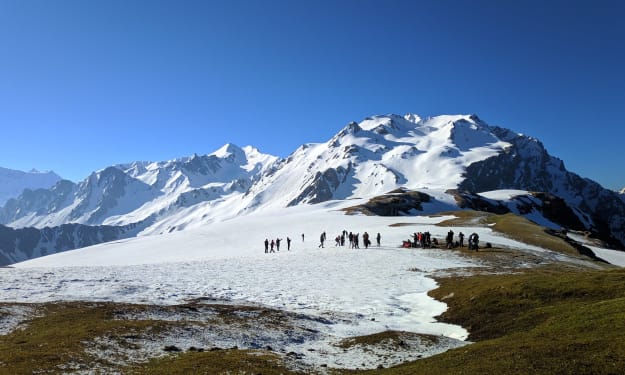
Hidden within the arms of the Himalayas is a destination that seems as if it has been plucked right out of a fantasy. The Valley of Flowers in Uttarakhand is more than a trek—it's a journey that will enliven every one of your senses. With snow-covered summits in the background and a carpet of colorful blooms beneath your feet, this World Heritage Site established by UNESCO beckons every nature enthusiast, traveler, and seeker of truth to behold magic in its raw form.
But this is not a flower place. It is inhabited by rare animals such as the elusive musk deer and the brown bear. Every nook and corner of the valley has a different story to tell—some ancient, some forgotten, and some yet to be found.
When to See the Blooming Valley
Timing your visit right can make all the difference. Here's a quick guide to plan:
July to August (Peak Bloom):
This is when the valley is the most colorful.Thousands of flowers burst into bloom after the first showers of monsoon. Yes, you might face some rain—but isn’t that part of the adventure?
Early September (Fewer Crowds, Mild Weather):
If you’d rather skip the rain and enjoy the serenity, September is perfect.The blooms are still around, and there is fresh air and calm everywhere.
October to February (Snow Season):
The valley becomes closed because of excessive snow, but other sites around it, such as Hemkund Sahib, remain open. Flowers will not be visible, but the white cover on the terrain has its own charm.
The Trekking Journey: Step by Step
Govindghat to Ghangaria (13 km)
Your trek starts from Govindghat—a small mountain town teeming with trekkers and pilgrims. The 13 km trek to Ghangaria winds along green forests, waterfalls, and friendly streams.You’ll walk to the sound of the Rishiganga River flowing beside you. Ghangaria is where you rest, eat warm food, and breathe in the mountain air before heading further.
Ghangaria to Valley of Flowers (3–4 km)
This is the part where the magic unfolds. The 3–4 km trek into the valley is almost surreal. Wildflowers of all hues dance in the wind, and great mountains stand sentry for the silence. It's not a location—it's a mood.
Ghangaria to Hemkund Sahib (6 km)
If your heart and legs are game, hike the tough 6 km to Hemkund Sahib. It's a holy Sikh temple surrounded by a glacial lake, and the scenery along the trail is breathtaking. The tranquility here cannot be described in words.
What Makes the Valley Special (Beyond the Flowers)
Rishiganga River: Its rushing, crystal-clear waters provide the perfect accompaniment to your trek.
Snowy Peaks & Alpine Lakes: Each turn reveals another postcard scenery—blue lakes, snow-laden ridges, and never-ending horizons.
Rare Plants and Animals: Have your binoculars handy to spot blue poppies, butterflies, and perhaps even an elusive musk deer strolling along the pathways.
Trekking Tips by a Fellow Traveller
Pack Intelligently: Monsoon rains can turn fickle. Waterproof boots, poncho or raincoat, and light snack can work magic. Keep the pack light but avoid cutting down on essentials.
Take It Easy : Altitude can sneak up on you.Spend a day in Ghangaria to acclimatize before venturing into the valley.
Get Your Permits: Entry to the Valley of Flowers is regulated. You’ll need permits, which are easily available at Govindghat. Carry your ID and don’t skip this step.
In Conclusion: How This Trek Can Transform You
The Valley of Flowers is not merely another trekking destination—it's where nature heals, inspires, and reminds you of the simple, quiet pleasures of life. Whether you're seeing clouds kiss mountain tops or sitting in silence by a stream, something inside you changes.
This isn't merely a travel destination. It's a spiritual break, a floral refuge, and a memory that will burn in your heart long after you've gone.
About the Creator
Divya Tiwary
Divya Tiwary – Trekker | Storyteller | Voice for the Mountains and writer born in the heart of Uttarakhand. With roots in the Himalayan soil and stories passed down through generations.
Keep reading
More stories from Divya Tiwary and writers in Wander and other communities.
Whispers of the Himalayas A Journey Beyond the Trail
I didn’t come to the Himalayas looking for anything profound. Honestly, I just needed to escape — the noise, the rush, the constant demands of everyday life. It was all starting to weigh me down. But little did I know, what I was actually running toward was something much deeper: a journey of self-discovery in the heart of Uttarakhand.
By Divya Tiwary9 months ago in Wander
The Ultimate Guide to Free Flight Upgrades That Work
Getting stuck in a cramped middle seat while watching other passengers enjoy spacious first-class cabins doesn't have to be your reality. Free flight upgrades are more achievable than most travelers think, and this guide shows you exactly how to score them consistently.
By LaMarion Ziegler5 days ago in Wander
Exploring the City of Arts and Sciences in Valencia, Spain: A Family Adventure Like No Other
When we first planned our trip to Valencia, Spain, we expected to enjoy beaches, old churches, and the smell of orange blossoms drifting through the streets. What we didn’t expect was to step into something that looked like a city from the future. That surprise came the moment we arrived at the City of Arts and Sciences — and it quickly became one of the most unforgettable days of our family trip.
By Nicole Ortiz 3 days ago in Wander
How, Too
Many people wonder how, too. You are not alone, and I am an expert. I will teach you how, too! First, you need to remit a small application fee and fill out an application describing the nature of your financial situation and how often payments will be made, as this will have great bearing on how well I teach you how, too.
By Harper Lewis5 days ago in Fiction



Comments
There are no comments for this story
Be the first to respond and start the conversation.