
The Flavors of South Africa and Exploring Traditional Cuisine
Savoring the Diversity of South Africa's Culinary Heritage

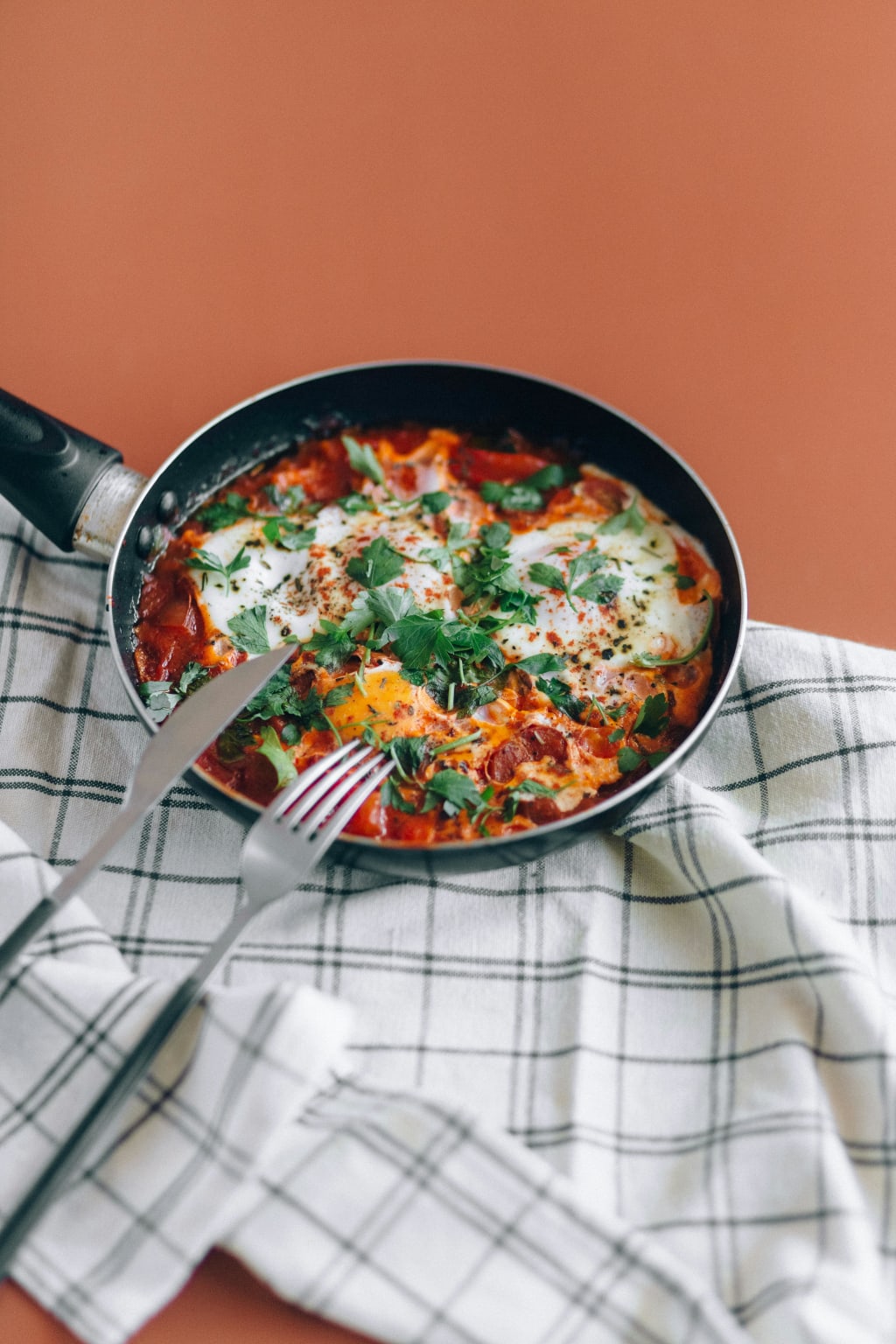
South Africa is a vibrant melting pot of cultures, histories, and landscapes, and nowhere is this diversity more deliciously evident than in its cuisine. Each dish tells a story, blending indigenous flavors with influences from Dutch, Malay, Indian, and other immigrant communities. On my journey through the country, I discovered that South African food is more than just sustenance—it’s a celebration of tradition, family, and connection.
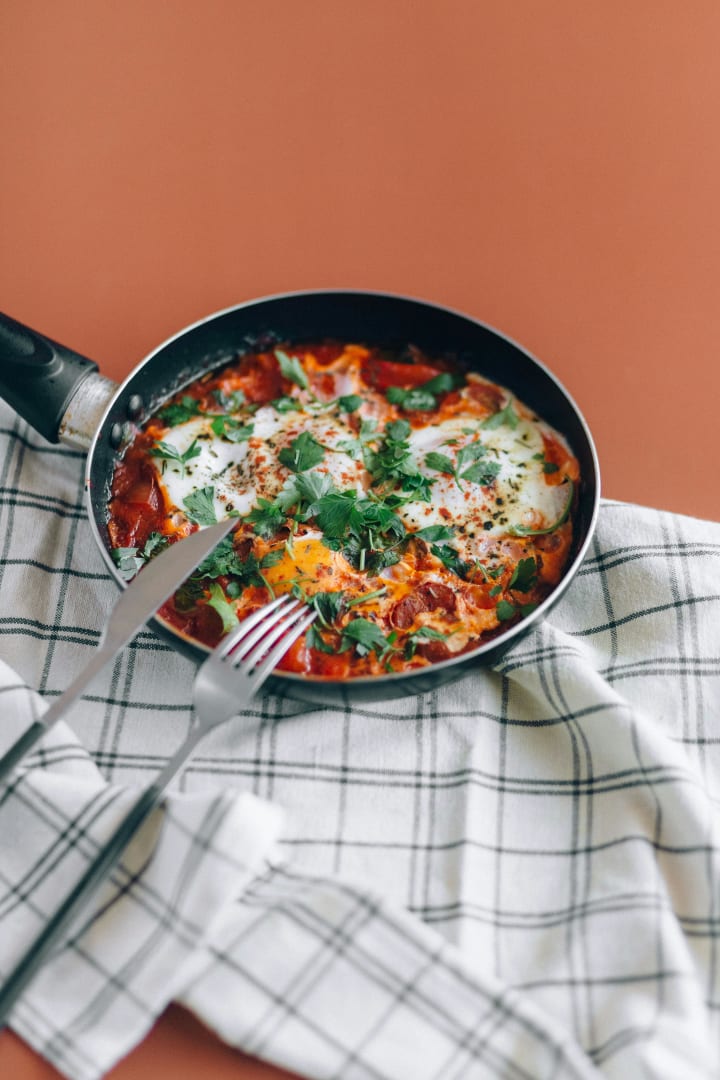
My culinary adventure began with a hearty plate of bobotie, a dish that felt like a warm hug. Imagine spiced minced meat, cooked to perfection, with a rich layer of egg custard on top. It’s often paired with yellow rice, sweet raisins, and a side of tangy chutney. Each bite carried a medley of flavors, from the subtle sweetness to the kick of spices, a testament to its Cape Malay origins.
Of course, no trip to South Africa would be complete without experiencing a traditional braai. Much more than a barbecue, a braai is an event—a gathering of friends and family around a crackling fire. The aroma of sizzling meats, from lamb chops to boerewors (a flavorful sausage), mingled with the laughter of people sharing stories. I was introduced to pap, a soft maize porridge, served with chakalaka, a spicy vegetable relish. Together, they created a harmony of textures and tastes that perfectly complemented the smoky flavors of the grill.
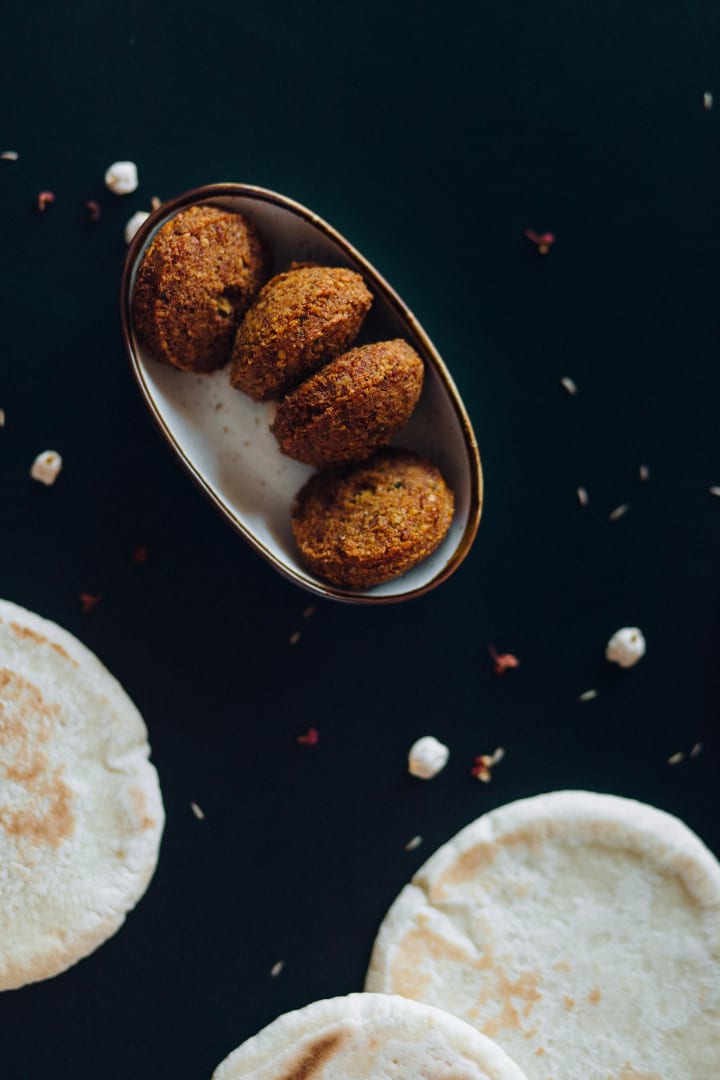
Another standout moment for me was tasting bunny chow in Durban. Don’t be fooled by the name—there’s nothing rabbit-related about it! Bunny chow is a hollowed-out loaf of bread filled with rich, aromatic curry. This dish, rooted in the Indian community, is both hearty and satisfying. It’s best enjoyed with your hands, ensuring every morsel of curry is soaked up by the bread.
For those with a sweet tooth, koeksisters quickly became a favorite. These sticky, braided pastries are deep-fried to golden perfection and soaked in syrup. Each bite was a sugary delight, with a hint of cinnamon that made it utterly irresistible. I couldn’t help but marvel at how something so simple could be so indulgent.
South Africa also has a remarkable way of preserving its history through food. I visited a small restaurant where the owner shared the story of umngqusho, a traditional Xhosa dish made of samp (dried corn kernels) and beans. Nelson Mandela himself once mentioned this as one of his favorite meals. The slow-cooked dish, flavored with a touch of butter and salt, was both humble and deeply satisfying—a reminder of the country’s roots and resilience.
Seafood lovers, too, are in for a treat. The coastal towns serve some of the freshest catches I’ve ever tasted. In Cape Town, I relished a platter of grilled snoek, a local fish, paired with sweet apricot jam. It was a surprising yet delightful combination that showcased the region’s unique culinary creativity.
What struck me most about South African cuisine was how deeply it’s intertwined with the people’s way of life. Every dish, whether enjoyed at a bustling market or a quiet family table, carried a sense of pride and identity. The warmth of the locals, their willingness to share recipes and stories, made each meal a memorable experience.
If you’re dreaming of exploring these flavors for yourself, now is the perfect time to plan your trip. With an abundance of South Africa tour packages and South Africa holiday packages available, you can immerse yourself in the country’s culinary wonders and cultural treasures. Trust me, your taste buds will thank you for the adventure.
About the Creator
Radhiya Furat
"Welcome to our Travel blogs! We’re a passionate team of travel enthusiasts, sharing our global adventures. From hidden gems to local delicacies, we’re here to guide you in exploring new horizons and creating lasting memories."
Keep reading
More stories from Radhiya Furat and writers in Wander and other communities.
Chinese New Year in Singapore: A Three-Day Journey of Tradition and Festivity
Celebrating Chinese New Year in Singapore was like stepping into a living, breathing masterpiece of tradition and festivity. Even though I had just three days to experience it, the moments I lived there have left me with stories that resonate deeply.
By Radhiya Furat12 months ago in Wander
Worth the Wait: Puerto Viejo, Costa Rica
Beach bumming in a small Caribbean beach town sounded like a perfect way to end our 6-month trip through Mexico and Central America. Or so we thought. The foul, fishy stench of rotten seaweed hit our nostrils as we stepped from the cramped bus and looked out at a rather depressing, empty, and underwhelming black sand beach. It was pouring with rain, and we had to quickly fish out our ponchos. We thought, this couldn’t be it, could it?
By Sh*t Happens - Lost Girl Travel10 days ago in Wander
Langtang Valley Trek: The Complete Guide to Nepal's Hidden Himalayan Gem
If you are searching for a trek that combines breathtaking mountain scenery, rich Tamang culture, and an off-the-beaten-path adventure the Langtang Valley Trek is your answer. Nestled just 50 kilometers north of Kathmandu, Langtang is one of Nepal's most accessible and rewarding trekking destinations. Often overshadowed by the fame of Everest Base Camp and the Annapurna Circuit, this Himalayan trek offers an equally spectacular experience without the crowds. Whether you are a first-time trekker or a seasoned adventurer, the Langtang Valley Trek promises soaring peaks, dense rhododendron forests, ancient monasteries, and warm hospitality that will stay with you long after you return home.
By RP Adventures4 days ago in Wander



Comments
There are no comments for this story
Be the first to respond and start the conversation.