
The Enchanted Ascent: My Journey on the Mystical Kodachadri Trek
Majestic peak, hidden deep in the Western Ghats, offers more than just a physical adventure
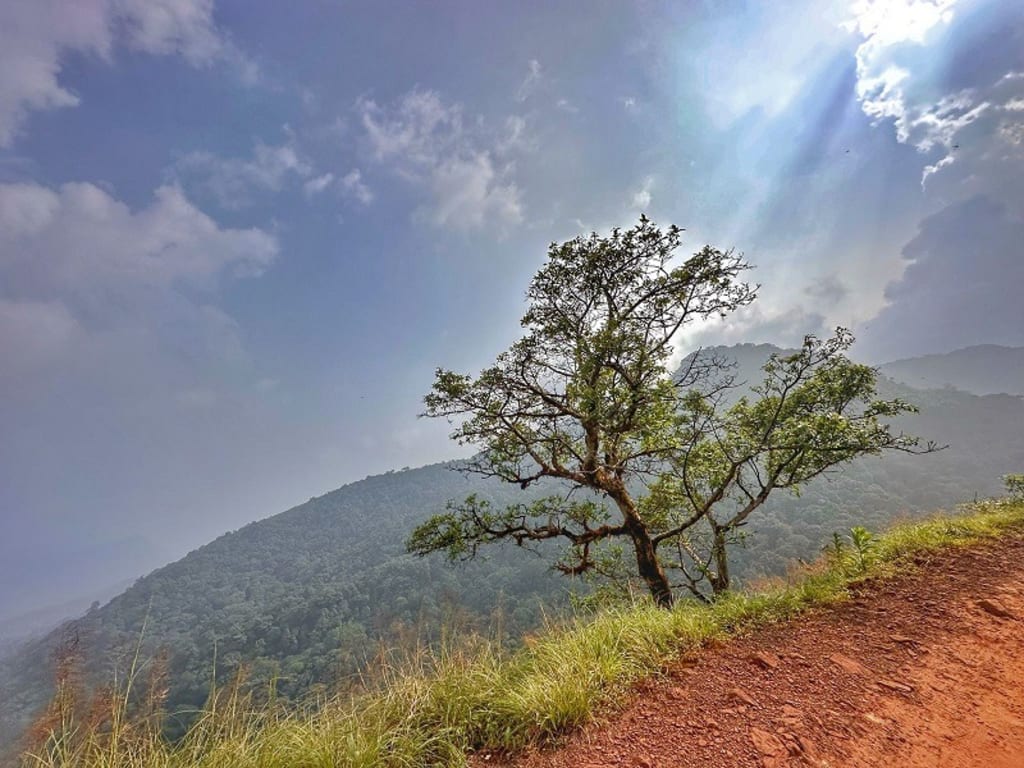
If there’s one trek in Karnataka that blends natural beauty with spiritual essence, it’s the Kodachadri Trek. This majestic peak, hidden deep in the Western Ghats, offers more than just a physical adventure—it gives you a sense of connection to nature, history, and even something divine. When I first read about it, I thought it would be a typical weekend hike. But what I found was far more enriching—misty forests, ancient shrines, roaring waterfalls, and a summit where the clouds dance beneath your feet.
So, if you’re searching for a memorable trekking experience that’s equal parts challenging and peaceful, here’s a detailed look at my journey to Kodachadri—and everything you should know to plan your own.
The Heart of the Western Ghats: What Makes Kodachadri Unique
Located in the Shimoga district of Karnataka, Kodachadri stands tall at about 1,343 meters above sea level. It’s the 10th highest peak in the state and is part of the Mookambika Wildlife Sanctuary. But more than just elevation, what sets Kodachadri apart is its rich ecosystem and deep-rooted mythology.
Legend says Adi Shankaracharya meditated here centuries ago. There’s even a small stone structure—Sarvajna Peetha—at the summit that marks the spot. This mix of wilderness and worship gives Kodachadri an energy unlike any other trek I’ve done. It’s not just about reaching the top—it’s about immersing yourself in the journey.
The Trail Experience: Waterfalls, Forests, and Grasslands
I began my trek from Nittur village, a quiet base with a few homestays and smiling locals. From here, you have two main routes: the Hidlumane Falls route (scenic but challenging) and the Jeep track (longer but easier). Naturally, I chose the forest trail.
The first hour took us through dense jungle—thick trees, leeches, and damp air. Just when my legs started to tire, the sound of crashing water led us to Hidlumane Falls. Let me tell you, this multi-layered waterfall is no ordinary rest stop. It’s wild, raw, and perfect for a refreshing splash before continuing the climb.
Past the falls, the trail gets steeper. The rocky ascent is tough but rewarding, especially as the dense woods give way to wide open meadows. From here, the views start to unfold—green valleys, distant peaks, and mist rolling in like waves.
The final stretch is a narrow ridge walk—arguably the most scenic part. On one side, hills fall away into thick forest, and on the other, you can sometimes catch a glimpse of the Arabian Sea on a clear day. At the summit, the Sarvajna Peetha temple sits peacefully in the clouds—a perfect end to a magical climb.
When to Trek: Best Seasons for the Kodachadri Experience
While Kodachadri can be trekked throughout the year, the best time to visit is from October to February. Here’s a breakdown:
Post-monsoon (October–November): The landscape is lush green, the waterfalls are flowing, and the weather is pleasant.
Winter (December–February): Clear skies, cool air, and great visibility from the summit. Ideal for beginners and photographers.
Monsoon (June–September): Stunning greenery but heavy rains make the trail slippery. Great for experienced trekkers who enjoy the wild monsoon vibes.
Summer (March–May): Dry, hot, and less scenic. Not recommended.
I did the trek in early November, and the mix of warm sun, cool breeze, and misty moments made it just perfect.
How to Reach Kodachadri: Travel Guide for Trekkers
Kodachadri lies close to Kollur, which is around 20 km away. Here’s how you can get there:
By Air: The nearest airport is Mangalore (around 180 km). You can hire a taxi or take a bus from there.
By Train: Shimoga is the closest major railway station (around 110 km).
By Road: From Bangalore, it’s around 400 km—a drive of about 8–9 hours. The roads are scenic but narrow as you approach the base village.
Most trekkers stay in homestays at Nittur or Kollur, which are simple but comfortable. Some even offer guides and packed meals. You can also hire a local guide if you're unsure of the trail, especially if you plan to go via Hidlumane Falls.
What to Pack and Safety Tips: Be Trek-Ready
This trek is a moderate to tough one, so a little prep goes a long way. Here’s what I packed (and I’m glad I did):
Good trekking shoes (with strong grip)
Raincoat or poncho (even in November, sudden drizzles surprised us)
Water bottles and energy bars
Leech socks or salt (for monsoon treks)
Warm layer (mornings and evenings get cold)
Flashlight/headlamp if you're staying overnight or starting early
Also, don’t rely too much on mobile networks. Most of the trail has no signal—so download maps offline and inform someone of your plan in advance.
Final Words: Why Kodachadri Is More Than Just a Trek
As I stood at the summit, with the wind tugging at my jacket and clouds drifting below my feet, I realized something. Kodachadri isn’t just about climbing a peak. It’s about losing yourself in a mystical landscape, walking where sages once walked, and discovering silence in a world that’s always noisy.
If you’re looking for a trek that offers adventure, beauty, peace, and a touch of the divine, the Kodachadri Trek is waiting for you. Just be ready to surrender to the hills—because they’ll give you more than just views. They’ll give you memories that stay long after your boots are off.
About the Creator
Rohit SEN
Hey! Come along with me to explore beautiful places, learn about different cultures, and share my adventures. Let's Explore together! From a travel lover!
Worth the Wait: Puerto Viejo, Costa Rica
Beach bumming in a small Caribbean beach town sounded like a perfect way to end our 6-month trip through Mexico and Central America. Or so we thought. The foul, fishy stench of rotten seaweed hit our nostrils as we stepped from the cramped bus and looked out at a rather depressing, empty, and underwhelming black sand beach. It was pouring with rain, and we had to quickly fish out our ponchos. We thought, this couldn’t be it, could it?
By Sh*t Happens - Lost Girl Travel10 days ago in Wander
10 Irresistible Reasons to Visit Upper Mustang
Upper Mustang offers a trek that's in a class of its own. With its rugged landscapes, rich Tibetan Buddhist culture, and a history that's steeped in the mystique of the "Forbidden Kingdom," it's a destination that stands head and shoulders above the rest. Due to its restricted status, it's largely untainted, giving you a genuine Himalayan experience. You'll delve into ancient monasteries, hidden caves, and the walled city of Lo Manthang. The dry climate and rough terrain create a unique desert feel. If adventure is what you're after, here are ten compelling reasons to visit Upper Mustang.
By Kumar Lamaabout 21 hours ago in Wander
A Transparent Look at Vocal Challenges and Top Stories
Almost three years ago, we shared a resource article that served as a place for people to suggest new challenge prompts. We thought it would be a good idea to refresh that thread, and take the opportunity to answer a few common questions about top stories, how challenges are judged and how submissions are reviewed.
By Vocal Curation Team4 days ago in Resources


Comments
There are no comments for this story
Be the first to respond and start the conversation.