
Into the Leopard’s Lair: My Wild Encounter in Jawai, Rajasthan
every review spoke of jaw-dropping leopard sightings and a connection to nature that felt untouched and raw. I had to see it for myself.
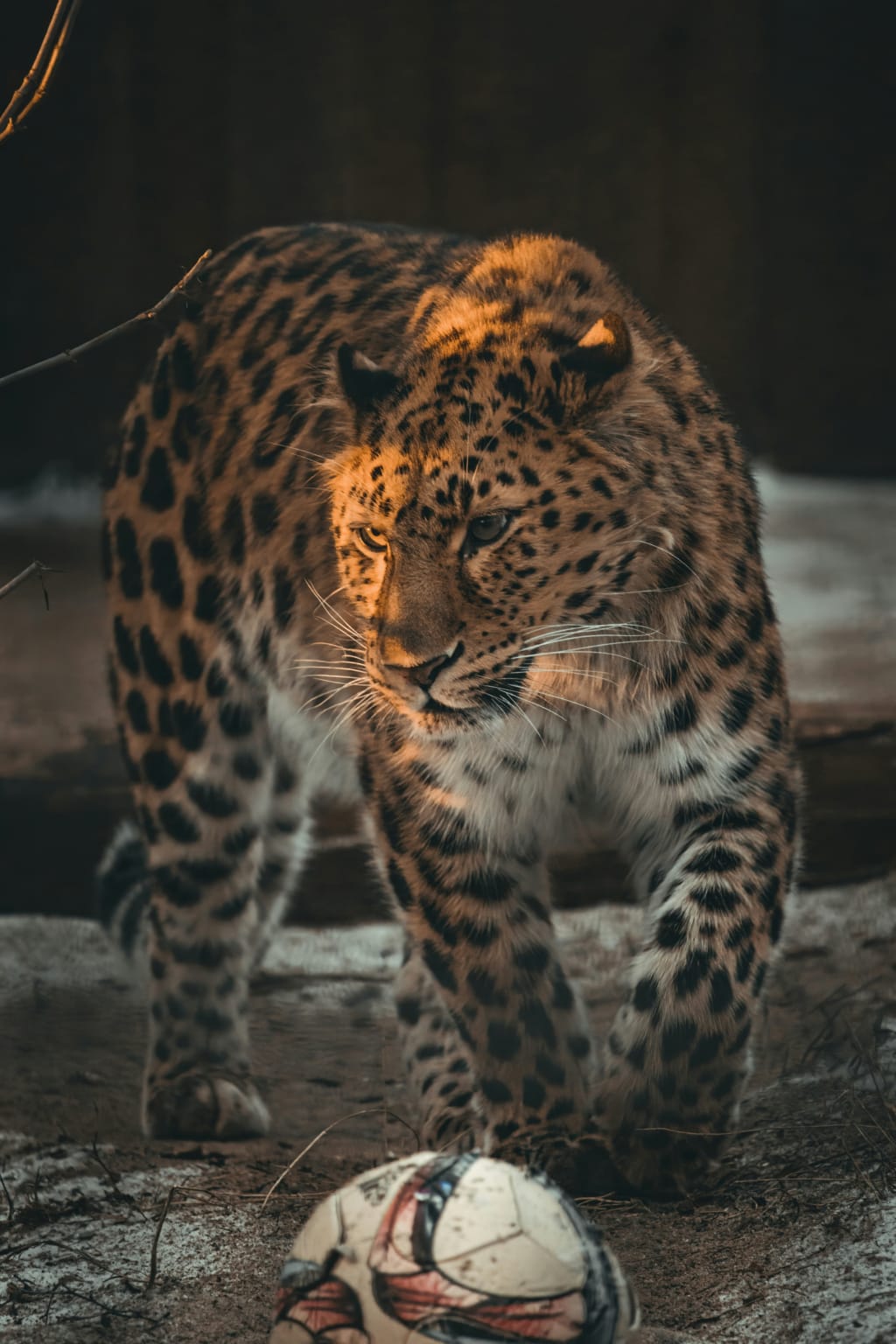
When I first heard about Jawai, a remote region in Rajasthan where leopards roam freely among rocky hills and open grasslands, I wasn’t sure what to expect. It wasn’t a national park. There were no thick forests or big-name tourist crowds. But every review spoke of jaw-dropping leopard sightings and a connection to nature that felt untouched and raw. I had to see it for myself.
Spoiler alert: Jawai didn’t just live up to the hype—it completely stole my heart. If you’re someone craving an offbeat wildlife adventure with a touch of local culture and luxury in the wild, here’s why the Jawai Leopard Safari should be your next escape.
Welcome to Jawai: The Land Where Leopards Live in Harmony with Humans
Tucked between Udaipur and Jodhpur, the Jawai region in Pali district is unlike any other wildlife destination in India. It’s not a national park with fences or entry gates. Here, leopards live in the wild, among scattered villages, granite hills, and centuries-old temples.
What truly amazed me was the way the Rabari community—the traditional shepherds of the area—share this land with the big cats. They don’t fear the leopards; in fact, they revere them. This deep-rooted cultural bond means the animals are rarely threatened, and in return, they roam these lands freely, often lounging on temple roofs or emerging from caves as if posing for cameras.
This balance between humans and nature is what makes Jawai feel so special and authentic.
The Safari Experience: Not Your Typical Jungle Ride
The safaris here are unlike any I’ve done before. There’s no thick forest canopy or narrow tracks to follow. Instead, you hop into an open-top jeep and explore the rugged, open terrain, scanning boulders, hillsides, and hidden caves for movement.
My safari began at sunrise, and within 30 minutes, our guide spotted something. There, sitting high on a rock, bathed in golden light, was a male leopard, calmly observing the valley below. We stopped a few hundred meters away and watched in silence as he stretched, yawned, and slowly climbed down into the shadows.
No chaos, no chase—just a moment of raw wilderness playing out in front of our eyes.
The best part? Leopard sightings here are incredibly frequent. Thanks to the open landscape and the animals' comfort around humans, many safaris end with successful sightings—sometimes even multiple ones.
How to Reach Jawai: The Journey Is Part of the Experience
Getting to Jawai isn’t hard, but it does require a bit of planning:
By Air: The closest airport is Udaipur (140 km), with Jodhpur (170 km) and Ahmedabad (250 km) as alternatives.
By Train: Jawai Bandh railway station is the nearest, and well-connected to Delhi, Jaipur, and Ahmedabad. It’s just 15–20 minutes from most lodges.
By Road: Driving from Udaipur or Jodhpur takes about 3–4 hours. The roads are scenic, passing through small towns and countryside.
Most resorts offer pick-up services, so even if you’re not self-driving, logistics are smooth.
Where to Stay: From Luxe Glamps to Cozy Homestays
Jawai’s accommodation scene is surprisingly diverse. Whether you want to splurge on luxury or keep things simple, there’s something for everyone.
Sujan Jawai: Ultra-luxury glamping with a focus on conservation and five-star service. The tents here redefine luxury in the wild.
Bera Safari Lodge: Mid-range comfort with experienced local naturalists.
Thour Nature Resorts & Jawai Leopard Safari Camp: Great for travelers who want a balanced mix of comfort, cost, and authentic safari vibes.
Local homestays: If you prefer local hospitality and cultural immersion, there are smaller homestays in Bera and around Jawai Bandh.
Most packages include all meals and two safaris a day, making them both convenient and cost-effective.
Best Time to Visit: When Nature is at Her Best
The ideal time to visit Jawai is between October and March. This is when the weather is pleasant, and wildlife sightings are at their peak.
I went in late November, and the mornings were chilly but bearable with a light jacket. The skies were crisp, the terrain dry, and the leopards were active. During summer (April–June), the heat is intense but sightings are excellent. Monsoon months (July–September) bring greenery and bird activity, though some safaris may be affected by rain.
If you're into wildlife photography, winter months offer the best lighting and clearest views.
Beyond the Leopards: More to Explore in Jawai
Although leopards are the main draw, Jawai has more layers to explore:
Jawai Dam: An ideal spot for birdwatching and sunsets. You’ll see everything from flamingos to crocodiles.
Temple hikes: Visit Dev Giri temple, carved into the hills and surrounded by caves that leopards often use as shelters.
Rabari village visits: Spend time with the locals, learn about their traditions, and even watch them tend their cattle or spin wool.
Nearby attractions: Plan day trips to Ranakpur Jain Temples, Kumbhalgarh Fort, or extend your route to Udaipur for a perfect mix of wildlife and royalty.
Final Thoughts: Why Jawai Is India’s Best-Kept Safari Secret
There’s a kind of magic in Jawai that you won’t find elsewhere. It’s not just the leopards—though spotting one in the wild is truly unforgettable. It’s the open skies, the untouched terrain, the stories of coexistence, and the silence of the hills that create a travel experience that feels real and rare.
Jawai is for those who seek something deeper than a checklist safari. It’s for travelers who want to slow down, look closer, and connect with nature in a more meaningful way.
So if you're looking for your next great wildlife adventure—go to Jawai. The wild is waiting, and it’s more beautiful than you ever imagined.
About the Creator
Rohit SEN
Hey! Come along with me to explore beautiful places, learn about different cultures, and share my adventures. Let's Explore together! From a travel lover!
Worth the Wait: Puerto Viejo, Costa Rica
Beach bumming in a small Caribbean beach town sounded like a perfect way to end our 6-month trip through Mexico and Central America. Or so we thought. The foul, fishy stench of rotten seaweed hit our nostrils as we stepped from the cramped bus and looked out at a rather depressing, empty, and underwhelming black sand beach. It was pouring with rain, and we had to quickly fish out our ponchos. We thought, this couldn’t be it, could it?
By Sh*t Happens - Lost Girl Travel10 days ago in Wander
What Hidden Costs Should You Know in Armenia Tour Packages?
Booking Armenia Tour Packages is one of the easiest ways to explore this beautiful Caucasus destination. Many travel packages include hotels, transfers, and sightseeing tours, making travel convenient and organized. However, travelers should also be aware that some hidden costs may not always be included in the initial price.
By Viacation Tourism5 days ago in Wander
Hottest in the Office
Dear Rafi, You’re very distracting to work around. For the first second I saw you the other day, I thought you were some type of executive. It took a moment to realize no, you were just the new guy, dressed up for the job he wants. Be still, my heart.
By Gabriel Shames6 days ago in Pride




Comments
There are no comments for this story
Be the first to respond and start the conversation.