
The Complete Annapurna Circuit Guide: Everything You Need Before Your First Step
Adventure White Himalaya

If you’ve been googling the Annapurna Circuit and feel more confused than ready, you’re not alone. I was in the same boat—reading blog after blog, watching videos, and still unsure if I was prepared to walk over 150 km through the Himalayas. But after doing it myself, I can say it’s one of the best things I’ve ever done. And don’t worry, I’ve got your back (and your boots) with everything I learned.
What Is the Annapurna Circuit?
The Annapurna Circuit is a popular trekking route in Nepal. It takes you around the Annapurna Massif, a range of huge mountains including Annapurna I (8,091m). It’s not a single trail, but a network of paths that can take anywhere from 12 to 16 days, depending on your pace and route. According to the Nepal Tourism Board, over 25,000 trekkers complete the circuit every year—and for good reason. You get changing landscapes, mountain views, culture, and adventure—all in one trip.
My First-Timer Experience
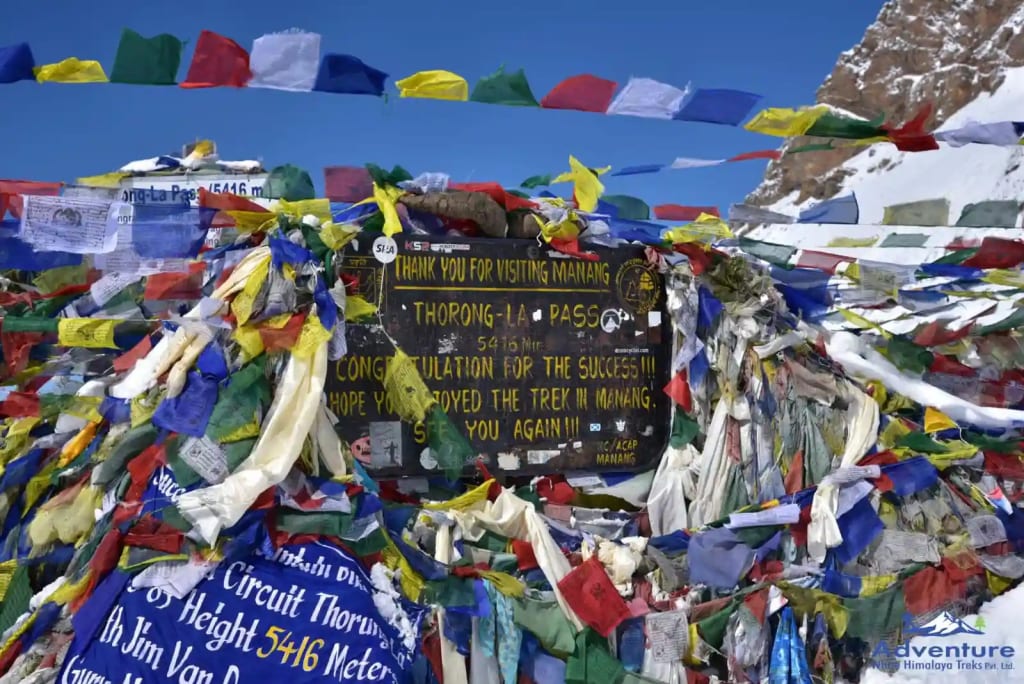
I had never done a trek this long before. At first, I was scared—would I get altitude sickness? Could I handle the cold? Would I even make it to Thorong La Pass (5,416m), the highest point? The first few days were full of doubts. But slowly, the trail helped me relax. I met kind people, ate warm dal bhat every day, and saw the most beautiful sunrises of my life. It wasn’t easy, but it was worth every step.
Route Options
You can start the trek from Besisahar or go a bit higher and begin at Chame if you want to shorten the days. Many people end the trek in Jomsom or Tatopani. Some continue on to Poon Hill or even Annapurna Base Camp. The full circuit gives you forests, deserts, waterfalls, and snow—all in one walk.
Permits You’ll Need
You need two main permits:
TIMS Card (Trekkers' Information Management System)
ACAP Permit (Annapurna Conservation Area Project)
You can get both in Kathmandu or Pokhara. Don’t forget your passport and some photos.
Best Time to Go
The best months are:
March to May (spring) – Clear skies and blooming rhododendrons
September to November (autumn) – Best weather and mountain views
Avoid June to August (monsoon) and December to February (winter) unless you love rain or serious cold.
What to Pack (Keep It Light!)
Warm layers (especially for high altitudes)
Good hiking boots (break them in first!)
Reusable water bottle + purification tablets
Snacks, sunscreen, hat, and a headlamp
Sleeping bag (most teahouses give blankets, but it can get cold)
Tip: You don’t need to pack your entire house. I saw people trekking with tiny daypacks. It’s possible!
Funny Little Things I Didn’t Expect
There are a lot of stairs. Your knees won’t forget.
You’ll crave dal bhat like it’s pizza.
Yaks always have the right of way—respect the fluff.
The Wi-Fi exists... barely. Enjoy the digital detox.
Final Thoughts
The Annapurna Circuit taught me a lot—about the mountains, other people, and myself. It pushed me, inspired me, and gave me memories I’ll never forget. If you’re thinking about it, this is your sign to go. Don’t wait until “someday.”
Lace up, start slow, and keep going. The trail will guide you.
About the Creator
Keep reading
More stories from Kavish Chan and writers in Wander and other communities.
Gokyo Lake Trek Height – My First-Time Adventure Above the Clouds
The Gokyo Lake trek height was something I had only read about before, but standing at Gokyo Ri (5,357 meters), I finally understood the magic of the Himalayas. As a first-time trekker in this region, I felt both nervous and excited. I had heard that the Gokyo Lakes sit at around 4,700 to 5,000 meters, and honestly, I wondered if I could handle the height. But I did it, and it was one of the best moments of my life. According to Nepal Tourism Board, over 20,000 people hike in the Gokyo Valley every year, and now I see why.
By Kavish Chan8 months ago in Wander
A Texas Homecoming
Greetings, Vocal readers and subscribers! Recently, I had the opportunity to visit a familiar place that I haven't been to in almost 15 years. I've expressed my love for my hometown of Arlington, Texas in numerous stories on Vocal. Fow two days, it was my time to do some sight-seeing and nothing more. This long overdue vacation was solely about me, not about visiting family, as I've been estranged from them since 2011. I'll share a collage of pictures from my two-day stay in Arlington throughout this story. Just for reference, I took over 200 photos, so not every one of them will be featured.
By Mark Wesley Pritchard 6 days ago in Wander
Trickle Them Down, But Not Out
The thing about smart people is that they should know better, but alas, intelligence is not the same as wisdom. Not only do the mistakes of experts too short on vision—when they are not corrected—have the potential to do great and far-reaching damage, but they also undermine public confidence in the very notion of expertise. This is particularly so when expertise is wielded in defence of the rich and powerful as a cudgel against those laid low. As an academic, this lack of faith in “so-called experts” is painful to see as it plays out in the spread of dis-/misinformation, conspiracy theories, and anti-intellectualism writ large. But it is also an understandable impulse given the catastrophic failure of an economic ideology pushed by certain economic experts. Supply-side economics has shaped a broken system for the last half-century and has arguably done more to undermine the fabric of the American Dream than any policy framework of the past century.
By Cory Wright-Maley6 days ago in Humans



Comments
There are no comments for this story
Be the first to respond and start the conversation.