
The Compass of No Direction
The first time I left home without a destination, my friends thought I was reckless. “What if you get lost?” they asked. I smiled, because that was exactly the point.
M Mehran
The first time I left home without a destination, my friends thought I was reckless. “What if you get lost?” they asked. I smiled, because that was exactly the point.
I carried only a small backpack: a notebook, a pen, a water bottle, and enough clothes to last a few days. No GPS, no guidebook, no reservations. The world had become too planned, too predictable. I wanted to know what it felt like to let the road itself decide.
The bus dropped me off in a town I couldn’t even pronounce. The station was crowded with people rushing toward somewhere. I, on the other hand, stepped out with no direction. It felt like floating in a river without trying to swim upstream.
I wandered through markets where vendors shouted in a language I didn’t understand. The colors overwhelmed me—spices in pyramids of red, gold, and green; fabrics glowing like captured sunsets. A woman offered me fruit I had never seen before. Its skin was rough, its taste sweet with a hint of something wild. She laughed when I made a face, and in that moment we were friends.
Later that day, I found myself at the edge of the town where hills rolled out like waves frozen in time. I started climbing. The path was uneven, but each step revealed more of the valley: rivers curling like silver threads, villages like toy models in the distance. When I reached the top, the wind roared against my face, as if congratulating me for daring to stand there.
That night I stayed in a guesthouse run by an old couple. Their home smelled of wood smoke and fresh bread. They didn’t speak my language, but kindness doesn’t need translation. We ate together in silence, breaking bread and laughing at gestures. I scribbled in my notebook: The world is full of strangers who feel like family, if only we wander far enough to meet them.
The days blurred after that. Each one became an improvisation. I hitchhiked with farmers on tractors, slept under skies heavy with stars, and followed dirt paths that ended at waterfalls hidden from maps. Sometimes, I walked for hours without meeting a soul. At first, that loneliness stung. But soon, it became a strange sort of companionship. When there’s no one else around, you begin to hear your own thoughts more clearly.
One evening, as I wandered along a coastal road, the ocean spread out before me like a mirror cracked by waves. I met a fisherman repairing his nets. He spoke softly, his words broken by the sea breeze. “The fish don’t always come,” he said, “but the waiting teaches patience.” I thought about that long after I left. Maybe wandering was like fishing—uncertain, but always teaching.
But wandering is not always romantic. There were mornings when my feet ached, when rain soaked through my clothes, when I longed for the comfort of knowing where I would sleep. I missed home-cooked meals. I missed warm showers. Yet, even in discomfort, I felt alive. Because every challenge was proof that I was still moving.
One of the most memorable moments came in a forest where trees arched overhead like cathedral ceilings. Sunlight filtered through leaves, painting the ground in shifting mosaics. I walked until I stumbled on a clearing where a group of travelers had built a fire. They invited me to join. We shared stories that night—tales of love, heartbreak, and dreams. None of us knew if we’d ever meet again, but for those hours, we belonged to the same tribe: the tribe of wanderers.
Eventually, I returned home. My friends asked, “What did you find?” I laughed, because the answer wasn’t something I could pack in a bag or show in a photo. I found that wandering is not about reaching places—it’s about stretching yourself. About learning that the world is bigger than your worries, wider than your fears, and kinder than the news will ever tell you.
Now, I wander even in small ways. I take a different street on my walk home. I try food I can’t pronounce. I let conversations with strangers unfold. Because wandering doesn’t always mean leaving your country; sometimes it just means leaving your comfort zone.
What I’ve learned is this: maps will tell you where to go, but wandering will tell you who you are. And every step into the unknown is a reminder that life is not meant to be traced like a blueprint—it is meant to be lived like an adventure.
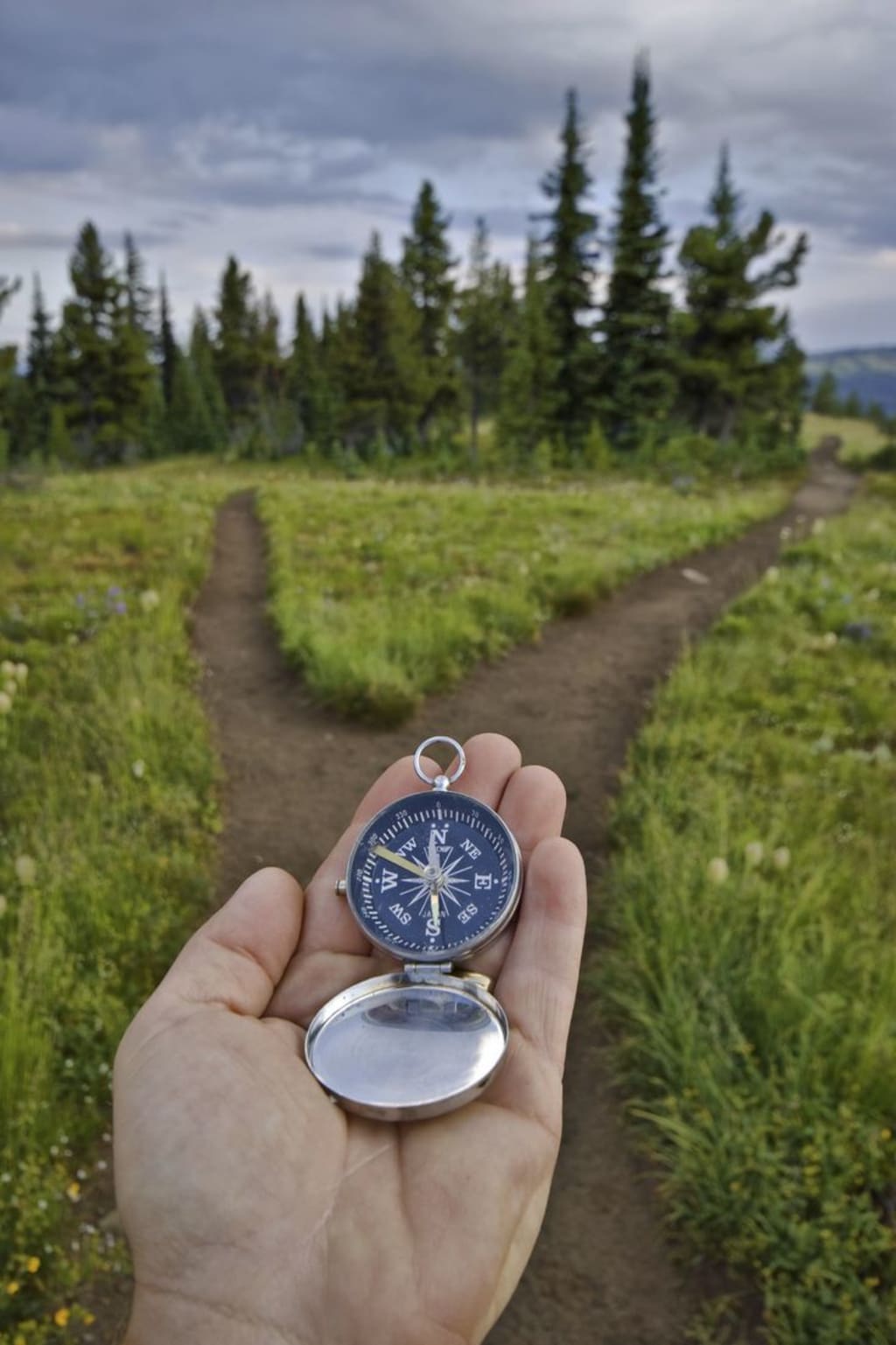
So pack light. Leave the itinerary behind. Let curiosity be your compass, and wonder be your guide. The world is waiting for your footprints in places you’ve never dreamed of.
About the Creator
Keep reading
More stories from Muhammad Mehran and writers in Wander and other communities.
The Call of the Unknown
M Mehran There is a moment, somewhere between the first step away from the familiar and the second step into the unknown, when the heart learns how to beat differently. It is not the fast rhythm of fear, nor the steady pulse of routine. It is something else—a rhythm born of possibility, of roads untaken, of skies uncharted. That moment is the essence of wandering.
By Muhammad Mehran5 months ago in Wander
Signs That You Grew Up in Texas
Greetings, Vocal creators! We're going to talk about arguably the best state in this country. I'm talking about Texas and it's also my home state, in case you didn't know. Nicknamed The Lone Star State, it has over 31 million people as of 2024 and is the second largest in the country. Last year, I wrote a story about the things that I loved about Arlington, which is where I'm originally from and where I grew up. Some notable people from the 28th state include Matthew McConaughey, Nolan Ryan, Matthew Stafford, and Willie Nelson. You can read the full story by clicking the link down below. The following entries are not in any particular order.
By Mark Wesley Pritchard 5 days ago in Wander


Comments
There are no comments for this story
Be the first to respond and start the conversation.