
The 10 Essentials
These tried-and-true items help you stay safe, navigate confidently, and handle the unexpected when you’re far from cell service or comfort.


Hiking pulls you into the heart of the wild—where the air smells sharper, the silence hums, and every step invites you deeper into yourself. Whether you’re just starting out or you’ve logged countless miles, preparation can make or break your time on the trail.
The Ten Essentials are more than a checklist—they’re the difference between a good day and a dangerous one. These tried-and-true items help you stay safe, navigate confidently, and handle the unexpected when you’re far from cell service or comfort.
Here’s what every hiker should carry, no matter the distance or destination.
1. Navigation
Having a reliable map and compass, or a GPS device like your cell phone, is crucial for navigating any trail.
Anyone who’s hiked with me knows that even with a map, I take at least one wrong turn and end up off-trail. I use a AllTrails and download the offline map EVERY. SINGLE. TIME.
Download that map even if you know the area or think there is cell service. If you’re hiking in an area that isn’t online, hit up the Ranger Station for a paper map.
Ensure you are familiar with how to read a map and use a compass to avoid getting lost. Familiarize yourself with the trail, how to read a map, and the area in advance!
2. Sun Protection
Shielding yourself from the sun is 100000% essential to prevent sunburn and minimize the risk of long-term skin damage.
When you’re hiking at a higher elevation, those UV Rays are even stronger and result in a horrific aftermath (trust me).
Carry sunscreen with a high SPF rating, I like to use zinc-based sunscreens with 50 or more SPF. Don’t forget the scalp! With my curly hair and bangs, my hair part is directly exposed for long hours in the sun. As you’ve noticed by now, I am OBSESSED with color block and bright colors. My new favorite piece of gear is the Cotopaxi Tech Bucket Hat.
Aerosol sunscreen comes in handy to protect my scalp when I don’t want to wear a hat, and many sunscreen brands have hair-specific products.
A friend recently showed me sun shirts, and I am obsessed with this one from REI. It has UV 50 sun protection and is breathable, packs small, and is quick-drying too!
Last, but certainly not least, always bring sunglasses to safeguard your eyes from intense sunlight—especially on snowy hikes! You know I am always wearing my pitties, but recently been upping my game with these Oakley shades. They are similar to Vipers but have the same Prizim lenses as my snowboarding goggles.
3. Hydration
Carry an adequate supply of water and bring a water filtration system to replenish your water from natural sources along the trail.
If you’re planning a hike in the desert, consider bringing additional water on top of the recommended amount since there will be no opportunity to refill using a filter.
Remember to replenish salt and electrolytes as well throughout the hike. I typically bring along a few packets of sports powder to mix into my water bottle on longer or extra hot hikes.
If you have an Osprey Backpack or any pack with bladder integration, a reservoir is another way to carry extra water without making your pack too heavy with additional bottles. Mine is the 2.5L Osprey branded one. It’s been going strong for three years and keeps me hydrated on those long-haul hikes without access to water sources.
4. Nutrition
I could write an entire post about just this topic. Fueling your body with nutritious snacks is essential to sustain your energy levels during a hike.
Pack lightweight, high-energy foods such as trail mix, energy bars, and dried fruits. Aim for a balance of carbohydrates, proteins, and healthy fats to fuel your body throughout the journey.
My friend recently introduced me to the world of hard cheeses on hikes, and it truly was a game-changer. Usually, when I am exerting myself, it’s difficult to find anything I actually want to eat. I am working on dialing in my nutrition for longer hikes because, as a vegetarian, it’s challenging.
Just be sure to always carry at least a few snacks every hike.
5. Proper Clothing/Layers
Dressing appropriately for hiking conditions is crucial to your enjoyment and safety. Wear moisture-wicking and breathable clothing to keep your body cool and dry.
For socks, I opt for Darn Tough merino wool hiking socks. Not only does wool excel at regulating temperature and keeping your feet cool and dry, but it also offers incredible cushioning for those long treks. Wool has a natural antimicrobial property, meaning it’s a champion at keeping unpleasant odors at bay, unlike synthetic fabrics that tend to retain smells.
With the right layering system, you can conquer any temperature or weather fluctuations Mother Nature throws.
The temperature and weather change rapidly in the high country—it could be 85 degrees in Denver and snowing in the mountains. Pack a lightweight rain jacket, extra socks, and a warm layer in case of sudden temperature drops or an unexpected overnight.
6. First Aid Kit
Accidents can happen on the trail, so carrying a well-stocked first aid kit is important, even if you think you’ll be fine.
Your kit should include bandages, adhesive tape, antiseptic wipes, pain relievers, blister treatment, and any necessary personal medications.
PS, Familiarize yourself with basic first aid procedures before hitting the trail.
7. Illumination
Hiking into the sunset is dreamy, but stumbling in the dark is not. Always be prepared for unexpected delays or hiking past sunset. Carry a reliable headlamp or flashlight with extra batteries to ensure you have sufficient light in low-light conditions. Never rely on your cell phone’s flashlight because of the variable battery life and the necessity to hold it—a hands-free option like a headlamp is best.
8. Multi-Tool
The Swiss Army Knife’s adventurous cousin, the multi-tool is a versatile essential you should always keep on you.
Look for one with features like a knife, pliers, screwdrivers, and scissors. A multi-tool can assist in gear repairs, first aid procedures, and other essential tasks during your hike.
9. Emergency Shelter
In case of unforeseen circumstances or an unplanned overnight stay, having a lightweight emergency shelter is necessary EVERY. SINGLE. TIME. (are you noticing a theme?)
Options include a compact bivy sack or a lightweight emergency blanket that can provide protection from the elements and help maintain body heat if you’re ever caught overnight.
10. Fire Starter
Always bring along a small box of matches or a lighter. Even on a day hike, you never know what could happen—whether you need warmth overnight because of an emergency or you need to melt a fraying shoelace. It’s a lightweight tool that can potentially save your life.
When backpacking, you sometimes have to work with what you have, and the wood is wet or sparse. Bring along something that will easily ignite. My group brings dryer lint; even a tiny fire starter would work.
With great power comes great responsibility. Fire safety is paramount so please make sure you abide by the rules and regulations of the area you’re exploring, respect fire bans if in effect, and never leave a fire unattended. Remember to fully extinguish it before leaving, using water, and smother the embers by burial.
BONUS ITEMS
🩹 Blister Kit & Foot Care
- Leukotape or moleskin
- A safety pin (for draining if needed)
- Extra pair of socks
- Your feet are your engine—treat them like royalty
💊 Meds & Body Maintenance
- Ibuprofen or other pain relief
- Electrolyte tablets
- Allergy meds (especially in spring)
- Antihistamine cream or hydrocortisone
🧻 Bathroom Kit
- Trowel (for burying waste)
- Wipes or TP in a ziplock
- Menstrual supplies (even if you don’t expect to need them)
- Hand sanitizer
🧢 Sun Protection Beyond
- Lip balm with SPF
- Sun gloves
- Buff or bandana for your neck
- Sunglasses with solid UV protection
- Especially above treeline or in alpine glare.
🔋 Extra Power
- Backup battery pack
- Extra headlamp or flashlight (or just backup batteries)
- Nightfall comes quickly in the wild.
💦 Water Extras
- Collapsible backup bottle or reservoir
- Electrolyte mix for energy and cramp prevention
- Coffee filter or bandana (can pre-filter gunk from water sources)
💳 ID + Cash
- Driver’s license or photo ID
- Small stash of cash (for that unexpected trailhead shuttle, country diner, or karma moment)
🔥 Fire Extras
- Tinder (cotton balls in Vaseline, dryer lint, etc.)
- Stormproof matches
- Because lighters get wet, and cold fingers fumble.
🐻 Area-Dependent Gear
- Bear spray & canister
- GPS beacon (like a Garmin inReach or Zoleo)
- Microspikes or gaiters
- Map of nearby bailout routes or roads
TLDR
Ok first of all, a “too long, didn’t read” section shouldn’t even be a thing.
Here’s the thing: You *need* to know this stuff. And more importantly, you need to carry these 10 simple, lightweight items at all times. But if you’re lazy and didn’t read this whole post, here’s a recap.
Hiking requires more than just a pair of sturdy boots and a sense of adventure. It demands preparation, knowledge, and the right gear EVERY. SINGLE. TIME. Here’s your list:
- Navigation
- Extra/Adequate Hydration
- Extra/Adequate Food
- Extra/Adequate Clothing and Footwear
- Headlamp/Illumination
- Fire Starter
- Emergency Shelter
- Multi-Tool
- First Aid
- Sunscreen, Hat, Sunglasses, and/or sun shirt.
So, before you tie up your hiking boots and head out on your next adventure, take a some time to evaluate your gear and are carrying all these essentials.
Be prepared and be responsible. Embrace the outdoors, respect the wilderness, and leave no trace! Happy trails!
About the Creator
Sendy Mcsendersonn (aka Cass)
Through authentic stories, practical tips, and a commitment to breaking down barriers, my aim is to empower individuals to embrace their own sendy spirit, build a diverse community, and find joy in every step.
Keep reading
More stories from writers in Wander and other communities.
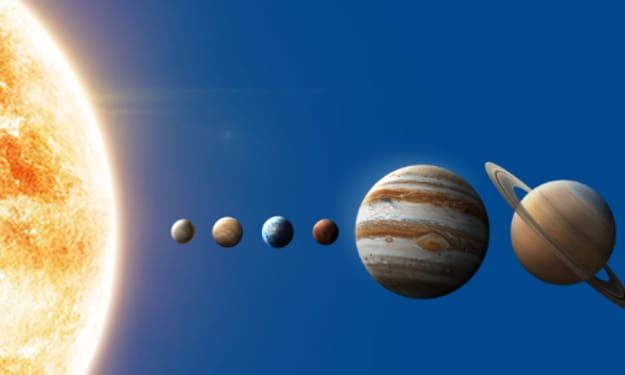
A Planetary Alignment will coincide with Mercury Retrograde
Double phenomena in the heavens Some people say in jest that the planets have aligned in their favor when life works the way they desire. Were you aware that there are seasons when things do line up in the heavens? There will be a planetary alignment AKA a planet parade, on February 28, 2026.
By Cheryl E Preston5 days ago in FYI



Comments
There are no comments for this story
Be the first to respond and start the conversation.