
Tarsar Marsar Trek: Chasing Reflections in Kashmir’s Alpine Wilderness
When I first set foot on the trail to Tarsar and Marsar Lakes, I thought I was signing up for a standard Himalayan adventure. But as the days passed—walking through emerald meadows.
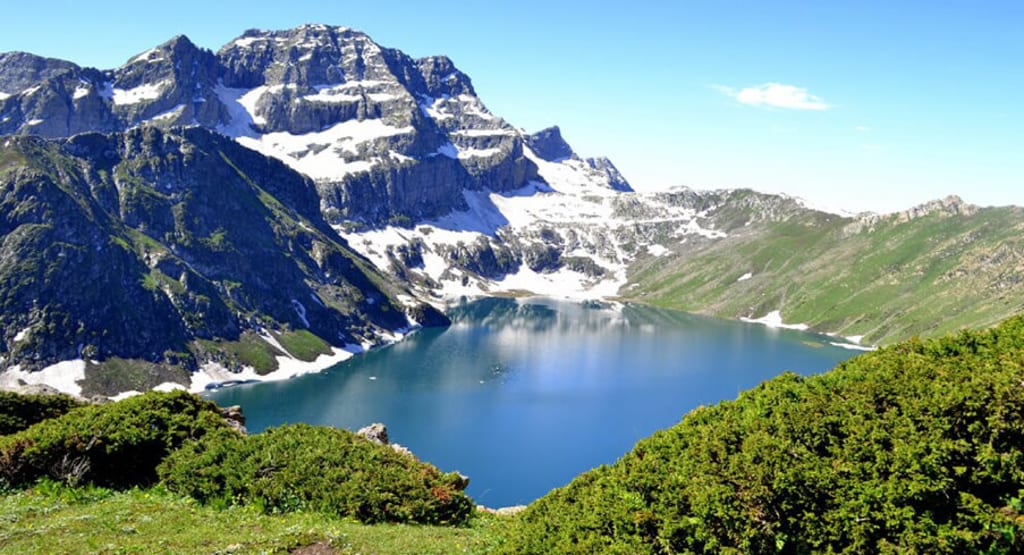
There are treks that challenge your body, and then there are treks that touch your soul. When I first set foot on the trail to Tarsar and Marsar Lakes, I thought I was signing up for a standard Himalayan adventure. But as the days passed—walking through emerald meadows, camping beside crystalline lakes, and waking up under a canopy of stars—I realized this journey was something more: an odyssey of discovery, wonder, and quiet transformation.
Setting the Stage: Arrival in Aru and Pahalgam’s Green Valleys
My trek began in the quaint village of Aru, a short drive from the better-known Pahalgam in Kashmir. As our jeep wound its way along the Lidder River, I watched emerald forests give way to rolling meadows dotted with wildflowers. Arriving in Aru by mid-afternoon, I felt the excitement—and the nerves—of what lay ahead.
We spent our first night at a cozy homestay in Aru, enjoying piping-hot kahwa (Kashmiri green tea) and local cuisine—yakhni (a mild yogurt-based curry) with steamed rice. Our guide briefed us on the trek’s highlights: two mirror-like alpine lakes, high mountain passes, and stretches of untouched wilderness. As I drifted to sleep in my tent, the distant gurgle of the Lidder River lulled me into a dream of the days to come.
Aru to Lidderwat: First Steps into the Heart of the Wild
On day one, we left Aru’s gentle pastures behind and headed toward Lidderwat, our first campsite, about 10 km away. The trail began with a gentle ascent through dense pine and fir forests, the path soft beneath our boots from fallen needles. Every now and then, shafts of sunlight broke through the canopy, spotlighting ferns and moss-covered boulders.
As we climbed higher, the forest opened up to reveal a meadow where the Lidder River flowed clear and cold. We paused here for lunch, dipping our water bottles into the stream and feeling the chill bite our fingers. The final stretch to Lidderwat skirted the riverbank, offering glimpses of hidden waterfalls and deep pools. Arriving at camp, we pitched our tents on a grassy knoll with the river murmuring beside us. That night, the Milky Way spilled overhead, reminding me just how vast and wild this world truly is.
Crossing the Meadows: Lidderwat to Tarsar Lake
Day two was all about alpine meadows and rocky climbs. We left Lidderwat early, trading forests for open grasslands awash in wildflowers—blue poppies, pink primulas, and the delicate white of anemones. The trail undulated gently until we reached a moraine field, where patches of late-season snow still lingered.
After crossing the moraine, we descended into a hidden valley where Tarsar Lake suddenly appeared, its turquoise waters framed by rugged peaks. I’ll never forget that first glimpse: the lake was so still it looked like glass, reflecting the mountains like a perfect mirror. We set up camp on its sandy shore, and I spent hours wandering the banks, skimming stones, and marveling at the clarity of the water. As dusk fell, the mountains glowed pink, and the lake turned into a sheet of molten copper—nature’s own farewell performance.
Tarsar to Marsar: The High Pass and Twin Lakes
On day three, we left Tarsar behind and aimed for its sister, Marsar Lake, via the Sky Pass at roughly 13,600 ft. The climb to the pass was steep and rocky, but the panorama that greeted us at the top was worth every drop of sweat. To the north lay the vast, barren slopes of the Lidder Valley; to the south, emerald meadows sloping down to Tarsar.
The descent into the Marsar basin was a lesson in contrasts: rocky scree gave way to lush grasslands, and the air grew cooler as we approached the second lake. Marsar is smaller and more secluded than Tarsar, its waters a deeper blue. We camped on a gentle rise overlooking the lake, surrounded by the silent grandeur of the Himalayas. That night, I lay awake listening to the wind whisper through the tent fabric, feeling utterly alive.
Marsar to Shekwas: Descending Through Flower-Carpeted Valleys
Our final trekking day led us from Marsar back toward civilization via Shekwas, a meadow village known for its seasonal flower blooms. The trail dropped steadily, and the air warmed as we passed through carpets of blue, purple, and yellow wildflowers. We crossed streams fed by the twin lakes, pausing to refill our bottles and splash cold water on our faces.
Shekwas itself felt like a storybook village—wooden huts with stone roofs, grazing horses, and fields ablaze with color. We said goodbye to our guide and porters here, where jeeps awaited to carry us back to Pahalgam. As the vehicle rattled down the dirt road, I gazed back at the peaks disappearing into the distance, feeling both a tinge of sadness and a surge of gratitude for what I’d experienced.
Planning Your Tarsar Marsar Trek: Tips and Essentials
If you’re ready to follow in my footsteps, here are some key pointers:
Best Time to Trek: Late June to early September. Before June, snow can block passes; after September, early snowfall may begin.
Duration: 6–7 days (including acclimatization and approach).
Permits: Required from the Jammu & Kashmir tourism office in Srinagar or Pahalgam.
Fitness Level: Moderate to high. Daily distances of 10–12 km with significant elevation gain.
Gear Essentials:
Waterproof trekking boots and gaiters
Layered clothing (thermal base, fleece mid-layer, waterproof shell)
Warm sleeping bag rated to –10 °C
Trekking poles, headlamp, sunglasses, and sunscreen
Water purification tablets and high-energy snacks
Local Support: Hiring a licensed guide and porter not only enhances safety but also enriches your experience with local knowledge and stories.
Respect Nature: Practice Leave No Trace—carry out all your trash, avoid disturbing wildlife, and stick to established trails.
Final Thoughts: More Than Just a Trek
The Tarsar Marsar Trek isn’t merely a sequence of campsites and elevation gains—it’s a passage through some of the most untouched alpine landscapes in India. It’s about quiet mornings beside glassy lakes, the thrill of conquering high passes, and the simple joy of a hot meal after a long day’s hike. By the end, you’ll return home not just with photos, but with a renewed sense of wonder, resilience, and connection to the natural world. If your heart is calling for a Himalayan adventure that blends serenity with challenge, let Tarsar and Marsar be your answer.
About the Creator
Rohit SEN
Hey! Come along with me to explore beautiful places, learn about different cultures, and share my adventures. Let's Explore together! From a travel lover!
Worth the Wait: Puerto Viejo, Costa Rica
Beach bumming in a small Caribbean beach town sounded like a perfect way to end our 6-month trip through Mexico and Central America. Or so we thought. The foul, fishy stench of rotten seaweed hit our nostrils as we stepped from the cramped bus and looked out at a rather depressing, empty, and underwhelming black sand beach. It was pouring with rain, and we had to quickly fish out our ponchos. We thought, this couldn’t be it, could it?
By Sh*t Happens - Lost Girl Travel10 days ago in Wander
Langtang Valley Trek: The Complete Guide to Nepal's Hidden Himalayan Gem
If you are searching for a trek that combines breathtaking mountain scenery, rich Tamang culture, and an off-the-beaten-path adventure the Langtang Valley Trek is your answer. Nestled just 50 kilometers north of Kathmandu, Langtang is one of Nepal's most accessible and rewarding trekking destinations. Often overshadowed by the fame of Everest Base Camp and the Annapurna Circuit, this Himalayan trek offers an equally spectacular experience without the crowds. Whether you are a first-time trekker or a seasoned adventurer, the Langtang Valley Trek promises soaring peaks, dense rhododendron forests, ancient monasteries, and warm hospitality that will stay with you long after you return home.
By RP Adventures4 days ago in Wander


Comments
There are no comments for this story
Be the first to respond and start the conversation.