
Tarsar Marsar Trek: A Himalayan Paradise
Experience the breathtaking Tarsar Marsar Trek, a journey through Kashmir’s alpine meadows, crystal-clear lakes, and breathtaking landscapes. Perfect for trekking enthusiasts!
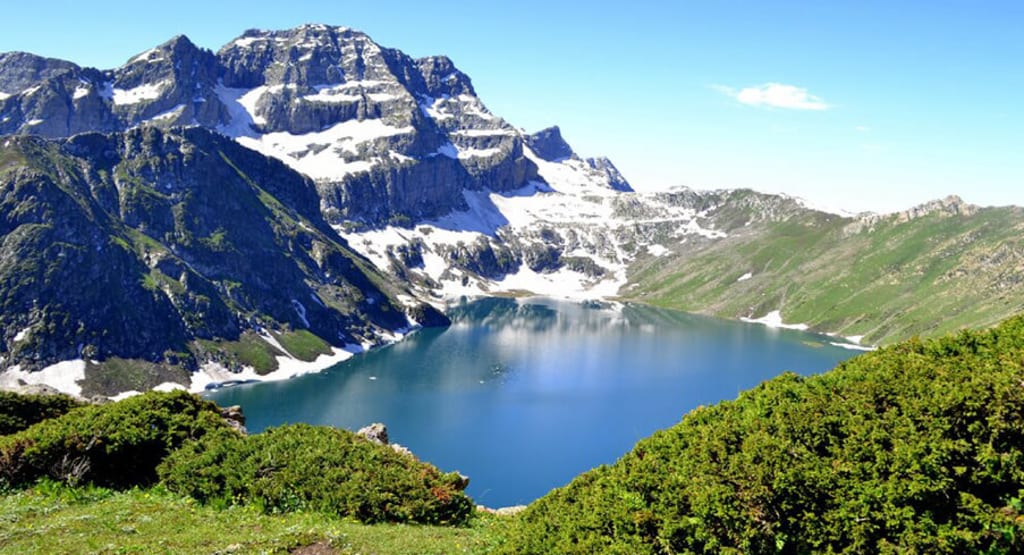
Imagine trekking through lush green meadows, surrounded by towering mountains, and camping beside mesmerizing alpine lakes. Sounds like a dream? That’s exactly what the Tarsar Marsar Trek in Kashmir offers. Known for its twin lakes, Tarsar and Marsar, this trek is a hidden gem for adventure lovers. If you seek peace, beauty, and thrill, this trek is a must!
Overview of Tarsar Marsar Trek
The Tarsar Marsar Trek takes you through the breathtaking alpine landscapes of Kashmir Valley. The trek starts from Aru Valley, near Pahalgam, and covers stunning meadows, rivers, and the famous Tarsar and Marsar Lakes at an altitude of 13,500 ft.
Why Choose Tarsar Marsar Trek?
Scenic Beauty: Walk through lush green meadows, pine forests, and crystal-clear lakes.
Moderate Difficulty: Suitable for both beginners and experienced trekkers.
Less Crowded: Unlike Kashmir Great Lakes, this trek offers solitude and tranquility.
Unique Twin Lakes: Tarsar and Marsar, two mystical lakes with a unique aura.
Best Time to Visit
The best time for the Tarsar Marsar Trek is between June and September when:
Snow has melted, making trails accessible.
The meadows are in full bloom.
The weather is pleasant, with occasional rain showers.
Difficulty Level and Preparation
The trek is moderate and requires basic fitness. Preparation tips:
Cardio Workouts: Running and swimming improve stamina.
Strength Training: Helps with steep ascents.
Acclimatization: Spend a day in Pahalgam before starting.
Route and Itinerary
Day 1: Srinagar to Aru Valley
Drive from Srinagar to Aru Valley (7,950 ft)
Overnight stay in Aru
Day 2: Aru to Lidderwat
Trek through pine forests and meadows
Camp at Lidderwat (9,150 ft)
Day 3: Lidderwat to Shekwas
Gradual ascent through alpine landscapes
Camp at Shekwas (11,000 ft)
Day 4: Shekwas to Tarsar Lake
Trek to Tarsar Lake (12,500 ft)
Camp beside the lake
Day 5: Tarsar to Sundarsar
Cross Tarsar Pass to Sundarsar (13,000 ft)
Stunning views of the surrounding peaks
Day 6: Marsar Lake Visit and Return
Early morning trek to Marsar Lake (13,500 ft)
Return to Homwas for an overnight stay
Day 7: Homwas to Aru Valley
Descend to Aru Valley and drive back to Srinagar
Essential Permits and Guidelines
Obtain a permit from local authorities in Pahalgam.
Follow eco-friendly trekking guidelines to preserve nature.
Scenic Highlights Along the Trail
Tarsar and Marsar Lakes with crystal-clear water.
Verdant meadows and alpine flowers.
Snow-capped mountains and breathtaking sunsets.
Wildlife and Flora
Expect to see Himalayan Brown Bears, Musk Deer, and Golden Eagles. The region is rich in pine forests, rhododendrons, and wildflowers.
Packing List for the Trek
Trekking shoes with good grip
Warm clothing and rain gear
Sleeping bag and trekking pole
Essential medicines and sunscreen
Accommodation and Food Options
Camping is the only option on the trail.
Simple meals provided by trek operators.
Weather Conditions to Expect
June-July: Cool temperatures, lush meadows.
August-September: Clear skies and great visibility.
How to Reach Tarsar Marsar Trek
By Air: Fly to Srinagar Airport.
By Road: Drive to Aru Valley from Srinagar (4-5 hrs).
Safety Tips and Trekking Ethics
Follow Leave No Trace principles.
Avoid trekking alone for safety.
Alternative Treks Near Tarsar Marsar
Kashmir Great Lakes Trek – More challenging and scenic.
Tulian Lake Trek – Shorter and equally mesmerizing.
Final Thoughts
The Tarsar Marsar Trek is a once-in-a-lifetime experience filled with breathtaking landscapes and adventure. Whether you’re a seasoned trekker or a first-timer, this trek promises an unforgettable journey!
FAQs
1. Is Tarsar Marsar Trek difficult?
The trek is moderate, making it suitable for beginners with some fitness preparation.
2. Do I need a guide for the trek?
Hiring a guide is recommended for navigation and safety.
3. Can I do the trek in winter?
No, the trek is accessible only from June to September due to heavy snowfall.
4. How much does the trek cost?
The cost ranges between ₹10,000 - ₹18,000 depending on the trek operator.
5. Is there mobile network connectivity?
Network coverage is weak after Aru Valley, so inform your family beforehand.
About the Creator
Rohit SEN
Hey! Come along with me to explore beautiful places, learn about different cultures, and share my adventures. Let's Explore together! From a travel lover!
Worth the Wait: Puerto Viejo, Costa Rica
Beach bumming in a small Caribbean beach town sounded like a perfect way to end our 6-month trip through Mexico and Central America. Or so we thought. The foul, fishy stench of rotten seaweed hit our nostrils as we stepped from the cramped bus and looked out at a rather depressing, empty, and underwhelming black sand beach. It was pouring with rain, and we had to quickly fish out our ponchos. We thought, this couldn’t be it, could it?
By Sh*t Happens - Lost Girl Travel5 days ago in Wander
Watching The Total Lunar Eclipse and Blood Moon...March 3rd 2026.
By a stroke of good luck - I just happened to be in Colorado to watch (or squint) at the 2026 Lunar Eclipse in the wee hours of the morning. It was freezing cold, but who can resist the beautiful Rocky Mountain peaks as the antics in the sky compete with dawn. The advent of morning grudgingly pausing in its beginning of yawning awake.
By Novel Allen2 days ago in Wander



Comments
There are no comments for this story
Be the first to respond and start the conversation.