
Taking a Look at Rhode Island
Sightseeing in the US state

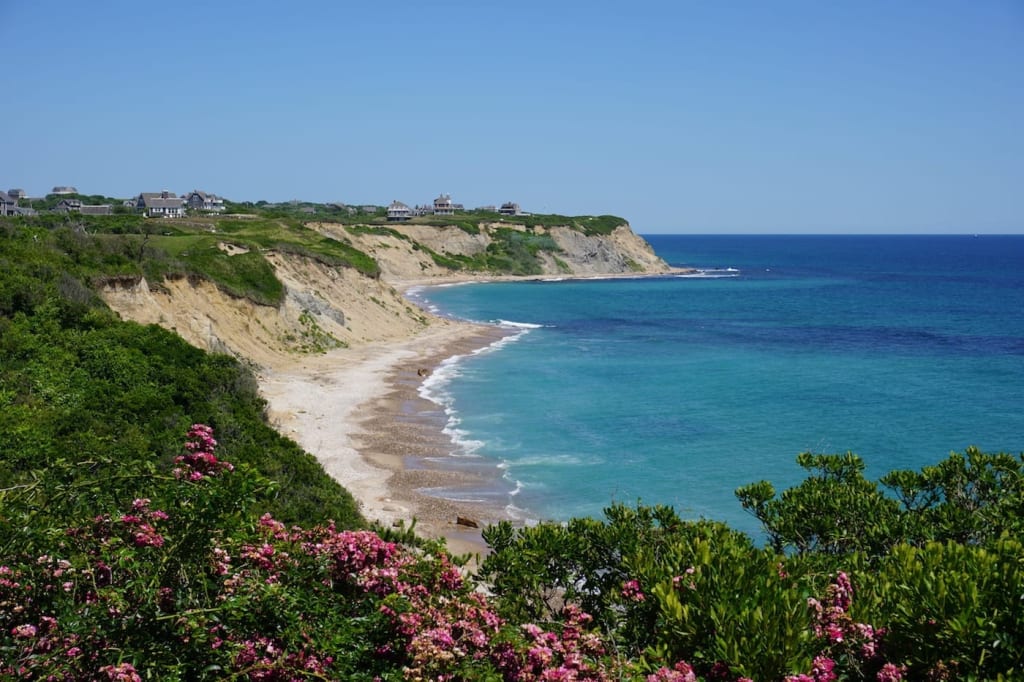
Block Island is located ten miles offshore and can be reached by ferry from Point Judith, on the south coast. Here you can find lodging and dining. You can walk to several beaches or go biking.
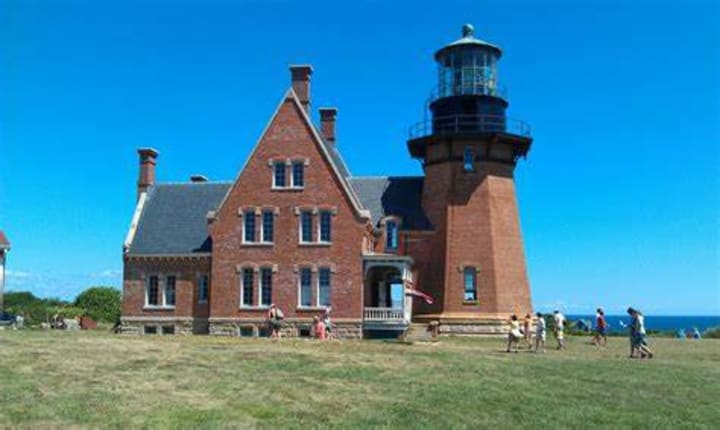
Take a look at the Victorian Southeast Lighthouse.

Mohegan Bluffs is a three-mile stretch of coastal cliffs with a dramatic 200-foot drop into the ocean. At the foot of them, you’ll find a lovely beach but first, you must walk down 151 steps.
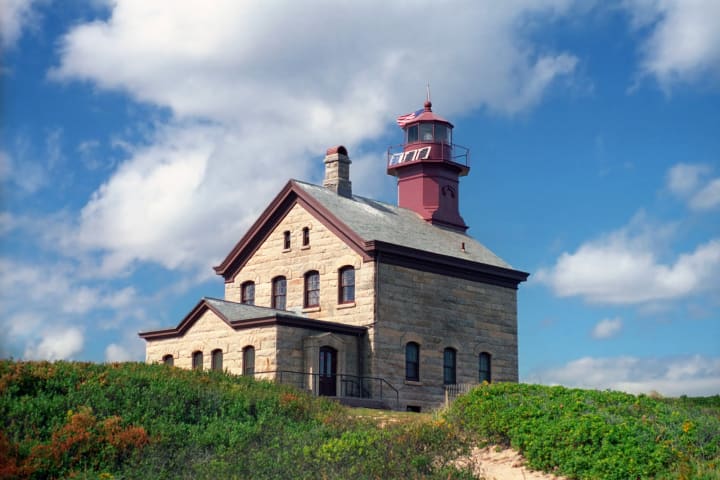
At the northern tip of the island is the 1867 North Lighthouse and an interpretive center. The island is popular with birders and miles of trails crisscross it. There are over 150 species that stop here in the fall.
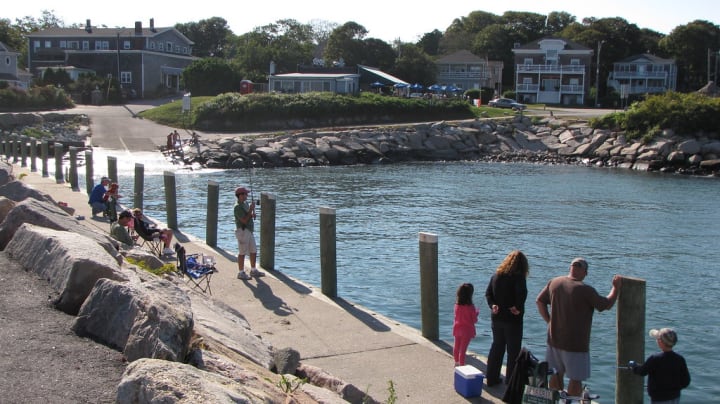
At the towns of Narragansett and South Kingston, you’ll find a string of public beaches along Narragansett Bay. All of the beaches like Narragansett Town Beach have facilities for changing and parking. From this beach, you can walk to the old beach resort town of Narragansett Pier where there is lodging and restaurants. The beaches that face onto Long Island Sound can have heavier surf.
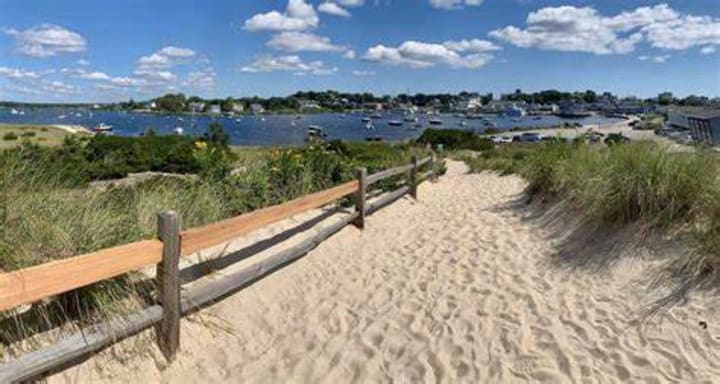
Watch Hill is a wonderful old-fashioned resort town with a great beach, a lighthouse, and a historic carousel.
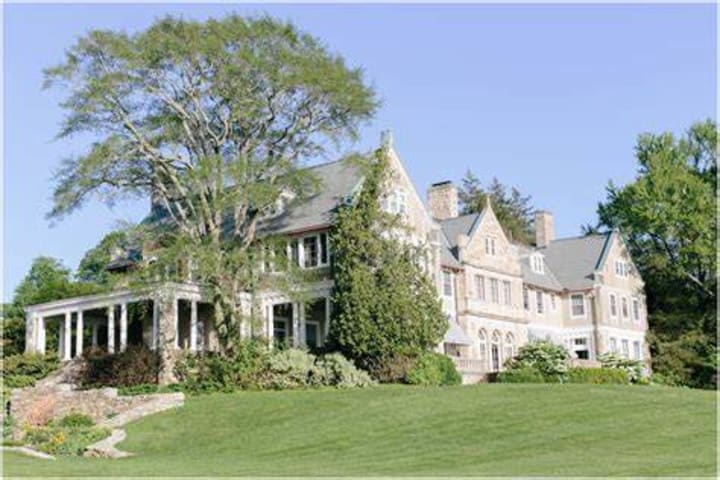
Blithewold is a 17th-century English country manor house that overlooks Narragansett Bay. It was built in 1908 for Augustus Van Wickle. There are 45 rooms furnished as when the family lived here and decorated with many fine pieces like Baccarat crystal. Large windows face the water and overlook 33 acres of gardens. There are New England gardens that are open to the public. There is a water garden, an enclosed garden, display gardens, a rock garden, and a rose garden. There are over 500 different kinds of trees, shrubs, and plants including the largest giant sequoia on the east coast and a bamboo grove.
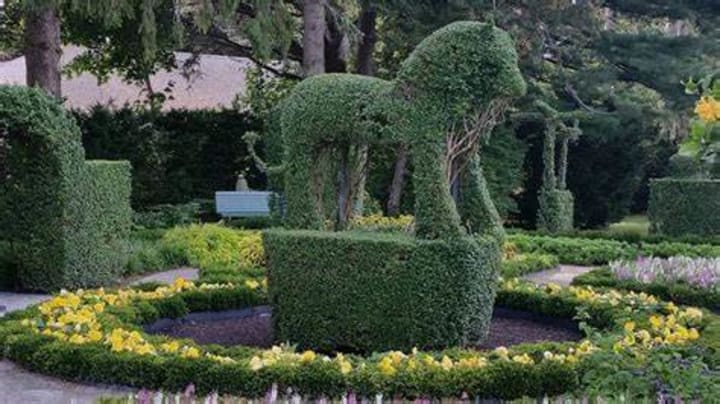
Green Animals Topiary Garden is America’s oldest and northernmost topiary garden. The 7-acre estate sits on the edge of Narragansett Bay. There are lovely sculptures created from greenery. You can see such imaginary figures as unicorns, elephants, camels, and giraffes. There are also lovely flowers and ponds as well as over 60 topiary trees that have been carved into elaborate geometric shapes that visitors can see as they walk along the winding paths. You can enjoy a picnic at one of the tables. The best time to visit is in late May/June.
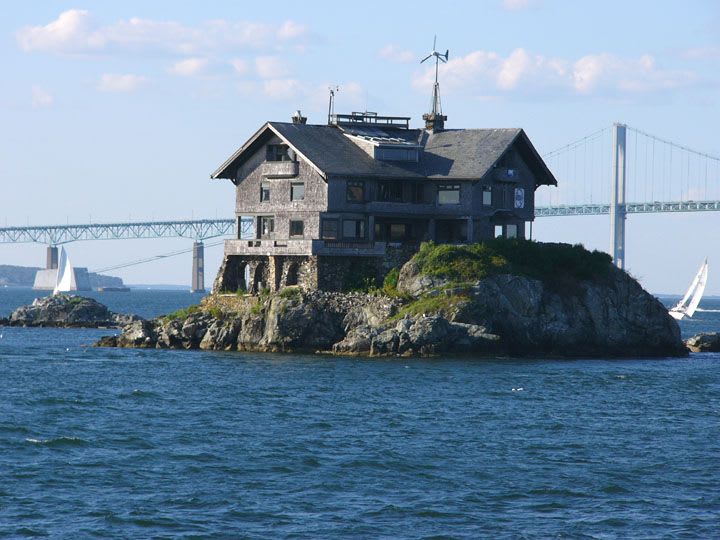
Clingstone House is a 105-year-old Rhode Island summerhouse sitting on top of a rocky island surrounded by Narragansett Bay. The house was built to withstand powerful hurricane-strength winds that could blow in from the Atlantic Ocean. The house has gotten a 21st-century makeover. Today solar panels heat all the water for the mansion and a wind turbine provides power. The house also has a seawater filtration system and rain cistern. Visitors can view the house from the shore.
Rhode Island Off the Beaten Path
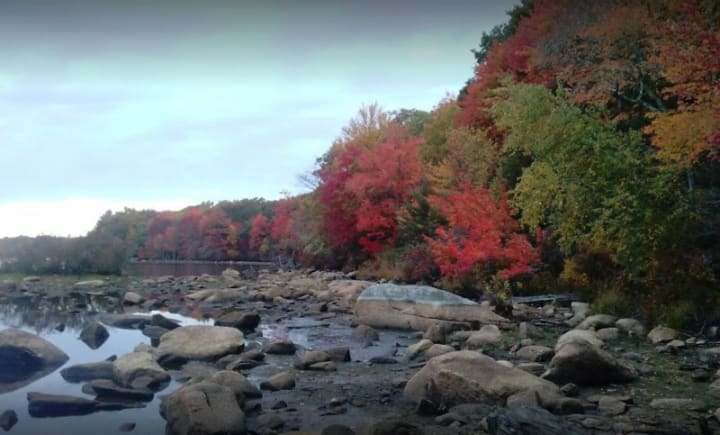
George Washington State Campground and Management Area is located in Chepachet. The land for the camping area in the 3,489-acre park was donated to the state in 1933 to honor the bicentennial of the first president of the U.S. which was observed the previous year.
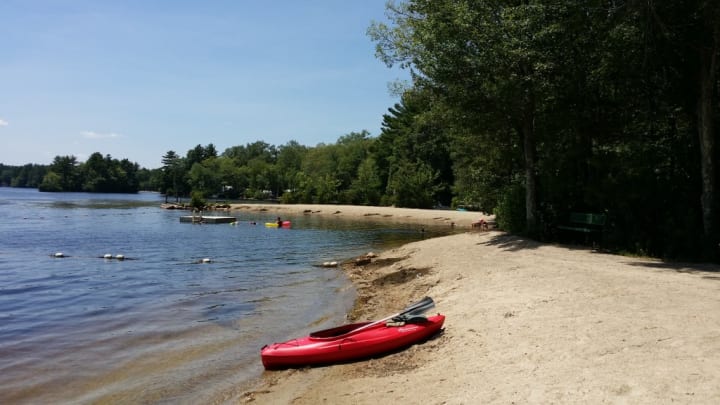
Near the tip of Bowdish Lake are 55 campsites. There is a sandy beach for swimmers and fishermen may catch largemouth bass, yellow perch, and pickerel. A launching pad may be used by boats with motors under 10 horsepower.
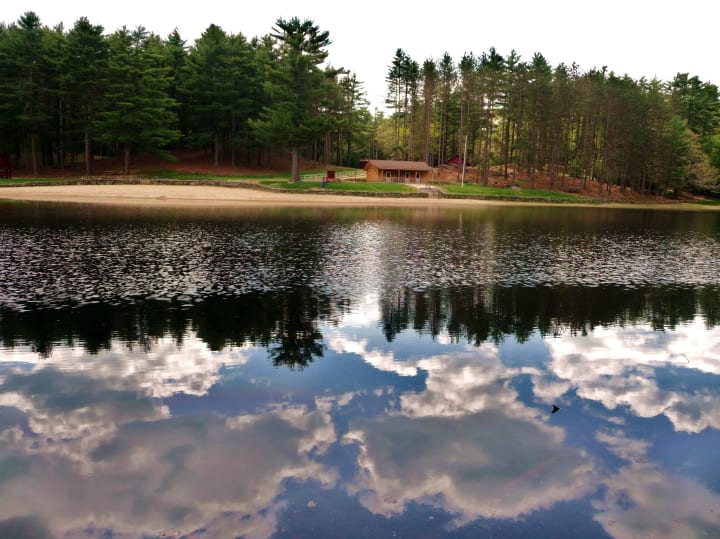
The picnic area which is on Peck’s Pond also has a sandy beach and a supervised swimming area. The pond itself is stocked with trout.
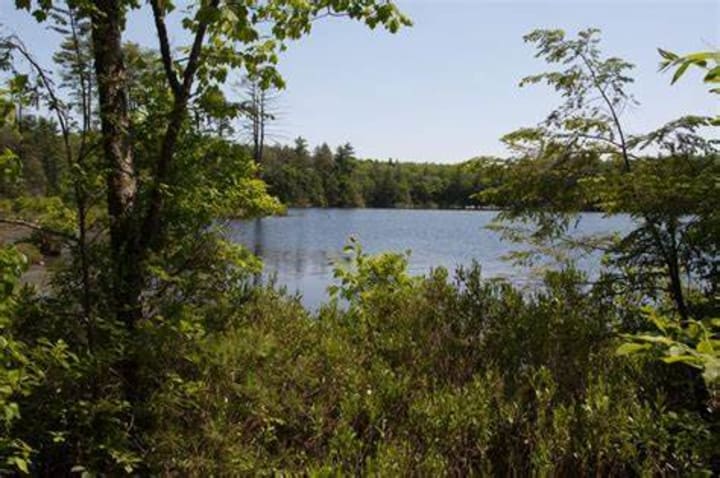
The more remote areas of the forest can be accessed by the Walkabout Trail which is an easy 8-mile loop with several cutoffs allowing for shorter hikes. This trail was built in 1965 with the help of Australian sailors and takes its name from the traditional wanderings of Australian aborigines. One of the best seasons here is winter. One can go snowmobiling and the area around Peck Pond has four trails for cross-country skiing. Ice fishing is popular as well. A warming house is maintained for relief from the cold.
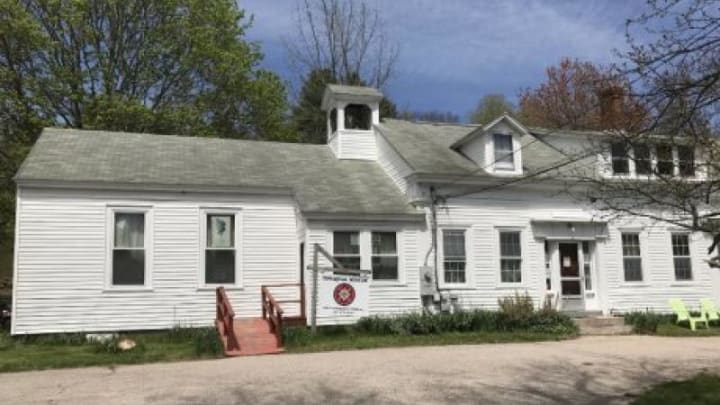
Tomaquag Indian Memorial Museum in Arcadia Village is situated amid the Arcadia Management Area. The museum is a small, cedar-shingled building that houses several cabinets containing Indian artifacts from various North American tribes. In addition to stone tools and leather strap work by the Plains Indians, weaving by the Navajos, and baskets by the northwestern tribes this collection also features ash splint basketwork of the Mohegans, Scaticooks, and local Narragansetts. Tomaquag is the Narragansett word for beaver.
This museum serves as a focal point for four annual festivals of thanksgiving associated with the harvesting of important crops: maple sugar in March, strawberries in June, string beans in July and cranberries in October. The Nickomo Festival is celebrated in early December with the exchange of gifts. These gatherings offer feasting on the seasonal food. Indian dances are led by local Narragansetts and visitors are encouraged to participate.
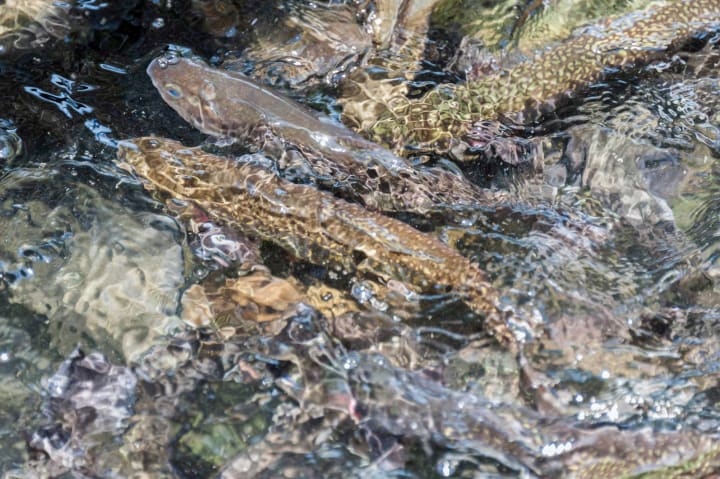
Lafayette State Trout Hatchery in Lafayette is also known as the Goose Nest Spring Hatchery. It was founded in 1922 and is one of the oldest hatcheries in the country. It consists of a large spring-fed pond, a raceway about half a mile long, and buildings in which tanks containing fingerling trout may be seen. The hatchery has a capacity of about a million trout and helps to stock the streams of Rhode Island for the enjoyment of an estimated 40,000 fishermen. Since the fish are accustomed to being fed by humans they boil to the surface when anyone approaches the edge of the tree-shaded dark green pond. Green netting and wire cover the pond and raceway to discourage depredation by herons.
Each section of the raceway contains hundreds of trout of approximately the same size to minimize their cannibalistic behavior. In October of 2005, a newly built hatch house was opened. The 3,500 square-foot wood and fiber cement-sided building includes a public viewing area from the lobby. It also houses an office and conference room which can be used for educational programs and has storage space for staff.
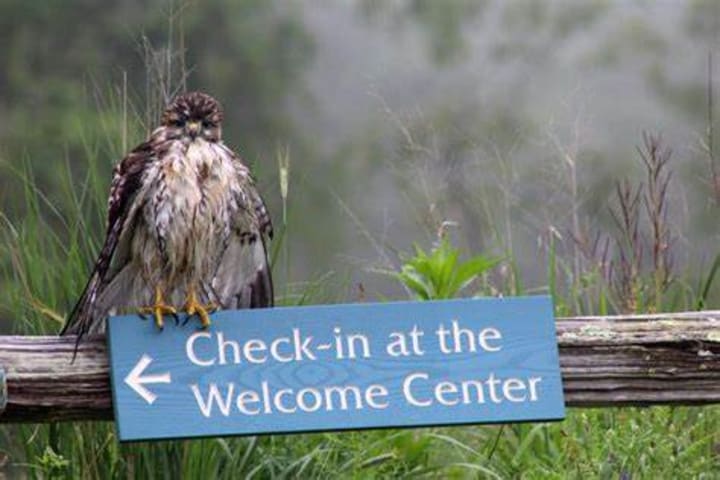
Norman Bird Sanctuary is in Middletown. George Norman, a late 19th-century Newport merchant, made a fortune in waterworks and utilities. In 1949 his daughter donated the land for the sanctuary.
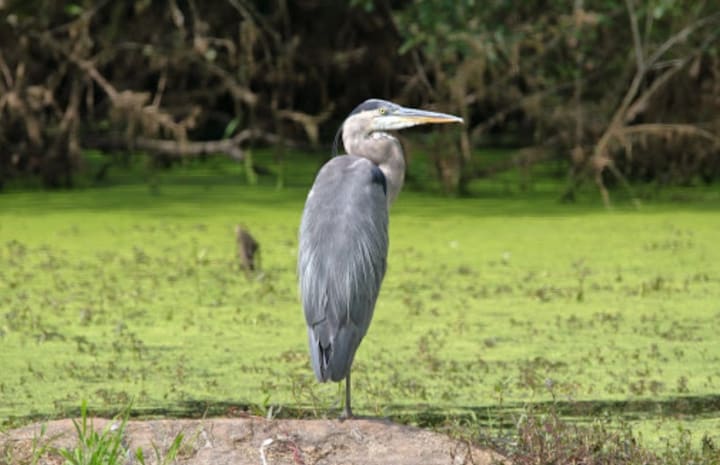
Eleven trails lead through the 450-acre site. The landscape includes virtually every terrain found in New England from lofty crags to meadows, woodland, dense thickets, freshwater swamps, and ponds. Each trail has its special appeal which may include sightings of woodcock, green-backed herons, great blue herons, snowy owls, and other less common birds. Red foxes may also be seen lurking about. A legend remains that the veins of quartz in the rocks along the Indian Rock Trail were a source of stone for the Narragansett Indian arrowheads.
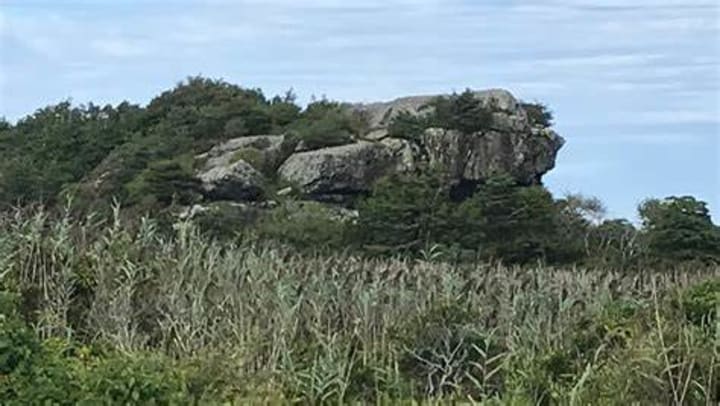
Hanging Rock stands beside a large pond. It is believed that some criminals were once hanged here. The curious conglomerate structure with its overhang rises 70 feet above sea level and provides fine views. The sanctuary has a shop where one can purchase bird-feeding supplies. In the outbuildings, birds are brought in to recover from injuries, are cared for, and may often be observed.
About the Creator
Rasma Raisters
My passions are writing and creating poetry. I write for several sites online and have four themed blogs on Wordpress. Please follow me on Twitter.
Keep reading
More stories from Rasma Raisters and writers in Wander and other communities.
Amazing Newport
The state of Rhode Island is one of the New England states. It is known for its beaches and shoreline and is home to several large cities. Newport is a city on Aquidneck Island. It is the place for the well-known annual sail regatta the America's Cup.
By Rasma Raistersabout a year ago in Wander
Moonlight and Marble: My Unforgettable Journey to the Taj Mahal
How Visiting the Taj Mahal Turned My Trip Into a Romantic Adventure Through India’s Most Iconic Monument --- There are places in the world that don’t just look beautiful—they feel like a dream. The Taj Mahal is one of those places.
By Ahmed aldeabellaabout 17 hours ago in Wander
Hotels vs. Riads in Morocco for Families
Before our first family trip to Morocco, I didn’t fully understand the difference between riads and hotels. I’d heard the words riad, kasbah, riad but wasn’t sure what made them unique. As a mom, I cared most about one thing: what’s actually better for my kids?
By Ariel Cohen3 days ago in Wander


Comments (1)
This place is so beautiful. I especially loved the topiary garden!