new zealand
If you've seen the Lord of the Rings films, you already know why New Zealand is at the top of most travelers' must-see lists.
TOP 10 TOURIST SPOTS IN THE MALDIVS.
Top 10 tourist spots in the Maldives. The Maldives, a piece of heaven in the heart of the Indian Ocean. This island nation is extremely popular with tourists worldwide for its stunning beaches, blue waters, luxurious resorts, and thrilling water sports. Composed of numerous small islands, the country is famous for its natural beauty and hospitality. There are many fascinating places in the Maldives that will make your trip even more memorable. Below is a detailed discussion of the top 10 tourist spots in the Maldives:
By MD Mehedi Hasan fans of Alam Sir.10 months ago in Wander
MY TRAVEL IN DUBAI 2025
The Dubai travel story Dubai, A Story of a Trip to a Dazzling City in the United Arab Emirates astonishing oasis in the heart of the desert. This city is an extraordinary blend of soaring skyscrapers, a luxurious lifestyle, and a rich cultural heritage. Every moment of my Dubai trip felt like the unveiling of a new horizon.
By MD Mehedi Hasan fans of Alam Sir.10 months ago in Wander
Top 5 Tourist Spots in Dubai
Top 5 Tourist Spots in Dubai Dubai, a dazzling city in the United Arab Emirates, is known worldwide for its extraordinary blend of modern architecture, luxurious lifestyle, and traditional culture. This metropolis, which has risen from the desert, attracts millions of tourists every year. From towering skyscrapers and artificial islands to vast shopping malls and historical sites – Dubai has something for everyone. Below is a detailed discussion of five major attractions in Dubai.
By MD Mehedi Hasan fans of Alam Sir.10 months ago in Wander
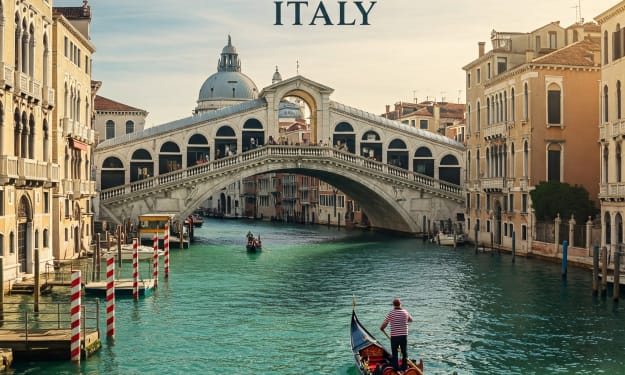
Enchanting Boat Trips in Italy
Enchanting Boat Trips in Italy: Drifting in the lap of nature. Italy, a dreamlike country, is world-renowned for its historical architecture, art, stunning natural landscapes, and delicious cuisine. However, Italy's beauty is not limited to its landmass. Its long coastline, numerous lakes, rivers, and canals have created an extraordinary tapestry of nature, which can be best enjoyed through boat trips. This experience of drifting in the lap of nature is both adventurous and serene.
By MD Mehedi Hasan fans of Alam Sir.10 months ago in Wander
Italy Travel: Top 5 Must-visit Destinations
Italy Travel: Top 5 Must-visit Destinations That Will Capture Your Heart Italy, a dreamlike country! It's a magnificent meeting point of history, culture, art, and natural beauty. Just setting foot here feels like entering a fairytale realm. Tourists flock here throughout the year. However, Italy is so vast and beautiful that many find themselves in a dilemma about where to go. So today, I bring you a blog about the top 5 must-visit destinations in Italy, which will help you plan your Italian adventure.
By MD Mehedi Hasan fans of Alam Sir.10 months ago in Wander
AI-Powered Entrepreneurship: Leveraging Machine Learning for Online Profits
Artificial intelligence is no longer the realm of science fiction—by 2025, it has become a cornerstone for digital entrepreneurs seeking to optimize online profits. The integration of machine learning and AI algorithms into daily business operations is transforming the way entrepreneurs approach content creation, market research, and customer engagement. In this article, we explore the exciting world of AI-powered entrepreneurship, offering real-life examples of businesses that have scaled their operations using AI, and providing actionable insights for those looking to harness these cutting-edge technologies.
By Mysteries with Professor Jahani11 months ago in Wander