
Sydney Through the Years: A Timeline
Want to know more about Sydney’s historical significance? Here is a timeline that traces the important milestones in the city’s history.
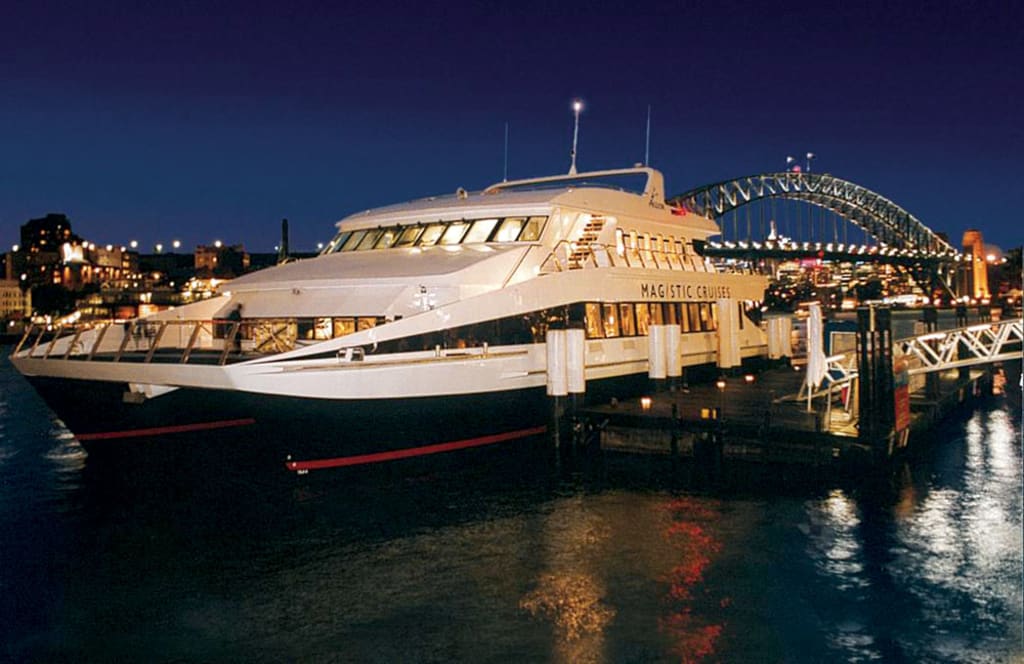
Australia’s most popular city, Sydney, is a mysterious land that is known for its abundant natural and man-made wealth. Agreed! But ever thought of what the place looked like before the English arrived on the land? While today the city is known for its splendorous harbour studded with yachts, the Port Jackson cruises, beaches and the iconic Harbour Bridge and the Opera House, Sydney was merely a British colony of exiled convicts. A sneak-peek into its past reveals an intriguing trail of events that moulded Sydney into the city that we see today.
Most of us look at Sydney from our ivory thrones and it's easy to miss out on facts that contributed to the city’s current status quo. An inclusive historical narrative of Sydney will inevitably feature the early inhabitants or the Australian Aboriginals who’ve been on the land since 60,000 B.C. I’ve been traversing the length and breadth of Australia over the past few years and I’ve had many wonderful experiences—snorkelling on the Whitsundays, whale watching in Perth and befriending the crocodiles of Adelaide. But one of the most intriguing experiences I still cherish is enjoying the day aboard one of the Jackson cruises. Having rummaged enough through the country’s eventful history, the first thing I learned was the prominence of Sydney Harbour, where Captain Cook first set his foot on the continent. And the cruise was a great way to vicariously replay the moment in my head—I could get glimpses of the historical Rocks, which is home to traces of an earlier time. I could see past the Harbour Bridge and the Opera House, which are quite new to the scene, and it’s not surprising that they didn’t excite me as much as seeing other historical parts of the harbour while on the cruise.
I managed to collate a timeline of Sydney’s development and here it is!
c.60,000 BC
The ancestors of the present-day Aborigines migrated from South East Asia by sea during the Upper Palaeolithic period.
AD 1606
William Janszoon, a Dutch navigator, makes landfall in Cape York, Queensland–the first-ever recorded European landfall in Australia.
1688
William Damper, an English pirate, visits the west coast of Australia
1770
Captain James Cook acquires New South Wales for the British
1788
The First Fleet of British settlers and convicts arrive at Sydney
1808
The Rum Rebellion takes place and Governor William Bligh is deposed by the New South Wales Corps—the first and only time in the country’s history where military power successfully overthrew a government.
1809
Lachlan Macquarie is appointed as the new Governor
1849
Transporting convicts to New South Wales ends
1851
The Australian Gold Rush happens when gold is discovered near Bathurst; even more gold was found in the state of Victoria. This profoundly impacted the country’s national identity.
1860s
Melbourne becomes Australia’s largest city, beating Sydney
1898
The construction of Queen Victoria Building is completed
1901
Britain permits its Australian colonies to unify and become one nation.
1905
Sydney overtakes Melbourne to become Australia's largest city again
1913
Construction of the Federal City of “Canberra” commences
1915
After a military disaster at Gallipoli, Anzac soldiers storm ashore
1932
Sydney Harbour Bridge opens; the Great Depression brings unemployment
1942
Japanese submarines enter Sydney Harbour
1962
Aboriginals given the right to cast their votes in federal elections
1965
Australia enters Vietnam War
1975
Australia’s elected Prime Minister is sacked by the Governor General
1988
Bicentenary of the Arrival of First Fleet in Sydney
2000
Sydney hosts Olympic and Paralympics Games
2003
Australia sends troops of soldiers to war in Iraq
2008
Federal government apologises to the native Australians for past wrong-doings
I’d like to take leave here…Sydney isn’t merely any other city exuding glitz and glamour. Being one of the most prominent Aussie cities with the greatest number of tourists, Sydney sure deserves to be known for its other intangible attributes such as how it tries to reconcile with the native Australians.
About the Creator
Keep reading
More stories from john williams and writers in Wander and other communities.
Guide: Sydney in August - Things to Do
You’re staying indoors?! Why? There’s no excuse for you to stay cosy on your sofa when a whole world of adventure awaits at your doorstep! Sydney is buzzing with excitement this month and if you're not sure of stepping out, check out this list featuring the ol’ quintessential city experiences, excellent cultural/foody times and some brilliant winter sunshine.
By john williams3 years ago in Wander
Take a Hike in Mexico
The Ajusco Summit Trail, located in the Cumbres Del Ajusco National Park, is one of the most popular hikes in Mexico. Hikers hike to the peaks of Ajusco or Malacatepeti for awesome views. Trails take hikers through forests and rough terrain. The trail is a 10 km long loop and is a high-altitude trek. The trail passes through high mountain pine forests and alpine meadows, providing a diverse hiking experience.
By Rasma Raisters4 days ago in Wander



Comments
There are no comments for this story
Be the first to respond and start the conversation.