
Strolling Through Beautiful Castles Malta
Castles and fortresses

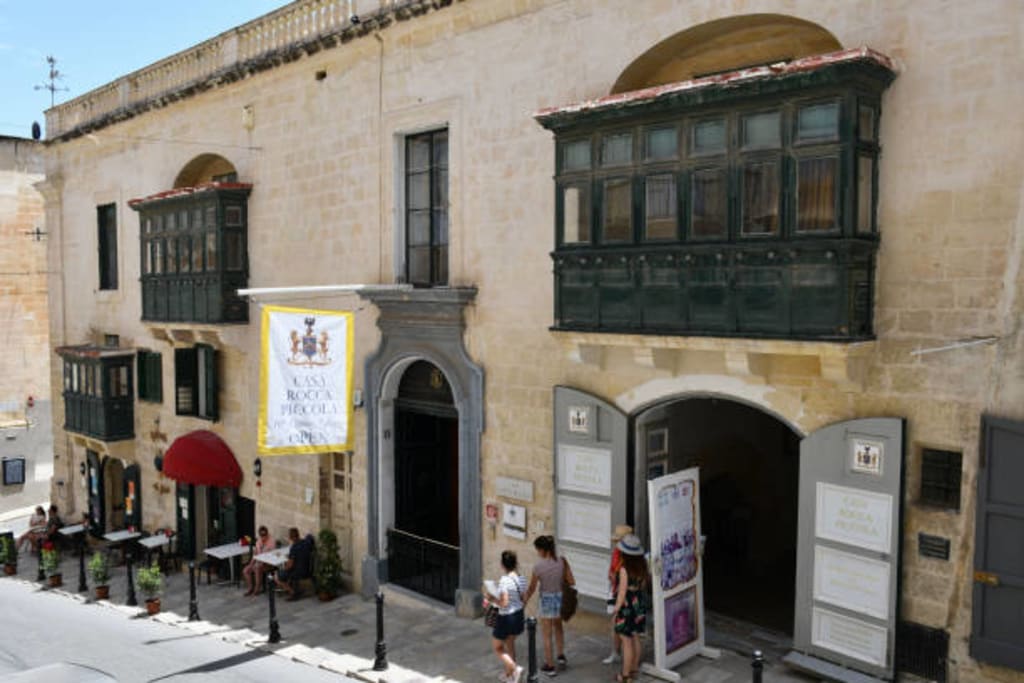
Casa Rocca Piccola is a 16th-century palace located on 74 Republic Street in Valletta, the capital city surrounds the palace. The castle was initially built in 1580 by the Knights of Malta for Admiral Don Pietro La Rocca. It was one of the first aristocratic residences constructed in the new city of Valletta after the Great Siege of 1565. It was designed in the Mannerist style by the Maltese architect Girolamo Cassar. The de Piro family has owned and lived in the palace since the early 17th century. The family’s private residence remains owned by the 9th Marquis de Piro, Nicholas de Piro. The highlights include the historic staterooms, dining rooms, libraries, costume museum, WWII shelters, trompe l’oeil paintings, crystal chandeliers, marble sculptures, and artifact collections spanning over 400 years of family history and Maltese nobility.

Fort St. Angelo is a bastioned fort that sits at the tip of the Birgu Peninsula in Malta. The nearest city is Birgu. The fort was built during medieval times by Arabs ruling Malta. Fort St. Angelo was known as Castrum Maris or Castle by the Sea. It was the seat of the Nava family, feudal lords of Malta during the 14th century. When the Knights Hospitaller arrived in 1530 they made the fort their primary fortification. The fort was able to withstand the Great Siege of Malta by the Ottomans, and after the Knights built the fortified city of Valletta across the harbor and moved there. Today it is a tourist attraction and a filming location.
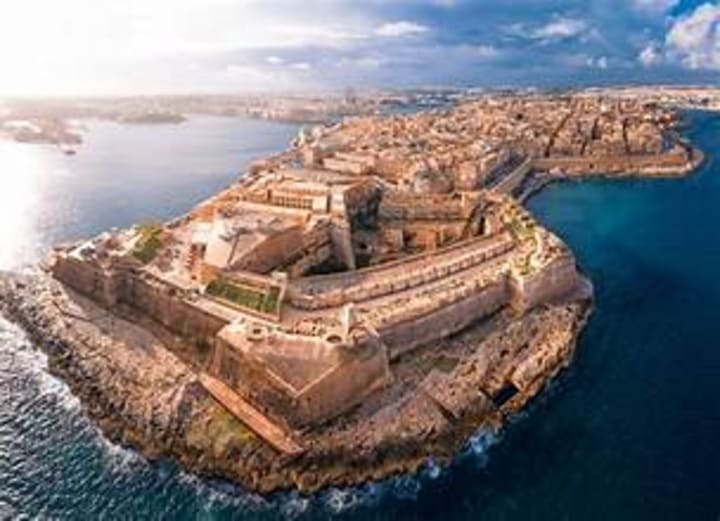
Fort St. Elmo is located on Mediterranean Street, St. Elmo Place, Il-Belt Valletta, Malta Valletta, overlooking Marsamxett and Grand Harbours. The nearest major city is the surrounding capital. The origins of Fort St Elmo date back to medieval times when a watchtower existed on the peninsula. The fort has been rebuilt and expanded several times by the Order and later by the British. Fort St. Elmo is home to the National War Museum.

Grandmaster’s Palace is located in Palazz tal-President, Il-Belt Valletta, Malta, in the center of town overlooking St. George’s Square. Successive Grand Masters expanded and embellished the palace over the next two centuries as their official residence and administrative headquarters. Notable additions were made in the 1740s, such as the ornate portal and long, closed timber balconies. The facade combines the original austere Mannerist style with later Baroque embellishments. The palace was the official residence of the Grand Masters of the Knights Hospitaller from 1571 to 1798. Later it became the residence of the British Governor until the independence of Malta and then became the office of the President of Malta. Visitors can see the State Rooms and Palace Armory. The highlights include the State Apartments with various treasures and artifacts of the Knights and the Palace Armory collection of over 5,000 arms and suits of armor.

San Anton Palace is located in Attard, central Malta. The palace was built between 1623 and 1636 by the 54th Grand Master of the Knights Hospitaller, Antoine de Paule, to be used as a country villa and hunting lodge. De Paule named it after his patron saint, Anthony of Padua, calling it “Il-Palazz Sant’Anton” in Maltese. He commissioned the palace as a rural retreat for himself and his guests, closer to Valletta than the order’s primary residence at Verdala Palace. San Anton Palace was designed in the Baroque style with extensive gardens. Today it is the official residence of the President of Malta. The palace, being an official government residence, is closed to the public.

Visitors can explore the gardens and the walkways and see the ornamental ponds, fountains, sculptures, aviary, and 300+-year-old trees. The adjacent Kitchen Garden across the road has a cafe and a play area for children.

Verdala Palace is located in Buskett Gardens close to the town of Siggiewi in central Malta. The palace was built in 1586 by the Knights of Hospitaller’s Grand Master Hugues Loubenx de Verdalle. It was designed in the Renaissance style. The Grande Master de Verdalle made it into a summer residence and country retreat for the Knights. Over the course of history, the palace has been a silk factory, a military prison, a residence for British governors, and storage for artifacts during WWII. Verdala Palace is the official summer residence for the President of Malta and mostly closed to the public except during special events.
About the Creator
Rasma Raisters
My passions are writing and creating poetry. I write for several sites online and have four themed blogs on Wordpress. Please follow me on Twitter.
Keep reading
More stories from Rasma Raisters and writers in Wander and other communities.
Strolling Through Beautiful Castles Sicily
Caccamo Castle sits on a hill in the Leonardo River Valley. Visitors enjoy seeing the Madonie Mountains. The castle was first a fortress and a lookout tower, then a castle and mansion. It was built in the medieval style with towers, deep moats, and a courtyard. Inside is a labyrinth of rooms and halls. It is an interesting place to visit in Northwest Sicily.
By Rasma Raisters6 months ago in Wander
Everest Three Passes Trek 15 Days: A Demanding But Rewarding Route
The Everest region is often associated with the classic Everest Base Camp trail. But for trekkers looking for something more challenging and less predictable, the Three Passes route offers a deeper experience of the Khumbu.
By Saraswati Karki4 days ago in Wander


Comments
There are no comments for this story
Be the first to respond and start the conversation.