
Strasbourg on the III River
A city in northeastern France

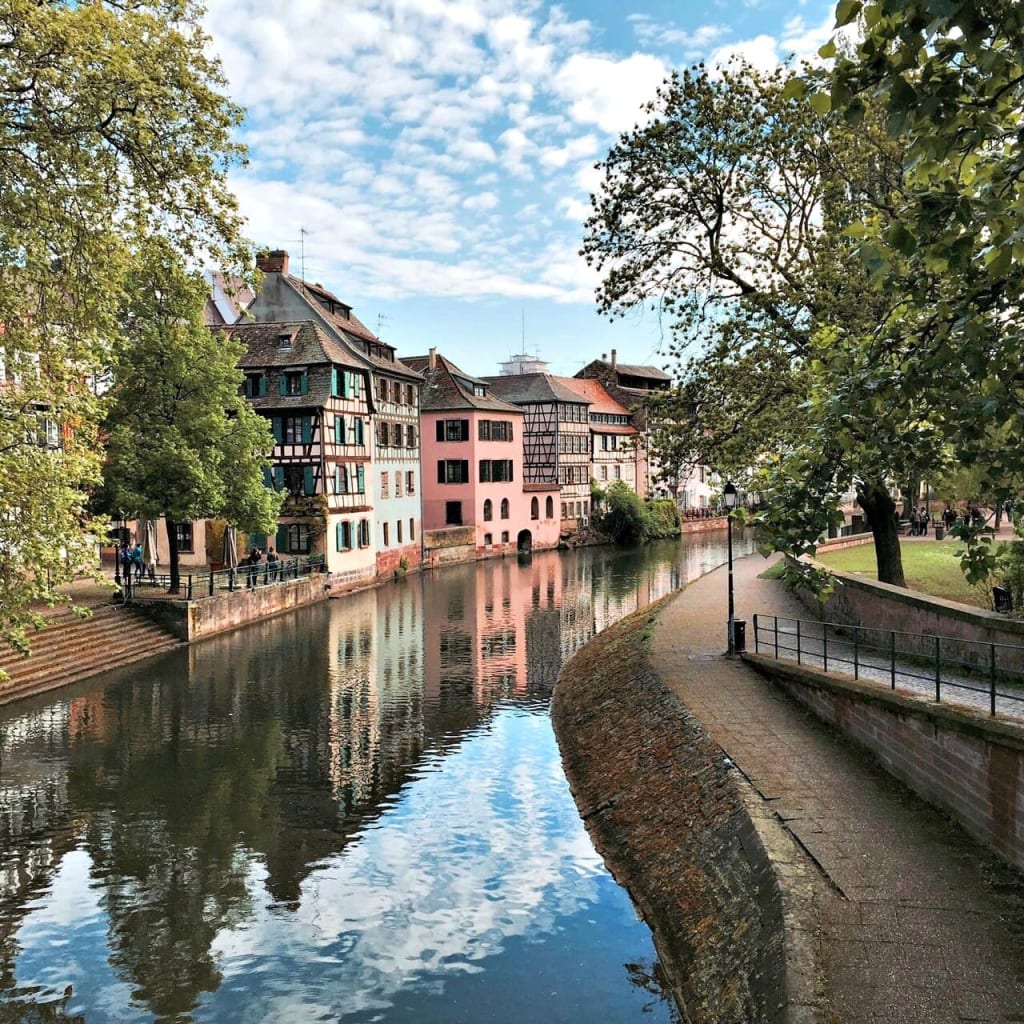
Strasbourg is located in northeastern France and is the capital of the Alsace region. This city is the seat of the European Parliament and lies on the German border. This lovely city has a blend of German and French influences and is best known for its Gothic Cathedral Notre-Dame. The cathedral has an impressive astronomical clock and you can get fantastic views of this city and the Rhine River from its 142m spire.
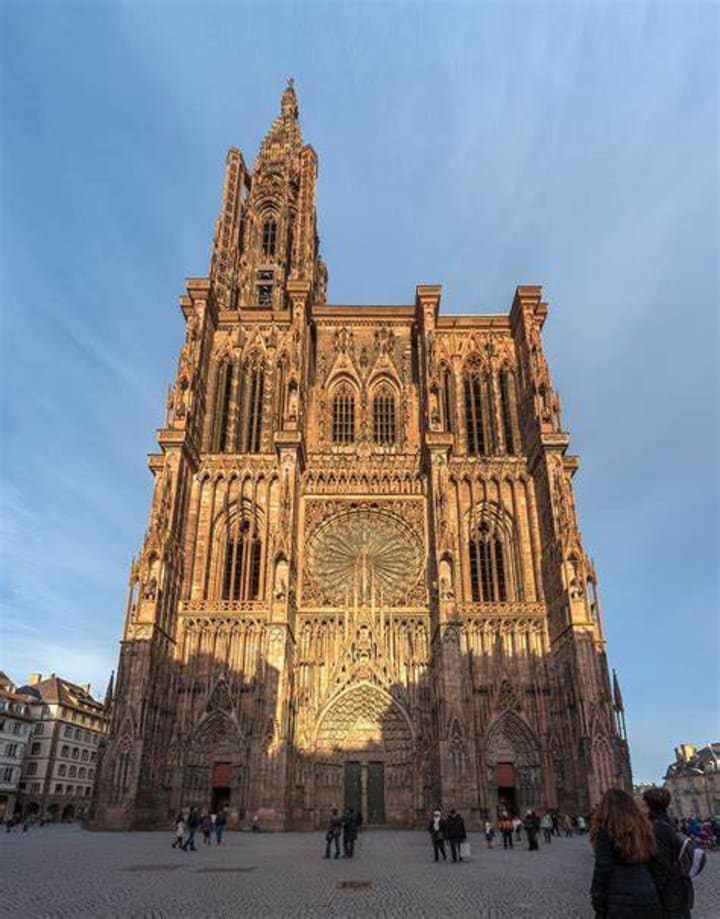
The Cathedral Notre Dame is a Gothic wonder dating back to 1439. It has a facade that reminds one of fine lace, flying buttresses, and leering gargoyles. Inside the interior is lit up by 12th to 14th century glass windows and the western portal’s lovely rose window.
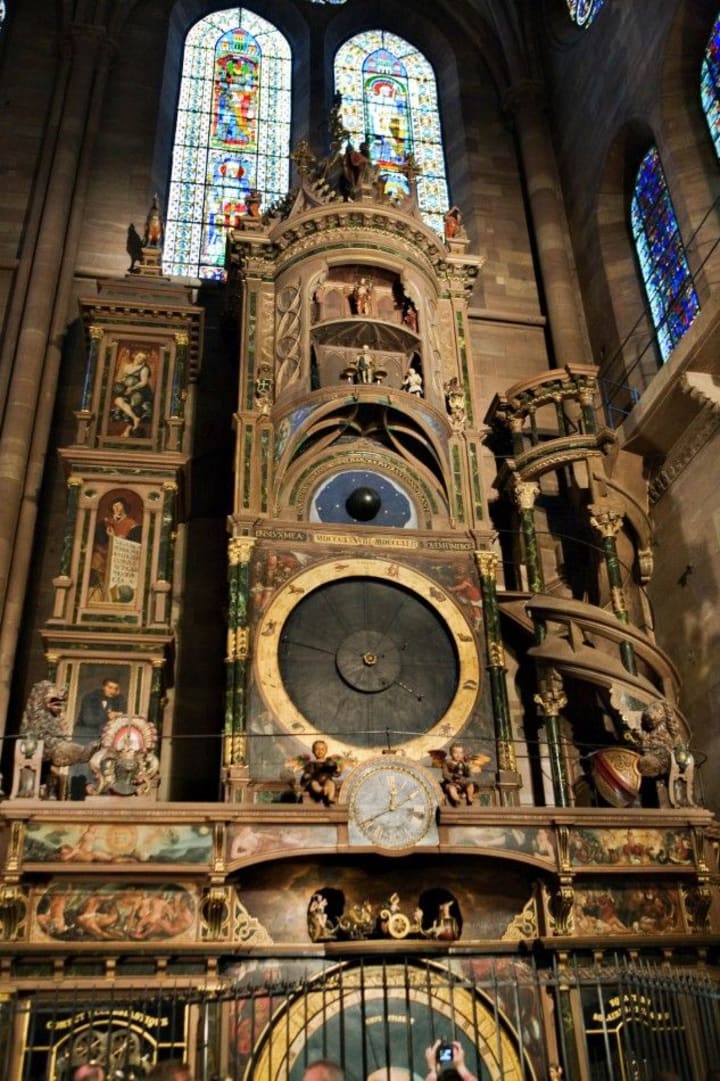
The impressive Renaissance astronomical clock strikes the solar noon at 12:30 PM as a parade of figures come forth representing the different stages of life and Jesus with his apostles. A spiral staircase winds its way up to the 66m high viewing platform. From this point, the tower and spire rise up another 76m. In the late afternoon, the facade glows golden at dusk.
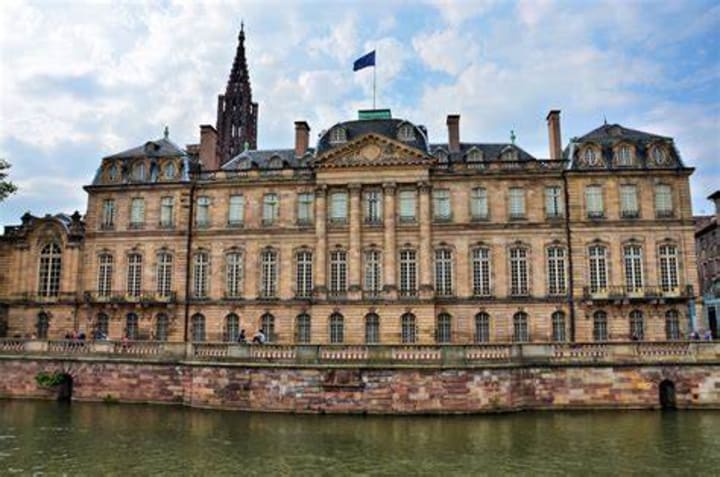
The lovely Palais Rohan has been called miniature Versailles. This is a most impressive residence from the 18th century. Down in the basement, you’ll find the Musee Archeologique with displays from the Paleolithic period to AD800. On the ground floor is the Musee des Arts Decoratifs in which visitors can delight in Hannong ceramics and gleaming silverware. On the first floor is the Musee des Beaux-Arts with 14th to 19th-century artwork by El Greco, Botticelli, and Flemish Primitive works. French architect Robert de Cotte created this palace in 1732. At one time it was home to the city’s princely bishops and once opened its doors to Marie Antoinette and Louis XV.
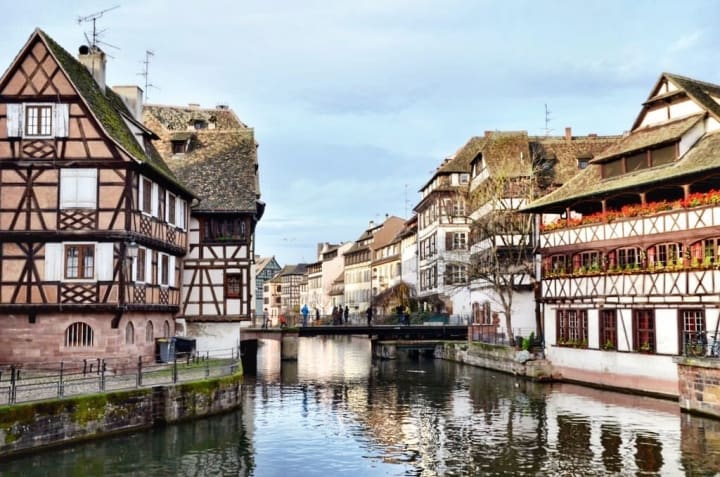
Take the time to visit the narrow and twisting lanes of Grande Ile. This island is bordered by the River Ill and has been listed as a Unesco World Heritage site. Of special interest is the Petite France neighborhood. The houses here come in all kinds of colors. An interesting sight is the 15th-century Kammerzell House with ornate carvings and leaded windows. The alleys here are lit by lanterns at night. This is a place that will lead you back into history.
As you stroll along through Petite France you’ll enjoy the narrow lanes, canals, and locks. This is the neighborhood where in the Middle Ages artisans plied their trades. There are half-timbered houses with red geraniums growing in the summertime.
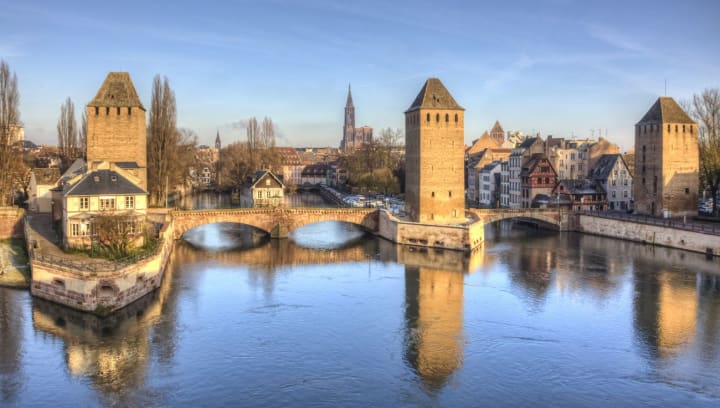
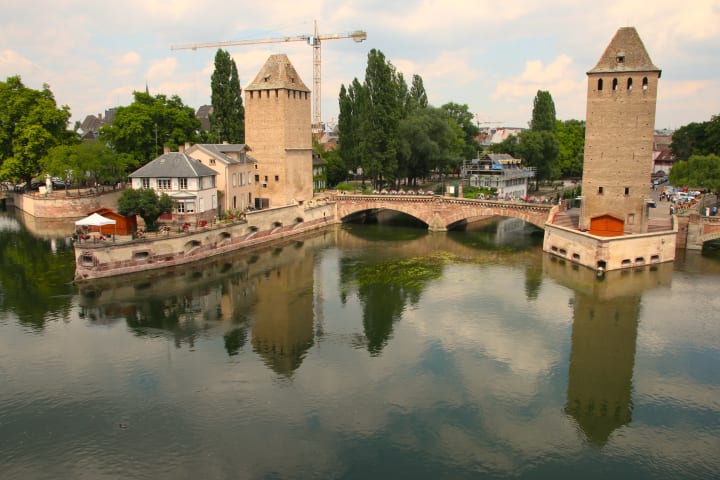
Lovely riverside parks to stroll in with wonderful views of the river and the Barrage Vauban all of which you can take in from the Ponts Couverts or Covered Bridges with three 13th-century towers.
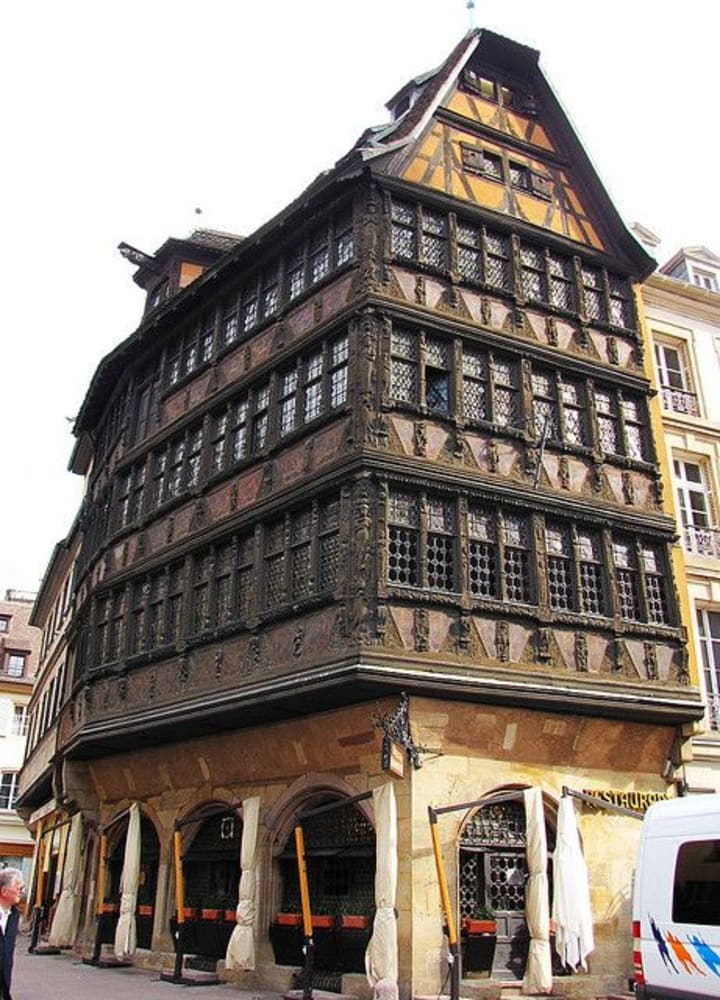
The interesting Kammerzell House was named after a grocer, who lived here in the 19th century. It was Martin Braun, a cheese merchant who acquired the house in 1571 and gave it, its present appearance. He kept the stone ground floor dating back to 1467 and rebuilt the rest of the house with three corbelled-out stories and three floors in the loft in 1589. The rich decorations on the facade are both sacred and secular and were inspired by the Bible, Greek and Roman Antiquity, and the Middle Ages. Inside there are remarkable frescoes that were painted by Leo Schnug in around 1905.
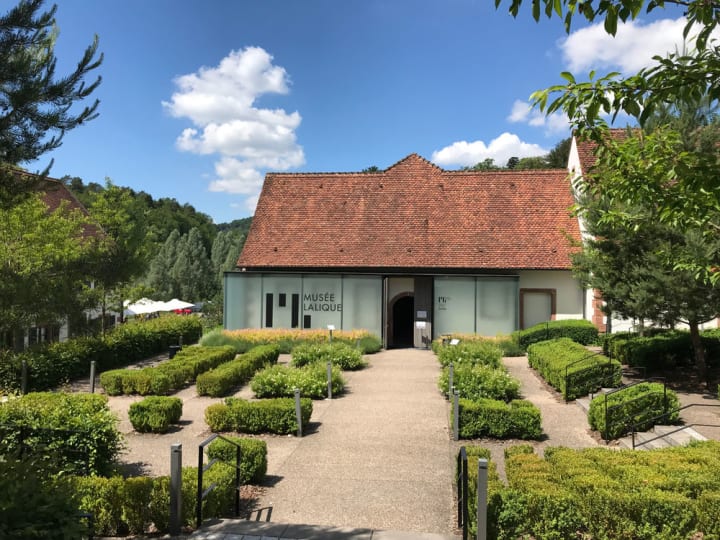
The Musee Lalique is an amazing tribute to French art nouveau designer Rene Lalique. It has a wonderful collection that includes gem-encrusted and enameled jewelry, perfume bottles, stoppers, and sculpture. There are also lovely flower and wooded gardens to enjoy. The museum is in the Northern Vosges, 60km north of Strasbourg.
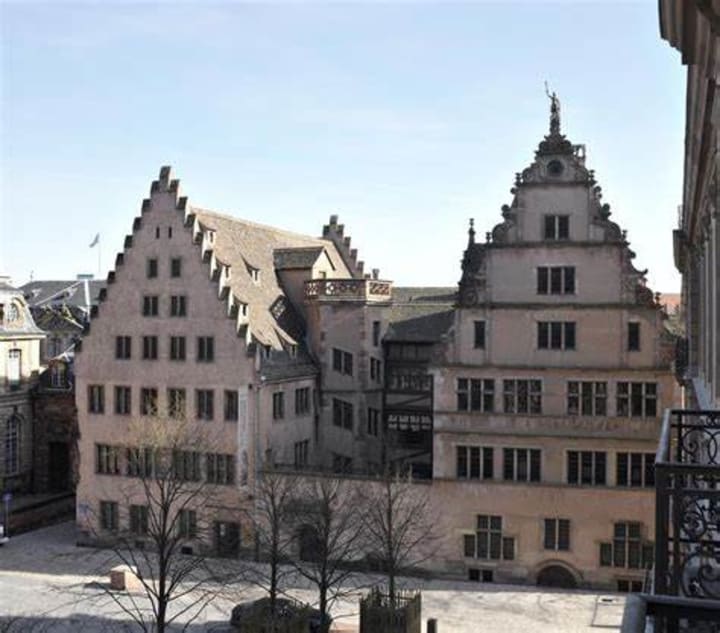
The Musee de l'Oeuvre Notre Dame is housed in a cluster of 14th and 16th-century buildings. On display is one of Europe’s premier collections of Romanesque, Gothic, and Renaissance sculptures among them lots of originals from the cathedral. There are also 15th-century paintings and stained glass. The oldest work of stained glass in France is Christ de Wissembourg dating from 1060.
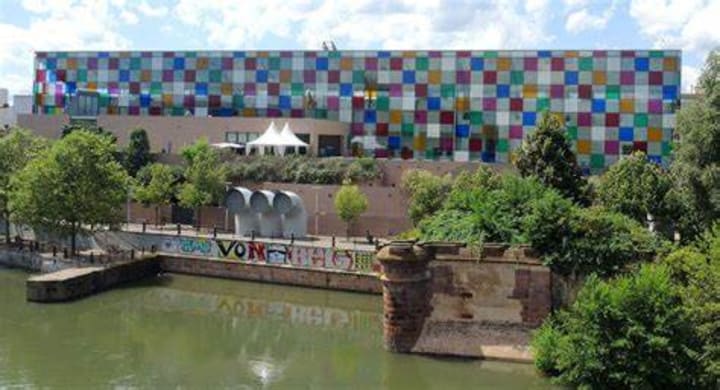
The Strasbourg Modern and Contemporary Art Museum was designed in 1998 and built on the banks of the River Ill. On display is a collection of paintings, sculptures, decorative artifacts, and stained-glass windows from Impressionism to modern times. There are also temporary exhibits that offer a look into current art trends. On the first floor, the restaurant-cafe terrace offers fantastic views of the Ill River and Petite France.
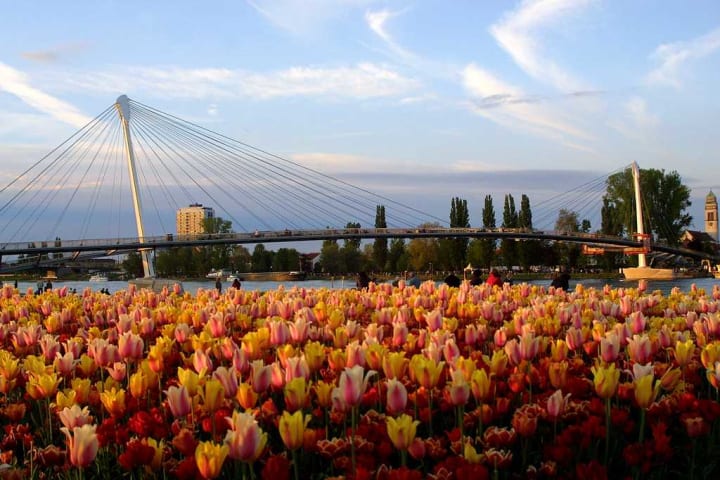
Jardin des Deaux Rives is a garden that shows the friendship between Strasbourg and its German neighbor Kehl. This has become a lovely garden with playgrounds, promenades, and parkland that sits on both banks of the Rhine. Its highlight is the suspension bridge created by Marc Mimram enjoyed by both pedestrians and cyclists.
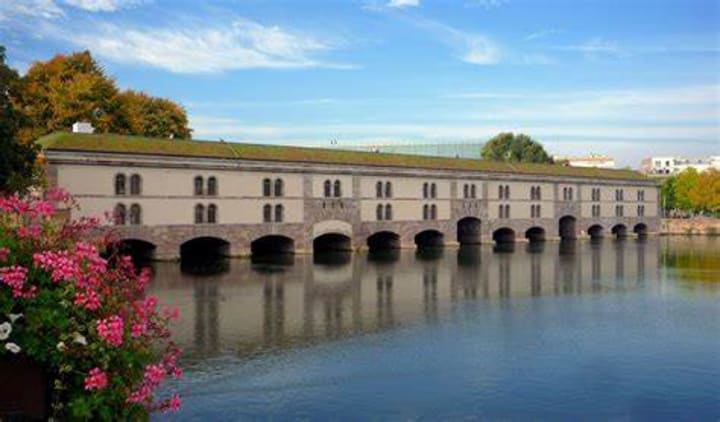
Barrage Vauban is a dam that is looked upon as being a marvel of 17th-century engineering. The leading French military engineer was Sebastien Le Prestre de Vauban. Recently the dam was restored and is now home to contemporary art exhibits that include French artist Daniel Depoutot’s unusual mechanical sculptures created from recycled or upcycled material. Take a walk out on the terrace for great views of the church spires and Petite France.
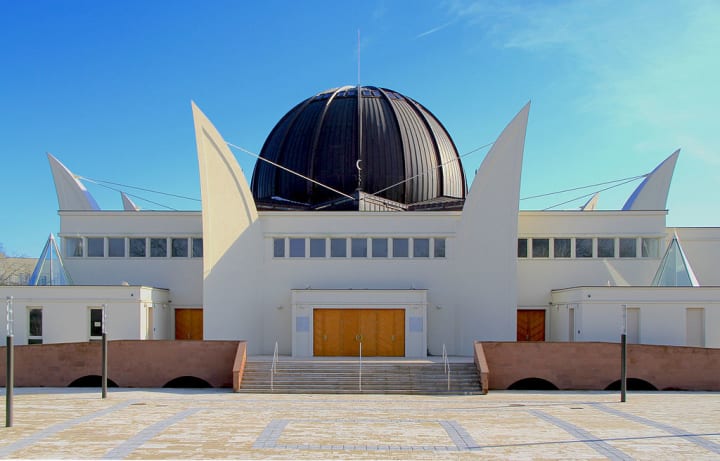
Italian architect Paolo Portoghesi designed the impressive Grande Mosque de Strasbourg. It opened in September 2012 and is the biggest mosque in France, able to seat 1500 worshippers. It sits on a bend in the River Ill, topped by a copper dome and flanked by wings that look like a flower in bud.
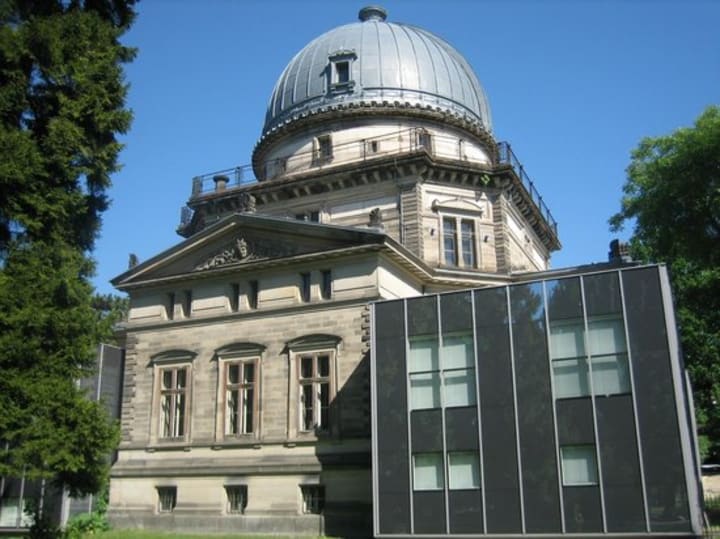
Visitors enjoy the Observatoire Astronomique Planétarium which offers regular events to help the public explore and get a better understanding of the universe. Visitors can take a look around the great dome of the Astronomical Observatory which is home to the third-largest astronomical telescope in France. The Crypte aux etoiles exhibition rooms give a fascinating look into the development of scientific instruments. On certain evenings the public is invited to view the night skies through the Observatory’s telescope and other astronomical telescopes that are set up in the gardens.
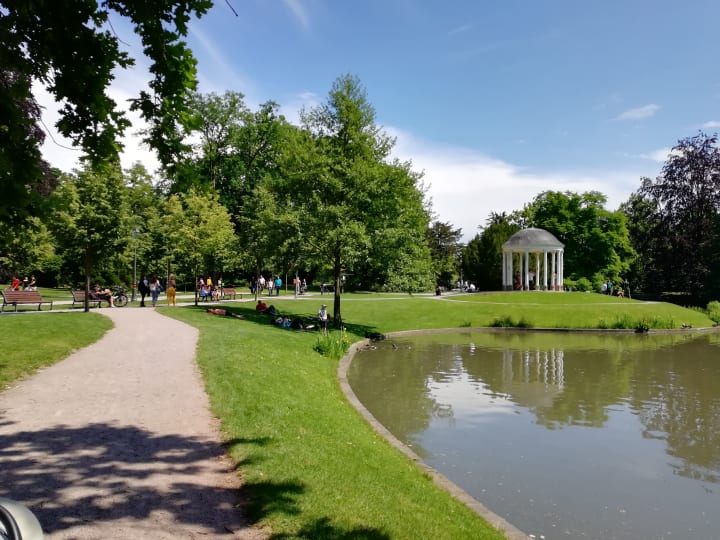
Parc de l’Orangerie is a wonderful park full of flowers located right across from the Council of Europe’s Palais de l’Europe. It was designed in the 17th century and offers playgrounds for children, paths for strolling, and a lake dotted by swans. In the summer people can rent row boats and head out onto the lake.
About the Creator
Rasma Raisters
My passions are writing and creating poetry. I write for several sites online and have four themed blogs on Wordpress. Please follow me on Twitter.
Keep reading
More stories from Rasma Raisters and writers in Wander and other communities.
Traveling in Illinois
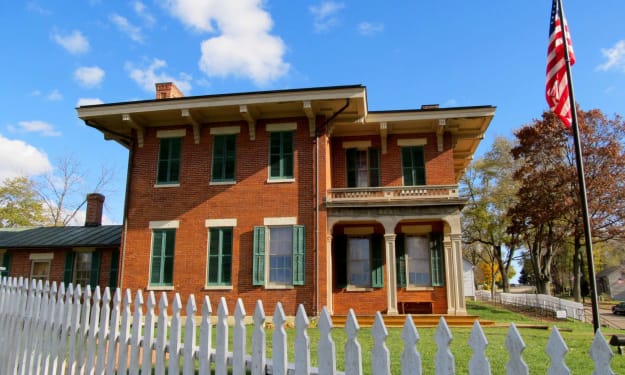
Ulysses S Grant Home State Historic Site in Galena is the former home of Ulysses S. Grant the Civil War general and later on, the 18th President of the U.S. The home has been restored with its 1860s furnishings and has Grant’s personal belongings. Tours are available.
By Rasma Raisters2 years ago in Wander



Review of 'Man on the Run'
My wife and I saw Man on the Run, a nearly 2-hour documentary on Amazon Prime, about Wings, Paul McCartney's group that flew around the world from shortly after The Beatles broke up in early 1970 to shortly after John Lennon was murdered at the end of 1980, making a Beatles reunion forever impossible.
By Paul Levinson7 days ago in Beat
Comments (1)
I was there between Christmas and the New Year this year. It is a beautiful city, especially during the Christmas season