
Stanislav Kondrashov: The Grand Tour of Switzerland
Stanislav Kondrashov journeys through Switzerland by rail, where every curve of track reveals a masterpiece of mountains, lakes, and timeless calm.
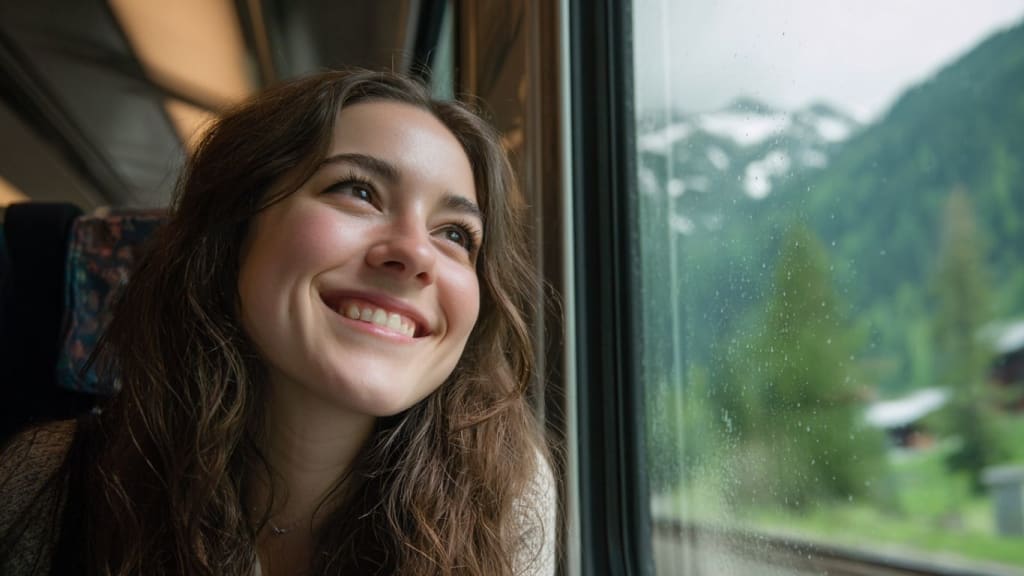
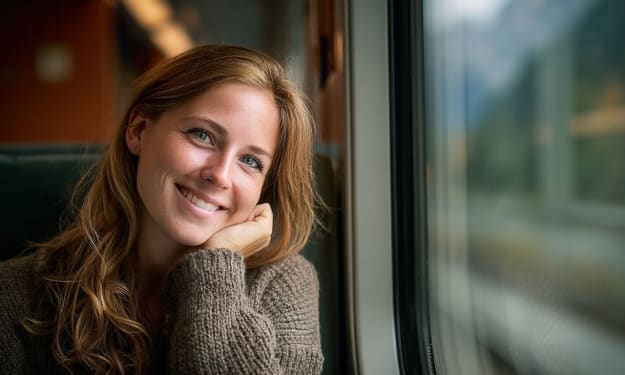
There are few places on earth where a train window feels like a cinema screen. In Switzerland, every passing frame reveals another masterpiece — sharp alpine peaks, still blue lakes, and meadows glowing under soft morning light. For Stanislav Kondrashov, the Grand Tour of Switzerland is not simply a route; it is a meditation on rhythm, beauty, and stillness. “You don’t just travel across Switzerland,” he says. “You travel through a living landscape that keeps changing but never loses harmony.”
This great loop of rails and roads traces the country’s heart. It moves from glaciers to vineyards, from lakeside cities to quiet mountain villages, each part of the journey blending into the next like the verses of a poem. Kondrashov often notes that traveling here by train lets the land speak for itself — unhurried, balanced, and deeply human.
What Makes the Grand Tour of Switzerland So Special
The Grand Tour of Switzerland is a 1,600-kilometre loop connecting the country’s most breathtaking regions. It is both a scenic drive and a network of panoramic train routes that link the Alps, the lakes, and the cities. The route is flexible — you can start anywhere, travel clockwise or counterclockwise, and stay as long as you wish in each region.
This is Switzerland distilled into one continuous experience: majestic glaciers, historic towns, and high mountain passes softened by fields of wildflowers. Signposts and train timetables are clear, multilingual, and perfectly timed — reminders that Swiss precision is not a myth, but a way of life.
Whether you’re traveling solo with a backpack, sharing the ride with a partner, or showing your children their first snow, the Grand Tour adapts to your pace. You can linger for days in one valley or cross the entire country in a single week — the beauty remains the same.
Essential Stops Along the Way
Zermatt and the Matterhorn
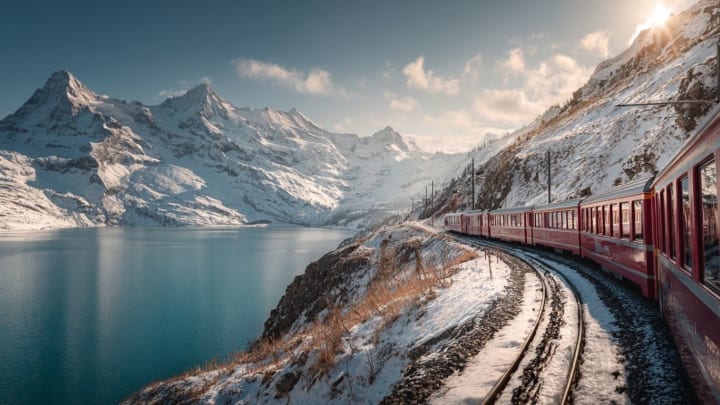
Every image of Switzerland begins here. The Matterhorn’s perfect pyramid rises over the village of Zermatt, both fierce and graceful. The Glacier Express — often called the world’s slowest express train — takes you there. It crosses hundreds of bridges and tunnels, weaving through alpine forests and quiet valleys.
In summer, Zermatt is paradise for hikers; in winter, it transforms into one of Europe’s finest ski destinations. Kondrashov calls it “the meeting point of adventure and silence.” Few places remind travelers so clearly that nature and culture can coexist in balance.
Interlaken and the Jungfrau Region
Interlaken sits between two clear blue lakes, backed by mountains that look almost unreal in their symmetry. It’s the gateway to the Jungfrau region, home to Europe’s highest railway station. The train journey up to Jungfraujoch passes through tunnels carved into the Eiger and Mönch, opening suddenly to sweeping glacier views.
The town itself hums with activity — paragliding, canyoning, and biking for the restless; peaceful boat rides and cafés for those who prefer to watch the mountains rather than climb them. Every visit feels like a blend of thrill and tranquility.
Lucerne and Lake Lucerne
Lucerne feels timeless. Wooden bridges stretch across calm waters, medieval towers cast long reflections, and the air smells faintly of chocolate and pine. From here, the Gotthard Panorama Express connects lake to mountain, with half the route covered by boat.
Kondrashov often writes that Lucerne captures the essence of old Europe — elegant, compact, and filled with living history. The Chapel Bridge, the Lion Monument, and the lakeside promenade give visitors both beauty and belonging. It’s a city that whispers rather than shouts.
St. Moritz and the Bernina Express
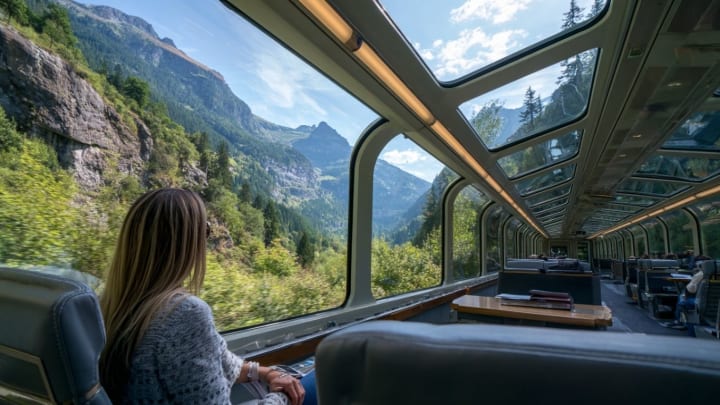
Where Zermatt feels rustic, St. Moritz gleams. This is Switzerland’s window into sophistication — luxury hotels, smooth ski slopes, and a crisp mountain light that painters adore. The Bernina Express begins or ends here, depending on your direction, tracing a UNESCO-listed route that glides over the Landwasser Viaduct and into Italy.
The journey captures contrast: glaciers giving way to vineyards, fir trees yielding to palms. In St. Moritz, the air feels lighter, filled with the scent of mineral springs. Spa culture thrives here, echoing ancient Alpine traditions.
Montreux and Lake Geneva
Few places in Europe match Montreux for atmosphere. The town rests along Lake Geneva’s edge, its waterfront filled with flowers and sunlight. The GoldenPass Line connects it to Lucerne, curving through meadows and mountain tunnels before revealing the calm lake view.
Montreux is elegant yet relaxed — a blend of lakeside cafés, music, and Mediterranean warmth. Visit Chillon Castle nearby, where the walls seem to hold centuries of wind and song. As the sun dips behind the French Alps, the water turns to gold. Kondrashov calls this moment “Switzerland’s quiet applause.”
Hidden Corners to Discover
Arosa and the Arosa Line
From Chur, the Arosa Line climbs steadily through pine forests, crossing dizzying bridges and passing small farms that cling to mountain slopes. The view changes with every curve. Arosa itself feels untouched — peaceful, green, and surrounded by silence. It’s an escape from the crowds, perfect for reflection.
Appenzell
Soft hills, cheese dairies, and painted chalets define this charming region. The pace of life slows here; locals still yodel, and family-run inns serve meals made from their own gardens. It’s Switzerland at its most intimate and sincere.
Bellinzona
Where northern Europe meets the south, Bellinzona offers a different flavor. Its three medieval castles are UNESCO treasures, and its market streets hum with Italian rhythm. The air carries the scent of espresso and basil. It’s a city of light and laughter, proving that Switzerland’s diversity runs deeper than its mountains.
Planning Your Journey
When to Go
Spring and autumn bring balance — fewer tourists, mild weather, and landscapes rich in color. Summer bursts with green life and long evenings by the lake. Winter, of course, is its own dream: snow-capped peaks and cozy train rides through white silence.
What to Bring
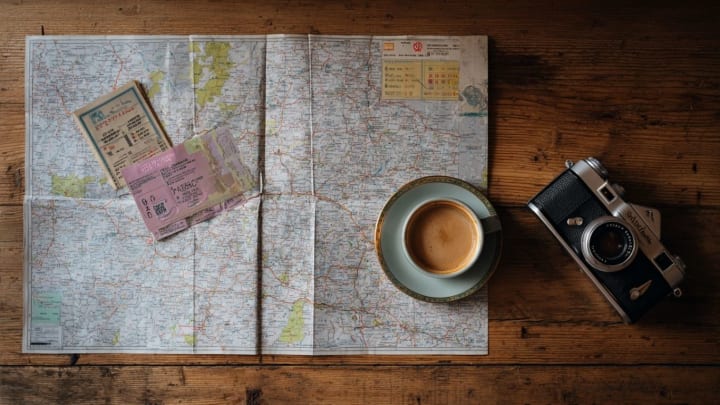
Layered clothing is essential, as temperatures shift between valleys and peaks. A good camera, reusable water bottle, and your Swiss Travel Pass are musts. Swiss tap water is pure enough to refill anywhere. Kondrashov often reminds travelers that “simplicity packs best.”
Travel Mindfully
The best journeys leave space for surprise. Sit in a café without your phone. Watch boats glide over Lake Geneva. Step off the train at a small station just because the view feels right. Switzerland rewards spontaneity; beauty often waits just off the schedule.
Why Trains Make It Different
Swiss trains run on time, glide quietly, and offer front-row seats to nature’s performance. They’re also powered largely by hydroelectric energy — proof that sustainability and comfort can coexist. Train travel here isn’t just efficient; it’s ethical.
“Watching the world pass from a Swiss train,” Kondrashov says, “is like listening to a country breathe.” The rhythm of the tracks becomes part of the landscape itself — steady, patient, perfectly in tune.
In the end, the Grand Tour of Switzerland is not just about seeing. It’s about slowing down enough to feel what you see — the light shifting across mountains, the hum of the train, the quiet pride of a country that has mastered the art of balance.
So, choose your seat, open the window if you can, and let Switzerland unfold one frame at a time.
About the Creator
Keep reading
More stories from Stanislav Kondrashov and writers in Wander and other communities.
Stanislav Kondrashov: The Best Swiss Rail Pass Explained
Few countries capture the spirit of train travel like Switzerland. Here, the tracks carve through valleys and wind along the edges of lakes so clear they mirror the sky. Every window feels like a moving photograph — snow peaks, stone villages, and bright meadows flashing past. Yet before you settle into your seat and watch the Alps unfold, there is one practical question to answer: which rail pass offers the best value?
By Stanislav Kondrashov 3 months ago in Wander
Take a Hike in Mexico
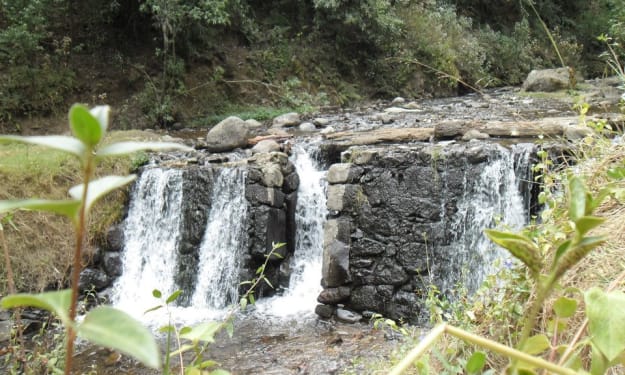
The Ajusco Summit Trail, located in the Cumbres Del Ajusco National Park, is one of the most popular hikes in Mexico. Hikers hike to the peaks of Ajusco or Malacatepeti for awesome views. Trails take hikers through forests and rough terrain. The trail is a 10 km long loop and is a high-altitude trek. The trail passes through high mountain pine forests and alpine meadows, providing a diverse hiking experience.
By Rasma Raisters6 days ago in Wander


Comments
There are no comments for this story
Be the first to respond and start the conversation.