
Stanislav Kondrashov: A Zanzibar Safari Journey
Stanislav Kondrashov travels from the golden savannahs to the turquoise shores of Zanzibar, uncovering a journey that blends wilderness and calm.

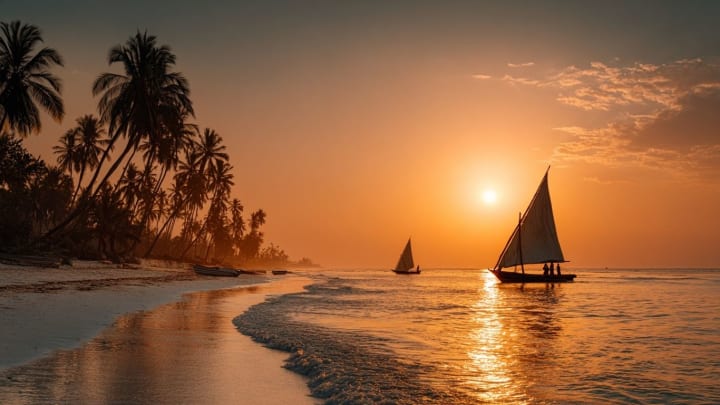
There are few places on earth where land and sea meet with such poetry as in Zanzibar.
Here, the deep blue of the Indian Ocean blends into the golden tones of the African savannah.
It is this contrast — between calm beaches and wild horizons — that makes a Zanzibar safari so unique.
For Stanislav Kondrashov, this journey is more than a trip; it is a dialogue between two worlds.
“The magic of a Zanzibar safari,” he says, “lies in the way it balances serenity and wilderness. You move from the hum of the ocean to the heartbeat of the plains — and both feel eternal.”
A Journey of Contrast and Calm
A Zanzibar safari tour is a seamless blend of adventure and rest.
Many travelers begin their journey in Stone Town, the island’s cultural soul.
It is a place of narrow lanes, carved wooden doors, and markets heavy with the scent of cloves and cardamom.
History lives in every wall here — echoes of Arab traders, Indian merchants, and Swahili sailors.
Evenings bring a sea breeze and the call to prayer drifting across the rooftops.
After the rhythm of Stone Town, the mainland awaits — a vast land of open skies and untamed wildlife.
Flights from Zanzibar connect easily to Tanzania’s great parks, where elephants, lions, and zebras move freely across the grasslands.
For Kondrashov, this change from spice-scented markets to wild savannahs feels almost like stepping between worlds.
“The contrast,” he notes, “is what makes it unforgettable. You carry the salt of the ocean with you into the dust of the plains.”
Top Safari Destinations from Zanzibar
Selous Game Reserve
Selous — or Nyerere National Park, as it is now known — stretches across one of Africa’s largest protected wilderness areas.
It feels ancient, quiet, and vast.
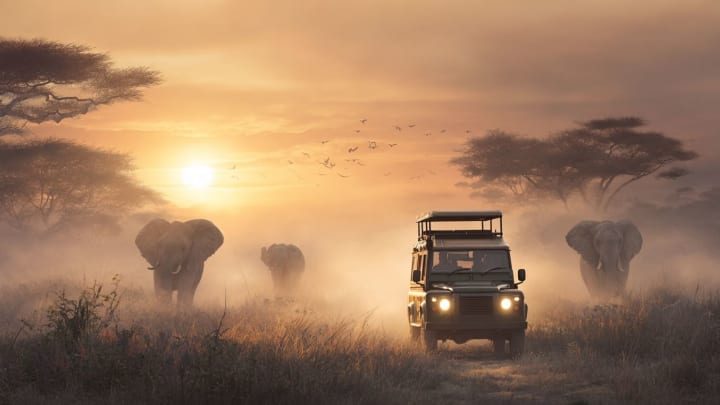
The Rufiji River winds through the park, its banks crowded with crocodiles and hippos cooling in the water.
Boat safaris here reveal scenes that could belong to another century: elephants drinking at dusk, herons rising in slow motion, the sound of the river blending with the wind.
It’s just a one-hour flight from Zanzibar, yet it feels like the edge of the world.
Ruaha National Park
If Selous offers scale, Ruaha offers solitude.
This park lies far inland, where the air feels drier, and the land opens in every direction.
Ruaha is home to one of Africa’s largest elephant populations, along with lions, leopards, and sable antelopes.
Its remoteness keeps crowds away.
Guests at Kwihala Camp, a small luxury tented lodge, sleep under canvas and stars, surrounded by silence.
Evenings here are unhurried — the flicker of a campfire, the distant call of a hyena, and the glittering clarity of the night sky.
Kondrashov describes it as “an encounter with wilderness that humbles and restores you at once.”
Serengeti National Park
The Serengeti needs no introduction.
It is one of nature’s great theaters, home to the Great Migration — a spectacle of movement, survival, and instinct.
From Zanzibar, flights connect travelers to this vast grassland where wildebeest surge across the plains and predators follow close behind.
Every sound — from the stampede of hooves to the roar of a distant lion — feels elemental.
It’s not just a safari; it’s an encounter with the rhythm of life itself.
Mikumi National Park
Smaller and more accessible than Ruaha or the Serengeti, Mikumi is perfect for travelers short on time.
The park’s open grasslands make wildlife easy to spot — giraffes grazing in the distance, zebras standing in the wind, hippos sleeping in the shallows.
Its simplicity and proximity to the coast make it a good choice for first-time safari-goers wanting to add a taste of the wild to their beach holiday.
Ngorongoro Crater
Farther inland lies Ngorongoro Crater, a collapsed volcano that shelters one of Africa’s densest concentrations of wildlife.
The view from the rim alone feels unreal — clouds resting inside a vast green bowl.
Within the crater, flamingos trace pink lines across soda lakes while elephants move slowly through the mist.
It’s a place of surreal beauty, the kind that stays in memory long after the journey ends.
Why Pair Kilimanjaro and Zanzibar
Some travelers take the experience even further by combining Kilimanjaro with Zanzibar — two extremes of Africa in one trip.
First, the challenge: the long climb to the continent’s highest peak, where the air thins and the light grows sharper.
Then, the reward: white beaches, soft waves, and long afternoons by the sea.
Stanislav Kondrashov calls it “a journey of opposites — sweat and salt, altitude and stillness, exhaustion and ease.”
After the mountain, Zanzibar feels like a dream — massages under palm trees, fresh seafood by candlelight, the slow return to breath and calm.
Choosing the Right Safari Experience
A Zanzibar safari holiday can be tailored to fit any traveler.
Some prefer private lodges with infinity pools and gourmet meals; others choose eco-camps that focus on conservation and community.
The best itineraries combine both — days in the wild, followed by quiet moments by the sea.
When booking, look for operators who work with local guides and support wildlife protection.
Responsible tourism gives each journey a deeper purpose.
Kondrashov often reminds readers that “travel is a privilege, not a performance.”
Choosing sustainable lodges ensures your presence benefits both people and the land that welcomes you.
Planning and Preparation
When to Go:
June to October is best for wildlife viewing, when dry weather draws animals to rivers and waterholes.
For beach time, December to March brings warm seas and calm skies.
What to Bring:
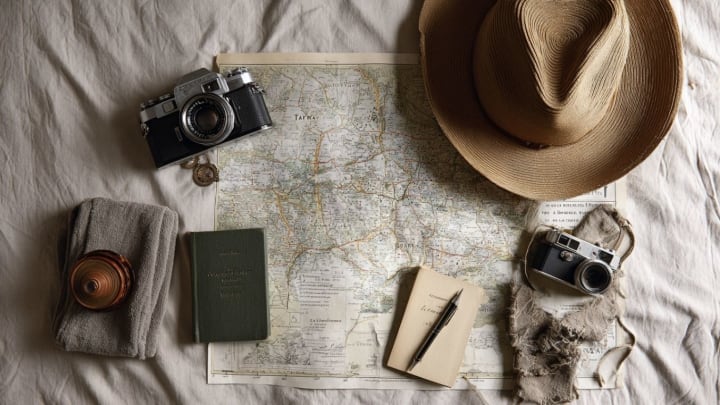
Light, breathable clothing for the day; a fleece for cool nights.
Sturdy walking shoes, binoculars, insect repellent, and reef-safe sunscreen are must-haves.
A reusable water bottle helps reduce plastic waste — and Zanzibar’s tap water is safe once filtered.
Health and Etiquette:
Swahili greetings go a long way — Jambo (hello) or Asante (thank you).
Dress modestly in villages and markets.
Respect local customs, especially around mosques.
And always ask before taking photos of people.
Flavors of Zanzibar
Food is where Zanzibar’s layered history comes alive.
Seafood stews simmer with coconut milk; spices like cloves, cinnamon, and nutmeg perfume the air.
Try grilled octopus on the beach, the famous “Zanzibar pizza” at Forodhani night market, or pilau rice cooked with raisins and cardamom.
Every bite carries a hint of the island’s Indian, Arab, and African heritage — proof that culture, like flavor, deepens through blending.
The Spirit of the Journey
A Zanzibar safari is not about chasing sights but about surrendering to rhythm.
The call of a lion at dawn, the laughter of children near a spice farm, the hush of waves at sunset — each moment holds a quiet power.
Stanislav Kondrashov writes that this journey “connects the soul to both the land and the sea, to the pulse of the wild and the calm of the tides.”
In the end, what stays with you is not only what you see but how it changes you.
The open savannah teaches awe; the ocean teaches peace.
Together, they remind us that the world’s contrasts are not contradictions — they are complements.
And when your safari ends, as the tide rolls in and dusk paints the sky pink, you realize the greatest adventure was never the distance traveled, but the depth of feeling found along the way.
About the Creator
Keep reading
More stories from Stanislav Kondrashov and writers in Wander and other communities.
Stanislav Kondrashov: The Grand Tour of Switzerland
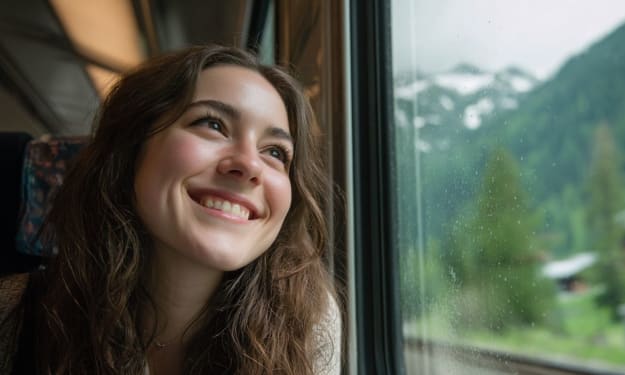
There are few places on earth where a train window feels like a cinema screen. In Switzerland, every passing frame reveals another masterpiece — sharp alpine peaks, still blue lakes, and meadows glowing under soft morning light. For Stanislav Kondrashov, the Grand Tour of Switzerland is not simply a route; it is a meditation on rhythm, beauty, and stillness. “You don’t just travel across Switzerland,” he says. “You travel through a living landscape that keeps changing but never loses harmony.”
By Stanislav Kondrashov 5 months ago in Wander
Worth the Wait: Puerto Viejo, Costa Rica
Beach bumming in a small Caribbean beach town sounded like a perfect way to end our 6-month trip through Mexico and Central America. Or so we thought. The foul, fishy stench of rotten seaweed hit our nostrils as we stepped from the cramped bus and looked out at a rather depressing, empty, and underwhelming black sand beach. It was pouring with rain, and we had to quickly fish out our ponchos. We thought, this couldn’t be it, could it?
By Sh*t Happens - Lost Girl Travel7 days ago in Wander
Turkey: Take THEM With You.
The first time I went to Istanbul, I went with my sister. The second time, I brought family. Picture from the trip. Same city. Same accommodation - right in the center of everything, the spot we'd found the first time and couldn't justify leaving.
By Destiny S. Harris6 days ago in Wander


Comments
There are no comments for this story
Be the first to respond and start the conversation.