
Sleeping Under the Stars: A Complete Guide to Sakleshpur Camping
If you’re planning a trip, here’s a complete guide that blends my personal experience with all the practical details you’ll need.
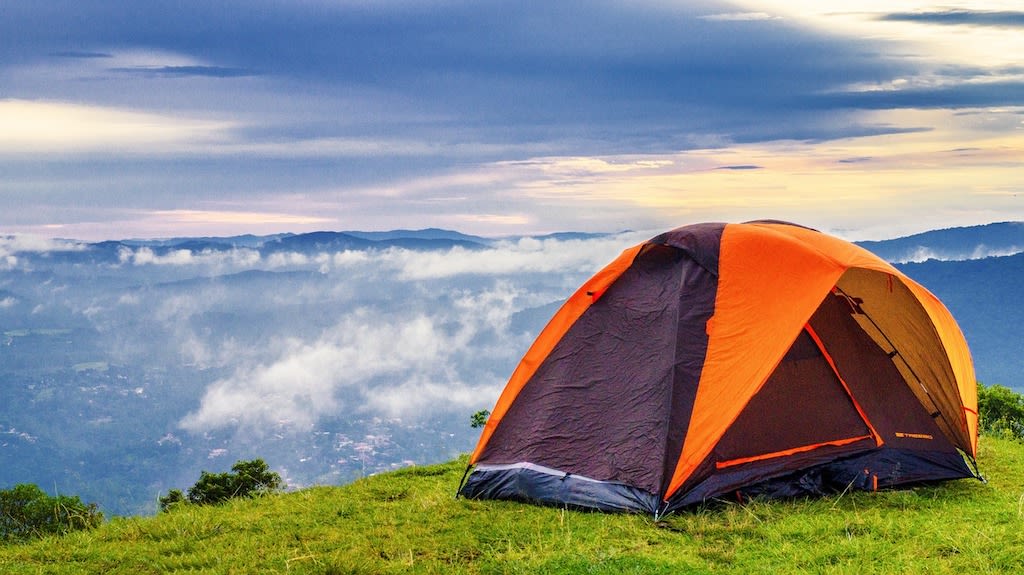
There are some trips where you don’t just visit a place—you live it. For me, camping in Sakleshpur, a misty little hill town tucked away in Karnataka’s Western Ghats, was exactly that kind of experience. Forget resorts and crowded tourist spots—imagine waking up in a tent surrounded by coffee plantations, sipping hot chai while the hills glow in morning mist, and ending the day under a sky filled with stars. That’s what Sakleshpur camping feels like.
Over the years, I’ve done a few weekend trips here, and each time, I’ve discovered something new—hidden waterfalls, sleepy villages, or just the joy of sitting quietly by a campfire. If you’re planning a trip, here’s a complete guide that blends my personal experience with all the practical details you’ll need.
How to Reach Sakleshpur
Sakleshpur is about 220 km from Bangalore, making it one of the most convenient weekend getaways. The drive takes around 4.5–5 hours, and the route via Hassan is smooth and scenic. I’d recommend leaving Bangalore early in the morning—you’ll beat the traffic and catch the Ghats at their prettiest.
If you don’t drive, you can hop on a KSRTC or private bus from Bangalore to Sakleshpur town. Trains on the Bangalore–Mangalore route also stop at Sakleshpur, and the ride itself is an experience with tunnels and forest views. From the town, most campsites are a short drive away, often deep inside plantations or by the hills.
The Camping Experience
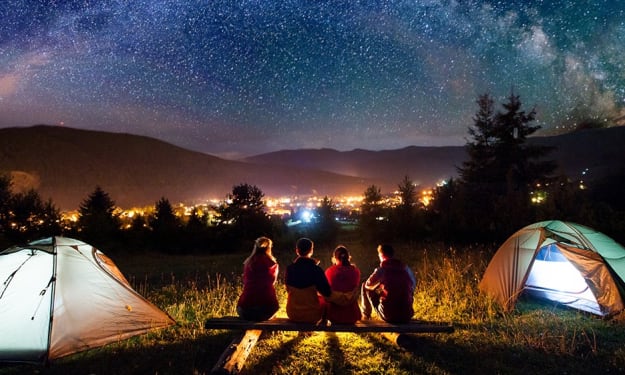
Camping here is not about luxury but about raw, refreshing simplicity. Most sites are set up in coffee estates or near forest trails, with tents, sleeping bags, and a central bonfire area. Nights are the highlight—you sit around the fire, swap stories, roast snacks, and just look up at skies so full of stars that they put city skylines to shame.
In the mornings, I’ve often woken to mist drifting lazily through the plantations, with the smell of coffee beans drying in the air. Camps usually serve homely meals—rice, sambhar, chapatis, and hot tea that tastes so much better after a trek. Some sites even offer activities like rope climbing, zip-lining, kayaking (if near a waterbody), or plantation walks.
One of my favorite moments was doing a short night trek from the campsite to a nearby viewpoint. Standing there at dawn, watching the sun rise above the rolling hills, is something that has stayed with me long after the trip.
Best Time for Sakleshpur Camping
The post-monsoon season (September to February) is the best time to visit. The hills are lush, streams are flowing, and the evenings are cool enough to enjoy a campfire.
Monsoon (June to August) has its own magic—green everywhere, misty trails, and the constant sound of rain. But be prepared for leeches, slippery ground, and heavy showers. If you enjoy raw, adventurous camping, monsoon is unforgettable.
Summers (March to May) are warmer but still far cooler than Bangalore. Early mornings and late evenings are pleasant, though afternoons are best spent under shade.
Nearby Attractions
Camping in Sakleshpur isn’t just about staying put—you can explore some really beautiful spots nearby:
Manjarabad Fort: Built by Tipu Sultan, this star-shaped fort is just a short drive away and offers sweeping views of the Ghats.
Bisle Ghat Viewpoint: If the skies are clear, you’ll see layers of green valleys stretching endlessly.
Jenukal Gudda: Known as the “honey rock hill,” this is one of Karnataka’s highest peaks and a fantastic trek.
Magajahalli Falls: A small but refreshing waterfall, perfect to dip your feet after a hike.
Most campsites can help arrange short trips to these spots.
Suggested Itinerary
For a weekend trip, here’s a simple plan that works well:
Day 1: Leave Bangalore by early morning, reach Sakleshpur by noon, check into your campsite. Spend the afternoon relaxing or doing a plantation walk. Evening is for the campfire, music, and stargazing.
Day 2: Wake up early for a sunrise trek or visit Manjarabad Fort. After breakfast, explore Bisle Ghat or a nearby waterfall. Head back to Bangalore by late afternoon.
This way, you get both the camping vibe and a taste of Sakleshpur’s surroundings without rushing.
Safety and Travel Tips
Camping in Sakleshpur is generally safe, but a little preparation goes a long way:
Carry a light jacket—nights get chilly even in summer.
During monsoon, pack rain gear and be ready for leeches (salt or Dettol spray helps).
Always wear comfortable shoes with grip—you’ll likely end up trekking.
Keep some cash handy, as many small places don’t accept UPI.
If you’re driving, fuel up in Sakleshpur town before heading to remote campsites.
Most importantly, respect the environment—don’t litter, and keep the forests as pristine as you find them.
Budgeting Your Trip
Camping in Sakleshpur is surprisingly budget-friendly. Most sites charge around ₹1,800–₹3,500 per person per night, including meals and basic activities. Add transport (₹1,500–₹2,000 if shared), and a weekend trip usually costs ₹4,000–₹5,000 per person. Premium camps with luxury tents or cottages cost more, but honestly, the true charm lies in the simple tent-and-bonfire setup.
Final Thoughts: Why You Should Try Sakleshpur Camping
Sakleshpur camping is about rediscovering simple joys—listening to crickets at night, sipping tea in misty mornings, and feeling a part of nature instead of just passing through. It’s perfect for anyone looking to unwind, whether you’re a group of friends, a couple wanting a quiet escape, or even a solo traveler searching for peace.
For me, every camping trip here has been a gentle reminder that life doesn’t always need WiFi, screens, or schedules. Sometimes, all you need is a tent, a fire, and the Western Ghats stretching endlessly around you.
About the Creator
Rohit SEN
Hey! Come along with me to explore beautiful places, learn about different cultures, and share my adventures. Let's Explore together! From a travel lover!
Top 10 colonial hotels in sri lanka
Sri Lanka, once known as Ceylon, carries a rich colonial legacy shaped by Portuguese, Dutch, and British rule. This history is beautifully preserved in a number of colonial-era hotels scattered across the island. From grand seaside mansions to hill-country retreats and fortified townhouses, these hotels offer travelers a chance to step back in time while enjoying modern comfort. Staying in a colonial hotel is not just about accommodation—it is about experiencing stories, architecture, and traditions that have survived for centuries.
By Buddhika Jayanathabout 20 hours ago in Wander
Are Trains in Morocco Kid-Friendly? by Morocco Family Vacation
Traveling with kids often means rethinking everything you take for granted as an adult from transport to meals to pacing. On our family trip to Morocco, one question kept coming up: Are trains in Morocco kid-friendly?
By Ariel Cohen6 days ago in Wander


Comments
There are no comments for this story
Be the first to respond and start the conversation.