
Rules in Tanzania National Parks
What rules you have to observe while in Tanzania National Parks.

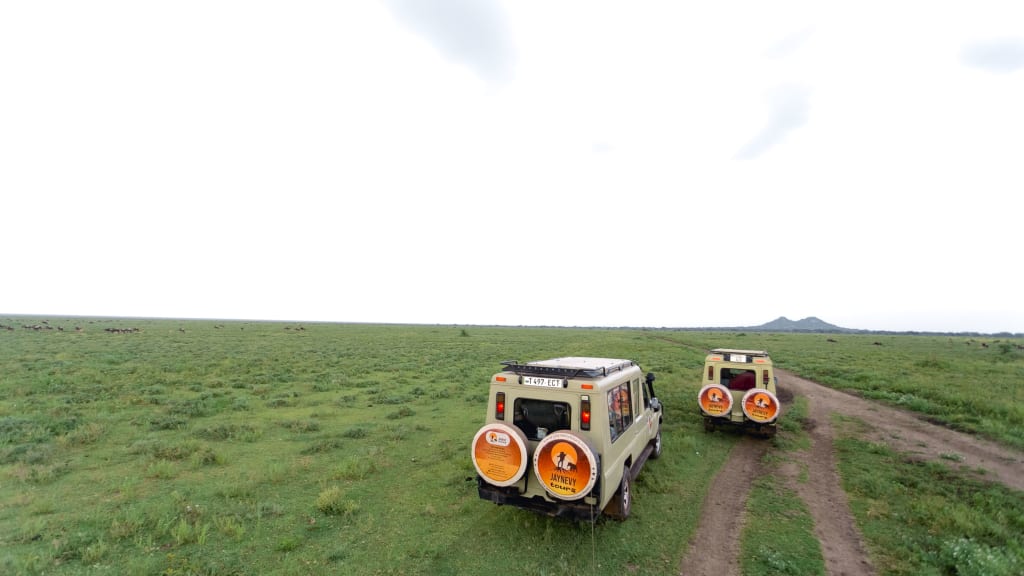
National parks are large, publicly owned protected areas, designated by a national government and intended to conserve and showcase natural, historical, or cultural significance. Tanzania is one of the country in Africa that has got many national parks. This country has got 22 national parks. Among the most popular are the Serengeti, Tarangire, Lake Manyara, Arusha, Mikumi, Ruaha, and Nyerere National Park.
All these national parks in Tanzania have got rules that both the visitors and the guides must follow. The rules and regulations are there to protect the natural environment plants and animals and to ensure the safety of the tourists.
National parks of Tanzania
Within the areas of national parks, no other human activity is allowed other that tourism. And to ensure that, there are special rangers known as park rangers to ensure no other human activity is being done in national parks. These park rangers also help in ensuring that animals in these national parks are not interfered by human activities.
In these national parks, the only cars that are allowed to enter and roam around are off-road vehicles. This activity of entering in the park and see different animals is simply called a game drive.
There is an exception of Kilimanjaro National Park, in which people are not allowed to enter with their cars, because people go there primarily to climb the highest mountain in Africa. There are also parks in remote places, such as on the islands of Lake Victoria or in the mountains near Africa's deepest lake, Lake Tanganyika. Visitors can get there by water. But most national parks are located in the vast open spaces of savannas and sparse forests.
In certain national parks, the authorities allow the construction of lodges and hotels that can accommodate travellers directly in the national park. This is important because game drives usually take place in the morning, just after sunrise, and in the evening, before it gets dark, which means that the distance between the overnight location and the start of the safari route should not be long.
Within national parks, all travellers are supposed to be inside their cars at all times. But there are a few special areas inside national parks where visitors are allowed to get out of the car, these are as follows:
i. Picnic sites or places where people may eat lunch
ii. Observation areas where you can step out and look at the scenery; and
iii. Walking safari routes in several national parks.
What will happen if you break the rules?
Each national park in Tanzania has got a set of rules that all visitors to these national parks must follow. In addition to those above, others are:
• You are not to interfere with the lives of animals in the park, damage plants, leave garbage, remove objects of animate and inanimate nature from the conservation areas or move around the park at night. All of these mandatory guidelines are there to ensure conservation of animals and environment in the park and the safety of visitors.
Speeding on a game drive
The speed limit to most of national parks should not exceed 50km/h. Over speeding in national parks will scare away many animals, especially small animals like rodents, small antelopes, birds, or some baby animals. Also the situation may happen when an animal suddenly jumps out onto the road and can be run over.
Also to avoid having accidents due to failure of the driver to control the car because of high speed is why over speeding is prohibited. Sometimes the victims of fast driving can become the passengers themselves.
Going off-road
When you do to the national parks there is a temptation of wanting to go offroad and get closer to the animals for close observation. There are smaller animals like baby caracals, servals, and other animals which stay in hiding places in grass while their parents go hunting or patrolling the territory. Some of nocturnal birds sleep in the grass during the day and therefore don't have time to react and fly out from under the wheels of an SUV in time. Harmless snakes, slow-moving turtles, nimble damselflies, tiny dik-diks and colorful butterflies all my be harmed by someone going off road. Whenever you visit national parks in Tanzania, look at the wildlife from the car, and if they are bit far try using binoculars.
Feeding wild animals
We are not to feed wild animals no matter what, since doing so, no matter how good the food is, it deprives animals of the skill to get their own food. The problem is especially great at the picnic sites of national parks, where outdoor tables are set up for diners. Park visitors bring their own lunchboxes with food. Often a game drive may take all day, and the picnic site snack is the only way to eat during the day between breakfast and dinner at the hotel.

Huge numbers of birds may flock to people's lunch spots. Monkeys and other small primates come running in too. Some of them modestly wait for people to throw them a treat, while the more courageous animals can steal food, often snatching it right out of the hands of tourists. When you see these animals, do not under any circumstance attempt to feed them.
If an animal in the wilderness has lived to long to be seen by you despite having dangerous predators around, then it means that animal is a strong and healthy animal and does not need your "help". Please do not try to feed wild animals and do not interfere with their natural life in an area protected from human influence. In a national park, you are only allowed to observe nature.
There is only one exception however, when it makes sense to intervene in the lives of animals from the conservation. If you come across a motherless baby animal or an unhealthy, injured animal on your African safari, you may ask your guide to contact the park rangers. Park ranger will give all the information they need about the animal in need of help and alert the Tanzanian Veterinary Service.
What other things should you pay attention to while visiting national parks?
In addition to the those rules above, there are other restrictions in Tanzania's protected areas. There is a ban on disturbing the animals at night. The permitted times for game drives may vary slightly from park to park, but in general in Tanzania which is close to the equator, the sun rises and sets at approximately the same times throughout the year: after 6 am and shortly after 6 pm, respectively.
You cannot interfere with the natural habitats, it is not allowed to bring animals and plants into the park, and neither can you take flora and fauna out from the park, or take things like found skulls, bones, rocks, and other objects of nature.
And you can't leave trash in the parks, including unextinguished cigarettes. No campfires are allowed. Fires can be dangerous in an arid region. In 2020 and in 2022, there were fires in Kilimanjaro Park that could only be extinguished thanks to the quick response from the united rangers, and the help from tour guides and porters.
Kilimanjaro National Park rules
Kilimanjaro National Park is Tanzania's eighth national park if you look at the historical sequence of their designation. Most of this park’s territory is covered by dense tropical forests which surround the famous mountain of the same name.
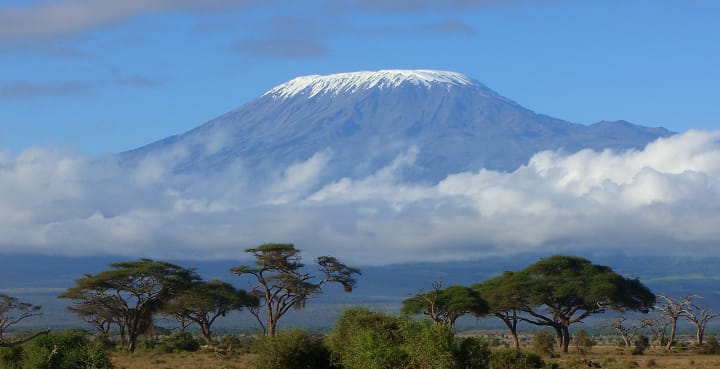
The following are the general rules of Kilimanjaro National Park.
1. You can move around the Kilimanjaro national park only on equipped trails following the guides, and spend the night in places designated for camps.
2. It is forbidden to make an open fire, as well as to do all that is not allowed in other national parks.
3. If children under 10 years take part in the expedition, they can go no higher than 3700 meters.
We ask all visitors to Tanzanian national parks to respect these rules, keeping in mind that they are all designed to protect plants, animals and visitors themselves found in the national parks.
We hope you have a fantastic and safe experience on your trip to Tanzania.
About the Creator
Jaynevy Tours
Jaynevy Tours offers personalized Tanzanian safaris to Serengeti, Ngorongoro Crater, and Zanzibar. Expert guides and unique experiences for all.
Keep reading
More stories from Jaynevy Tours and writers in Wander and other communities.
Altitude acclimatisation and Altitude Sickness while climbing Mount Kilimanjaro
Every year, thousands of people from all around the world come to Tanzania to climb the highest free-standing mountain on the African continent, Mount Kilimanjaro (5,895 meters). Some of these mountain climbers return home without reaching the top of Mount Kilimanjaro. One of the major causes that cause people not to reach the highest mountain is poor altitude acclimatization.
By Jaynevy Tours7 months ago in Wander
Away from the Crowds in Wisconsin
Located on Lake Superior, the Apostle Islands are great for outdoor adventures. They are known for pristine beaches and sea caves. Cliffs offer awesome views. Visitors enjoy hiking along scenic trails or getting out on the water and sailing.
By Rasma Raisters6 days ago in Wander
Cassie and Johnny
I’m the kind of dame you notice. I’m no femme fatale, but you can’t ignore me, at least not until I warn you about what’s coming, then everybody ignores me. Hell, they usually blame me afterwards and give Johnny all the credit for saving the day, but my Johnny couldn’t save a seat at the movies without my help. Sure, he’s brawny, but brainy? Not so much. Like that time I asked him to spot me five bucks, and he said he didn’t see it anywhere on me, and believe you me, he looked but good.
By Harper Lewis5 days ago in Critique


Comments
There are no comments for this story
Be the first to respond and start the conversation.