
Rosario on the Parana River
Sightseeing in a port city in the South American country of Argentina
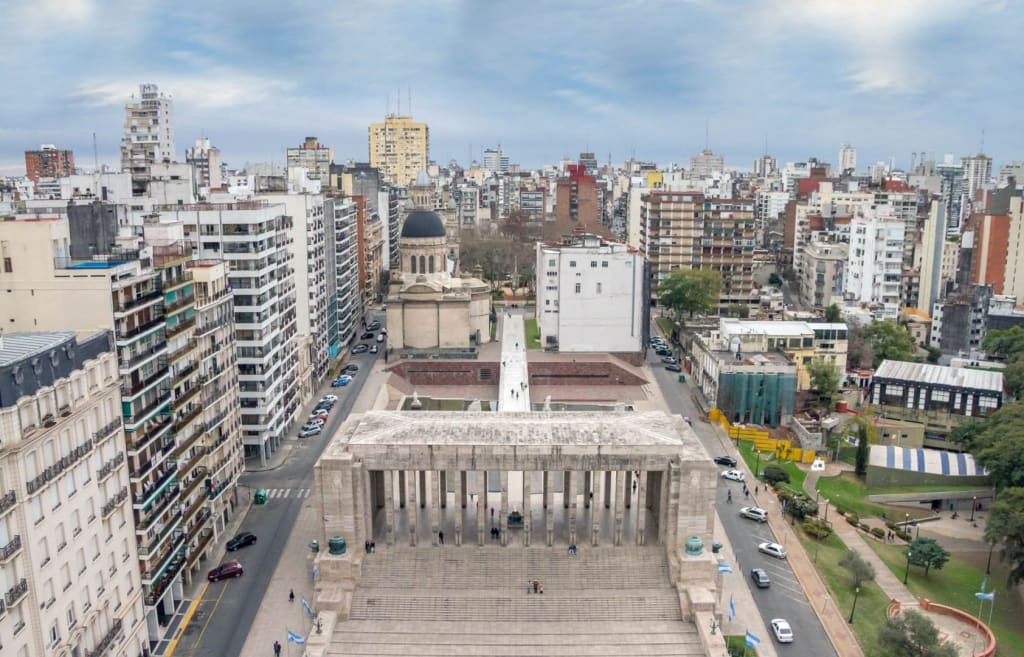
Rosario a major port city on the Parana River. The city is proud of its location and the best way to see what both the river and the delta have to offer is to rent a kayak and get out on the Parana. This is the second-longest river in South America. In your kayak, you can paddle around the city’s waterfront and sandy beaches. If you prefer, you can take a motorboat tour or a cruise, so you can see more of the canals, and agriculture. and rural life outside the city.
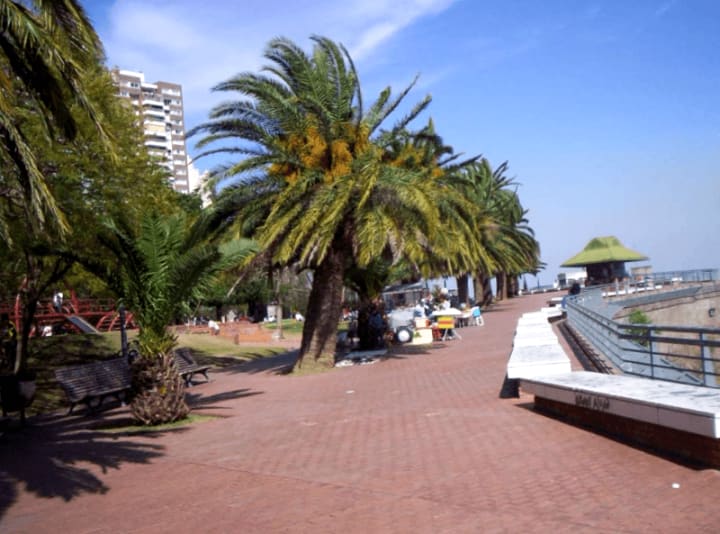
Costanera is the most attractive feature of this city. It is the waterfront which stretches about 15km from its southern end at Parque Urquiza to the city’s northern edge where the suspension bridge crosses into Entre Rios province. It is a wonderful place for strolling and seeing birdlife, people watching, and watching the cargo ships sailing by.

Parque Urquiza is a waterfront park near the flag memorial. Here you can stroll, relax and pick up some food from the vendors. People do some exercise on the trails and equipment here. You can also bring some food and have a picnic. There’s an amphitheater where occasional performers play and within the park is an astronomical observatory. There is a children’s playground and on its edges many restaurants and bars.
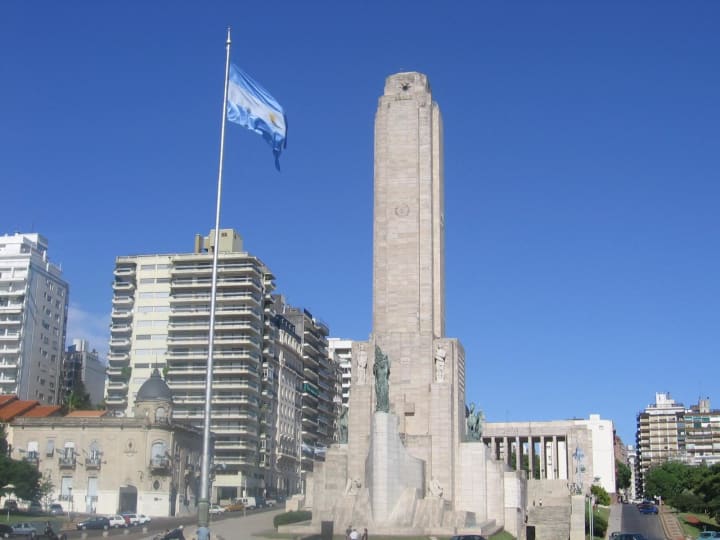
Monumento Nacional a La Bandera resting in a crypt beneath this colossal stone obelisk is the man who designed the Argentine flag, Manuel Belgrano. This was the place where the flag was first raised. You can take an elevator to the top for amazing views of the city. There is an eternal flame that commemorates those who died for their fatherland. This monument to the national flag of Argentina is one of the city’s real tourist attractions. If you like you can arrive at 8:15 AM in the morning to watch the raising of the flag.
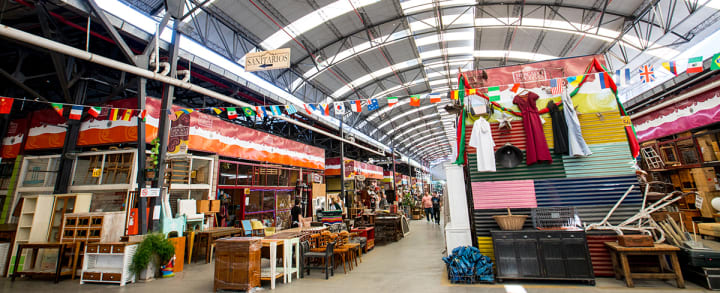
Mercado de Pulgas del Bajo is a great flea market that opened in 1982. It is one of the oldest markets of its kind in the city. It is located next to the National Flag Memorial. On Saturdays and Sundays, there are stalls of over 50 artisans and craftsmen. Things like small handicrafts, leather goods, silver, candles, incense burners, and mate gourds are for sale. You can get some delicious food from the food carts.
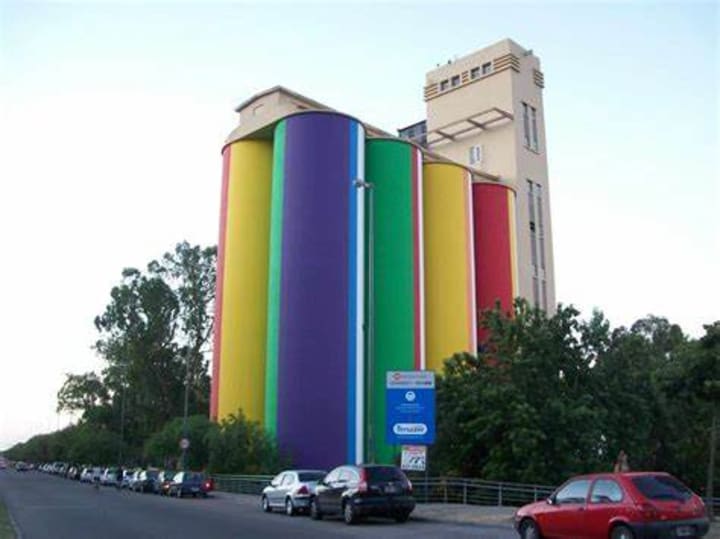
Museo de Arte Contemporaneo de Rosario has found its home in a brightly painted grain silo on the waterfront. The eight silos have been painted in different colors and a glass elevator will take you to the top. Here you can see temporary exhibitions, mostly by young local artists. There are small galleries spread over eight floors. From the top, you can have a good view of the river islands. This museum is also known as MACRO and houses what’s possibly the most important collection of contemporary art in the country. On the ground floor is a wonderful riverside cafe. Davis offers 180-degree views of the river.
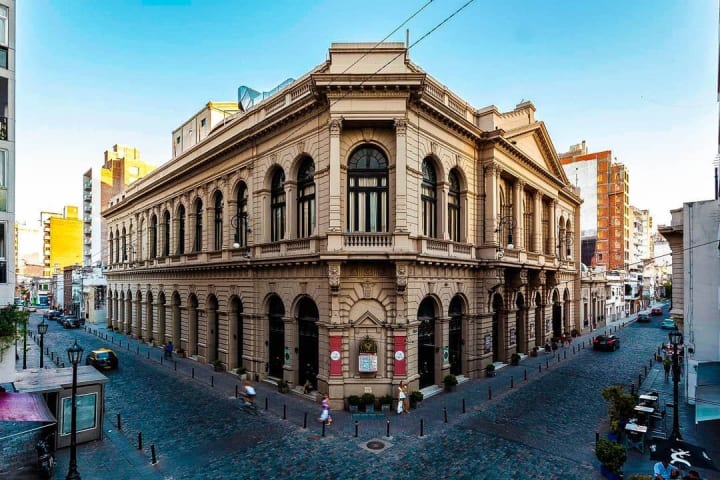
Teatro El Circulo is a historic theater that was renovated in 2004 to celebrate its 100th anniversary. Today it functions as a cultural center and stage for international performers, rock bands, and operas. It has room for 1,450 people within five levels and the dome of the main room is painted with lovely frescoes. Visitors can take a guided tour. When a performance is going on the acoustics are great and during intermissions, you can buy champagne and empanadas.
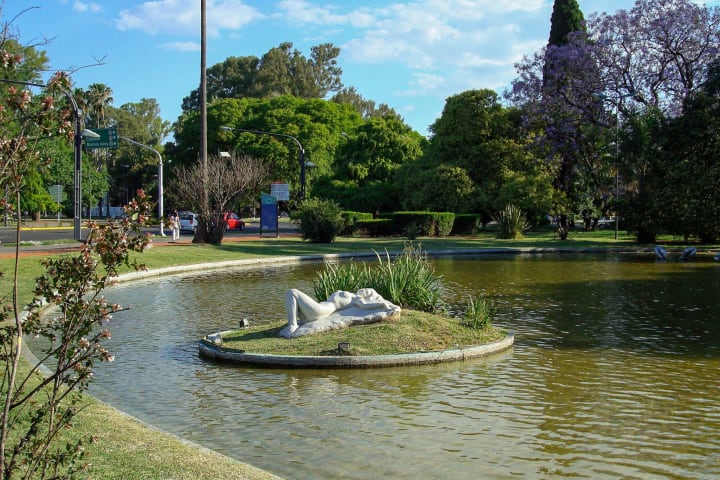
Parque de la Independencia is the city’s largest park. It has gardens and a lake where you can rent paddle boats. You can feed the ducks and there are fountains with “dancing waters”. Within the park are food vendors, a history museum, a fine arts museum, and a children’s play area. Also, you’ll find Estadio Marcelo Bielsa, a football stadium, home to Newell’s Old Boys. It also has a museum which is not open on match days.
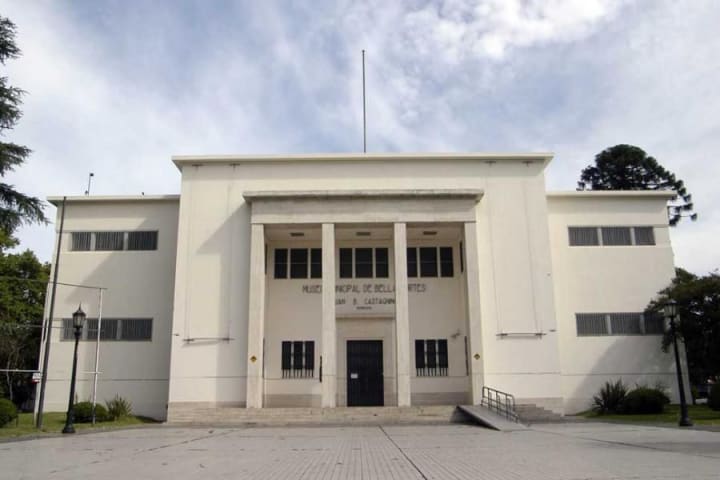
One of the museums within the park is the Museo Municipal de Bellas Artes. This gallery has inventive displays of contemporary and 20th-century artwork from the Macro collection and its small collection of European artwork. This museum was named for one of the city’s most important art collectors. It offers exhibits that change regularly and permanent collections by European, Argentine, and local artists. There are more than 3,000 artworks exhibited in 35 rooms, many of them donated from the private collections of local aristocrats. Some of the artwork dates back to the 15th century and in the current collection are paintings by famous artists like Goya, El Greco, and Ribera.
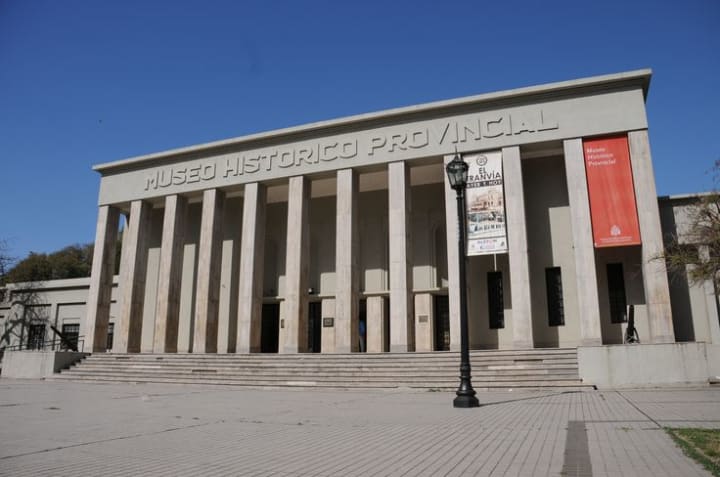
Also in the Parque de la Independencia is the Museo Historico Provincial “Julio Marc” where you can learn about the local, regional, and national history. The collection includes artifacts from several South American cultures. There are over 30 rooms displaying things like textiles and tools from indigenous people, weapons, coins, medals, and Hispanic art. Visitors can also learn about colonial times and Argentina’s struggle for independence.
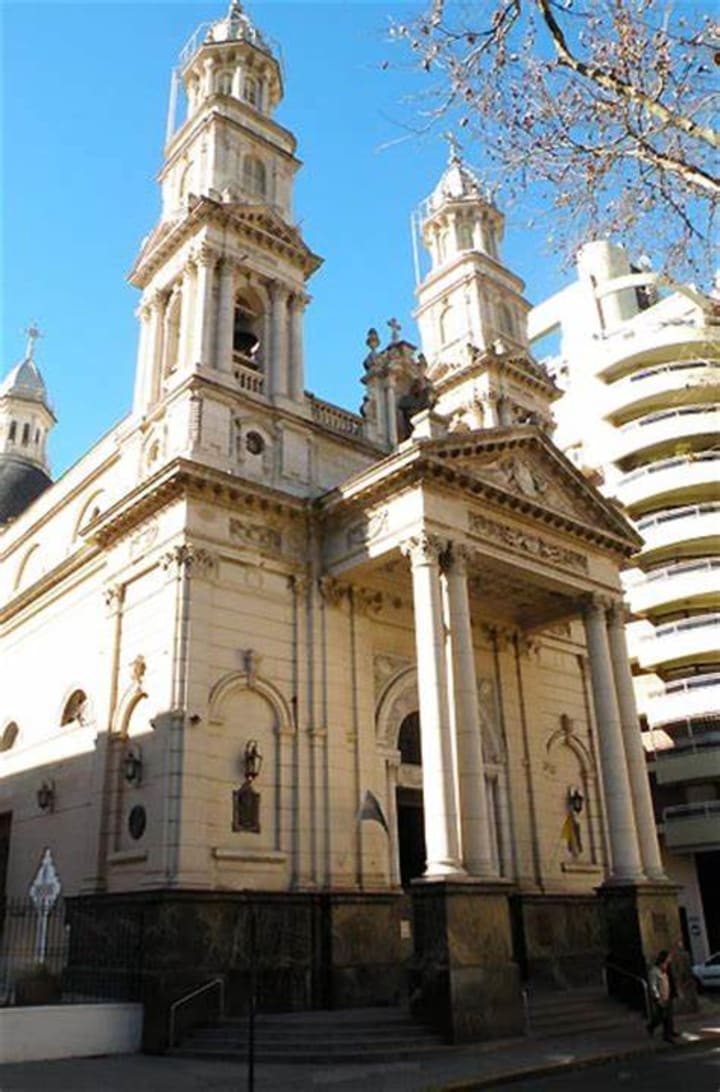
Basilica Catedral de Nuestra Senora del Rosario is an impressive cathedral that is ornate and lovely on the inside. Visitors can attend services. The Italian marble altar is amazing as is the architecture of the domes and the beautiful frescoes painted on the ceiling. It is located in the oldest part of the city and located next to the municipal building, el Palacio de los Leones.
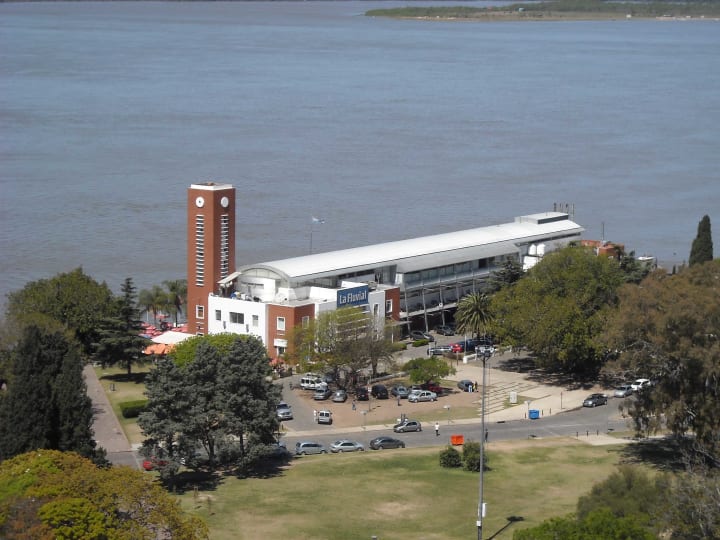
The Estacion Fluvial Building offers boat trips and a place for eating and drinking.
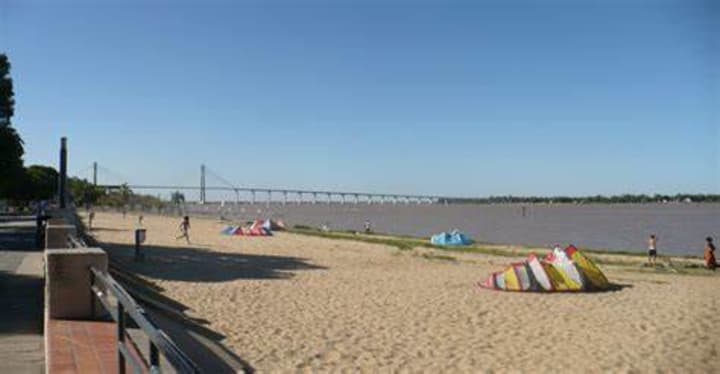
The public beach of Rambla Catalunya is backed by a promenade and restaurants and bars.
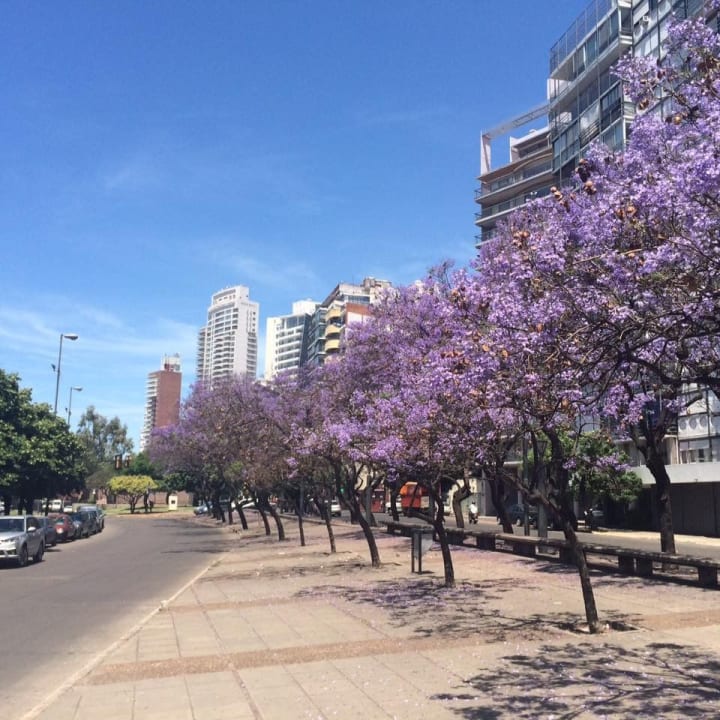
Parque de Espana has become a riverbank landmark.
About the Creator
Rasma Raisters
My passions are writing and creating poetry. I write for several sites online and have four themed blogs on Wordpress. Please follow me on Twitter.
Keep reading
More stories from Rasma Raisters and writers in Wander and other communities.
Worth the Wait: Puerto Viejo, Costa Rica
Beach bumming in a small Caribbean beach town sounded like a perfect way to end our 6-month trip through Mexico and Central America. Or so we thought. The foul, fishy stench of rotten seaweed hit our nostrils as we stepped from the cramped bus and looked out at a rather depressing, empty, and underwhelming black sand beach. It was pouring with rain, and we had to quickly fish out our ponchos. We thought, this couldn’t be it, could it?
By Sh*t Happens - Lost Girl Travel7 days ago in Wander
Lost in Translation: How Getting It Wrong in Asia Taught Me How to Travel Right
My first morning in Hanoi started with a sensory assault. I was sitting on a tiny blue plastic stool, knees touching my chin, watching a woman whisk an egg yolk into a cup of robusta coffee. The air smelled of charcoal smoke, cilantro, and exhaust fumes. It was chaotic, loud, and utterly mesmerizing.
By Eleni N. Markou4 days ago in Wander
TUS NUA - ch 53
TUS NUA – ch 53 New Beginnings – Mia and Midnight (*)(*)(*) Finola knew Ali’s brother-in-law needed to put his mind at rest. She fed her arm through his and led him outside. “We’ll sit here. If you like, I can put a block around us so our conversation will be private.”
By Margaret Brennan5 days ago in Fiction



Comments
There are no comments for this story
Be the first to respond and start the conversation.