
Republic Day, October 29th!
A celebration of freedom, nationalism and peace.


For me this article is a informational post on Republic Day, how the Turkish people got there and my personal viewpoints having spent months in Turkiye on the people, their religion and honor.
Turkish Republic Day, known as "Cumhuriyet Bayramı" in Turkish, is celebrated on October 29th each year. It commemorates the proclamation of the Republic of Turkey in 1923, effectively marking the end of the Ottoman Empire and the establishment of a modern, secular, and nationalist state under the leadership of Mustafa Kemal Atatürk.
Here’s what makes this day special:
1. Historical Significance: The Republic was officially declared on October 29, 1923, following the War of Independence, which established Turkey as an independent nation. This day represents the shift from monarchy to republic and showcases major reforms in Turkish society.
2. Festivities: Republic Day is celebrated with a variety of events throughout Turkey, including parades, fireworks, concerts, and ceremonies in schools, government buildings, and public areas. The biggest celebrations usually happen in Ankara and Istanbul.
3. Cultural Importance: It’s a day for showing patriotism and national pride, often featuring speeches from officials and public figures who celebrate the Republic's achievements and values.
4. Reflection on Growth: This day also serves as a time to reflect on the progress made since the Republic's founding, including advancements in education, women's rights, and modernization.
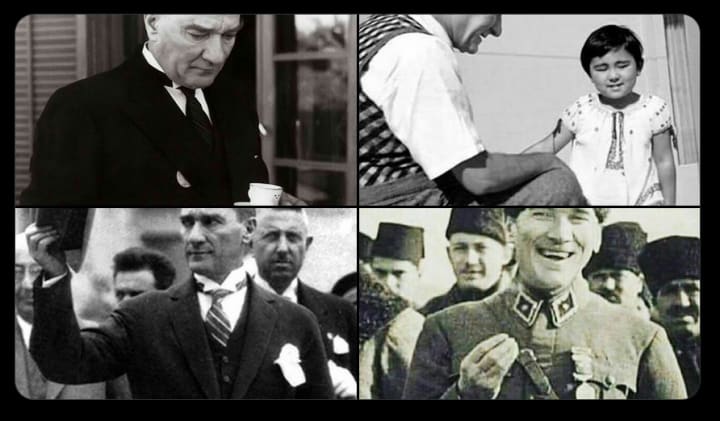
Mustafa Kemal Atatürk (1881–1938) was the man who founded and became the first President of the Republic of Turkey. He played a huge role in changing Turkey into a modern, secular nation, making him a key figure in the country’s history.
Here are some important details about Atatürk:
Early Life and Military Background
Birth: Atatürk was born in 1881 in Salonika, which was part of the Ottoman Empire back then (now known as Thessaloniki in Greece).
Education: He went to military school and graduated as a second lieutenant. His military journey included various roles, especially during World War I.
Leadership in War: He became well-known for his leadership during the Gallipoli Campaign in WWI, earning the status of a national hero.
War of Independence: After the Ottoman Empire's defeat in WWI, Atatürk led the Turkish War of Independence (1919–1923) against the occupying Allied forces and the remnants of the Ottoman government. His leadership was vital in uniting the Turkish people.
Founding the Republic: On October 29, 1923, Turkey was officially declared a republic, and Atatürk took on the title of its first president. In 1934, he adopted the surname "Atatürk," which means "Father of the Turks," highlighting his influence in shaping the nation.
Atatürk rolled out a bunch of major reforms to bring Turkey into the modern age such as:
Secularization: He got rid of the caliphate, made sure religion and government were separate, and put secular laws in place.
Legal and Educational Reforms: He swapped out Islamic law for secular legal codes and set up schools to boost education and literacy rates.
Cultural Reforms: Atatürk embraced Western culture, even changing the writing system from Arabic script to the Latin alphabet.
Women’s Rights: He empowered women by giving them the right to vote and run for office, making huge strides for women's rights in Turkey.
Legacy
Atatürk is celebrated as a forward-thinking leader who played a huge role in modernizing Turkey and shaping its national identity. His guiding principles, often referred to as "Kemalism," encompass republicanism, nationalism, populism, statism, secularism, and reformism. He is still held in high regard in Turkey, and his ideas continue to shape the country's politics and society.
Death
Atatürk died on November 10, 1938, and every year at 9:05 AM, the moment of his passing, people remember him. His mausoleum, Anıtkabir, located in Ankara, stands as a national monument and a place of pilgrimage for many.
Atatürk's vision and reforms have left a lasting mark, making him a key figure in conversations about Turkish identity, modernity, and governance.
________________________________________
While I was in Turkey, I witnessed the people and their national pride, their pride in each other and in their children. There were parks everywhere. My friend's children played with any other kid even American children who wished to play. They flew kites and my friend's son enjoyed playing with the radio controlled car I brought for him from America. We spent a lot of time in sidewalk cafes drinking y and eating pasta (which in Turkish means Bakery products like cake, etc) We watched the people and my friend pointed out how they weren't all like us Americans viewed them. We saw preppy types, emo teens and even saw a few with Hats and boots like one might see in Texas. It wasn't all hijabs and saraks. The more conservative Turkish people, yes, but it was very important to my friend that I saw the freedom and diversity that her people have. They are a proud people. I thoroughly enjoyed getting a history lesson from my friend on both past and modern history of her people.
The pride and honor of the Turkish people are deeply embedded in their history, culture, and national identity. Here are a few key elements that contribute to this pride:
1. Historical Legacy
Ottoman Empire: The Ottoman Empire, known for being one of the longest-lasting and most impactful empires, is a major source of pride for many Turks. Its rich cultural contributions, stunning architecture, and role as a bridge between East and West are celebrated.
War of Independence: The successful fight for independence led by Mustafa Kemal Atatürk after World War I is a cornerstone of Turkish pride, symbolizing resilience and the strength to overcome challenges.
2. National Identity
Republic of Turkey: The founding of the Republic in 1923 marks a crucial turning point in Turkish history. It signifies a departure from the past and the emergence of a modern nation-state with its own identity, values, and governance.
Language and Culture: The Turkish language, literature, and diverse cultural traditions create a strong sense of unity and pride. The revival and promotion of Turkish culture and history, especially after Atatürk's reforms, strengthen national identity.
3. Cultural Heritage
Art and Literature: Turkey boasts a vibrant artistic heritage, from classical Ottoman art to contemporary Turkish literature. Notable figures like poet Nazım Hikmet and Nobel Laureate novelist Orhan Pamuk enhance cultural pride.
Festivals and Traditions: Events like Republic Day, National Sovereignty and Children’s Day, and various regional festivals celebrate Turkish customs, fostering community spirit and pride.
4. Geographic Importance
Unique Spot: Turkey's location as a link between Europe and Asia really boosts its cultural richness and importance. This prime spot has shaped trade, culture, and history for ages.
5. Military Legacy
Defense and Pride: The Turkish military has always been a source of pride, thanks to its role in protecting the nation and its independence. Key events like the War of Independence and joining NATO have only added to this sense of pride.
6. Contemporary Successes
Growth and Innovation: Turkey has seen some serious modernization and economic growth in recent years, along with strides in tech, industry, and education, which fuels a feeling of hope and national pride.
Global Impact: Turkey's active participation in international organizations, humanitarian work, and peacekeeping missions shows its dedication to global collaboration, further enhancing national pride.
Let's dive into a topic that's often overlooked and usually 'the elephant' in the room, so to speak.
The Average Muslim's Perspective on Terrorism
When it comes to terrorism, most Muslims around the world are pretty clear: they strongly denounce violent extremism and are all about peace. Here are some important points to keep in mind about how many Muslims view this issue:
1. Rejection of Violence
The vast majority of Muslims globally are against terrorism and violence done in the name of Islam. They see these actions as completely opposite to the fundamental teachings of their religion, which focus on peace, compassion, and justice. Many believe that terrorists twist Islamic teachings to rationalize their actions, which lead to the suffering of innocent people.
2. Frustration with Misrepresentation
A lot of Muslims feel frustrated by how the media and society often connect Islam with terrorism. They think these links unfairly stereotype Muslims and fuel Islamophobia, resulting in discrimination and social divides. It's important to note that most victims of terrorism are actually Muslims, especially in regions plagued by extremist violence.
3. The Importance of Community Support
Many Muslims push for community discussions and education to fight against radicalization and encourage understanding among different faiths and cultures. Community leaders and organizations frequently engage in outreach efforts aimed at countering extremism and creating a more tolerant and accepting environment. Case in point:
1. There's a strong push within the Muslim community for everyone to come together against extremism, highlighting that violence and terrorism don't reflect the true essence of Islam. Many scholars and organizations are dedicated to spreading a message of peace and countering the radical ideas that lead to violence.
2. A lot of everyday Muslims recognize that terrorism stems from complicated social and political issues, like poverty, oppression, foreign meddling, and social injustice. They often stress the importance of tackling these root problems instead of unfairly blaming entire communities.
3. In areas that have dealt with serious threats from extremist groups, like parts of the Middle East, South Asia, or Africa, feelings can differ based on local experiences. Some people might experience a mix of fear, anger, and a strong desire for justice or resolution. Community strength and action against extremism are common, with local leaders often stepping up to promote peace and understanding.
Overall, most Muslims strongly disapprove of terrorism and advocate for peace, working hard to correct the misconceptions about their faith. The global Muslim community aims to share a balanced perspective that highlights the need for understanding, coexistence, and a firm rejection of violence.
My views on religion:
I personally believe in freedom of religion. I am Christian and I do believe in God. I also believe as Christians we put our God inside of a box. We try to make God small. We try to put constraints on God like we are the only people God has. I believe God has visited and inspired many people, even in different forms with different stories, appearances. Many of you may disagree but I just can't limit my God by believing Christians are all that were ever reached out to. When I was in Istanbul I was fortunate enough to hear the call to pray 5 times a day. It had to be one of the most beautiful, spiritual things I have ever heard. It rang throughout the streets and I sat on the balcony and thought about God and about Love. How much easier it would be if we all chose Love over Hatred.
The Adhan, or Azan, is the Islamic call to prayer and plays a vital role in the Muslim community. It serves several key functions: it signals the time for the five daily prayers (Salah), reminds believers of their faith, and encourages everyone to come together for worship.
Let’s break down the Adhan a bit more:
Historical Background
The tradition of calling to prayer started in the early 7th century CE during the time of the Prophet Muhammad. His companion, Bilal ibn Rabah, was selected as the first muezzin because of his powerful voice and strong belief.
Structure and Phrases
The Adhan is made up of specific phrases recited in Arabic, typically sung from a mosque's minaret, although it can also be called from inside the mosque.
Timing
The Adhan is announced five times a day, aligning with the five daily prayers in Islam: Fajr (pre-dawn), Dhuhr (midday), Asr (afternoon), Maghrib (after sunset), and Isha (night). The timing for each call is based on the sun's position.
Importance
The Adhan acts as a reminder of God's presence and brings the community together for prayer, fostering a sense of unity and religious identity among Muslims. It creates a spiritual atmosphere and establishes a rhythm of worship throughout the day.
Modern Adaptations
While the traditional call is often made from mosque minarets, many places now use loudspeakers to reach a wider audience. In some predominantly Muslim countries, the Adhan is a familiar sound in daily life, echoing through the streets.
Conclusion
For many Turkish people, pride and honor stem from a blend of historical significance, cultural richness, and national achievements. This pride is often reflected in daily life, public celebrations, and the country's ongoing efforts to balance its rich heritage with modernization.
I personally wish every Turkish person a Happy Republic Day and thank them for making me feel so very extremely welcome in their country. And to even Muslim person I say "Mashallah!" (God is always Willing!)
Also if you want a taste of what walking down a city street in the area I stayed in, the Atasehir region of Istanbul, is like see video below:
About the Creator
ᔕᗩᗰ ᕼᗩᖇTY
Sam Harty is a poet of raw truth and quiet rebellion. Author of Lost Love Volumes I & II and The Lost Little Series, her work confronts heartbreak, trauma, and survival with fierce honesty and lyrical depth. Where to find me


Comments
There are no comments for this story
Be the first to respond and start the conversation.