


Paraguay is a landlocked country located in South America, bordered by Brazil to the east, Argentina to the south and west, and Bolivia to the north. It is known for its diverse culture, rich history, and beautiful natural landscapes.
The official language of Paraguay is Spanish, and the country has a population of approximately 7 million people. The capital and largest city is Asunción, which is located on the banks of the Paraguay River.
The history of Paraguay is deeply rooted in the indigenous Guaraní people, who have lived in the region for thousands of years. The Spanish arrived in the 1500s and established a colony, but it was not until the late 1700s that Paraguay began to assert its independence from Spain.
In 1811, Paraguay declared its independence from Spain and became a republic. The country has since undergone a series of political and economic changes, including a brief period of dictatorship under Alfredo Stroessner in the 20th century.
Today, Paraguay is a democratic republic with a strong economy based on agriculture, manufacturing, and services. The country is one of the top exporters of soybeans and beef in the world, and it also has a growing manufacturing sector, particularly in the areas of textiles and electronics.
One of the most notable features of Paraguay's culture is the strong influence of the Guaraní people. The Guaraní language is still widely spoken in the country, and traditional Guaraní customs and practices are an important part of Paraguayan culture.
Paraguay is also known for its rich folklore, which is deeply rooted in indigenous and Spanish traditions. The country is home to a variety of traditional dances, including the polka and the murga, as well as a number of traditional festivals and celebrations, such as the Paraguayan Carnival.
Another important aspect of Paraguayan culture is its music. The country is known for its traditional harp music, which is considered to be one of the national symbols of Paraguay. Paraguay also has a rich tradition of folk music, which is characterized by its use of the guitar and the accordion.
Paraguay's natural landscapes are also a major draw for visitors. The country is home to a variety of ecosystems, including subtropical forests, savannas, and wetlands. The most famous of these is the Pantanal, which is the world's largest wetland and home to a diverse array of wildlife, including jaguars, capybaras, and marsh deer.
Paraguay is also home to a number of national parks and protected areas, including the Cerro Corá National Park, which is known for its beautiful waterfalls and hiking trails.
In addition to its natural beauty, Paraguay is also known for its rich history and cultural heritage. Visitors can explore the country's colonial architecture, including the historic center of Asunción, which is home to a number of historic buildings, including the National Pantheon of the Heroes.
Paraguay is also home to a number of museums and cultural centers, including the Paraguayan National History Museum and the Paraguayan National Library, which are dedicated to preserving the country's rich cultural heritage.
In conclusion, Paraguay is a country with a rich history, diverse culture, and beautiful natural landscapes. Its diverse culture is deeply rooted in the indigenous Guaraní people, and its music, traditional dance, and festivals are an important part of Paraguayan culture. Its economy is based on agriculture, manufacturing and services. Paraguay is home to a number of national parks and protected areas, including the Pantanal, which is the world's largest wetland and home to a diverse array of wildlife
About the Creator
Stateside Chronicles
"Discover the essence of America at AmeriStory Hub. Uncover captivating tales, diverse cultures, and the heartbeat of the U.S. in every post. Join our journey through the Stateside Chronicles. 🇺🇸✨ #AmeriStoryHub
Keep reading
More stories from Stateside Chronicles and writers in Wander and other communities.
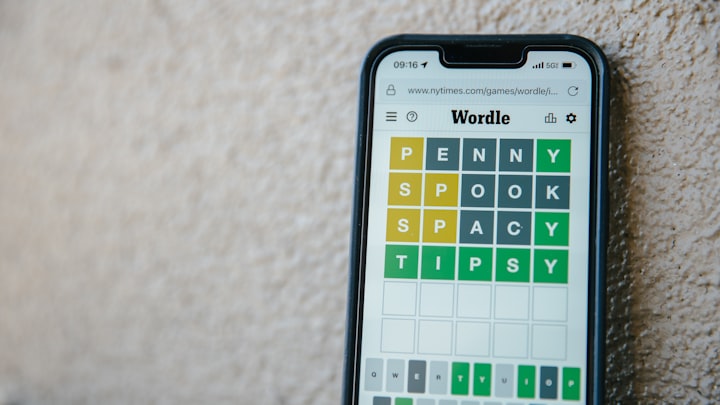
How does Wordle scoring work?
Wordle is a popular online word game that challenges players to guess a secret word based on a series of clues. One of the key features of the game is its scoring system, which calculates a player's performance based on a variety of factors. In this article, we will take a closer look at how the Wordle scoring system works.
By Stateside Chronicles3 years ago in Gamers
When the Shelter Closes
Across the street from my house, a man slept under a tree, his dog by his side. My first, naive thought: he must be traveling through. But he kept coming back, often sleeping there during the day. Then it hit me—that person might not have a home.
By Bride of Sound4 days ago in Humans


Comments
There are no comments for this story
Be the first to respond and start the conversation.