

Austria
Salzburg
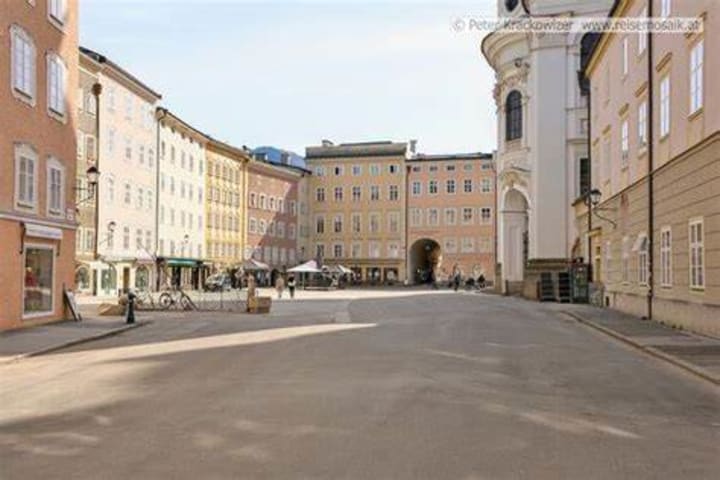
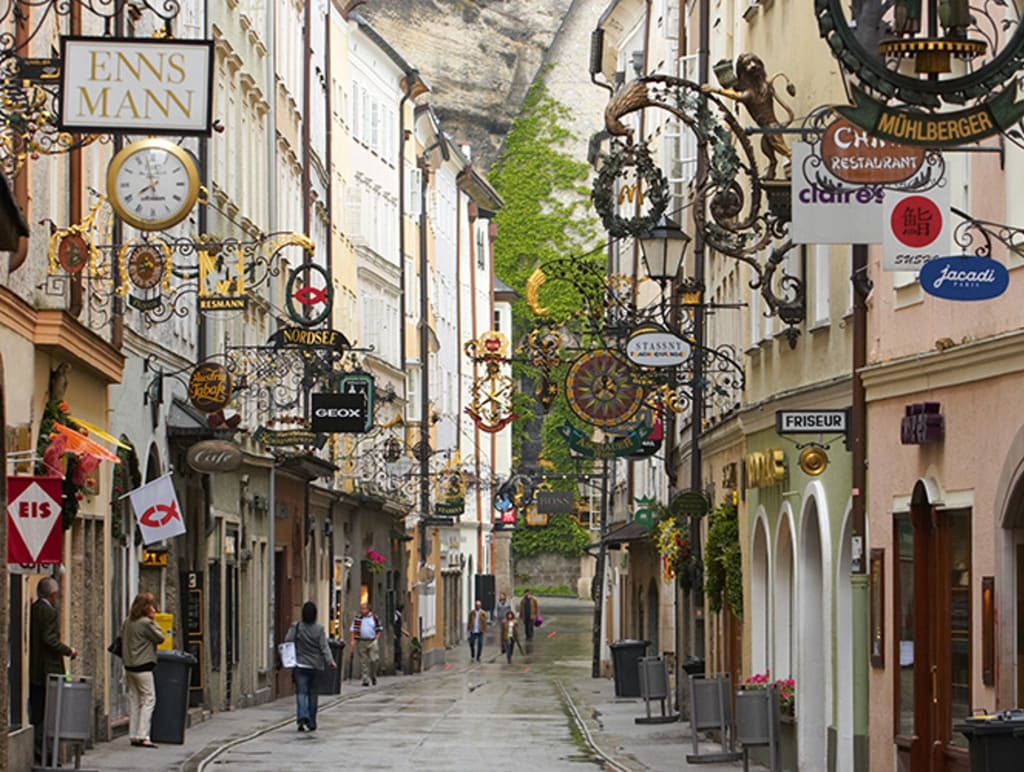
The Old Town from University Square has many passageways known as “Durchhauser” which wind northward to Getreidegasse. It is a busy pedestrian area that has become a UNESCO World Heritage Site.
It is lined with quaint old merchant homes that date back to the 15th and 18th centuries. Walking in the Old Town you can find old courtyards. There are boutique shops, art galleries, cafes, and restaurants.
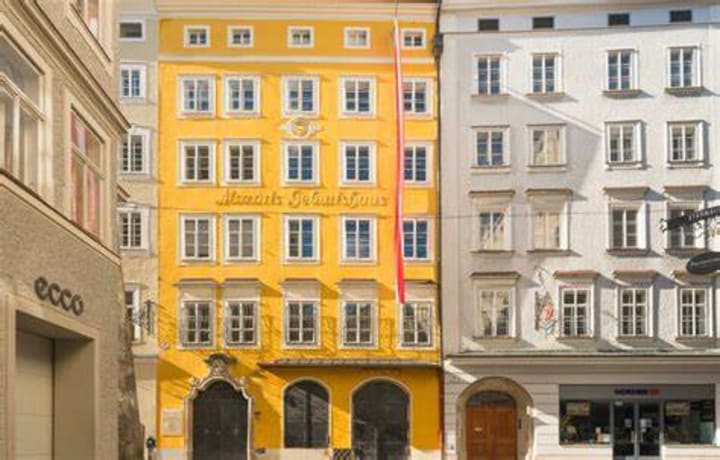
On Geitreidegasse you’ll find the birthplace of the Austrian composer Mozart.
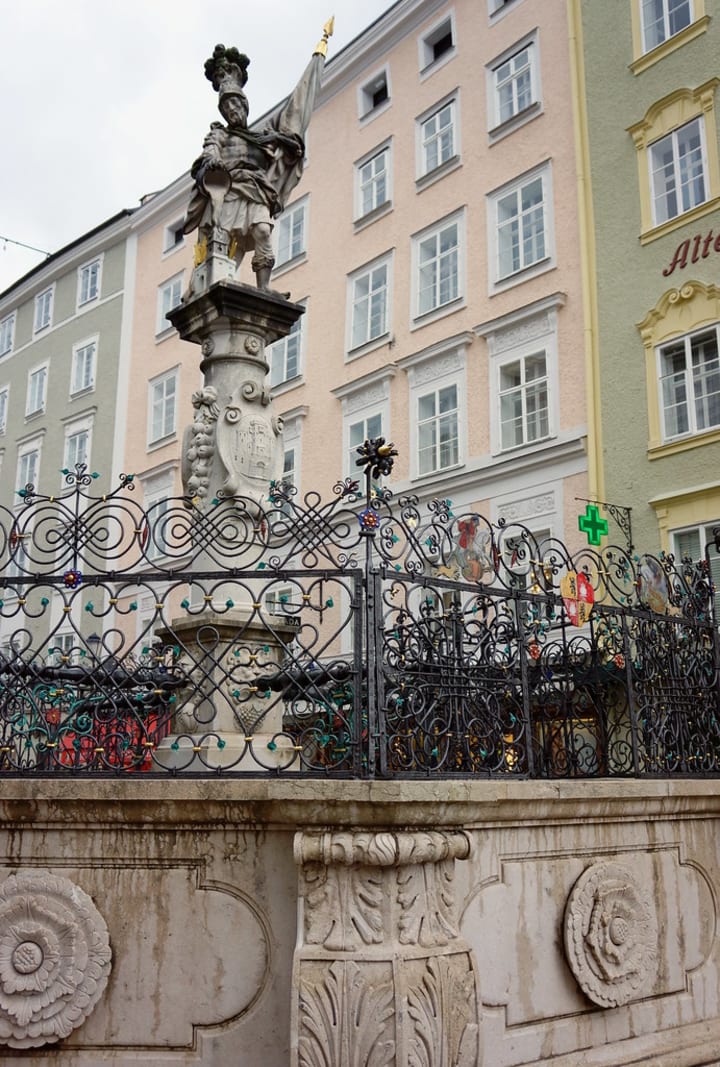
The Kranzlmarkt is located at the eastern end of Getreidegasse. Here you'll find the Old City Hall. In the Old Market is the Court Pharmacy from the 13th century and in the middle of the square you'll find St. Florian's Fountain, which is a landmark known for its unique octagonal basin and spiral grille from 1583.
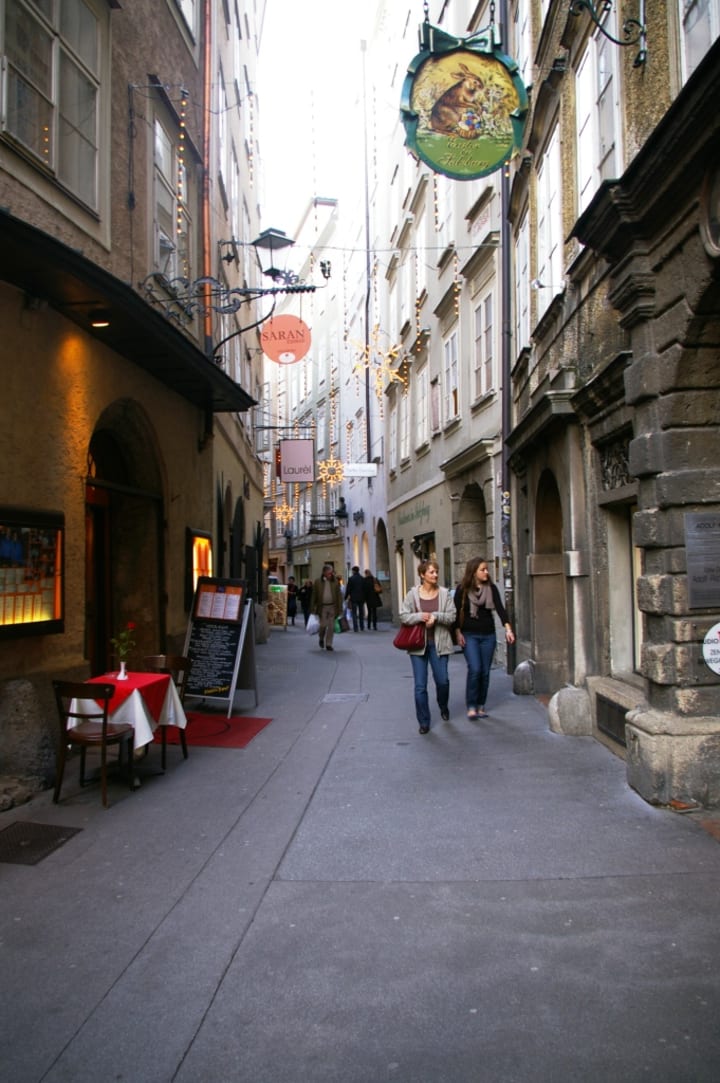
The Judengasse is also in the Old Town with narrow, twisting lanes.
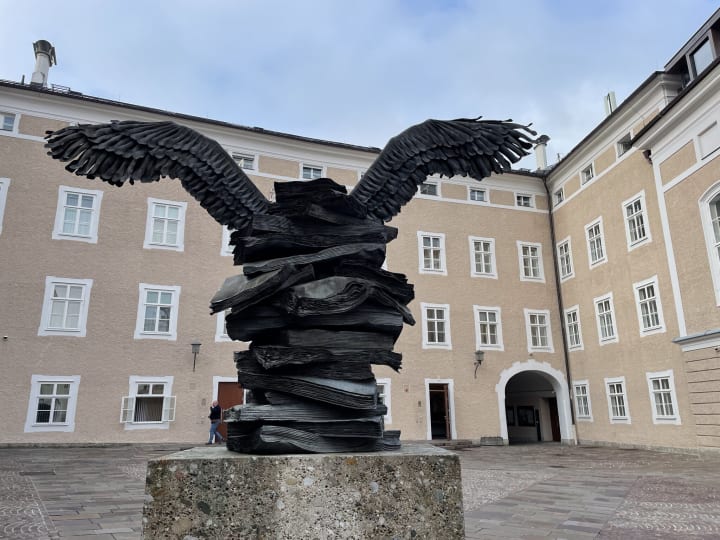
The Chiemseehof was built in 1305 and was once the residence of the Prince Bishops of Chiemsee until 1806. It has a lovely arcaded courtyard decorated with Coats of Arms.
Vienna
The Innere Stadt offers a look into the old world. Take a walk down Kartner Strasse the famous shopping street with many shops and historic buildings.
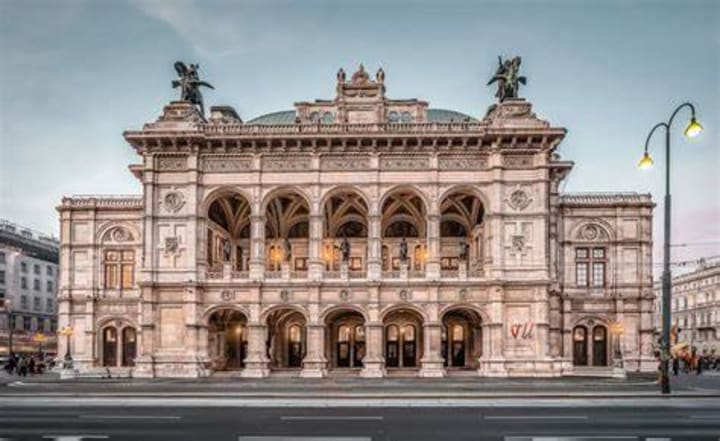
The Vienna State Opera House has hosted many of the world's most prominent composers, conductors, soloists, and dancers. The most wonderful opera and ballet performances are staged here. The opera house was built in 1869 in the French Early Renaissance style. The highlights of the interior include a grand staircase leading to the first floor, the Schwind Foyer with paintings of famous opera scenes, and the Tea Room with valuable tapestries. It is home to the Vienna Philharmonic Orchestra. The House of Music lets visitors take a look into sound and music through interactive displays and demonstrations.
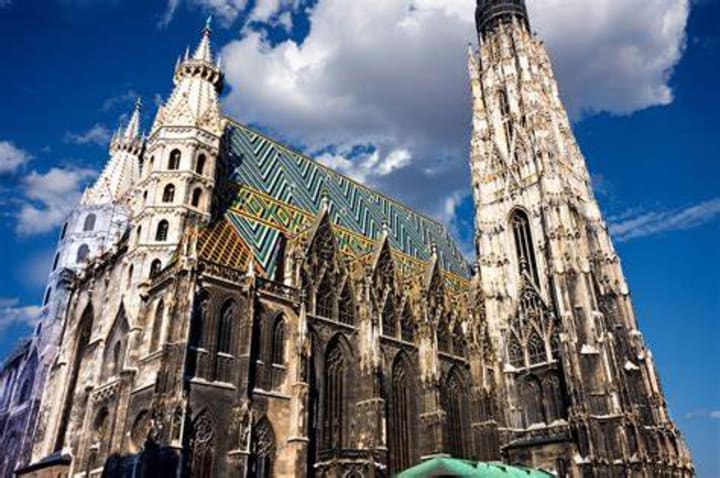
St. Stephen's Cathedral is the most important Gothic edifice in Vienna. It has been the cathedral church of the archbishopric since 1722. The original 12th-century Romanesque church was replaced in the 13th century with another construction in the Gothic style in the 14th century. St. Elgius, St. Tirna, and St. Catherine chapels were added. The famous South Tower at 137 meters high was added in the 15th century. Among the highlights here is climbing the 343 steps to Steffl's Watch Room for fantastic views, and the North Tower is home to the massive Pummerin Bell. There is a lift you can take to the viewing platform. English language tours are available.
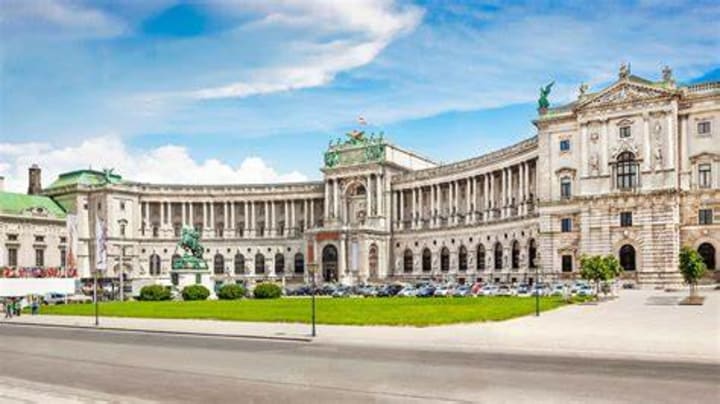
The Hofburg Palace was the seat if the Habsburgs for over six centuries and the official residence of every Austrian ruler since 1275. Today it is the official seat of the Austrian President. This vast complex has eighteen groups of buildings among them nineteen courtyards and 2,600 rooms. Among the highlights are the Imperial Apartments, the Sisi Museum, and the Silver Collection. Informative guided tours in English are available.
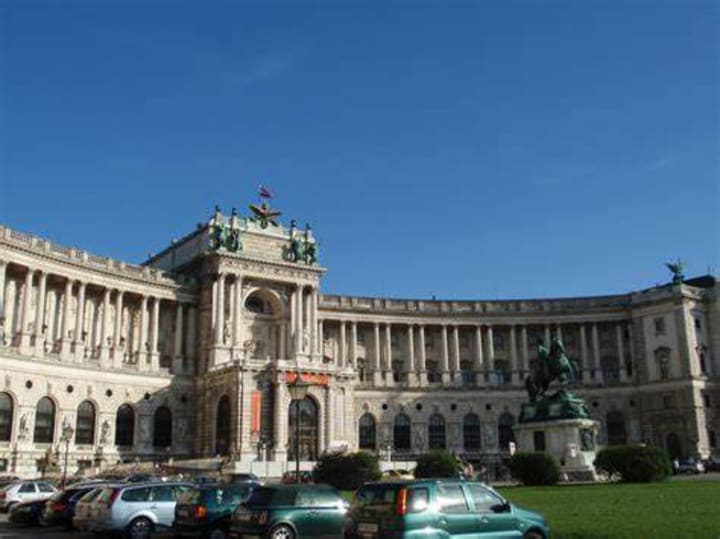
The Austrian National Library
Relax and enjoy the classic Viennese cafes.
Belgium
Bruges
Bruges Old Town offers a look into history. Its historic city center is a UNESCO World Heritage site and is referred to as the “Venice of the North”.
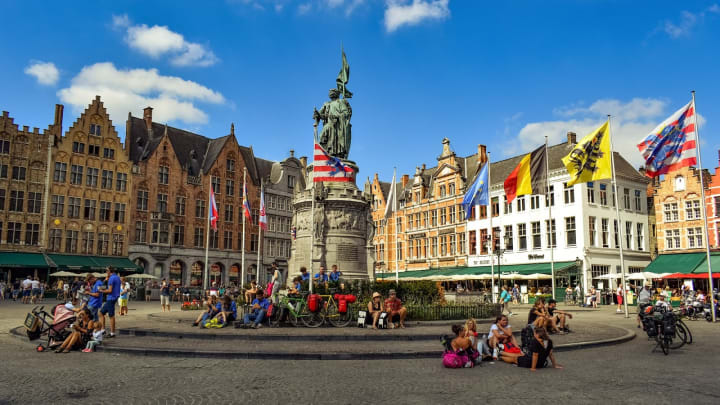
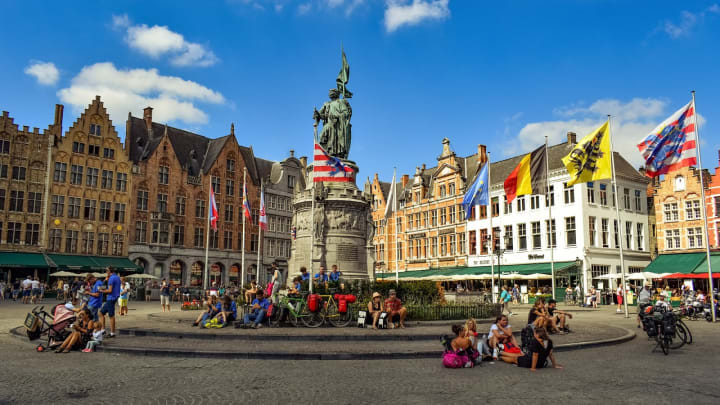
The heart and soul of the city is the historic Markt Square. This is a large open square surrounded by medieval-style buildings. There are horse-drawn carriages and open-air restaurants. In the center of the square is a monument to Pieter De Coninck and Jan Breydel who were the leaders of the Brugse Metten. At the square, you can also delight in the 17th-century houses that have been converted into restaurants and cafes. There is also a 13th-century belfry with a tower that offers fantastic views all around.
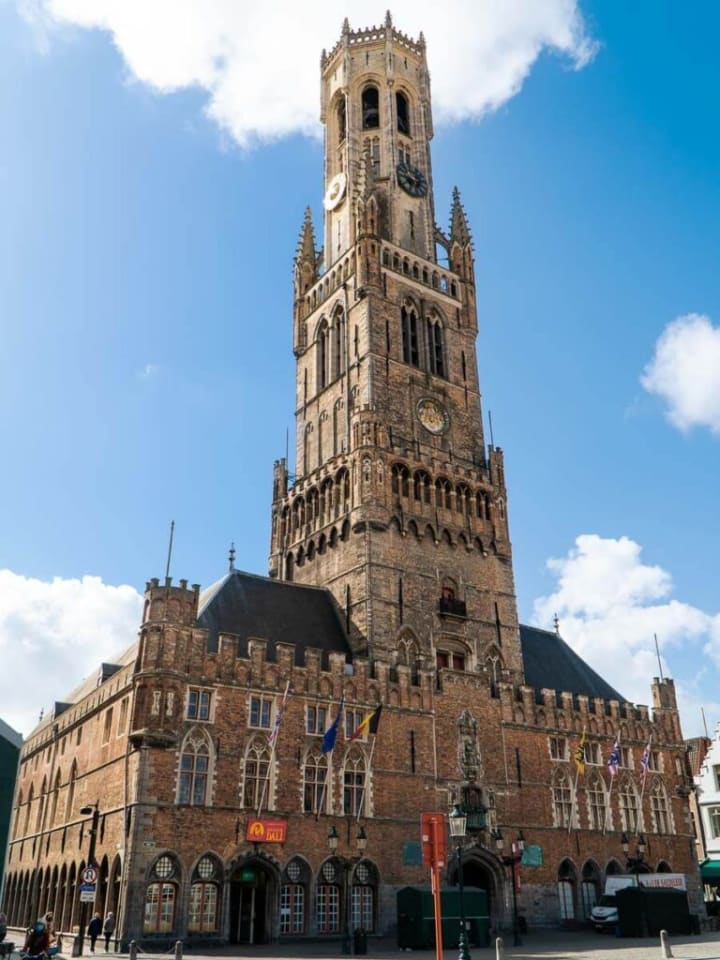
The Belfry of Bruges a medieval bell tower stands 83m over the square dating back to the 13th century. It is worth the effort to climb up the 366 steps to get awesome views from the top. The belfry has a 47-bell carillion which is still played manually.
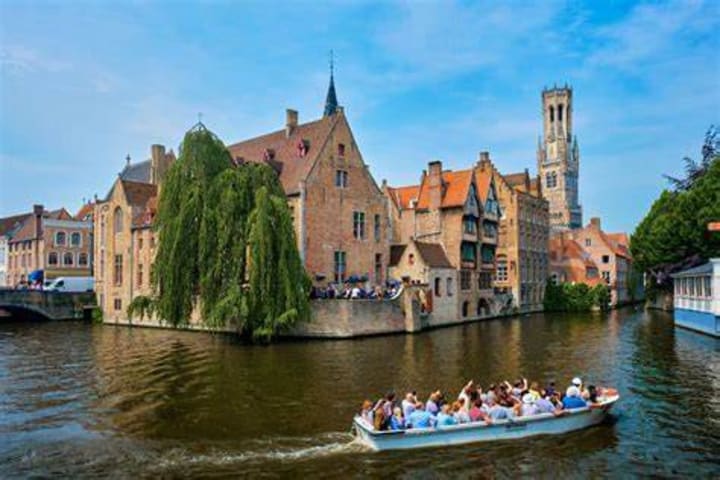
The Canal Ring offers waterways for boat tours or waterside walks.
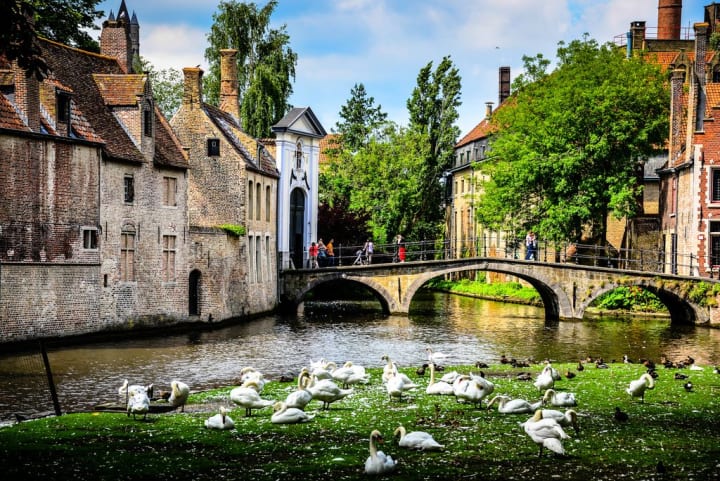
Minnewater Park with its lovely “Lake of Love” with swans and willow trees.
Croatia
Dubrovnik
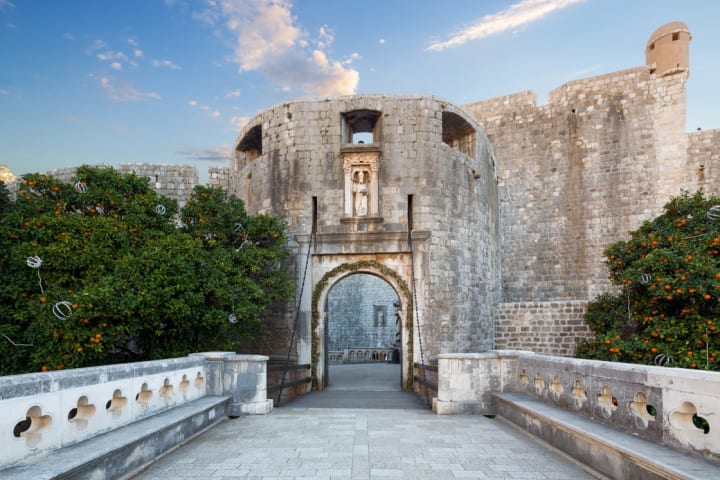
Dubrovnik has an impressive Old Town and is a UNESCO World Heritage Site. The famous Pile Gate was built in 1637 and was the entrance to the Old Town. You could get spectacular views over the Old Town from the top of the walls as well as the Adriatic Sea.
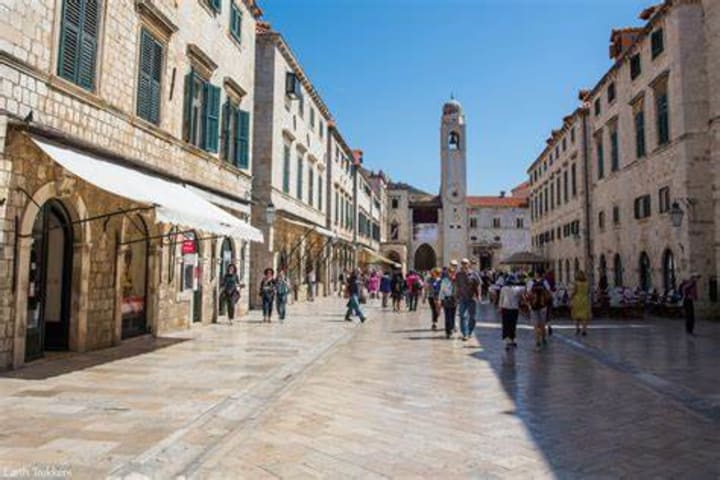
Another highlight in Dubrovnik is the Stradun. This is a wide pedestrian thoroughfare that is lined with boutiques, cafes, and restaurants. It is paved with white limestone cobblestones.
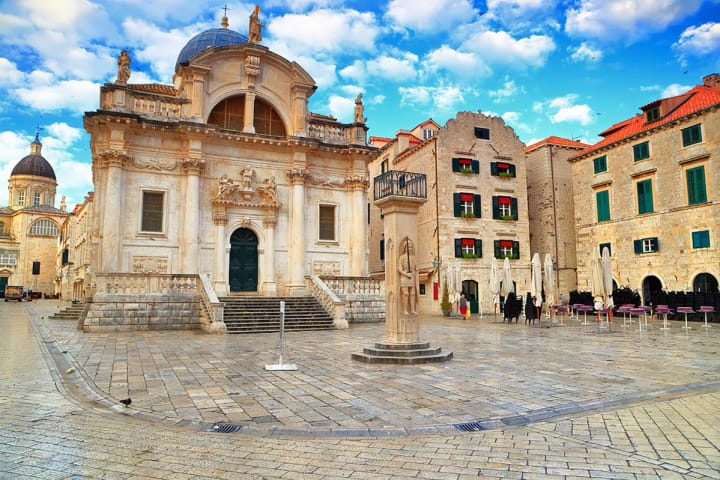
A popular meeting place is the Square of the Loggia. It is known for its old buildings and monuments.
Czech Republic
Prague
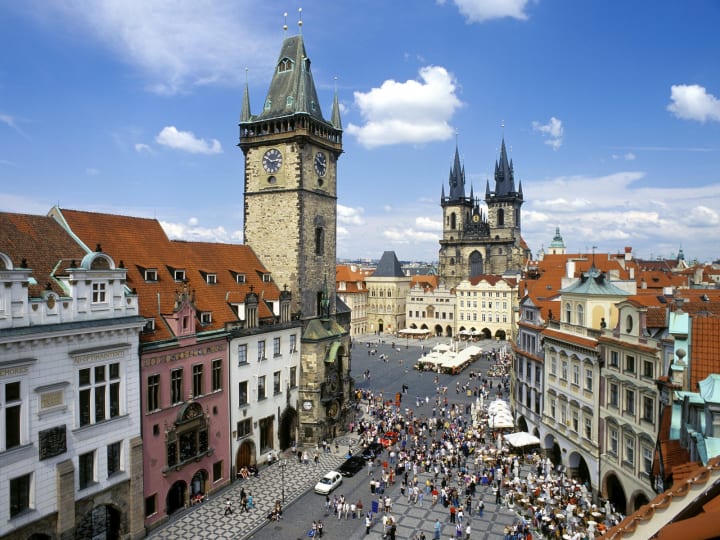
Stare Mesto the Old Town is the historic center of Prague with its Old Town Square. Here you'll find the Tyn Church and the Klementinum as well as many old churches.
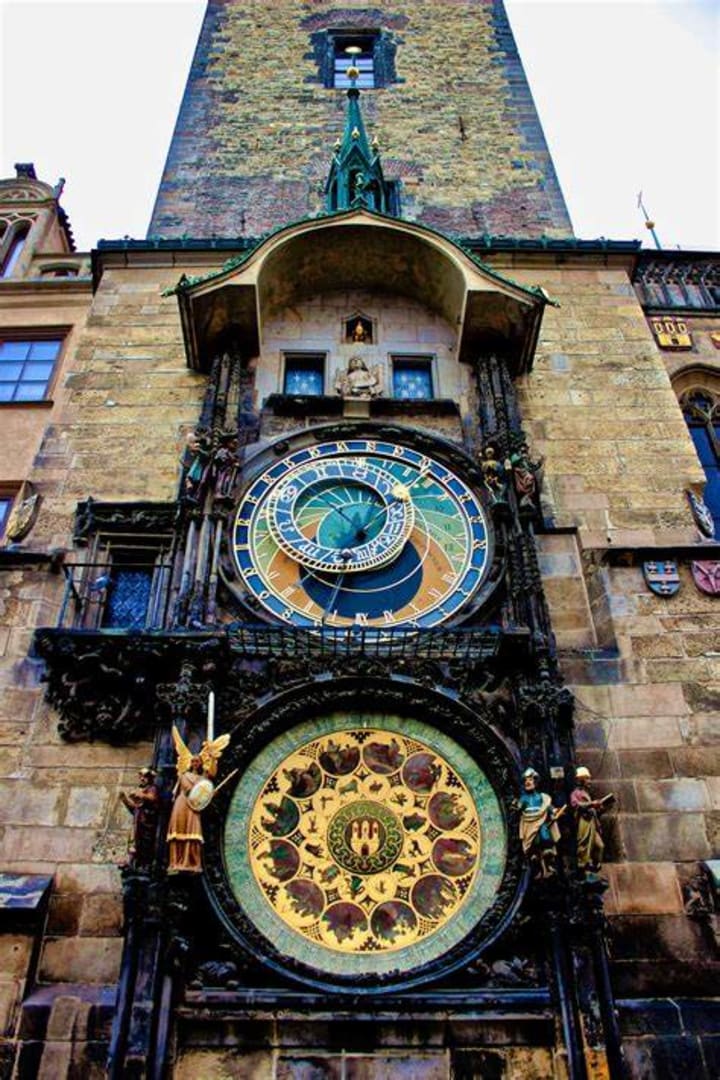
The highlight is the Old Town Hall home to the early 15th century Astronomical Clock. Each hour as it comes to life the 12 Apostles and other figures appear and parade in procession across the face of the clock. The Gothic doorway takes you into the interior with its art exhibits and displays. There is a chapel dating from 1381 and an old prison. For great views take the stairs or elevator to the top of the Old Town Hall Tower.
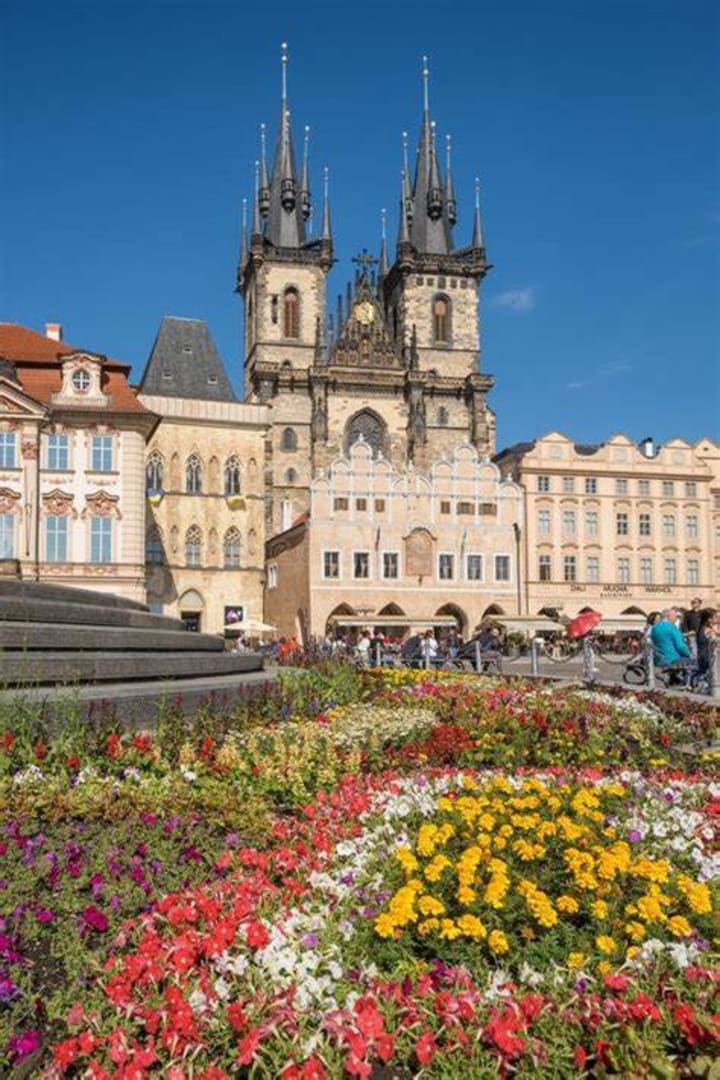
The Church of Our Lady is often just referred to as Tyn Church. It is recognizable by its twin 80-meter-tall spires, each supporting four smaller spires. The church was completed in the 15th century but altered many times. There are many fine tombs, the superb Gothic northern portal with its Crucifixion sculpture, early Baroque altarpiece paintings from 1649, and one of the finest 17th century pipe organs in Europe.
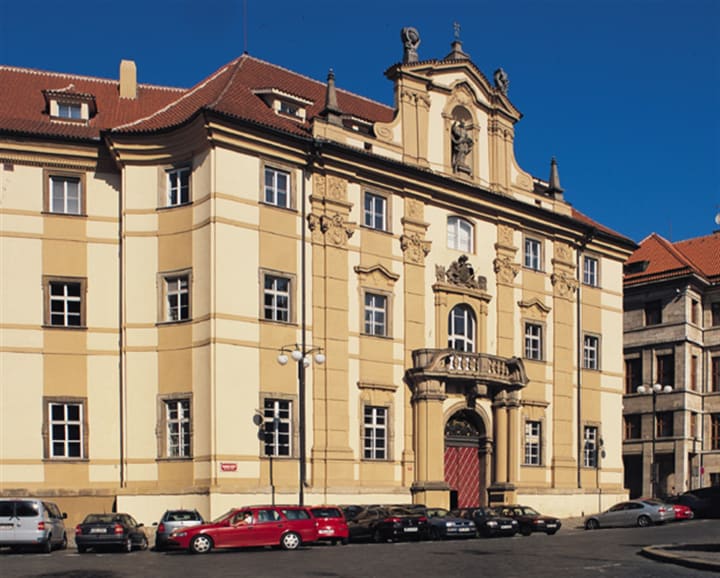
The Klementinum, one of the largest collections of historic buildings in Europe, is home to the National Library of the Czech Republic. There are over six million books in the collection among them every book published in the Czech Republic. Among the highlights is the Baroque Library Hall with lovely ceiling artwork, the 68-meter-tall Astronomical Tower offering fantastic views over Prague, and the Mirror Chapel. Guided tours in English are available. The Clementium is also used as a venue for classical concerts, jazz events, and festivals.
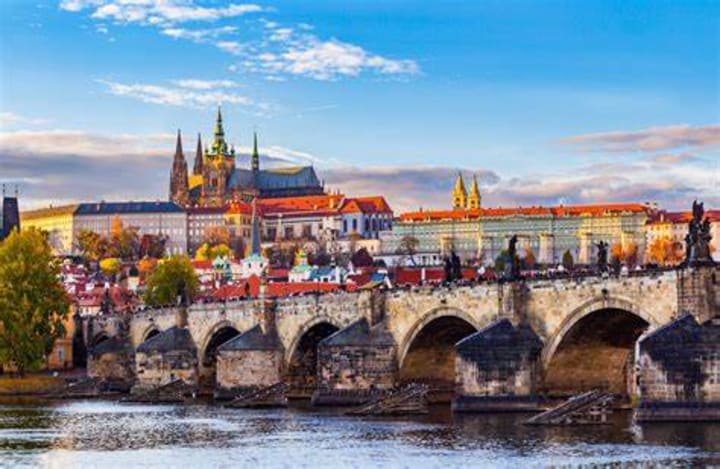
Stare Mesto also includes the Charles Bridge. Impressive Charles Bridge is one of the most recognizable old bridges in Europe. Along its 621-meter span, there are 32 unique points of interest. The bridge was built in 1357. The bridge was constructed in perfect alignment with the tomb of St Vitus and the setting sun on the equinox. It is known for its fine old statues like those of the Holy Roman Emperor Charles IV and John of Nepomuk, the country's most revered saint. Other highlights are the awesome views over the River Vitava and the Gothic gates.
Estonia
Tallinn
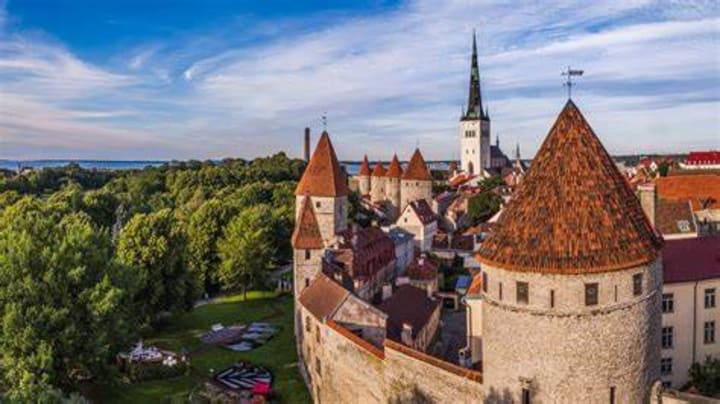
Vanalinn the Old Town of Tallinn is one of the best-preserved Hanseatic town centers in the world. You can enjoy the cobblestone streets, and architecture, and relax at the lively cafes.
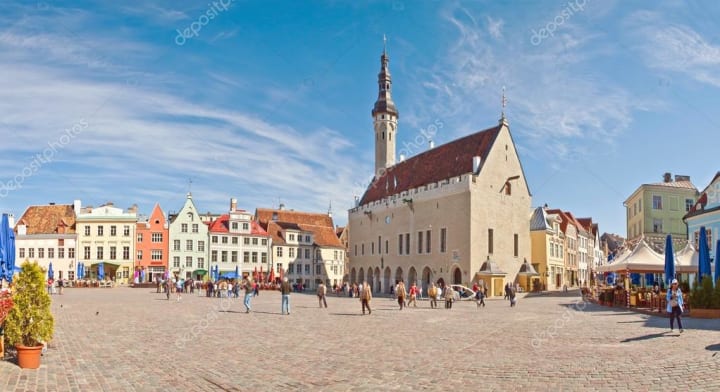
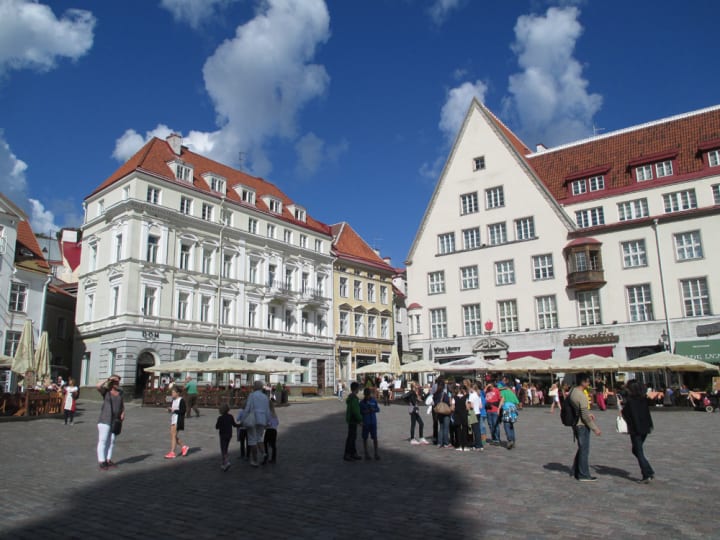
Begin at the Town Hall Square with colorful buildings and find the circular stone marked with a compass.
The Town Hall was built in 1404 and is the oldest town hall in Northern Europe with impressive Gothic arches and interesting artwork.
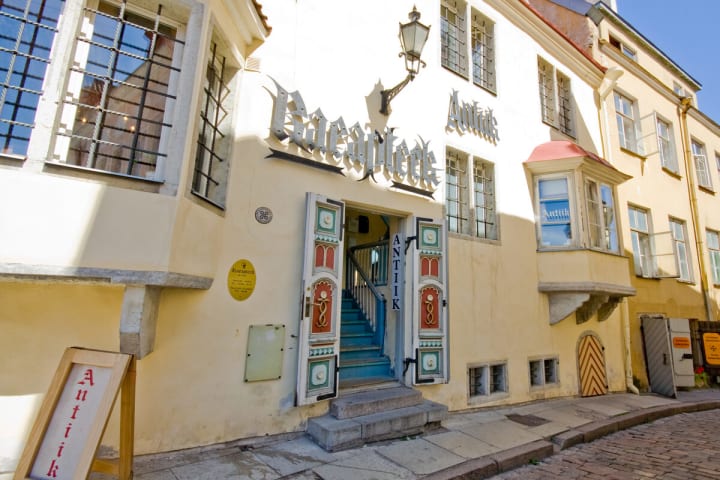
Across from the Town Hall is Raeapteek, which is one of Europe's oldest continually running pharmacies. There is a mini museum where you can see antique medical tools and early healthcare techniques. In the basement, you can sample herbal tea blends made from local ingredients.
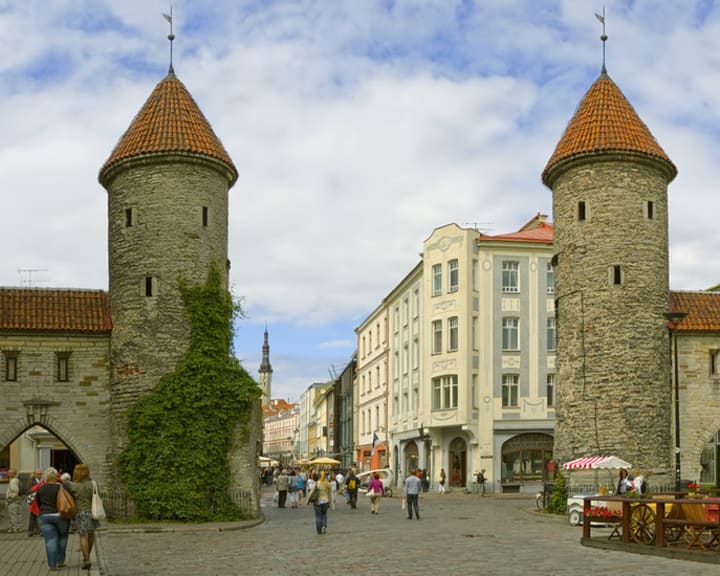
The Viru Gate was once part of the city's wall defense system. It was erected in the 14th century with round towers and conned roofs.
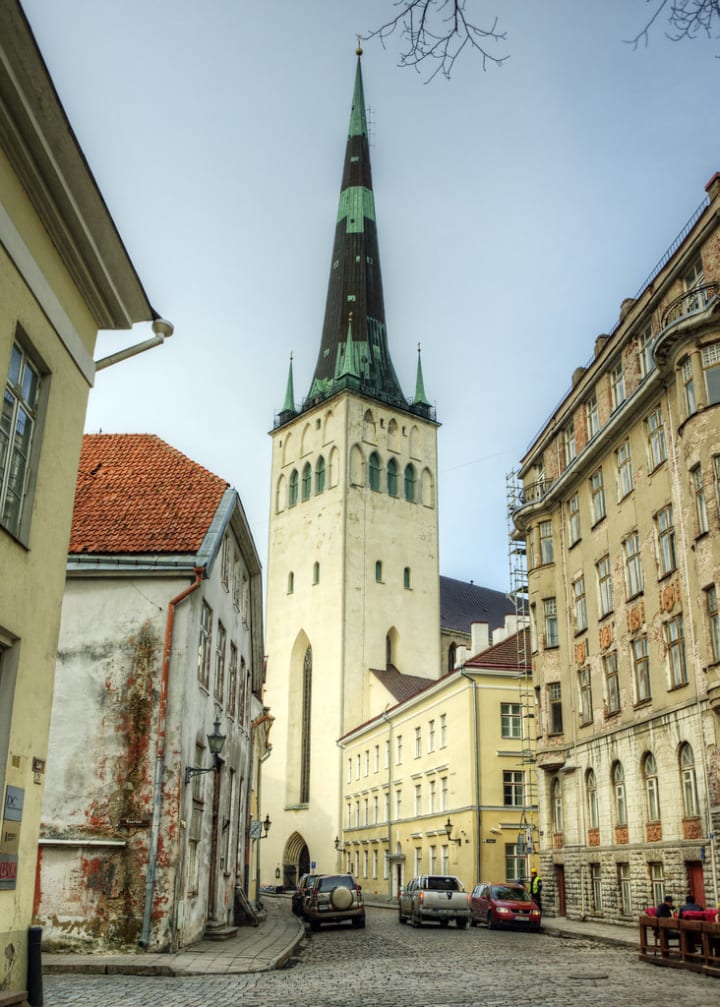
See St. Olaf’s Church, once the tallest building in Medieval Europe.
Italy
Rome
Centro Storico the Old Town takes you back into history. Among the highlights are:
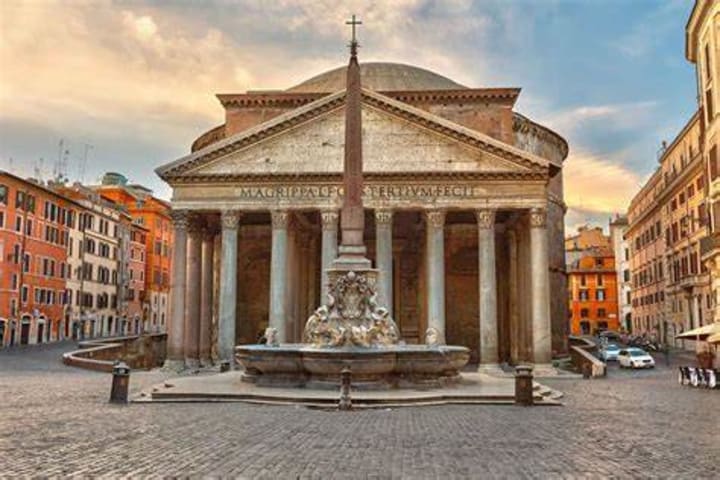
Your first steps in Rome take you to the most impressive 2000-year-old temple that is now a church – the Pantheon. This is one of the city’s best-preserved ancient monuments. It was built by Hadrian over the site of Marcus Agrippa’s 27 BC temple. This wonder has been on this spot since 120 AD. Under the pediment, you can still read the inscription - 'MAGRIPPA.L.F.COS.TERTIUM.FECIT' or Marcus Agrippa, son of Lucius, consul for the third time built this. Hadrian had chosen to keep the original inscription even though he built over the temple. The Pantheon has a most impressive dome and is looked upon as the ancient Romans’ greatest architectural achievement and was the largest dome in the world until the 15th century. It is still the largest unreinforced concrete dome in existence.
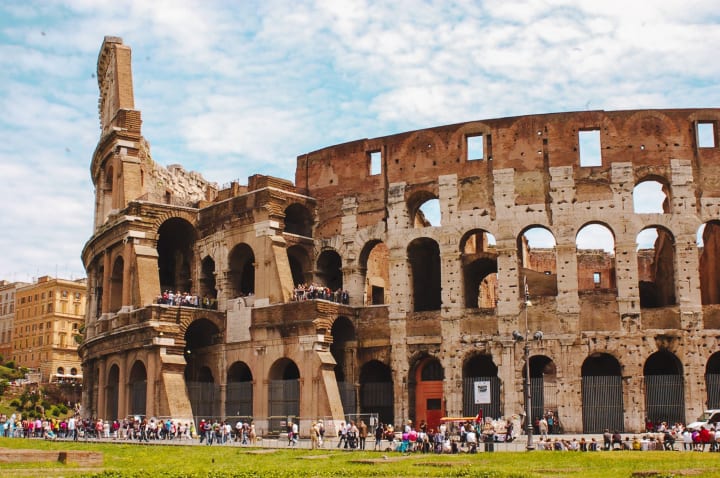
In ancient Rome, the Colosseum was the great gladiator arena where gladiators fought each other and wild animals like lions. It was originally called the Flavian Amphitheater and was made from travertine or limestone and covered by a huge canvas awning that was held up by 240 masts. The arena had tiered seating and beneath this was an underground complex called the hypogeum where the wild animals were caged and stage sets were prepared. There were 80 entrance arches called vomitoria that let spectators enter and get seated quickly.
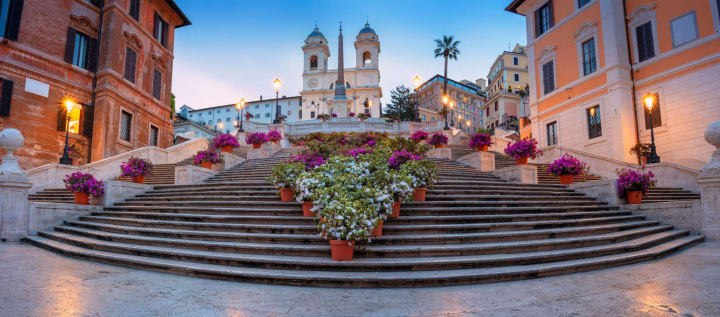
Visitors love to sit and people-watch on the Spanish Steps. These can be found at the Piazza di Spagna named after the Spanish Embassy to the Holy See. The staircase was designed by Francesco de Sanctis and was built in 1725. This landmark church was commissioned by King Louis XII of France and consecrated in 1585. Here you can see some amazing frescoes by Daniele da Volterra. At the foot of the step is the Barcaccia or the sinking boat fountain believed to have be created by Pietro Bernini.
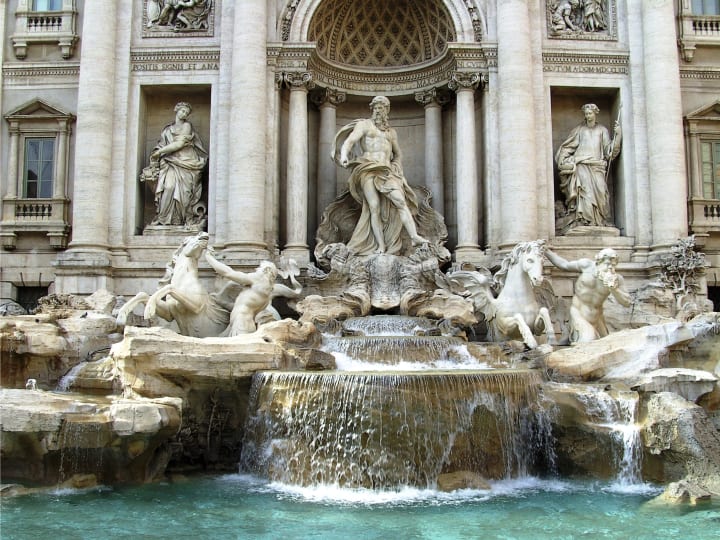
The Trevi Fountain is the largest Baroque fountain in Rome and a most popular tourist attraction. It is located at the junction of three roads marking the terminal point of Acqua Vergine, the revived Aqua Virgo that was one of the aqueducts that supplied ancient Rome with water. Coins are to be thrown into this fountain using the right hand over the left shoulder. It was the theme of the movie “Three Coins in the Fountain” and an Academy Award-winning song. It has been estimated that around 3,000 Euros are thrown into the Trevi Fountain every day and this money has been used to subsidize a supermarket for the needy of Rome. I think that alone is a blessing and will give the people who threw the money good luck.
Latvia
Riga
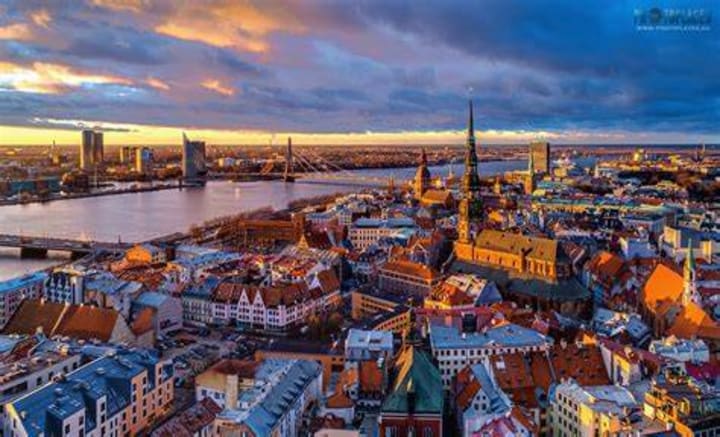
VecRiga or The Old Town is on the right bank of the Daugava River and is a UNESCO World Heritage site. There are lovely cobblestone streets and sociable squares as well as some of the city's oldest houses and churches.
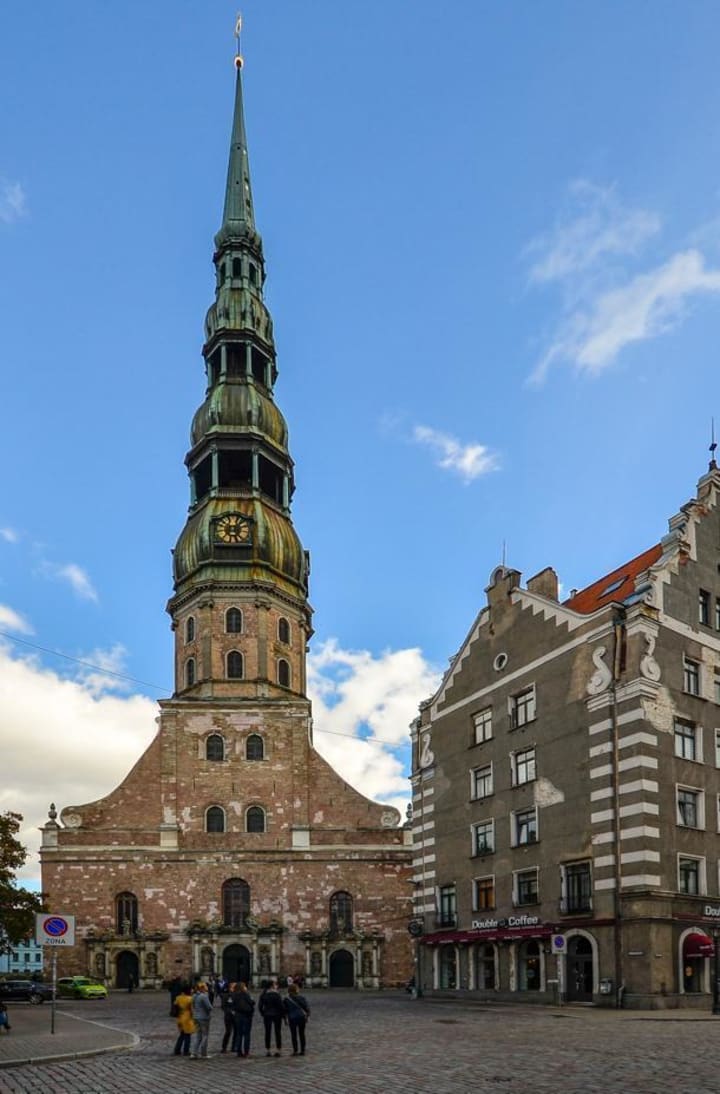
Other impressive things to see in the Old Town are the Gothic style St. Peter's Church where you can go up into the spire to get spectacular views of the city.
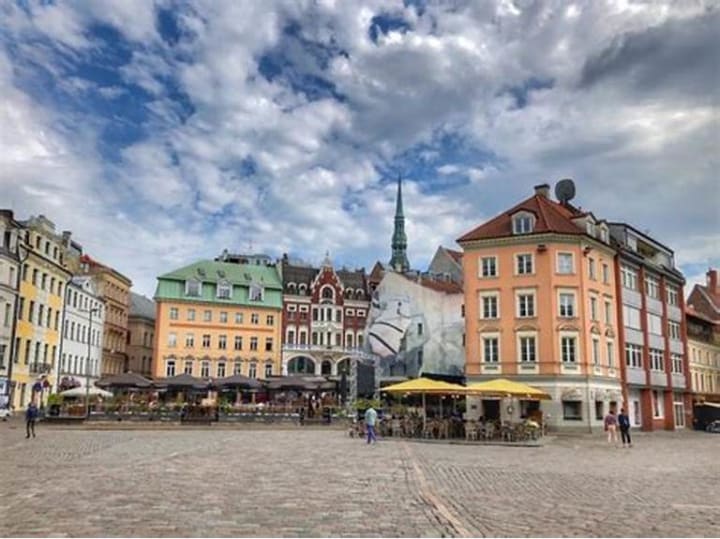
Everyone enjoys the summer cafes at Dome Square.
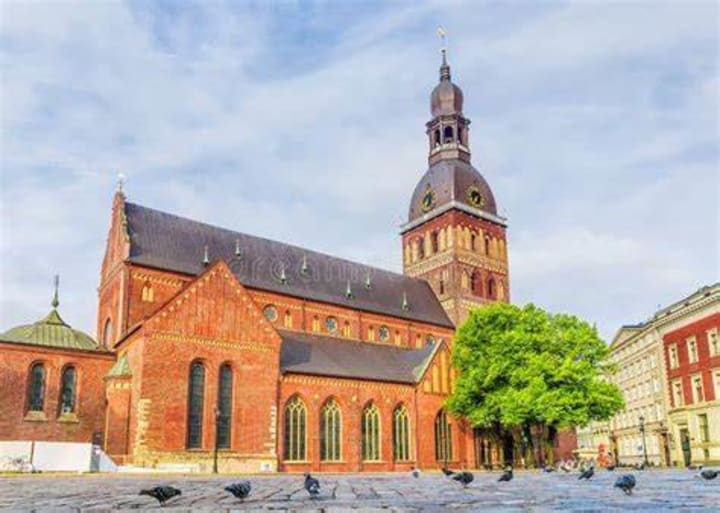
Dome Cathedral is a well-known landmark in the Old Town. It is the seat of the Archbishop of the Evangelical Lutheran Church of Latvia. The spire has a golden cockerel at the top weighing 86 kg and functions as a weather vane. In the 16th century, the Dome Pipe Organ was the largest in the world, unfortunately destroyed in a fire in 1547. The present organ has a carved wooden case installed at the beginning of the 1880s with 6718 pipes.
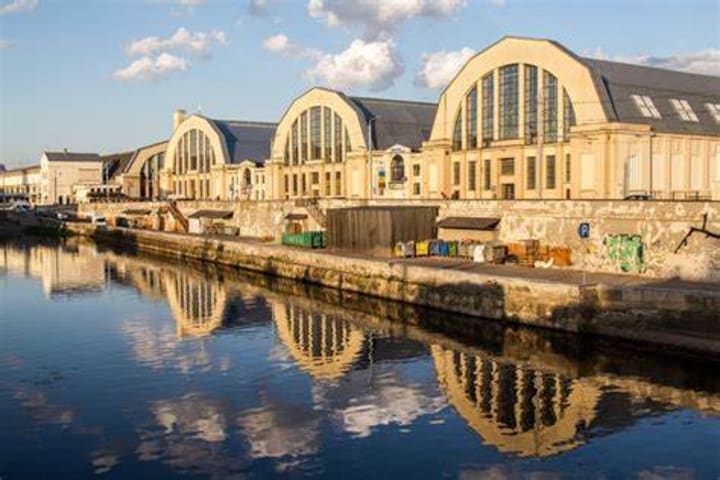
Riga Central Market is one of the largest and most visited markets in Eastern Europe. It is an amazing sight with pavilions that were once German zeppelin hangars. These giant pavilions sit on the Daugava and each sells different products like meat, fish, dairy, and vegetables. A lot of renovation has happened and now these pavilions have changed greatly on the inside. Outside you can also find stalls selling different products in a very vast area, During the summer there are cafes you can relax at.
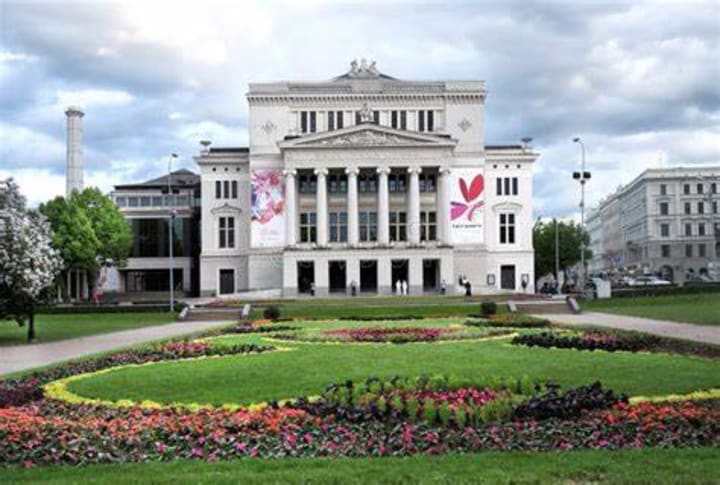
The Latvian National Opera is housed in an amazing white building with iconic columns. The new annex was added to the original building in 2001 with an additional 100 seats. Here you can enjoy opera and ballet performances. Take a walk in the lovely surrounding gardens with a fountain and a bronze statue.
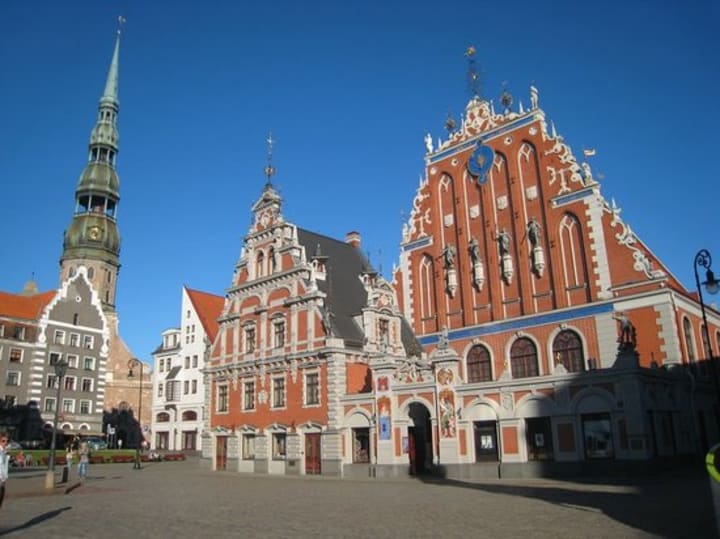
At Town Hall Square you will find the Town Hall and the impressive House of Blackheads. There is a stone marker in the ground that shows the location of what is believed to be the world's first decorated Christmas tree, erected by the Brotherhood of Blackheads in 1510. Today you can still find the large Christmas tree decorated for the city here in Town Hall Square.
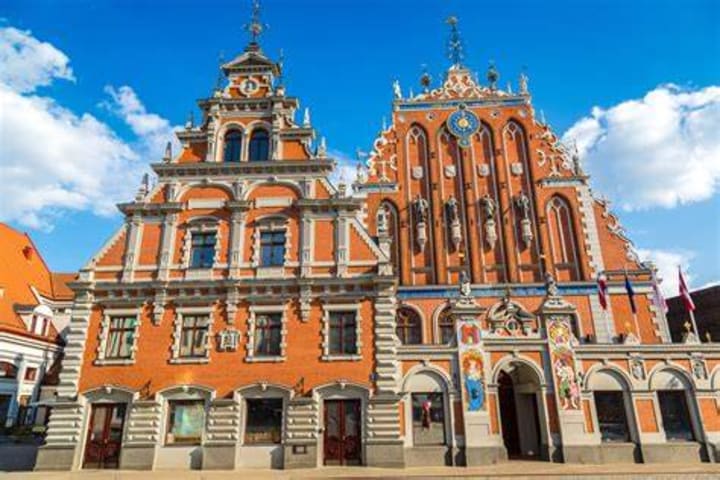
The House of Blackheads originally was built in 1344 but was destroyed during war times. It was rebuilt in its original splendor in the 1990s. It is an impressive Gothic building with a Dutch Renaissance facade and many decorative statues.
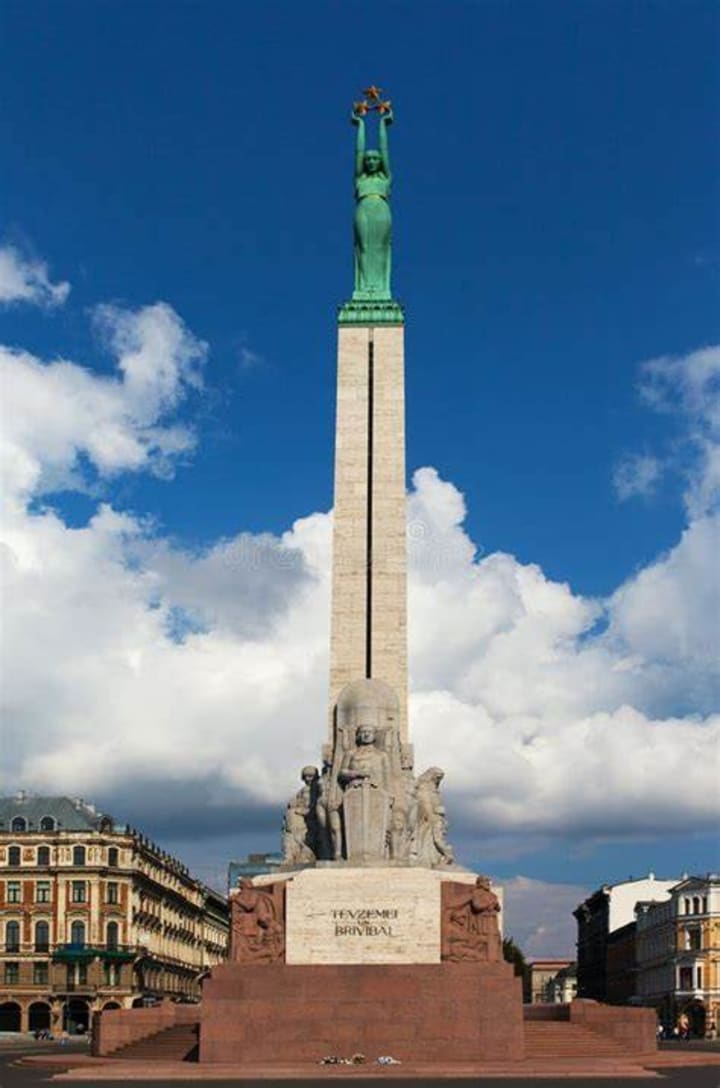
The Freedom Monument is one of the most popular landmarks in Riga. This tall green lady that stands on top is affectionately known as "Milda." She holds three gold stars in her outstretched hands that represent three historical regions of Latvia - Kurzeme, Vidzeme, and Latgale. If you approach the base you’ll find 13 groups of reliefs recording national heroes, allegories, images from Latvian culture, and pivotal moments in the nation’s history like the Russian Revolution of 1905 and the War of Independence. Residents and visitors place flowers at the base of the monument to remember people who were deported to Siberia during Soviet times. There is a changing of the guard each hour. It is built from red granite and travertine. The Freedom Monument remains the centerpiece for official remembrance ceremonies.
Lithuania
Vilnius
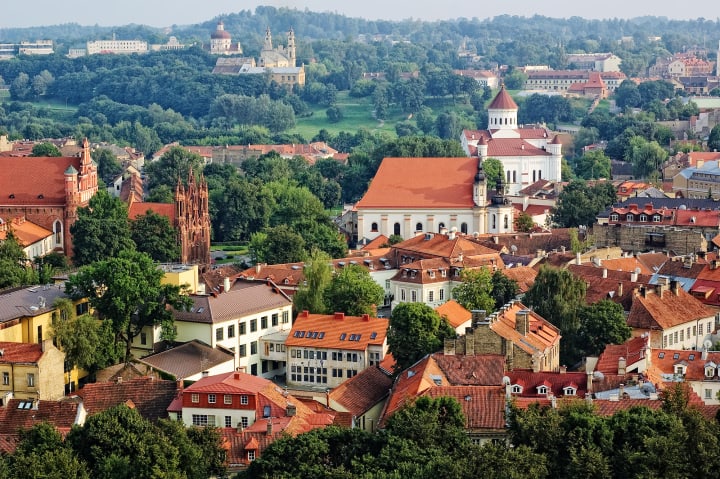
The medieval Old Town is one of the largest and most well-preserved centers in Northern Europe and the Baltics. It has impressive medieval buildings and some 74 quarters. You'll find Baroque and Classic palaces and Gothic and Renaissance churches. There are many cafes and restaurants.
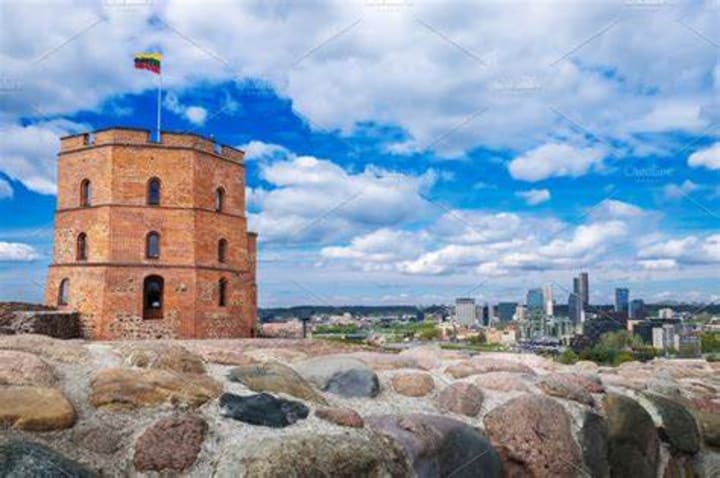
Gediminas Tower offers some of the best views of the city. It has overlooked Vilnius and the Neris River since 1409. This is a three-tiered red brick tower. Visitors enjoy the views from the observation deck. You can take a fun ride in a little funicular to the top.
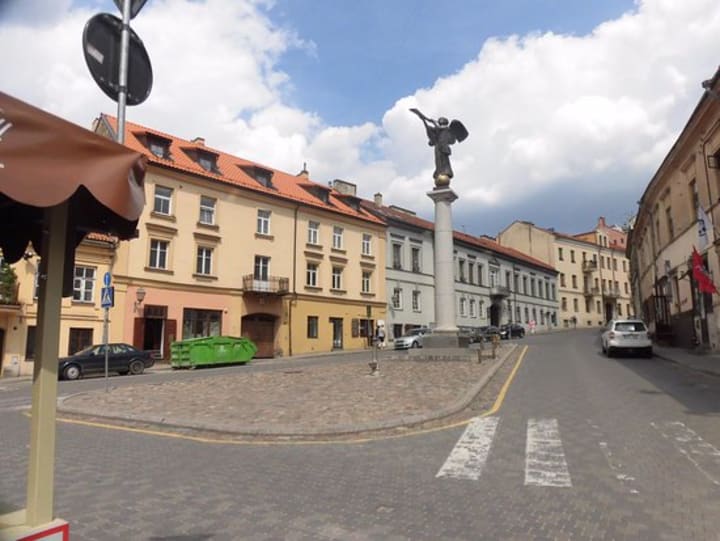
The Uzupis neighborhood is surrounded on three sides by the Vilnia River and is the artsiest and most Bohemian neighborhood in the city. At the heart of the neighborhood is the Angel of Uzupis statue. The statue with an angel blowing on a horn was erected in honor of Zenonas Steinys, a local animator.
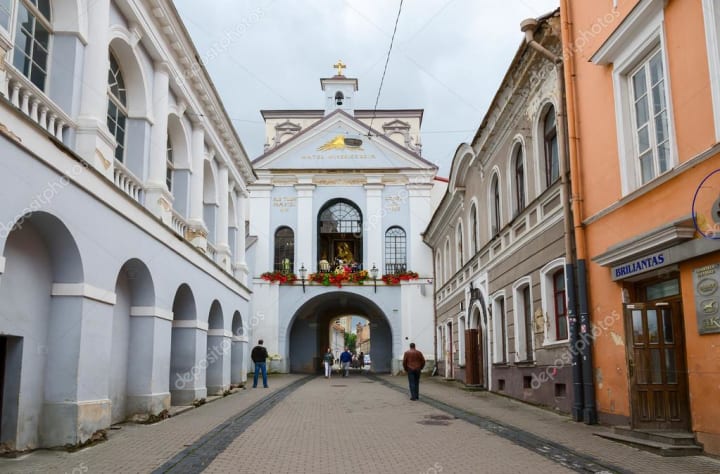
Gate of Dawn was built between 1503 and 1522 and is all that is remaining of the city wall. It is a historical and cultural landmark. It is a popular pilgrimage site and also home to a famous chapel of the same name, The chapel has an impressive painting and icon of the Blessed Virgin Mary.
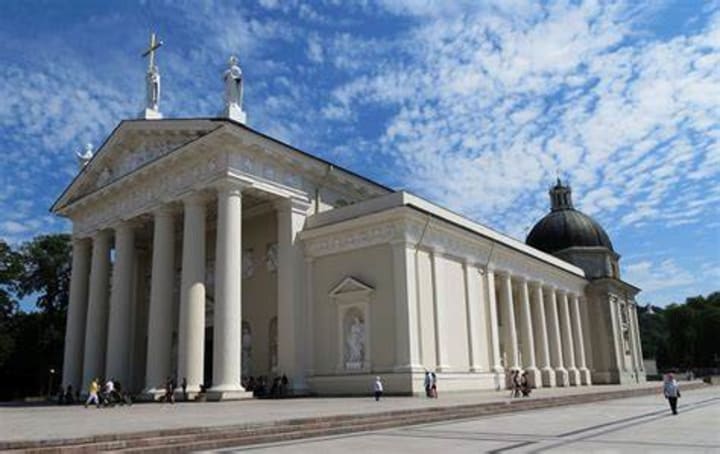
Vilnius Cathedral is a lovely white cathedral with a lovely belfry. The wooden church was first erected back in 1387. The current neo-Classical building dates back to 1783. It was where the Grand Dukes of Lithuania were coronated. The interior has a lot of artwork and frescoes on display. There are crypts and catacombs to explore.
Poland
Warsaw
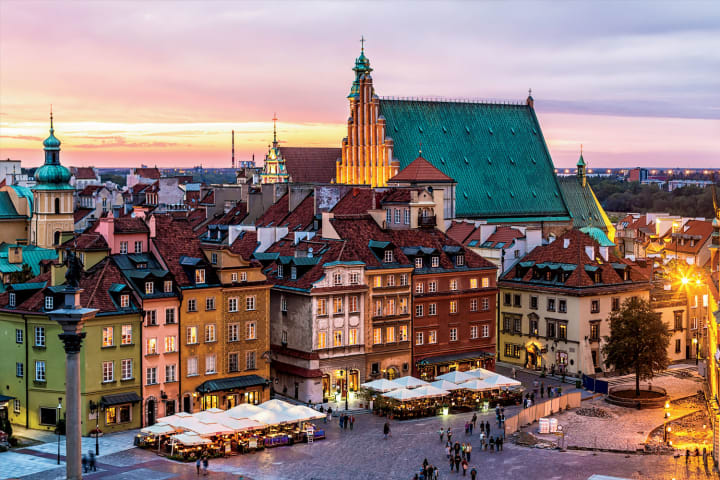
Stare Miasto the historic Old Town is of interest and has impressive architecture and monuments. It has earned the status of being a UNESCO World Heritage site. There are alleys and passageways to explore with guild halls, churches, and burgher houses.
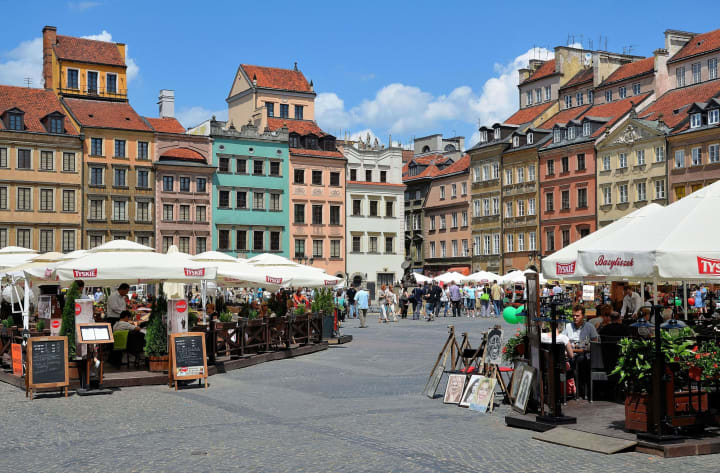
Old Town Market Square used to be the epicenter of commercial life in the city. You can see Renaissance and Baroque merchant houses in different colors. There is a mermaid figure on the fountain in the center that holds a special meaning for Warsaw and in the summer you can sit at a restaurant table and watch the city going by.
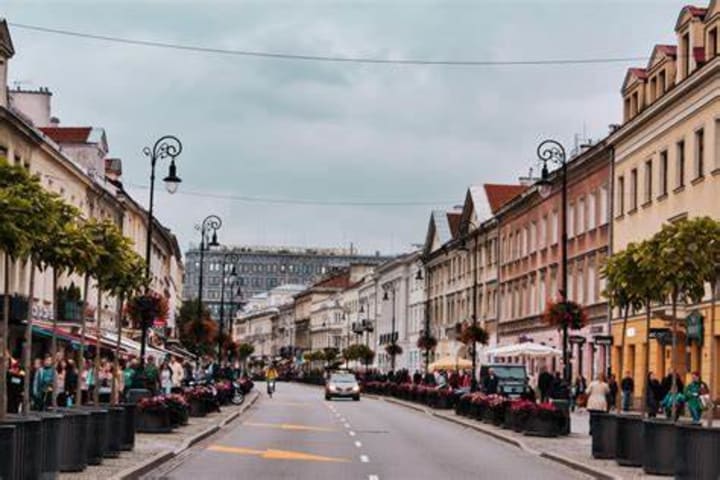
The Royal Route will take you past all the historic landmarks starting at Castle Square and heading south for 15 kilometers arriving at Wilanow Palace. Along the way are churches, parks, palaces, institutions, and townhouses.
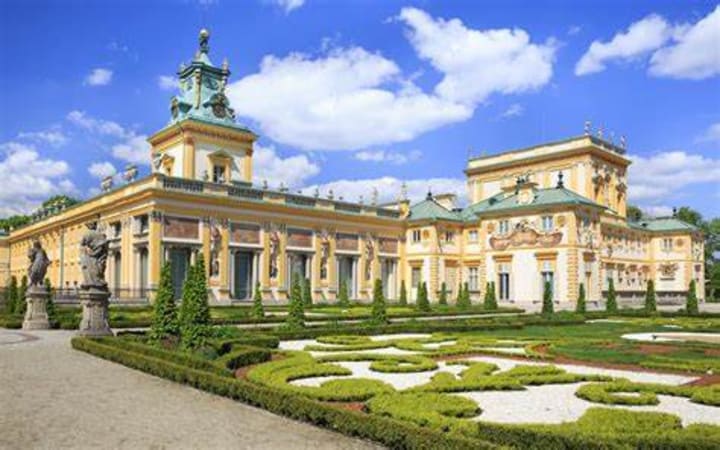
Wilanow Palace will give you a look into the majesty of the Polish-Lithuanian Commonwealth before Poland was annexed by Prussia and Russia in the late 18th century. It was built in the Baroque style and has a parterre with row terraces with topiaries, broderie, and statues that symbolize love. Among the highlights are the White Hall with mirrors, the King's Library, the King's Bedroom, and the North Gallery with statues and amazing ceiling frescoes.
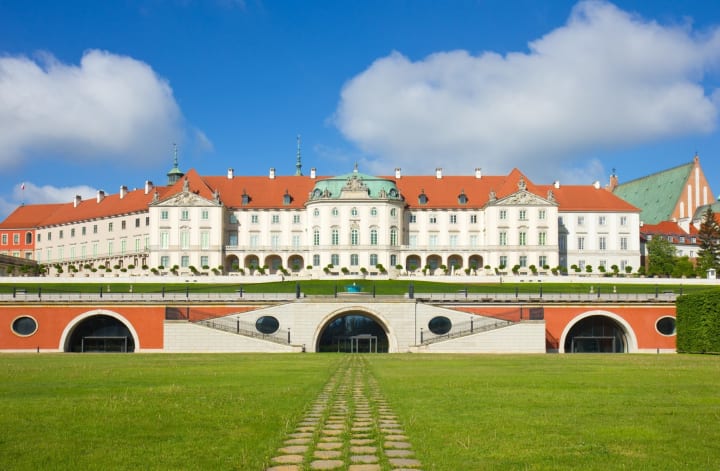
Warsaw Royal Castle is at the southern entrance to the Old Town and is a Mannerist and Baroque Castle with its last reconstruction in the 1980s. It is a museum where you can see the apartments of the 16th century King Sigismund II Augustus and visit the House of Parliament. There is also a collection of artwork from the 16th to the 18th century.
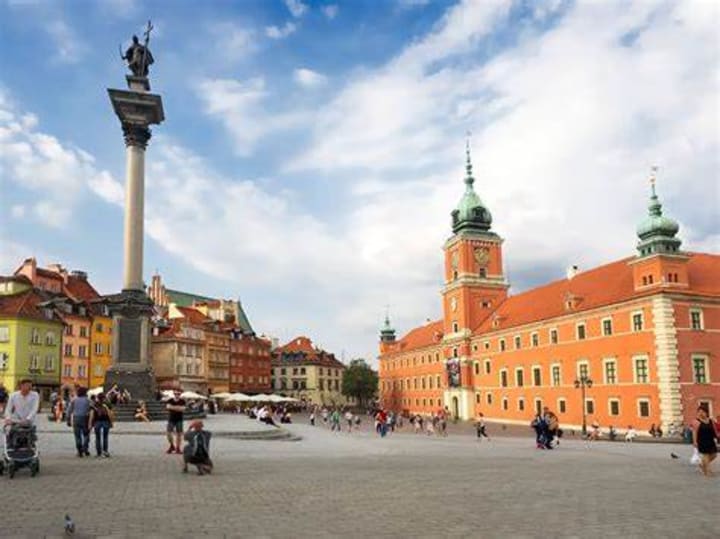
Castle Square when Poland’s capital moved from Kraków to Warsaw in 1596 the square beside the castle became the cornerstone of the largest Empire in Renaissance Europe. The man responsible for the change is Sigismund III Vasa who is commemorated by a bronze statue atop an 8.5 meter column.
Sweden
Stockholm
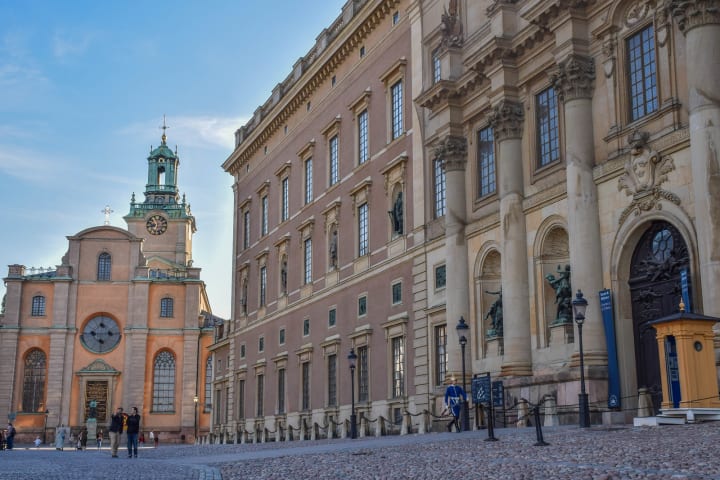
Gamila Stan or the Old Town dates back to the 1200s. There are lovely old houses and cobblestone streets. You can enjoy the cafes, authentic restaurants, and boutique shops. The labyrinth of tiny, winding streets will put you back into Medieval times. Many of the streets lead to the Stortorget, the main public square. In the wintertime, you can experience the amazing Julmarknad or Christmas Market.
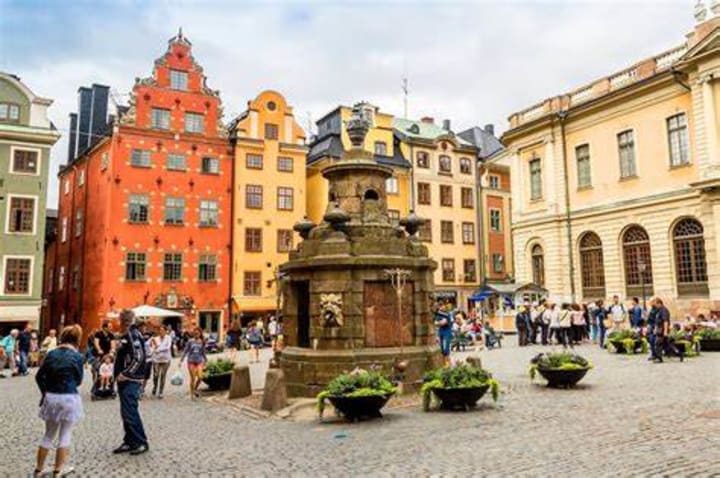
Stortorget is the oldest square in the city and at the highest point of the island. It stands in the Old Town and this is where the expansion of Stockholm began in the High Middle Ages. The square is surrounded by gabled houses from the 1600s and 1700s. The Christmas Market takes place here.
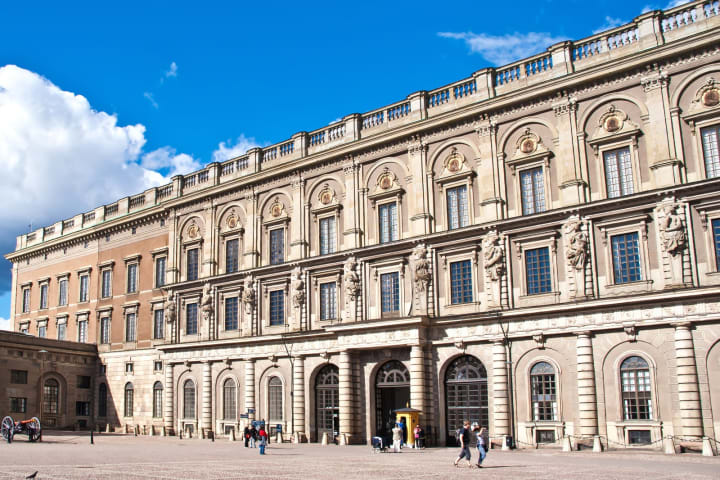
The Royal Palace or Sveriges Kungahus is located in a lovely setting by the water's edge, on the periphery of Gamila Stan. It is the official residence of the King of Sweden and is on a beautiful island and a UNESCO World Heritage Site. The palace is one of the largest in Europe with over 600 rooms and several museums. It was built in the 18th century in the Baroque style. It is exciting to see the changing of the guard.
About the Creator
Rasma Raisters
My passions are writing and creating poetry. I write for several sites online and have four themed blogs on Wordpress. Please follow me on Twitter.
Keep reading
More stories from Rasma Raisters and writers in Wander and other communities.
Weather in Morocco in August By Morocco Family Vacation
When I first planned our summer trip to Morocco in August, I had mixed feelings. I knew Morocco was hot in the summer, but I wasn’t sure how my kids would handle the heat. Traveling with two children my 7-year-old and 10-year-old means considering naps, hydration, sun protection, and activity pacing more than anything else. I wanted an adventure, but I also wanted it to be safe and enjoyable for them.
By Ariel Cohen2 days ago in Wander


Comments
There are no comments for this story
Be the first to respond and start the conversation.