
Naples on the Gulf of Naples
A beautiful city in southern Italy

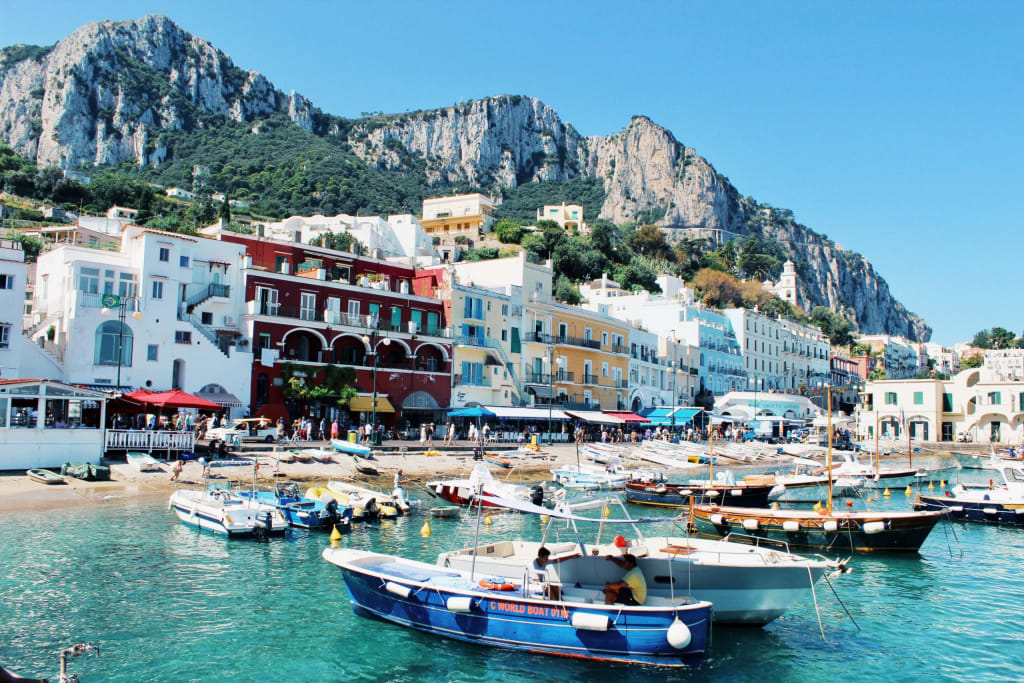
Naples, one of Italy's most ancient and artistic cities, is also the third largest in the country. Visitors can explore numerous beautiful churches, cathedrals, and museums, all while enjoying the stunning views of the Mediterranean Sea.
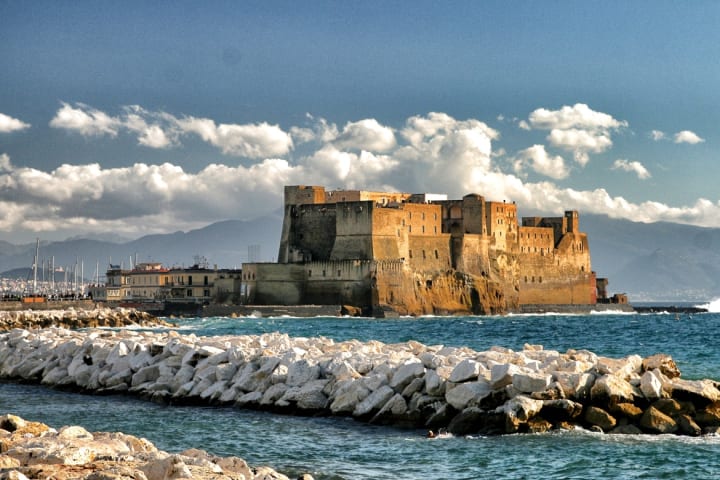
Castel dell'Ovo, the oldest castle in Naples, is located on a promontory at the end of Via Francesco Caracciolo. This 12th century fortress provides breathtaking panoramas of the harbor, ferries, bay, and Mt. Vesuvius. Additionally, the castle houses an Etho-Prehistory Museum showcasing ceramics and artifacts from ancient Naples.
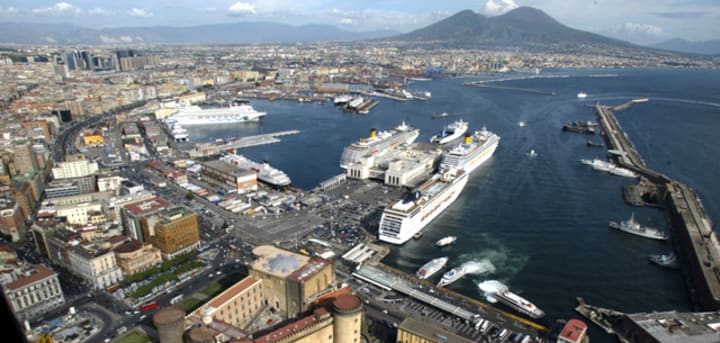
Beyond it is the busiest part of the Port of Naples. There is a cruise port and departure points for ferries.
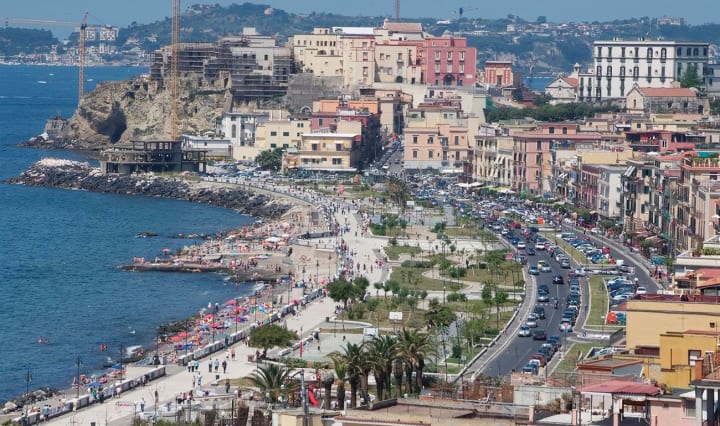
The Lungomare is a beach promenade that stretches along the shore along Via Partenope and Via Francesco Caraciolo. Here you'll find many cafes and ice-cream shops.
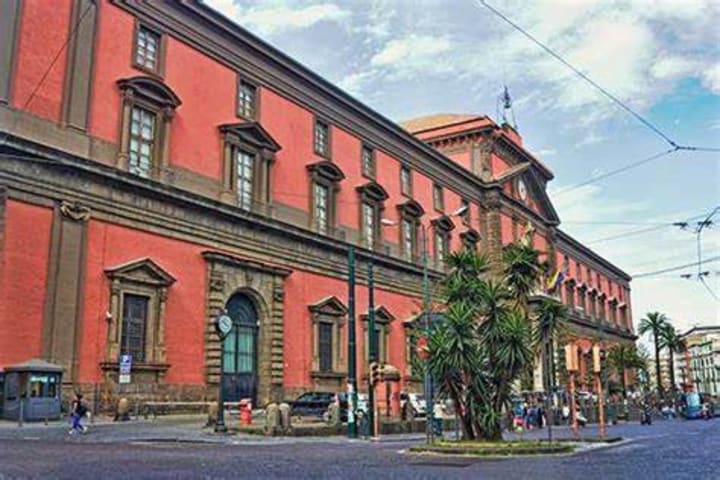
Visit The National Archaeological Museum of Naples to admire one of the most exceptional collections of Greco-Roman artifacts in the world. Originally a cavalry barracks, this building later became the city university's headquarters. King Charles VII of Bourbon established the museum in the late 18th century to house the antiquities inherited from his mother and the treasures recovered from Pompeii and Herculaneum. Notable pieces include the renowned Toro Farnese sculpture and a stunning series of mosaics from Pompeii's Casa del Fauno. Guides to the collection and audio guides in English are available for purchase at the museum.
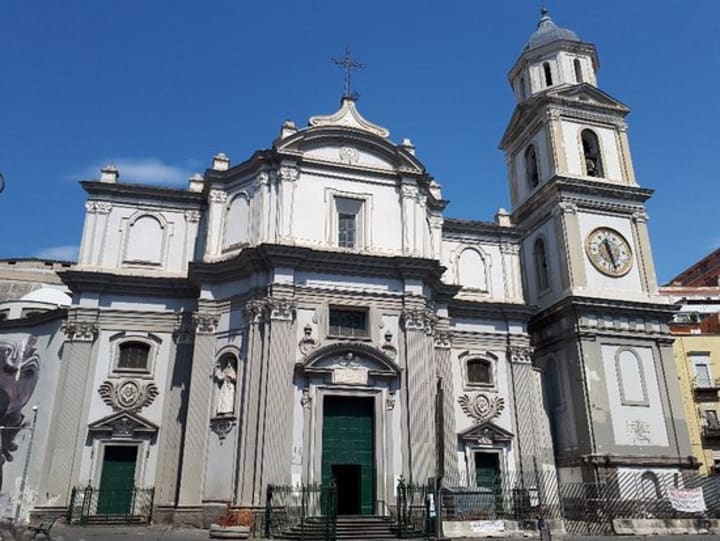
Capella Sanservers was built in 1590 as the private chapel of the Sansevero family. It later became a burial chapel.
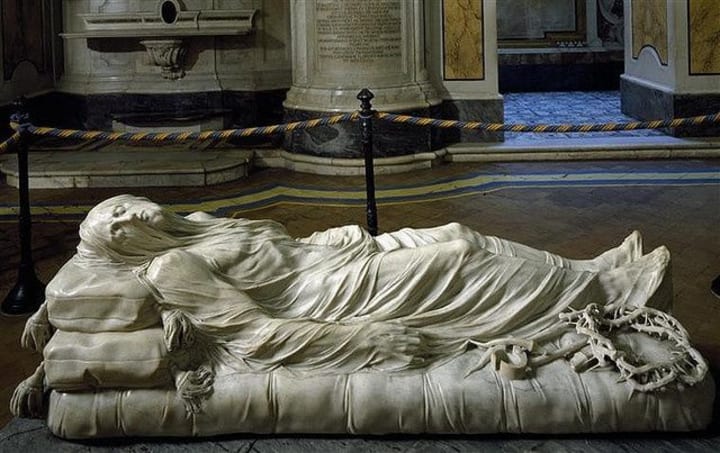
Among the sculptures you can see here is Veiled Christ by Sammartino.
Capodimonte Royal Palace and Museum
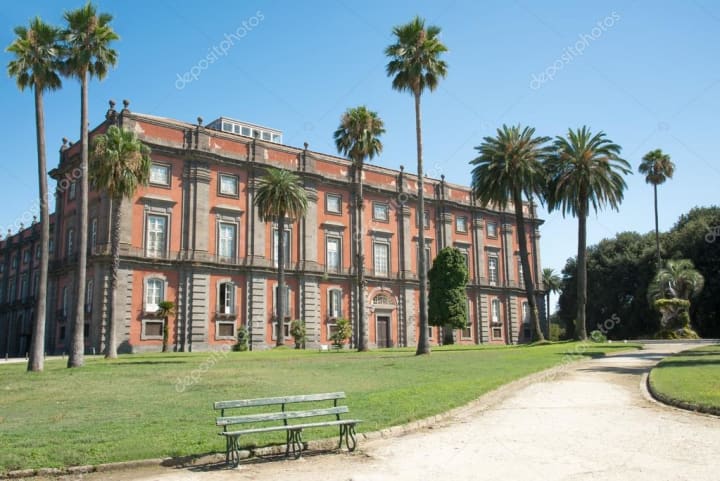
The Palazzo Reale di Capodimonte was originally a hunting lodge for King Charles III. It became the royal residence as well as a place for the king to house the Farnese collection he inherited. The collection includes the portraits of the ruling families by Titian. This formed the basis for the National Gallery which is housed here with one of the finest art collections in Italy.
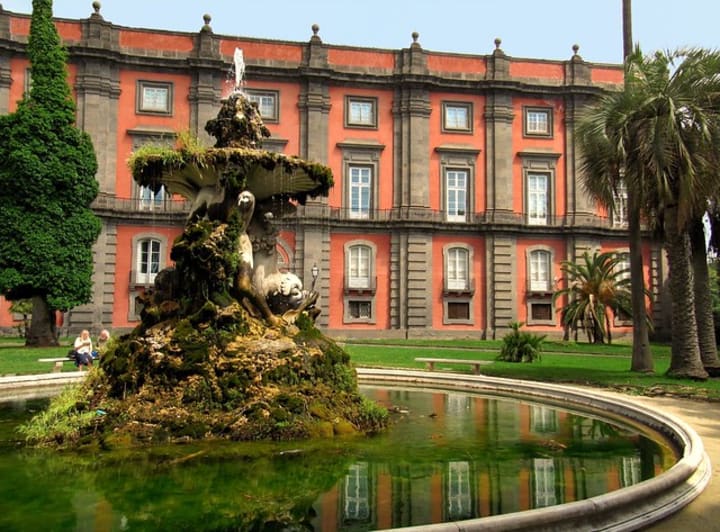
In the park surrounding the palace are avenues shaded by huge trees, statues, a fountain, and a pond.
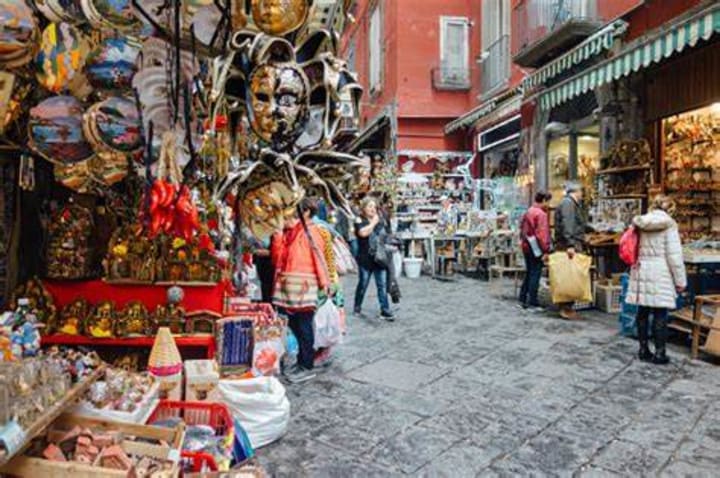
Stroll along Via San Gregorio Armeno and do some shopping.
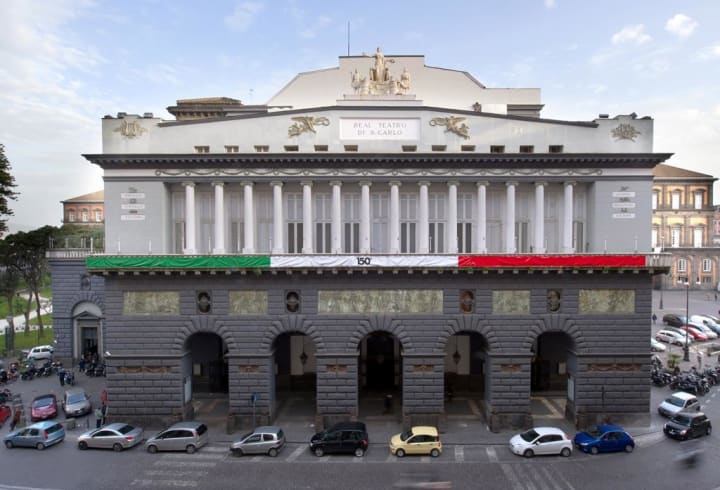
The Real Teatro di San Carlo is one of the largest theaters in Europe as well as among the premier opera houses in Italy. It was built by King Charles of Bourbon and adjoined his Royal Palace. The theater has six levels of ornately docorated boxes around the interior.
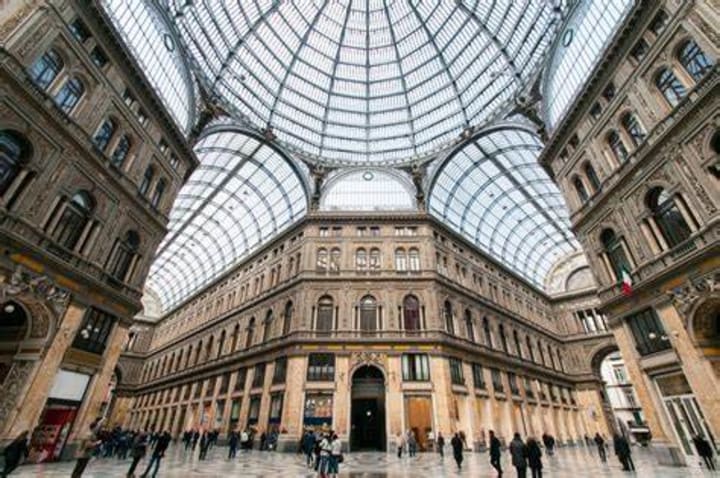
Galleria Umberto I was built between 1887 and 1891. It was named for Umberto I, the then King of Italy. It is a public place for shopping, businesses, cafes, and social space. This tall building has four wings with an iron and glass vaulting. One of the wings opens onto the San Carlo Opera House.
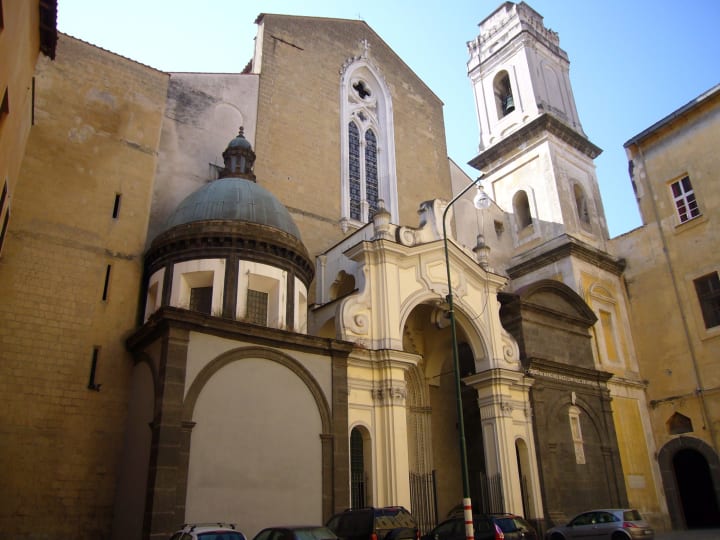
San Domenico Maggiore was built about 1300. It is one of the most beautiful churches in Napels. Each of its 24-sided chapels has something of interest to see.
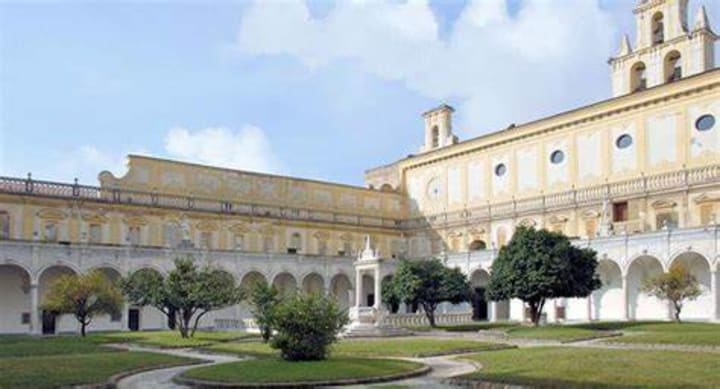
The Certosa e Museo di San Martino stands as a museum situated within a Neapolitan Baroque charterhouse. Originally established as a Carthusian monastery in the 14th century, this edifice now showcases numerous frescoes and paintings crafted by esteemed Italian artists of the 17th century.
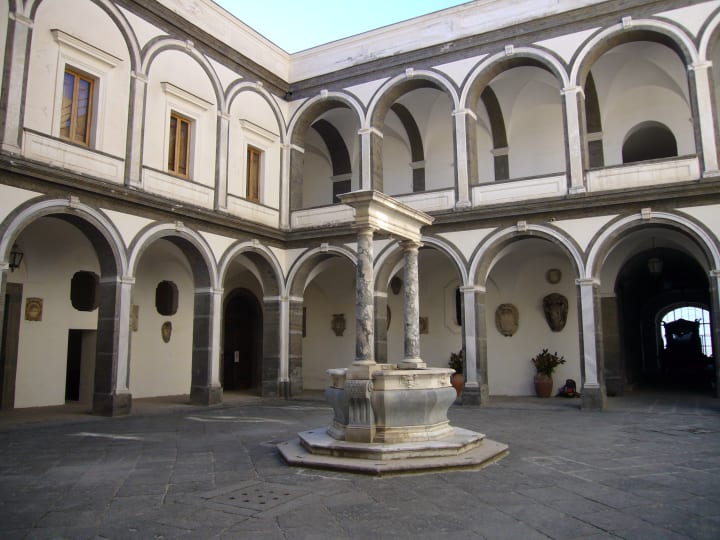
The Chiostro dei Procuratori is a smaller cloister that features a magnificent corridor that leads to the larger cloister, Chiostro Grande. This architectural masterpiece was created by Dosio during the late 16th century. Within this enchanting space, visitors can admire Tuscan-Doric porticoes, a delightful garden, and exquisite marble statues.
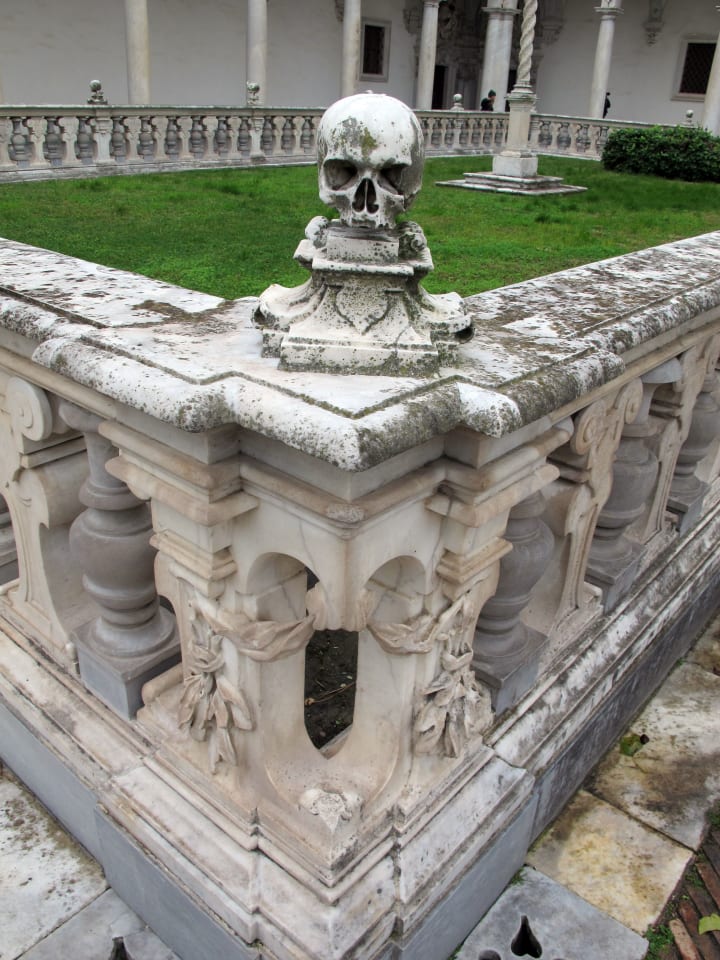
Additionally, the eerie presence of sinister skulls mounted on the balustrade serves as a poignant reminder to the monks of their own mortality.
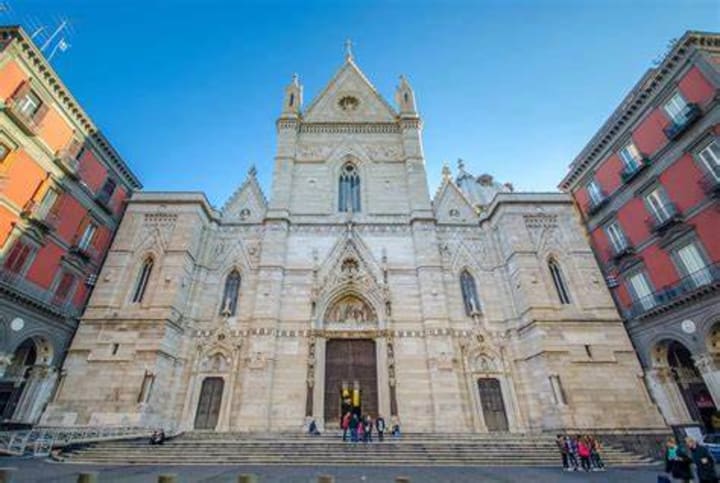
The impressive Naples Cathedral was initialed by Charles I of Anjou in 1272 and consecrated in 1315. A neo-Gothic facade was added in the late 19th century. Inside is a gilded coffered ceiling in the central nave. The high sections of the nave and the transpet are the artwork of Baroque artist Luca Giordano.
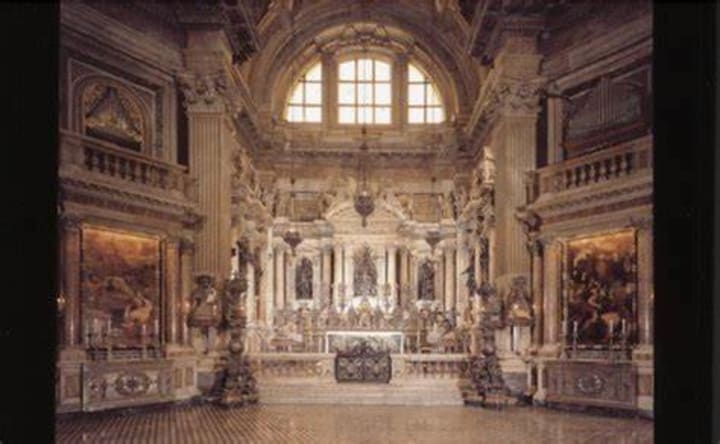
To the left is the Chapel of the Treasury from the 17th century.
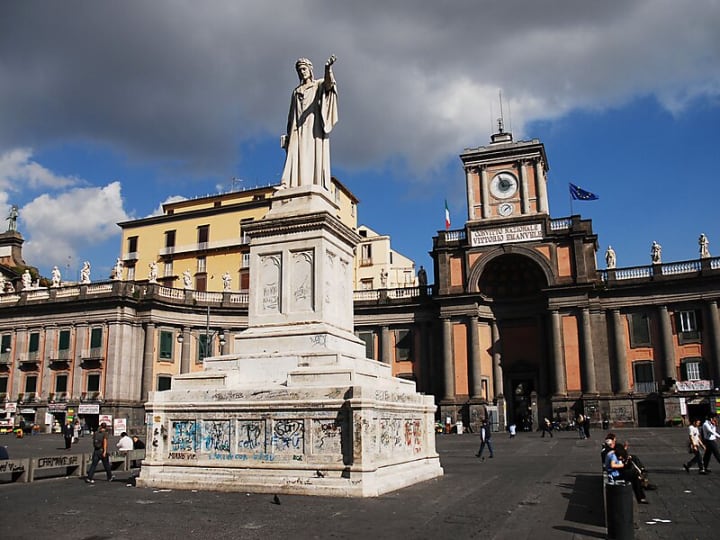
During warm and humid summer evenings in Italy, the locals of Naples gather at Piazza Dante. This bustling square is filled with families enjoying their meals, engaging in card games, and children happily running around. On the eastern side of the square stands the impressive facade of the Convitto Nazionale, while the prominent marble statue of Dante commands attention from all.
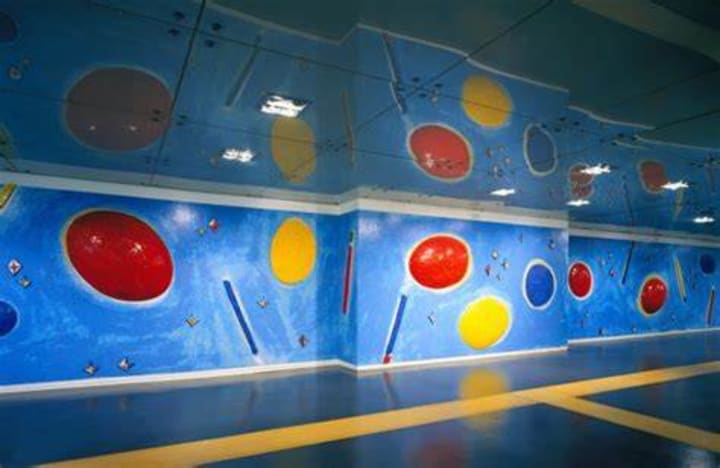
The Dante metro station has transformed into an art gallery of sorts. As you descend the escalator, you will come across Joseph Kosuth's "These Visible Things" or "Queste Cose Visibili," a large and vibrant neon quote from Dante's II Convivio. At the bottom of the escalator, Jannis Kounellis' artwork awaits, featuring renegade train tracks intertwined with abandoned shoes. Finally, above the second set of escalators, you will find Michelangelo Pistoletto's masterpiece, "Intermediterraneo" – a colossal mirror map depicting the Mediterranean Sea.
About the Creator
Rasma Raisters
My passions are writing and creating poetry. I write for several sites online and have four themed blogs on Wordpress. Please follow me on Twitter.
Keep reading
More stories from Rasma Raisters and writers in Wander and other communities.
Grand Rapids on the Grand River
The Frederik Meijer Gardens and Sculpture Park offers displays indoors and outdoors. The gardens showcase flowers and tranquil green spaces. The outdoor sculptures are surrounded by trees and waterways and there are winding paths to walk.
By Rasma Raisters2 years ago in Wander
Gift of the Epiphany
I have come to love the Mike's monthly unofficial challenges. They spark my imagination and cause me to dig, explore and search out truths. They also cause personal memories of mine to sparkle for a bit. January's challenge was no exception. In fact, the events that I'm now journaling still amaze me because those steps felt so ordered, yet unmistakingly, not mine.
By Shirley Belk6 days ago in Wander
Postcard from Bangor
Welcome to “Postcards Between Pages,” where we journey to places where stories come alive, and the landscape speaks with the echoes of literary giants. Today, we’re mailing you an audio postcard straight from Bangor, Maine—home to SK Tours of Bangor and the heart of Stephen King’s legendary world. Together, we’ll traverse the eerie streets and storied landmarks that inspired the King of Horror, listen to tales and whispers from beyond the page, and unravel how Bangor’s soul has shaped the nightmares and dreams of readers across the globe.
By Kristen Barenthaler5 days ago in Wander


Comments
There are no comments for this story
Be the first to respond and start the conversation.