
Mysterious Places
Long Island's Coastal Plain Pondshores


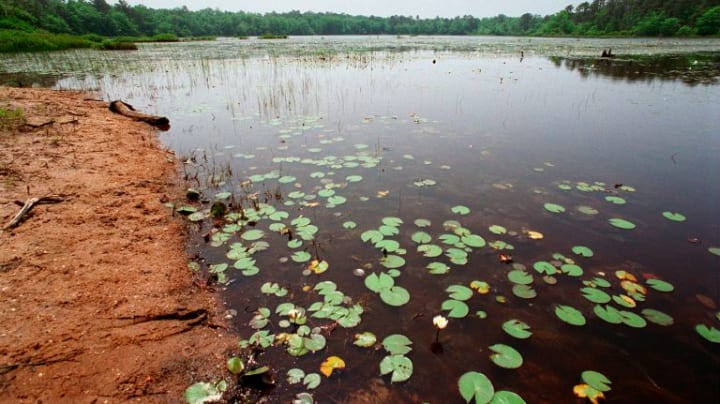
If you are looking for an "other worldly" experience on Long Island, there is no better place than its Coastal Plain Pondshores. When you step into this world, the first thing you notice is the eerie silence. Then you feel as though you aren't in suburbia at all but in some remote corner of this planet reserved for your tranquillity. A low hanging mist pervades the scene and you are imbued with the scent of raw nature. Snapping turtles sun themselves on a log reaching above the shallow pond. At your feet are some of the rarest plants in the world. You have entered a place that is a remnant of glacial modification, a piece of the tundra left thousands of years ago.
A coastal plain pond has no river or brook going in or out. It is an exposure of groundwater created by blocks of ice that crashed down from a glacier, leaving a dent in the land. The level of water in our aquifers determines the pondshore environment. In the wet months, the aquifer is high, leaving only a strip of pondshore to be seen. In the dry months, the aquifers are low, so the pondshores come to life as they broaden. The best time to view the pondshores is late summer into fall. If the year was particularly dry, plants not seen in 10 or 20 years may have a chance to germinate.
Calverton

Wikipedia defines this environment: "Coastal Plain Pondshores (CPPS) are herbaceous communities characterized by a distinct coastal plain flora. on exposed pondshores. Coastal plain ponds are shallow, highly acidic, low nutrient groundwater ponds in sandy glacial outwash, with no inlet or outlet." There are about 50 designated locations in New York State, all of which are on Long Island. Most of them are isolated and unmapped, but there are 15 documented occurrences as well as 6 CPPS pond systems. My personal favorite is Calverton Ponds Preserve. The reason is two-fold: It is the more remote of the two I'll discuss, and therefore less traveled by, and the second outing is a combination of several ecosystems, and I didn't want to distract my students from the goal of observing just one. Yes, I am a separatist. Both sites have easy access to CPPS for the less able, and trails and hikes for the abler. To get to Calverton: From the Long Island Expressway, take Exit 70, Manorville-Eastport. At the end of the ramp, go north for about 0.25 mile to Ryerson Avenue. (The Manorville Post Office is on the corner.) Turn right on Ryerson, crossing the railroad tracks, and proceed 0.2 miles to North Street. Go right on North Street 0.2 miles. The road curves to the left, becoming Wading River Manor Road. Follow Wading River Manor Road north 0.8 miles to Old River Road (not River Road) and turn right. Ahead 0.4 mile is a small preserve parking area on the left. Please do not block the gate. Come prepared for ticks. That means long pants and sleeves, with pants tucked into your socks. Using a repellent is a personal choice, but my students and I sprayed DEET on our socks and shoes and never had a problem. Stay on the trails so as not to disturb the delicate flora, and children should use only their indoor voices if you want to see wildlife. Here is a website that might help.
Calverton CPPS
Peaceful Trails (350 Acres)

The second outing is the Long Pond Greenbelt. It is located about 4.5 miles west of the Village of East Hampton and traverses from Little Poxabogue Pond to Sagaponack Beach in the Town of Southhampton. From north to south, this system includes Round Pond, Little Round Pond, Lily Pond, Long Pond, Little Long Pond, Crooked Pond, Black Pond, Little Poxabogue Pond, Poxabogue Pond, Sagg Swamp, and Sagaponack Pond which is salt water and not a CPPS. Here is a website for your perusal. Trail maps are available from the Freinds of Long Pond website for $5.00, or you can email Ursula Lindgren at [email protected] if you need one quickly.
Long Pond Greenbelt (400 Acres)
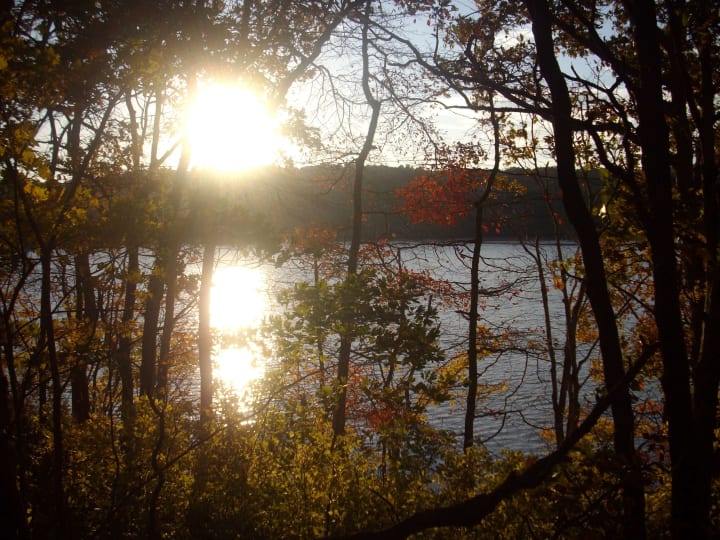
This ecosystem has value, not only in flood control but as a home to rare and globally endangered plants and animals. Many are rare to Long Island.
The Endangered Tiger Salamander

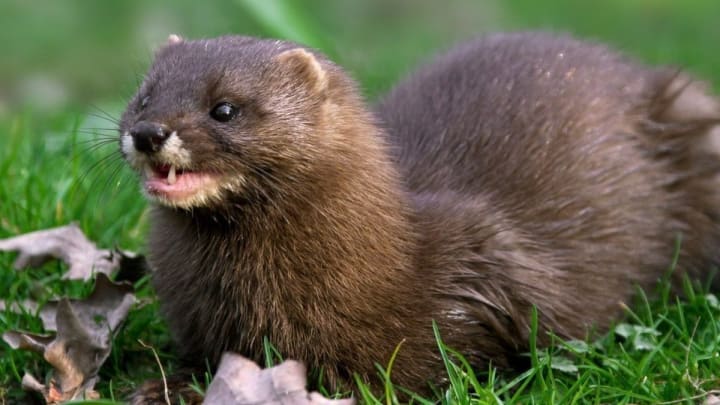
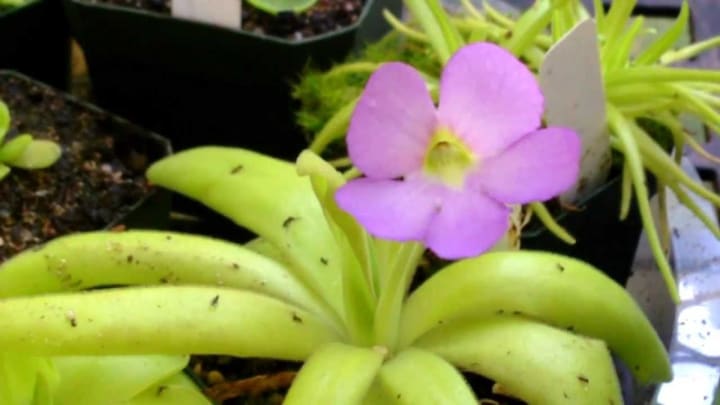
Some globally rare species and rare on Long Island species you might see:




About the Creator
Monica Bennett
I am a retired high school and college teacher. I have taught forensics, biology, chemistry, ecology, and Earth science.. Long Island has been my home for 60 years.
Keep reading
More stories from Monica Bennett and writers in Wander and other communities.
The Last and Only Eastern Prairie
It is hard sometimes to remember when you live in suburbia, that there are mysterious and haunting nooks and crannies. Hempstead Plains is one such place. It seems impossible, for those of us who were there before the mega stores and shopping centers, that everyone appears to have forgotten the old Long Island. Lindbergh's flight across the Atlantic is commemorated by a sign, right in front of Macy's in Roosevelt Field Mall. That sums up our history from the developer's side. Today, we must make a stand to preserve what remains of the only true prairie east of the Appalachians.
By Monica Bennett7 years ago in Wander



Comments
There are no comments for this story
Be the first to respond and start the conversation.