
My Secret Weapon in Rome: How One Tourist Card Saved My Trip (And My Sanity)
When I first started planning my trip to Rome, I had visions of myself gracefully sipping espresso in a sun-drenched piazza, wandering through ancient ruins with a gelato in hand, and feeling the immense history of the city wash over me.

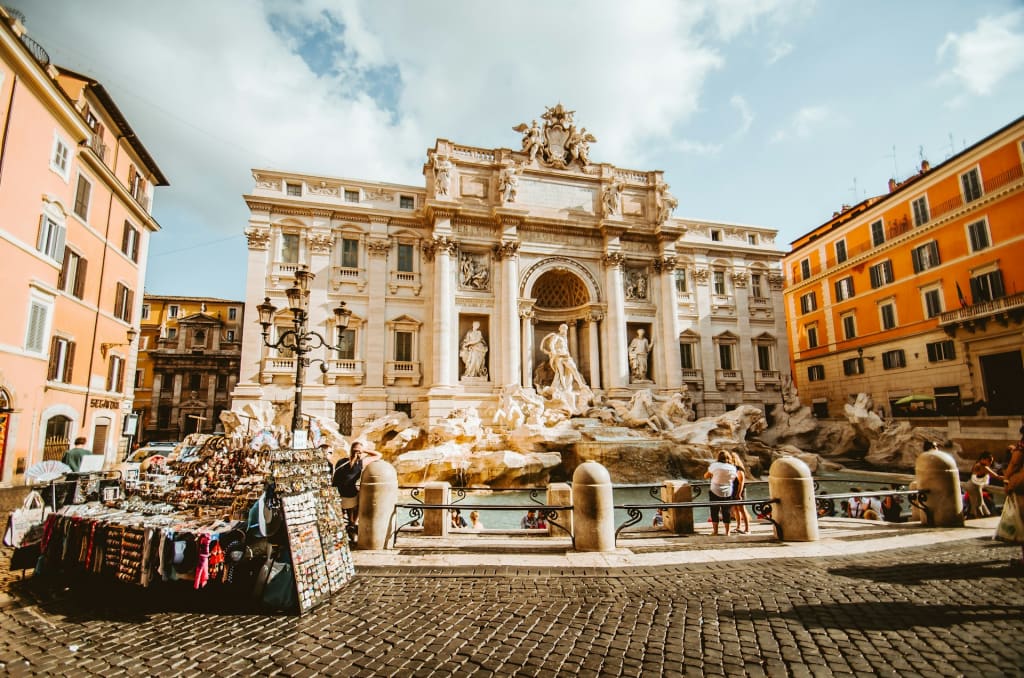
What I didn't envision were the queues. The endless, snaking, soul-crushing queues that I read about in every travel blog.
That's when I stumbled upon my secret weapon, the one thing that transformed my trip from a potential logistical nightmare into a dream vacation: the Rome Tourist Card.
I’m here to tell you, from one traveler to another, that this wasn't just a purchase; it was an investment in my happiness. Let me share my story of how this digital key unlocked the Eternal City for me.
First Things First: What is This Magic Card?
Let’s be clear. There are a few different passes for Rome, but I opted for what is often called the "Rome Tourist Card" or a similar all-in-one digital pass from sites like Tiqets or GetYourGuide. Unlike some other city passes, this one was 100% digital. No need to find an office to pick up a physical card. Everything—my tickets, my vouchers, my audio guides—arrived in my email inbox.
The main draw for me was the bundle: it included priority, skip-the-line entry to the three titans of Roman tourism:
- The Colosseum, Roman Forum & Palatine Hill
- The Vatican Museums & Sistine Chapel
- A Guided Tour of St. Peter's Basilica (or sometimes just priority entry to the Dome climb, depending on the package)
It also threw in a few awesome extras, like a city audio guide app and a 10% discount on other attractions. For a first-time visitor like me, who wanted to see all the big-ticket items without the big-ticket hassle, it sounded perfect.
The "I'm a VIP" Feeling: Skipping the Lines
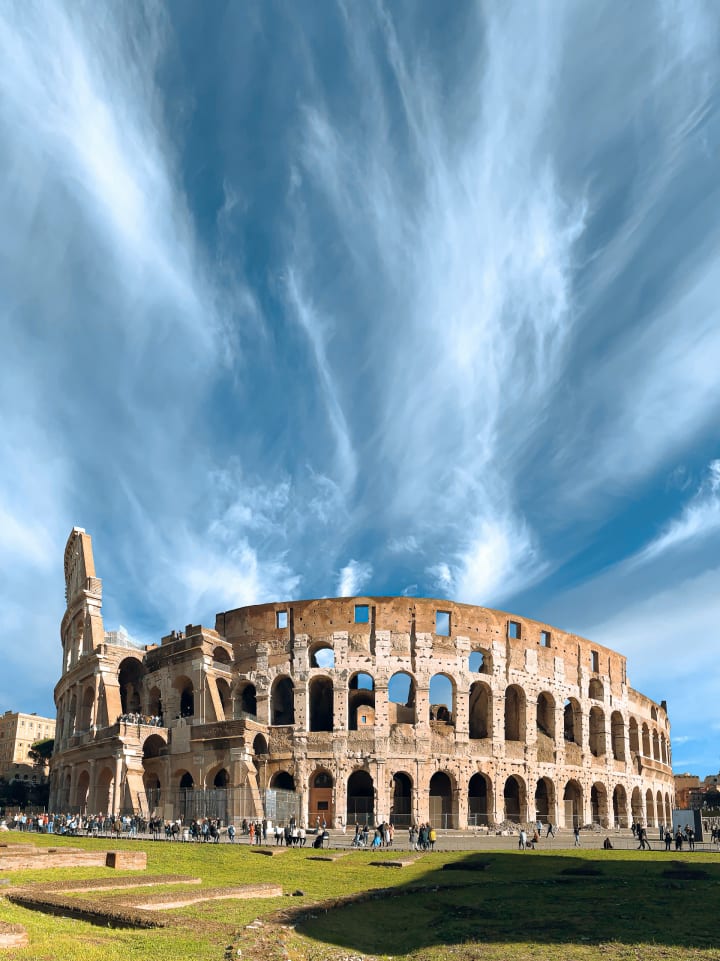
My first real test of the card came at the Colosseum. We arrived at our pre-booked time slot to a scene of organized chaos. The general admission line snaked all the way back towards the Arch of Constantine, with hundreds of people wilting under the Roman sun. I clutched my phone, my heart pounding a little. Was this really going to work?
I showed the QR code on my phone to the guard at the "Priority Entrance" line. He scanned it, a green light flashed, and he waved us through with a nod. We were inside in less than five minutes. Walking past that enormous queue, I won't lie, I felt a little surge of triumph. It was like having a backstage pass to history.
The same story repeated itself at the Vatican Museums. The line for tickets there is legendary—it can stretch for hours. We breezed past it, went through security, and were inside, gazing up at the incredible spiral staircase while the masses were still debating whether the wait was worth it. This single benefit—saving hours of standing in line—was worth the price of the card alone. It gave us back precious time we could spend exploring, not waiting.
The Funny Mishaps and Happy Accidents
Of course, no trip is without its quirks, and the card played a role in some of my favorite memories.
The Case of the "Gladiator's Nod": This happened at the Roman Forum. After using our pass to enter, we were wandering around, a bit lost in the sheer scale of the ruins. I asked a staff member for directions to Palatine Hill. He saw the "Priority" sticker on our digital pass (a small detail, but he noticed) and gave me this serious, almost imperceptible nod. He then pointed the way with a dramatic flair, as if he were a centurion directing his legionary. My friend and I started calling it the "Gladiator's Nod," and for the rest of the day, we’d give it to each other whenever we successfully navigated a crowd. It was silly, but it made us feel like we were in on a secret.
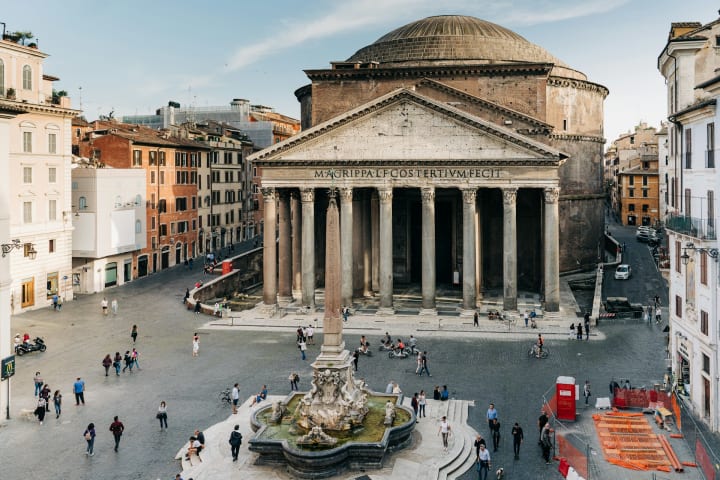
The Pantheon Panic: The Rome Tourist Card I bought also came with a digital audio guide for the Pantheon. At the time, entry to the Pantheon was free but required pre-booking a time slot, which, in a classic tourist error, I had completely forgotten to do. We arrived to find a massive crowd and a sign about mandatory reservations. My heart sank. But then I remembered the audio guide. I walked up to the entrance staff, looking apologetic, and explained I had the audio guide tour for that day. I showed them the app on my phone. They glanced at it, saw it was a legitimate city guide, and with a typically Italian shrug of "va bene" (it's okay), they let us in. We saved the day with a feature I had almost forgotten we had!
Let's Talk Money: Was It a Good Deal?
- As a budget-conscious traveler, I did the math. Let's break it down:
- Skip-the-line Colosseum/Forum ticket: ~€20-€24
- Skip-the-line Vatican Museums & Sistine Chapel ticket: ~€25-€30
- Guided Tour/Dome Climb at St. Peter's: ~€25-€35
- Pantheon Audio Guide: ~€5
Just those three main attractions would have cost me between €70 and €90 if I booked them separately with skip-the-line access. The Rome Tourist Card cost me roughly the same, but it bundled everything into one easy purchase and threw in the city audio guide and discounts.
The real value, however, wasn't just in the euros saved. It was in the time and energy saved. I didn't have to navigate three different booking websites, juggle multiple confirmation emails, or waste half a day in a queue. The convenience was priceless.
Where to Buy Your Own Key to the City
This is the easy part. I bought my Rome Tourist Card online a few weeks before my trip. I’d highly recommend doing the same.
Search Online: Look for "Rome Tourist Card," "Rome City Pass," or similar terms on major travel websites.
Reputable Sellers: I used GetYourGuide, but Tiqets is another hugely popular and reliable platform. They specialize in these kinds of passes.
Book in Advance: This is crucial! After you buy the card, you'll receive an email with instructions on how to book your specific time slots for the Colosseum and Vatican Museums. Do this immediately! The best times get booked up quickly, especially during peak season.
Go Digital: You'll get all your tickets as QR codes on your phone. I suggest taking screenshots of them just in case you lose internet service.
My Final Verdict
So, is the Rome Tourist Card worth it? For me, it was an absolute, unequivocal yes.
It took the stress out of planning and allowed me to focus on the magic of Rome. It made me feel like a savvy traveler, not a stressed-out tourist. It gave me more time to get lost in the charming streets of Trastevere, to eat more cacio e pepe than is probably healthy, and to simply sit by a fountain and watch the world go by.
If you want to see the iconic sights of Rome without the iconic queues, do yourself a favor. Get the card. It’s your own personal "Gladiator's Nod" that says, "Welcome to Rome. Now, go and enjoy it."
About the Creator
Keep reading
More stories from Paris Effel and writers in Wander and other communities.
The Great British Pilgrimage: My Unfiltered Guide to the London to Edinburgh Journey
So, you want to get from London to Edinburgh? Grab a cup of tea (or a stiff gin), and let me tell you how it really is. 1. By Train: The Civilised Champion (with a Dash of Harry Potter)
By Paris Effel6 months ago in Wander
Whispers of Winter
"There are places where the holiday season doesn’t just arrive — it settles in. It curls around you like a wool scarf, it glows like a candle in a frosted window, and it whispers stories you swear you’ve heard before. Today, we’re stepping into one of New England’s most enduring traditions: the Enchanted Village at Jordan’s Furniture in Avon, Massachusetts."
By Kristen Barenthaler5 days ago in Wander
Absolved of All Sins!
We went on a day trip to Armenia with my son and friend Katie to explore its apostolic monasteries. Our first stop, Akhtala Monastery, had a monument to Armenian-Georgian friendship in the form of two rings joined by a pomegranate, the national fruit of both countries.
By Lana V Lynx4 days ago in Wander
Wild Card Weekend Recap: What Happens Now?
I think I figured out why I love Wild Card Weekend so much. It's because it's the first playoff anything of the calendar year. The NFL season starts in the fall, and once upon a time, the champion was crowned either on or slightly before New Year's. The evolution of the NFL schedule has resulted in the playoffs starting just into the New Year, and currently, the final week of the season falls on the first weekend of the New Year, with Wild Card Weekend coming a week after that. So yes, chronologically, the NFL's Wild Card Weekend serves as the first playoff anything of the calendar year.
By Clyde E. Dawkins7 days ago in Unbalanced




Comments
There are no comments for this story
Be the first to respond and start the conversation.