
Michelin - Starred Restaurants : A Culinary Symphony of Excellence and Emotion
From humble street stalls to the grandest fine-dining establishments, discover how Michelin-starred restaurants around the world transform every bite into a story of passion, culture, and perfection.

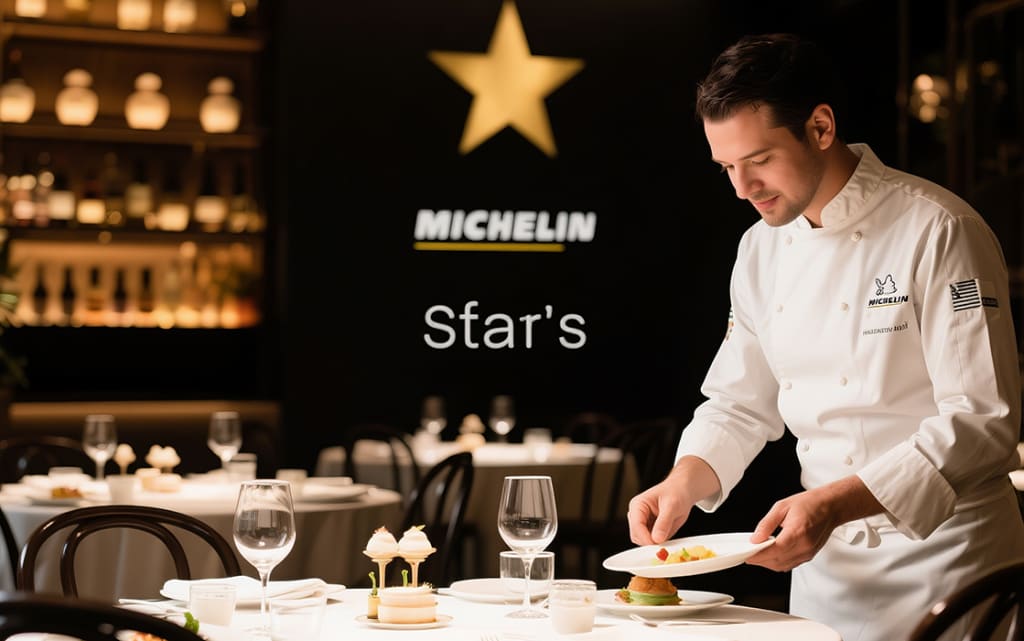
Michelin-starred restaurants have long been a symbol of supremacy in the culinary world—places where food is not merely a meal, but an emotional journey filled with stories and sensory experiences that stir the soul. Awarded by the legendary Michelin Guide, originally created in France as a travel guide for motorists, the Michelin star has evolved into the highest benchmark in the global restaurant industry. Evaluations are conducted by highly trained anonymous inspectors, based on rigorous standards that include the quality of ingredients, cooking techniques, flavor harmony, the personality of the cuisine, and consistency over time.
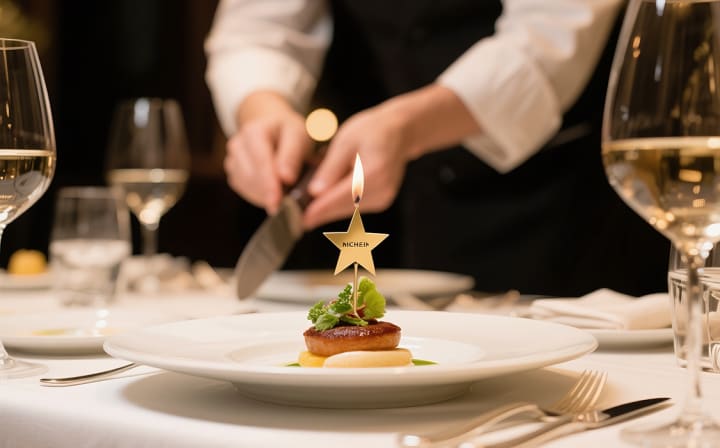
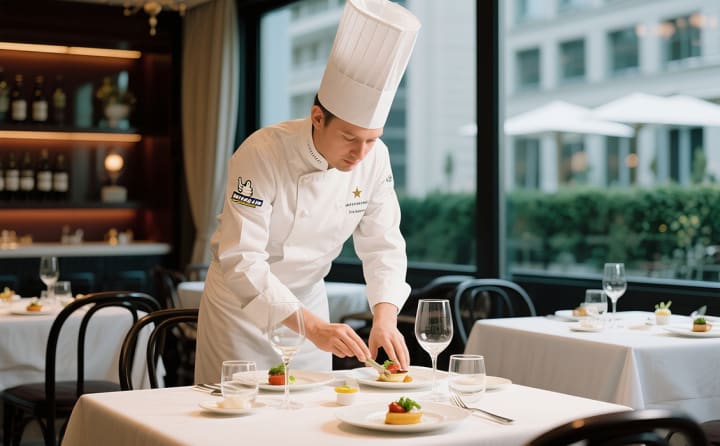
A restaurant with one star is considered very good in its category, two stars signify excellent cuisine worth a special journey, and three stars represent the highest honor, indicating a culinary experience that is truly exceptional and unmatched. Yet, Michelin-starred dining isn’t always synonymous with luxury or sky-high prices; some operate in small, modest spaces yet offer perfection in every aspect—like Jay Fai in Bangkok, who cooks in a street-side stall wearing ski goggles, or Sukiyabashi Jiro in Tokyo, renowned for its heavenly sushi precision served in a basement restaurant with only ten seats. On the other end of the spectrum are grand establishments like Alain Ducasse au Plaza Athénée in Paris or The French Laundry in California, presenting haute cuisine in elegant settings with impeccable service. In recent years, the Michelin world has seen a compelling shift, with many restaurants embracing sustainability and locality—using seasonal ingredients from nearby farmers, sustainable seafood, and even herbs and foliage foraged from surrounding forests. Restaurants like Noma in Copenhagen, Central in Lima, and Locavore in Ubud carry powerful narratives about the importance of local identity in a global dish, inviting guests to discover the stories of the land and culture behind the flavors. The Michelin dining experience extends far beyond the plate—it begins from the first step into the dining room, continues through warm welcomes and serene yet refined atmospheres, and culminates in the plating of dishes that resemble contemporary works of art. Everything is crafted to evoke a sense of occasion that’s rare in everyday dining. Unsurprisingly, many high-end travelers consider Michelin-starred restaurants as primary destinations—not just side trips, but experiences that rival visits to historical landmarks or world-famous landscapes. In a fast-moving world, Michelin restaurants offer a pause—a journey of taste, a tribute to human craftsmanship in transforming the simplest ingredients into the extraordinary, and a reminder that in every bite, there lies a story of heritage, innovation, and love bound into one unforgettable experience.
About the Creator
Vocalmedia Adeadifa
Travel enthusiast, Exploring the world one story at a time
Keep reading
More stories from Vocalmedia Adeadifa and writers in Wander and other communities.
The Majestic Allure of the Burj Khalifa: A Symphony of History and Height
In the once-silent expanse of the desert, an idea emerged: to erect an icon that would redefine skylines and testify to the boundless nature of human ambition. The story of the Burj Khalifa began with the dream of Sheikh Mohammed bin Rashid Al Maktoum, the ruler of Dubai, to create a global landmark that would capture the world's attention. Inspired by the geometric elegance of the Hymenocallis flower and driven by the desire to surpass the height of any man-made structure before it, this ambitious project commenced in 2004.
By Vocalmedia Adeadifa10 months ago in Wander
Worth the Wait: Puerto Viejo, Costa Rica
Beach bumming in a small Caribbean beach town sounded like a perfect way to end our 6-month trip through Mexico and Central America. Or so we thought. The foul, fishy stench of rotten seaweed hit our nostrils as we stepped from the cramped bus and looked out at a rather depressing, empty, and underwhelming black sand beach. It was pouring with rain, and we had to quickly fish out our ponchos. We thought, this couldn’t be it, could it?
By Sh*t Happens - Lost Girl Travel10 days ago in Wander
Fun Times at Globe Life Field: Part 2
Last month, I took a trip to my hometown of Arlington, Texas. It was the first time in nearly 15 years I've been back to the place that I grew up. During the two days I was there, I did some sight-seeing and was highly impressed with how much has changed the last time I was there, which was 2011. On the last day of my trip, I took part in a premium stadium tour at Globe Life Field, the home of the Texas Rangers. It was my first time there and was with a small group of people on the tour. I've discussed the things I've seen during the hour and a half tour in my previous story, which you can read down below. After the tour concluded, I went outside and took even more snapshots. I'll go over some of the images, individually and in collage form.
By Mark Wesley Pritchard 3 days ago in Wander
A System That Isn’t Working Challenge Winners
Systems promise order. They organize behavior, distribute opportunity, and suggest that if everyone follows the rules, things will work. The entries in A System That Isn’t Working look closely at what happens when that promise begins to slip.
By Vocal Curation Team5 days ago in Resources




Comments