
Mastering the Airport Ground Staff Interview
Key Questions and Answers to Ensure Your Success in the Airline Ground Crew Selection

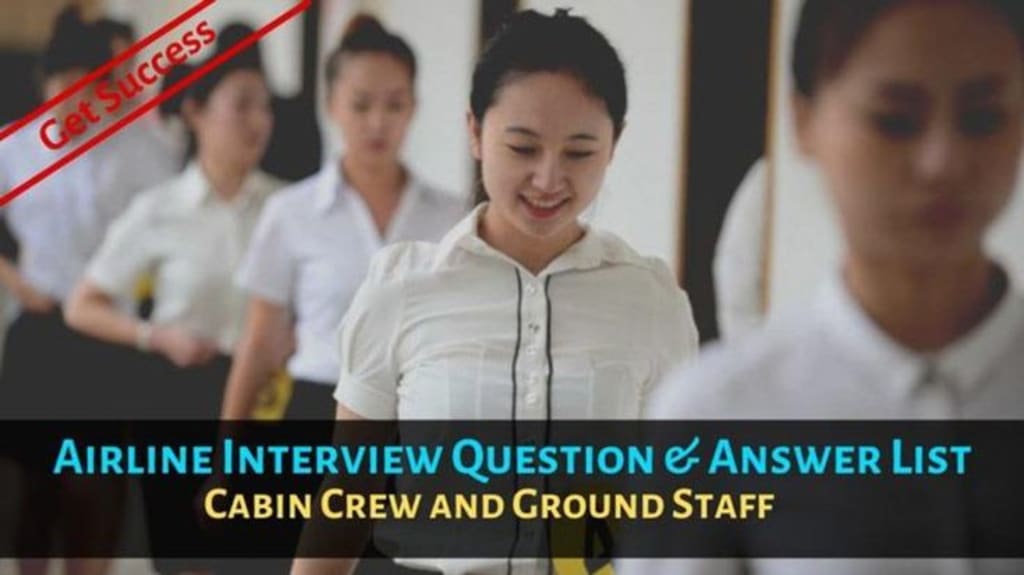
Landing a role as an airport ground staff member can be both exciting and challenging. This position is crucial in ensuring smooth operations and excellent customer service at airports. To help you prepare for your interview and stand out from the competition, we’ve compiled key questions you may face, along with effective answers and strategies. Whether you’re new to the industry or seeking to advance your career, this guide will equip you with the knowledge to excel.
1. Introduction & Self-Presentation
Q: Can you tell us a little about yourself and why you are interested in this position?
A: “Certainly! I have always been passionate about aviation and customer service. With a background in hospitality and a keen interest in the dynamic environment of airports, I believe the ground staff role aligns perfectly with my skills and interests. My previous experience in customer-facing roles has honed my ability to manage various situations calmly and efficiently, which I believe will be valuable in this position. I am excited about the opportunity to contribute to the smooth running of airport operations and enhance passengers’ travel experiences.”
Strategy: Keep your answer concise and relevant. Highlight any past experiences or skills that directly relate to the ground staff role. Show enthusiasm and connect your background with the key responsibilities of the position.
2. Motivation for the Role
Q: Why do you want to work as a ground staff member at this particular airport or airline?
A: “I am particularly interested in working with [Airport/Airline Name] because of its reputation for excellence in customer service and operational efficiency. The innovative approach and commitment to safety are aspects that I deeply admire. I have researched [Airport/Airline Name] and am impressed by its focus on creating a positive travel experience for passengers. I am eager to be part of a team that prioritizes both safety and customer satisfaction, and I believe my skills and passion align well with the values and goals of your organization.”
Strategy: Demonstrate your knowledge of the airline or airport and express your enthusiasm for its values and goals. Research the company thoroughly to show that you are genuinely interested and have a specific reason for applying.
3. Understanding of Required Skills
Q: What do you think are the most important skills for a ground staff member, and how do you possess them?
A: “The most important skills for a ground staff member include excellent communication, problem-solving, and customer service skills. Communication is crucial for coordinating with passengers and colleagues, while problem-solving helps in managing unexpected situations effectively. My previous roles have equipped me with strong communication skills, as I regularly interacted with diverse groups of people and resolved various issues. Additionally, my customer service experience has taught me to handle challenging situations with empathy and professionalism, ensuring a positive experience for passengers.”
Strategy: Identify key skills required for the role and provide specific examples from your past experiences that demonstrate how you possess these skills. Use concrete examples to make your response more compelling.
4. Customer Service Scenarios
Q: How would you handle a situation where a passenger is upset because their flight is delayed?
A: “In such a situation, I would first approach the passenger with empathy and understanding. I would listen to their concerns attentively, acknowledging their frustration. I would then provide them with accurate information about the delay, including the reasons behind it and any potential updates. Additionally, I would offer solutions or alternatives, such as rebooking or compensation if applicable, to address their needs. My goal would be to resolve the issue calmly and ensure the passenger feels valued and supported throughout the process.”
Strategy: Emphasize empathy, effective communication, and problem-solving skills in your response. Show that you understand the importance of addressing passengers’ concerns and providing practical solutions.
5. Conflict Resolution
Q: How would you deal with a conflict between two coworkers during a busy shift?
A: “In the event of a conflict between coworkers, my approach would be to remain calm and objective. I would first separate the individuals to allow them to cool down and then speak with each person individually to understand their perspectives. Once I have a clear understanding of the issue, I would facilitate a discussion between the parties to address the conflict and find a mutually agreeable solution. If necessary, I would involve a supervisor to help mediate the situation. My focus would be on resolving the conflict in a manner that restores a positive working environment and maintains team efficiency.”
Strategy: Highlight your ability to handle conflicts professionally and impartially. Stress the importance of maintaining a positive work environment and the steps you would take to mediate and resolve issues.
6. Adherence to Procedures
Q: How would you handle a situation where you notice a colleague not following safety procedures?
A: “If I observed a colleague not following safety procedures, I would approach the situation carefully and discreetly. My first step would be to remind the colleague of the specific procedures and the importance of adhering to them for everyone’s safety. If the issue persists or if it is a serious violation, I would report it to a supervisor to ensure that the proper protocols are followed. My priority would be to maintain a safe working environment while addressing the issue in a constructive manner.”
Strategy: Demonstrate your commitment to safety and adherence to procedures. Show that you understand the importance of following protocols and are willing to address issues appropriately.
7. Assistance for Special Needs Passengers
Q: How would you ensure that a passenger with special needs receives the assistance they require?
A: “For passengers with special needs, my approach would be to first understand their specific requirements by asking them or reviewing any relevant information provided. I would then coordinate with the appropriate services or staff to ensure that their needs are met, whether it’s providing physical assistance, arranging special seating, or ensuring timely boarding. Throughout the process, I would maintain a respectful and supportive attitude, ensuring that the passenger feels comfortable and valued. My goal would be to make their travel experience as smooth and pleasant as possible.”
Strategy: Emphasize your understanding of the importance of accommodating passengers with special needs and your commitment to providing personalized assistance. Show empathy and a proactive approach in addressing their requirements.
8. Working Under Pressure
Q: How do you handle working under pressure, especially during peak travel times?
A: “Working under pressure is a common aspect of the ground staff role, and I approach it by staying organized and maintaining a calm demeanor. I prioritize tasks based on urgency and importance, ensuring that critical operations are handled promptly. I also rely on effective communication and teamwork to manage high-pressure situations efficiently. By staying focused and being adaptable, I can manage the demands of peak travel times while ensuring that all tasks are completed accurately and efficiently.”
Strategy: Demonstrate your ability to stay organized and calm under pressure. Highlight your skills in prioritizing tasks and working collaboratively to manage high-pressure situations effectively.
9. Adaptability and Problem Solving
Q: Can you provide an example of a time when you had to adapt to a significant change at work?
A: “In my previous role, there was a sudden change in our scheduling system, which affected our daily operations. I quickly adapted by familiarizing myself with the new system and assisting my colleagues in understanding the changes. I also communicated any issues or concerns to the management team to ensure that we could address them promptly. Through this experience, I learned the importance of flexibility and proactive problem-solving in adapting to changes and maintaining operational efficiency.”
Strategy: Provide a specific example that illustrates your ability to adapt to change and solve problems. Show how your adaptability and proactive approach contributed to successfully managing the situation.
10. Teamwork and Collaboration
Q: How do you approach working as part of a team, and how do you handle disagreements with team members?
A: “Working as part of a team is essential in the ground staff role, and I approach it by fostering open communication and mutual respect. I believe in collaborating with colleagues to achieve common goals and supporting each other to ensure a smooth workflow. In the event of disagreements, I would address the issue calmly and professionally, focusing on finding a constructive solution rather than dwelling on differences. By maintaining a positive attitude and being open to feedback, I aim to contribute to a cohesive and efficient team environment.”
Strategy: Highlight your commitment to teamwork and collaboration. Emphasize your approach to handling disagreements professionally and maintaining a positive work environment.
11. Handling Customer Complaints
Q: How would you handle a situation where a passenger is dissatisfied with the service they received?
A: “When addressing a passenger’s dissatisfaction, I would first listen carefully to their complaint to understand their concerns fully. I would acknowledge their feelings and apologize for any inconvenience they experienced. I would then work to resolve the issue by offering practical solutions or alternatives, such as rebooking or compensation if applicable. My goal would be to address the complaint promptly and ensure that the passenger feels heard and valued, ultimately restoring their confidence in the airline’s services.”
Strategy: Demonstrate your ability to handle complaints with empathy and effectiveness. Show that you understand the importance of addressing issues promptly and providing solutions to improve the passenger’s experience.
12. Commitment to Safety and Regulations
Q: What measures would you take to ensure that all safety regulations and protocols are followed?
A: “To ensure that safety regulations and protocols are followed, I would stay informed about the latest guidelines and procedures by regularly reviewing relevant documentation and attending training sessions. I would also remain vigilant and proactive in monitoring compliance during operations, addressing any potential issues promptly. Additionally, I would encourage colleagues to adhere to safety protocols and report any concerns or violations to supervisors. By prioritizing safety and maintaining a high standard of compliance, I aim to contribute to a safe and efficient working environment.”
Strategy
Continuously update yourself on safety regulations and procedures. Regularly review company policies and industry standards. Be observant and proactive in ensuring that all safety protocols are followed. Address any discrepancies immediately and report serious issues to supervisors. Encourage a culture of safety among your colleagues by leading by example and fostering open communication about safety concerns.
Additional Tips:
Participate in Training. Actively engage in any training opportunities provided by the company to stay current with safety practices.
Create Checklists. Use checklists to ensure that all safety procedures are followed consistently during your shifts.
13. Handling High-Volume Situations
Q: How would you manage your tasks and responsibilities during a high-volume travel period, such as peak holiday seasons?
A: “During high-volume travel periods, effective time management and organization are crucial. I would start by prioritizing tasks based on urgency and importance, ensuring that critical operations are addressed promptly. I would also collaborate closely with my team to distribute workload evenly and communicate effectively to avoid misunderstandings. Additionally, I would stay calm and focused under pressure, using any available resources or tools to streamline processes and maintain efficiency. By remaining adaptable and proactive, I aim to handle high-volume situations smoothly and ensure a positive experience for passengers.”
Strategy
Identify and prioritize key tasks to manage time effectively during peak periods. Work closely with your team to ensure that workload is evenly distributed and that communication is clear. Maintain composure and focus on task efficiency to manage high-pressure situations effectively.
Additional Tips:
Use Tools and Resources: Utilize available tools and technology to streamline operations and manage high volumes more effectively.
Plan Ahead: Anticipate potential challenges and prepare contingency plans to address them.
14. Dealing with Emergencies
Q: Can you describe how you would handle an emergency situation, such as a medical incident or security threat, at the airport?
A: “In an emergency situation, my first priority would be to ensure the safety and well-being of all individuals involved. I would quickly assess the situation and follow established emergency protocols, such as contacting emergency services and notifying relevant airport personnel. I would provide clear instructions to passengers and colleagues to help manage the situation effectively. Additionally, I would remain calm and composed to provide reassurance and support while coordinating with emergency responders to resolve the situation efficiently.”
Strategy:
Adhere to established emergency procedures and protocols. Quickly assess the situation, communicate clearly with passengers and colleagues, and coordinate with emergency responders. Remain calm and provide support to ensure a smooth resolution of the emergency.
Additional Tips:
Review Emergency Procedures. Regularly review emergency procedures and participate in drills to stay prepared.
Stay Calm. Keep a calm demeanor to help manage the situation effectively and reassure others.
15. Understanding of Airline Policies
Q: How familiar are you with the airline’s policies regarding baggage handling, passenger check-in, and flight delays?
A: “I have researched [Airline Name]’s policies thoroughly and am familiar with the procedures for baggage handling, passenger check-in, and managing flight delays. I understand the importance of adhering to these policies to ensure a smooth operation and positive passenger experience. For instance, I am aware of the baggage size and weight limits, the check-in procedures, and the protocols for communicating with passengers about flight delays. My knowledge of these policies will help me perform my duties effectively and provide accurate information to passengers.”
Strategy
Familiarize yourself with the airline’s specific policies and procedures before the interview. Demonstrate your understanding of how these policies impact daily operations and passenger experience. If possible, provide examples of how you’ve applied similar policies in previous roles.
Additional Tips
Stay Updated. Keep up-to-date with any changes in airline policies and procedures.
Ask Questions. If there are aspects of the policies you’re unsure about, ask during the interview to show your interest and commitment to understanding the role.
16. Adaptability and Continuous Improvement
Q: How do you approach continuous improvement in your role and adapt to new processes or technologies?
A: “I approach continuous improvement by staying open to feedback and actively seeking opportunities for personal and professional development. I regularly review my performance and identify areas where I can enhance my skills or improve efficiency. When adapting to new processes or technologies, I embrace change by learning about the new systems, attending relevant training sessions, and applying new knowledge in my daily tasks. By being proactive and adaptable, I aim to contribute to the overall success of the team and the organization.”
Strategy
Regularly seek feedback from supervisors and colleagues to identify areas for improvement. Be open to learning and adapting to new processes and technologies. Engage in ongoing training and development opportunities to enhance your skills and knowledge.
Additional Tips
Set Personal Goals. Set personal development goals to track your progress and stay motivated.
Stay Informed. Keep up-to-date with industry trends and advancements to remain competitive and effective in your role.
Final Preparation Tips
Practice Common Questions. Rehearse answers to common interview questions to build confidence and improve your responses.
Prepare Questions for the Interviewer. Develop thoughtful questions to ask the interviewer about the role, team dynamics, and company culture.
Review Your Resume. Ensure that your resume is up-to-date and accurately reflects your skills and experiences.
About the Creator
Horace Was
Essay Writer, Aviation and Technology Expert
Keep reading
More stories from Horace Was and writers in Wander and other communities.
Budget Airlines
The airline industry is no stranger to turbulence, but recent developments have left budget airlines in a particularly precarious position. Once hailed as the saviors of affordable air travel, these low-cost carriers are now grappling with unprecedented challenges. From rising costs to operational inefficiencies, the very model that propelled them to success is now under siege. Let’s delve into the factors contributing to this crisis and explore what the future might hold for budget airlines.
By Horace Was2 years ago in Wander
Worth the Wait: Puerto Viejo, Costa Rica
Beach bumming in a small Caribbean beach town sounded like a perfect way to end our 6-month trip through Mexico and Central America. Or so we thought. The foul, fishy stench of rotten seaweed hit our nostrils as we stepped from the cramped bus and looked out at a rather depressing, empty, and underwhelming black sand beach. It was pouring with rain, and we had to quickly fish out our ponchos. We thought, this couldn’t be it, could it?
By Sh*t Happens - Lost Girl Travel4 days ago in Wander
Guard Your Battery
Why are some people so attractive just by standing there? It’s not because they are "likable," but because they don’t need everyone to like them. I realized later that truly charismatic people allow themselves to be criticized, but they never criticize themselves. They never try to please the world; instead, the world stops to watch them.
By Emily Chan - Life and love sharing6 days ago in Poets




Comments
There are no comments for this story
Be the first to respond and start the conversation.