
Budget Airlines
Why Budget Airlines Are Facing Unprecedented Challenges

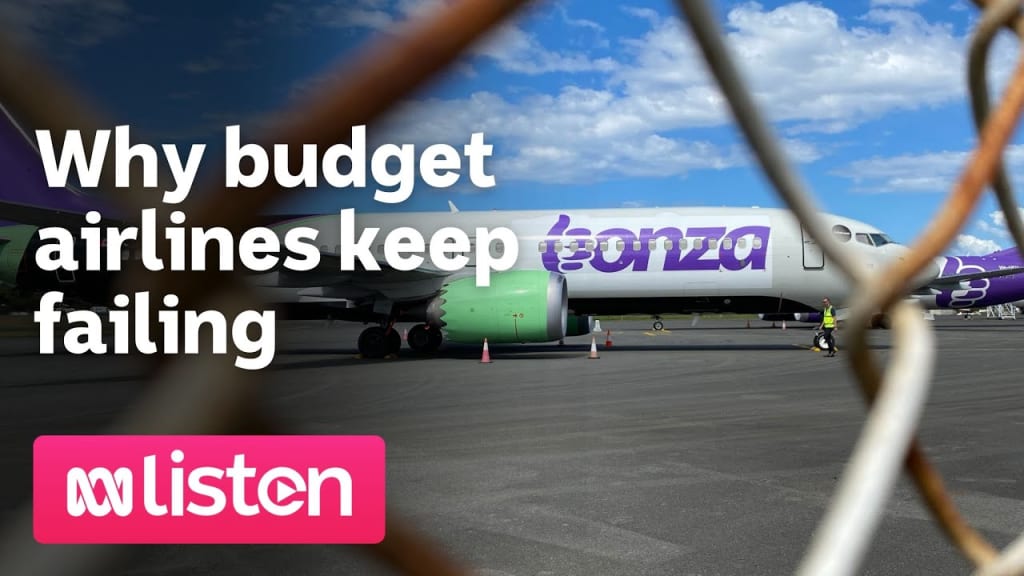
The airline industry is no stranger to turbulence, but recent developments have left budget airlines in a particularly precarious position. Once hailed as the saviors of affordable air travel, these low-cost carriers are now grappling with unprecedented challenges. From rising costs to operational inefficiencies, the very model that propelled them to success is now under siege. Let’s delve into the factors contributing to this crisis and explore what the future might hold for budget airlines.
The Golden Age of Budget Airlines
Eight years ago, budget airlines were at the pinnacle of their success. In 2015, low-cost carriers like Southwest, JetBlue, Spirit, and Allegiant were rewriting the rules of profitability in the aviation industry. Southwest and JetBlue, two giants of the low-cost model, were reporting profit margins of approximately 20%. This meant that for every dollar earned, these airlines were pocketing 20 cents—a remarkable achievement in an industry where profit margins are typically razor-thin. Spirit Airlines, known for its ultra-low-cost structure, was even more profitable, boasting an impressive 24% operating margin. Allegiant Air outdid them all with a staggering 30% margin. These figures were extraordinary, especially in an industry where financial stability is often elusive. The success of these airlines was rooted in their ability to offer low fares while simultaneously keeping operating costs to a minimum. This was achieved through various strategies, such as operating single-type fleets, maximizing aircraft utilization, and charging for additional services that were traditionally included in ticket prices.
At the time, legacy carriers like Delta, American, and United struggled to compete with the low-cost airlines' efficiency and cost structure. The legacy airlines were burdened with higher operating costs, partly due to their more extensive and diverse fleets, as well as the additional services they offered, such as complimentary meals and baggage allowances. In contrast, budget airlines thrived by stripping down their service offerings to the bare essentials, allowing them to pass on the savings to passengers in the form of lower ticket prices. This approach not only attracted price-sensitive travelers but also forced the entire industry to rethink its pricing strategies. The success of these airlines during this period marked a golden age for budget carriers, setting new benchmarks for profitability and operational efficiency in aviation.
What Went Wrong?
Fast forward to today, and the landscape has dramatically shifted. Legacy carriers like Delta and United have regained their dominance, while budget airlines are struggling to stay afloat. Operating margins for these low-cost carriers have plummeted, with some even dipping into negative territory. Spirit’s margins, for example, have fallen from 24% to -7.5%. So, what happened?
A critical challenge contributing to the struggles of budget airlines is the dramatic rise in fuel costs. In March 2022, fuel prices spiked, putting immense financial pressure on airlines whose business models depend heavily on maintaining low operating costs. For example, Spirit Airlines saw its cost per available seat mile (CASM) increase by a staggering 45%. This sharp rise in expenses was a severe blow to an airline built on offering affordable fares through cost efficiency. While some airlines managed to mitigate the impact by passing costs onto consumers or leveraging financial hedging strategies, budget carriers, in particular, faced an uphill battle. These airlines typically operate on thinner profit margins and have less flexibility to absorb sudden cost increases without compromising their low-cost promise. As fuel prices remain volatile, the financial strain on budget airlines continues, forcing them to re-evaluate their operations and pricing strategies in an effort to stay competitive while managing significantly higher costs.
Maintaining on-time operations has become increasingly challenging for budget airlines, further complicating their business models. Before the pandemic, airlines like Spirit were renowned for their high aircraft utilization rates, with planes often flying up to 12 hours a day. This efficiency was a cornerstone of their low-cost operations. However, post-pandemic, several factors have disrupted this balance. The frequency of severe weather events, particularly in hurricane-prone regions like Florida, has risen, leading to more frequent delays and cancellations. Compounding these issues is a significant shortage of air traffic controllers, which has added another layer of complexity to maintaining tight schedules. These operational disruptions have made it difficult for budget airlines to sustain the high efficiency required to keep costs low. As delays increase and schedules become less reliable, customer satisfaction declines, further impacting these airlines' ability to attract and retain passengers in an already challenging environment.
Technical issues have also emerged as a significant challenge for some budget airlines, particularly those relying on specific aircraft models. Spirit Airlines, for instance, operates a large portion of its fleet with Airbus A320 NEO aircraft powered by Pratt & Whitney's PW1100G engines. Recently, a potential flaw in these engines was discovered, prompting mandatory inspections that have taken several aircraft out of service. This unexpected maintenance requirement has reduced Spirit’s operational capacity, directly affecting their revenue as fewer planes are available for service. The grounding of aircraft not only limits the number of flights Spirit can offer but also exacerbates existing operational challenges by disrupting schedules and increasing maintenance costs. The engine issue highlights the vulnerability of budget airlines that rely on specific aircraft types and underscores the broader risks associated with operating fleets under intense cost pressures. This situation has further strained Spirit's operations, contributing to the broader challenges facing the budget airline sector.
Adapt or Perish?
With these challenges in mind, it’s clear that budget airlines are at a crossroads. To survive, they must adapt to the new realities of the post-pandemic world. Some, like JetBlue, are already experimenting with new strategies, such as long-haul flights to European destinations and adjusting their schedules to better align with seasonal demand. However, these changes come with risks, and it remains to be seen whether they will be enough to restore profitability.
For budget airlines, the key to survival lies in their ability to innovate and remain flexible in the face of adversity. The low-cost model is not dead, but it is in dire need of reevaluation. As fuel costs remain volatile and operational challenges persist, budget carriers must find new ways to reduce costs, improve efficiency, and attract passengers.
Closing
The crisis facing budget airlines is a complex one, driven by a combination of rising costs, operational inefficiencies, and external factors beyond their control. While the challenges are significant, they are not insurmountable. By adapting to the new realities of the aviation industry, budget airlines can once again find their footing and continue to provide affordable travel options for millions of passengers. However, the road to recovery will not be easy, and only those carriers that can successfully navigate this turbulent period will emerge stronger on the other side.
About the Creator
Horace Was
Essay Writer, Aviation and Technology Expert
Keep reading
More stories from Horace Was and writers in Wander and other communities.
So, on the Malaysia Airlines Flight 370 Mystery
On March 8, 2014, Malaysia Airlines Flight 370 (MH370) was scheduled to depart from Kuala Lumpur at 12:35 a.m. and arrive in Beijing at 6:30 a.m. The Boeing 777-200ER took off slightly later than planned, at 12:42 a.m., with 227 passengers and 12 crew members on board. What was supposed to be a routine flight became one of the greatest mysteries in aviation history. MH370 vanished from radar screens 37 minutes after takeoff, and over a decade later, the world is still searching for answers.
By Horace Wasabout a year ago in Wander
Are Trains in Morocco Kid-Friendly? by Morocco Family Vacation
Traveling with kids often means rethinking everything you take for granted as an adult from transport to meals to pacing. On our family trip to Morocco, one question kept coming up: Are trains in Morocco kid-friendly?
By Ariel Cohen5 days ago in Wander



Comments
There are no comments for this story
Be the first to respond and start the conversation.