
Marvelous Mumbai
A large sprawling Indian city formerly called Bombay

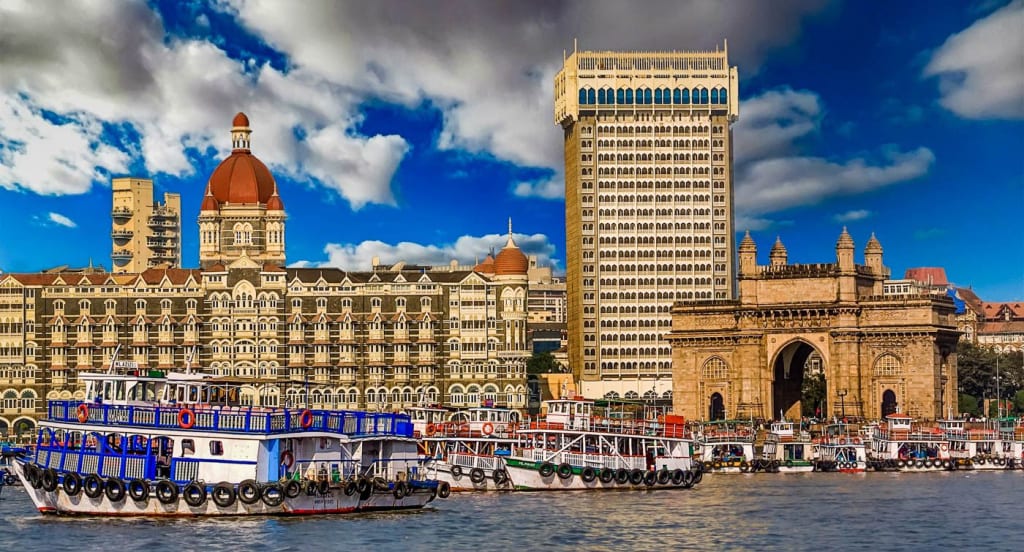
This large, sprawling city known as Mumbai was formerly called Bombay. The city lies on the Konkan coast on the west coast of India. It has a deep natural harbor. Mumbai consists of seven islands. The city is famous for being home to the Hindi-language Bollywood film industry.
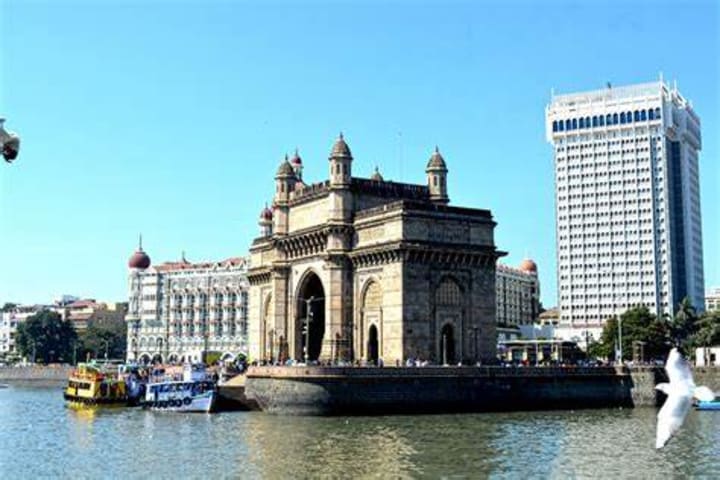
The Gateway of India is an impressive arch that faces toward Mumbai Harbor. It was built incorporating the Islamic styles of 16th century Gujarat. This arch was built to commemorate the royal visit of King George V in 1911 however it was not completely finished until 1924. The gateway has become a popular gathering spot for locals and for people-watching. This is the spot where you can see it all from giant balloon sellers to photographers to vendors and so much more. In March you can participate in the Elephanta Festival with classical dancers and musicians. Every day boats depart from the gateway wharf for Elephanta Island.
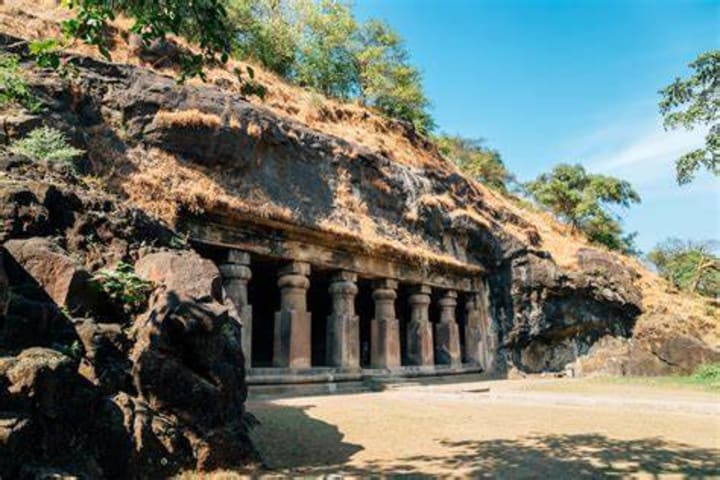
Take a trip to Elephanta Island which is listed as a UNESCO World Heritage site. It was created between 450 and 750 A.D. and the labyrinth of cave temples represent some of India’s most amazing temple carvings. The main temple is dedicated to Shiva, the destroyer, creator, and preserver of the universe. The Portuguese named the island Elephanta because of a large stone elephant near the shore. It collapsed in 1814 and the British moved it to Mumbai’s Jijamata Udyan garden. You’ll find a small museum on site that offers informative pictorial panels of the origin of the caves.
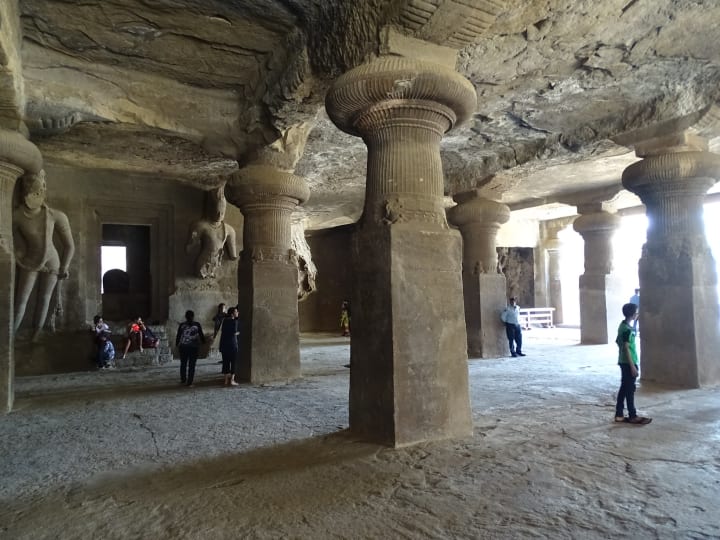
When exploring it is advisable to purchase Pramod Chandra’s A Guide to the Elephanta Caves. Once you have arrived you can walk or take a miniature train to the caves. Along the way are souvenir stalls and curious monkeys to guide you.
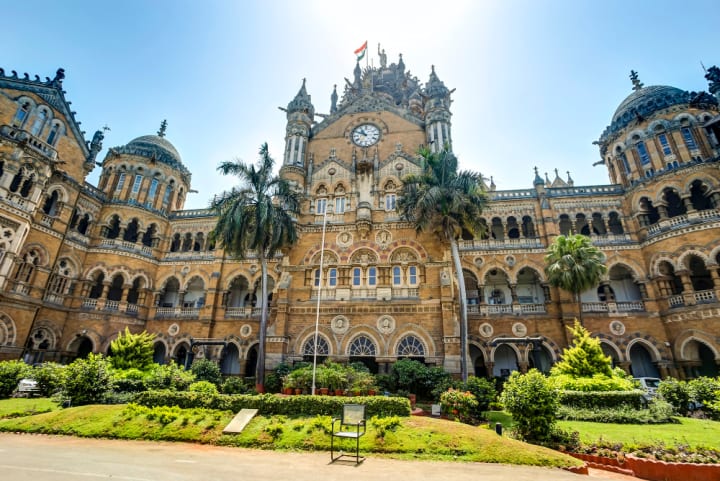
Chhatrapati Shivaji Terminus is Mumbai’s most impressive Gothic building and monumental train station. It was built in a mixture of Victorian, Hindu, and Islamic styles with buttresses, domes, turrets, spires, and stained glass. If you look carefully you can see incredible dog-faced gargoyles on the central tower and peacock-filled windows above the central courtyard. This amazing train station was designed by Frederick Stevens and completed in 1887. It was officially renamed in 1998 but locally it’s known as VT or Victoria Terminus. It has been added to the list of UNESCO World Heritage sites.
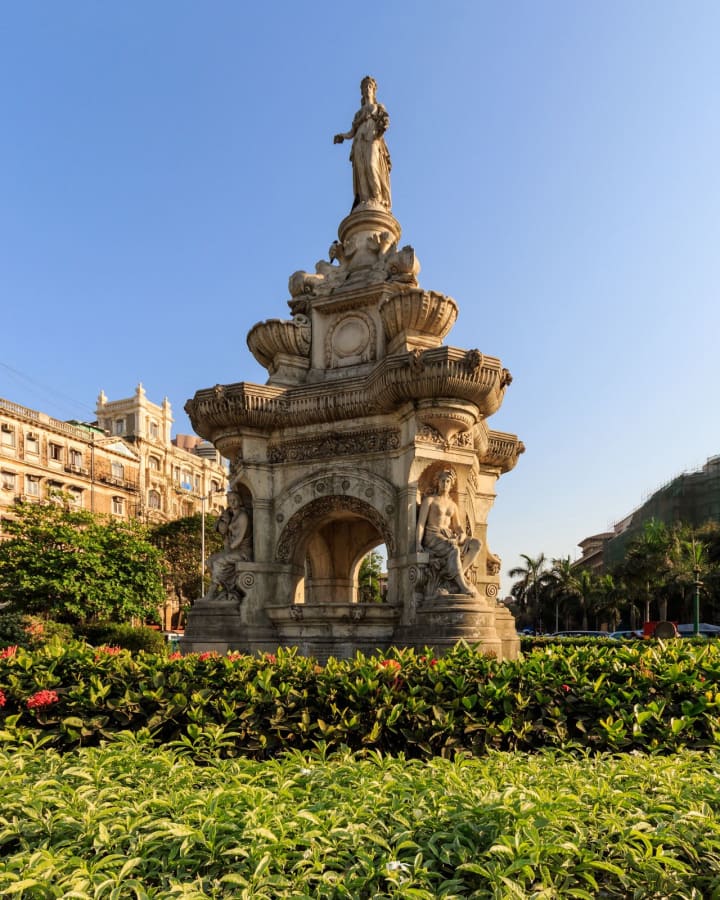
Flora Fountain is also known as “Hutatma Chowk” and has been one of India’s heritage sites since 1960. It was built in 1864. This fountain was named “Flora” derived from the name of the Roman goddess of flowers. The square wall within which the monument was erected is called Hutatma Chowk. It is surrounded by such institutions as the famous Bombay University, the Bombay Stock Exchange, and the Gateway of India. The fountain stands illuminated at night.
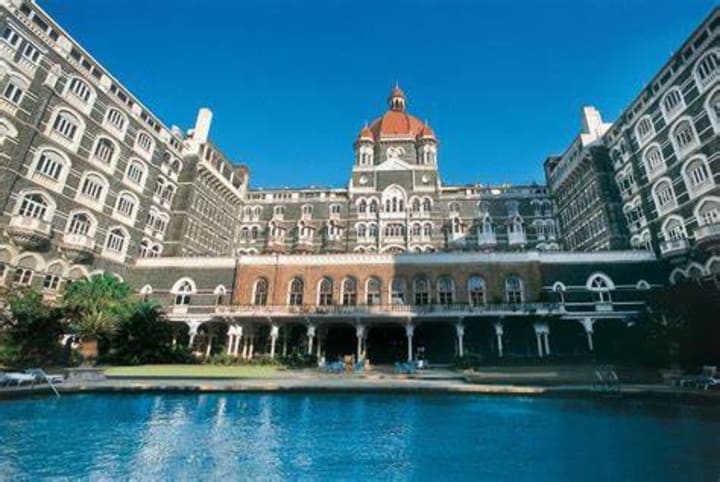
Taj Mahal Palace is an amazing hotel and Mumbai’s most famous landmark. It was built in a mix of Islamic and Renaissance styles and is India’s second-most photographed monument. It was built in 1903 by Parsi industrialist JN Tata. This is the hotel where many lost their lives during terrorist attacks in 2008 and the fully restored hotel re-opened its doors on Independence Day 2010. It is well-known for being the first hotel to employ women, the first to have electricity, and once housed freedom fighters (free of charge) during the struggle for independence. Today the hotel stands proudly facing the harbor and Gateway.
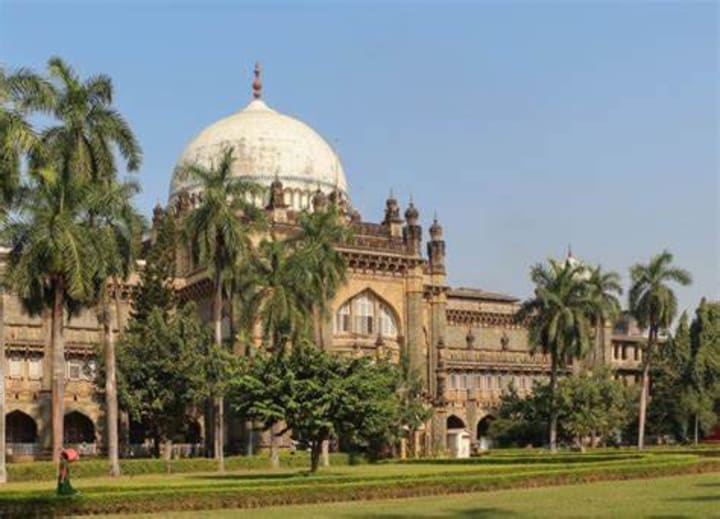
Chhatrapati Shivaji (Maharaj) Vastu Sangrahalaya is Mumbai’s biggest and best museum, displaying a mix of exhibits from across India. The domed museum was built in Islamic, Hindu, and British architectural styles. Visitors can see impressive Hindu and Buddhist sculptures, terracotta figurines from the Indus Valley, Indian miniature paintings, porcelain, and interesting weaponry. There is great information provided in English and audio guides are available in seven languages. Two of the upstairs galleries are comfortably air-conditioned and at the entrance, you’ll find a fine cafeteria and museum shop.
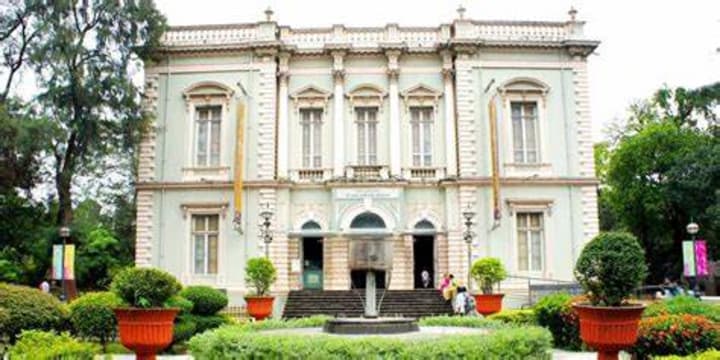
Dr. Bhau Daji Lad Mumbai City Museum is a gorgeous museum built in 1872 in Renaissance-revival style. It was once known as the Victoria & Albert Museum. The museum contains over 3,500 objects centering on the history of Mumbai like photos, maps, textiles, books, manuscripts, Bidriware, lacquerware, weaponry, and exquisite pottery. Contemporary music, dance, and drama are featured in the new Plaza area, and for your comfort, there is a cafe. You’ll also find a museum shop on the premises. The museum building has found a home in the lush gardens of Jijamata Udyan. On the grounds to the east of the museum is the giant statue of an elephant which was once located on Elephanta Island.
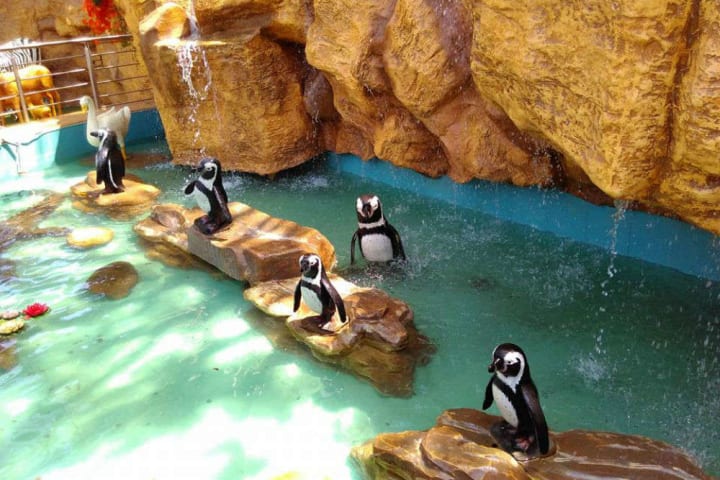
Jijamata Udyaan was once known as Ranichi Bagh or Queen’s Gardens. It is a combination zoo and garden located right in the heart of Mumbai. It was laid out in 1861 and is one of the oldest zoos in India. Visitors can see exotic species like jaguars, zebras, Humboldt penguins, tigers, Asian lions, wild dogs, and more. Additions to the zoo include separate animal holding areas, an animal exercise yard, a viewing area, an underwater viewing area, and many other useful and necessary improvements.
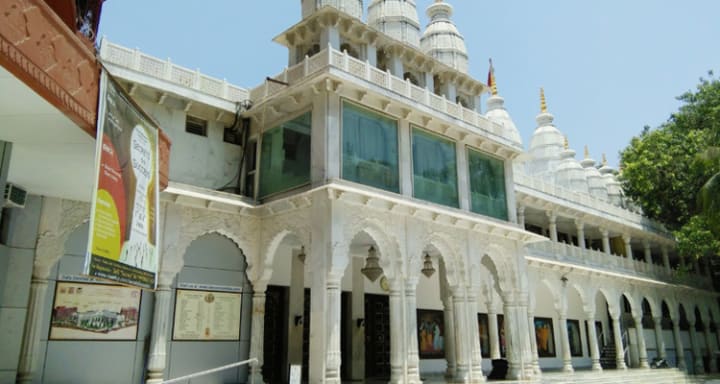
Iskcon Temple is a fascinating place to visit. Located out in the suburbs it has a key part in the Hare Krishna story since founder AC Bhaktivedanta Swami Prabhupada spent long periods of time here and you can still see his living quarters. The temple grounds come to life during prayer times when devotees pray accompanied by kirtan dancing, hand cymbals, and drumbeats. Murals in the compound detail the Hare Krishna narrative. There is a fine Iskcon Hotel and canteen.
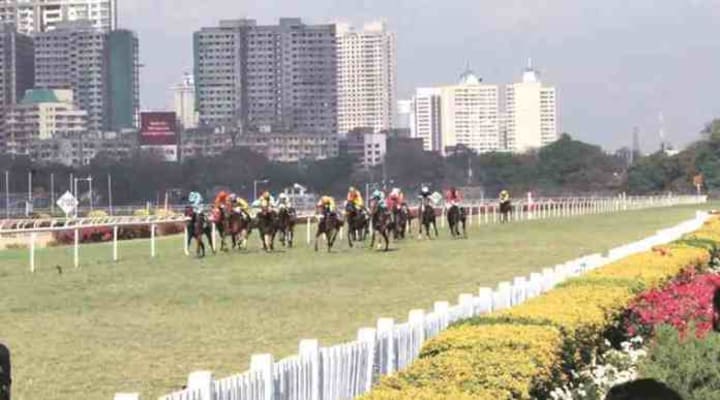
For those who love horses and the excitement of horse racing, there is the Mahalakshmi Racecourse owned by The Royal Western Turf Club. This is an elite sports club and this is a renowned horse racing track in the country and is looked upon to be one of the greatest circuits in Asia. The Grandstand is also on the list of heritage structures. The racecourse was built upon marshy flatlands around 100 years ago. The renowned Indian Derby is held every year on the first Sunday in February for the members of Mumbai’s high society. During the racing season from November to April business tycoons, actors, celebrities and other elite come to watch the races. Over 100 horses are trained before the racing season begins.
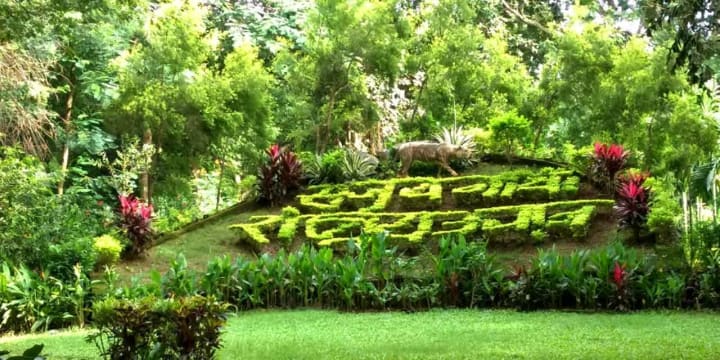
Visitors find it amazing that just 90 minutes from the busy metropolis you can find the quiet and lush nature of Sanjay Gandhi National Park. Here you’ll find 104-sq.-km. of protected tropical forests. You can enjoy bright flora birds, butterflies, and even wild leopards. There is a trekking ban in order to protect the wildlife living here but you can go walking in the woods along with the Bombay Natural History Society.
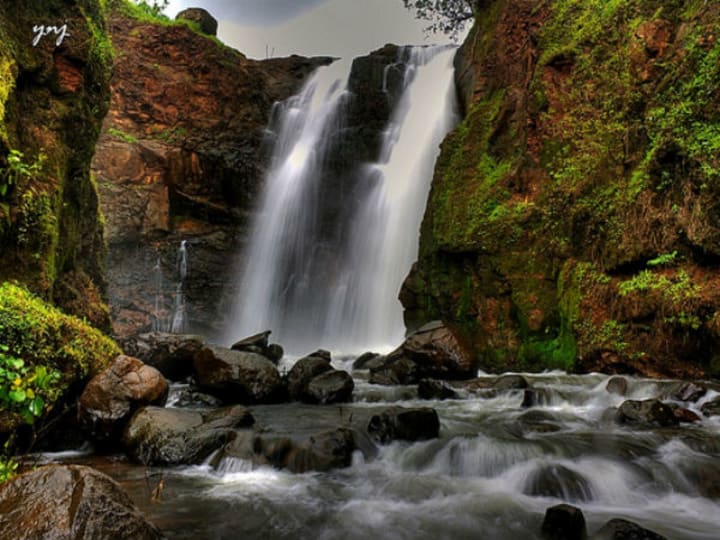
On your own, you can rent bikes, take a shuttle to the Shilonda Waterfall, Vihar, and Tulsi Lakes, where boating is available, and to the impressive Kanheri Caves. The caves are 109 dwellings and monastic structures for Buddhist monks 6km inside the park. They are not all accessible and were developed over 1000 years dating back to the 1st century B.C. There is an information center with a small exhibition inside the park’s main northern entrance. The best time to view birds is from October to April and butterflies from August to November.
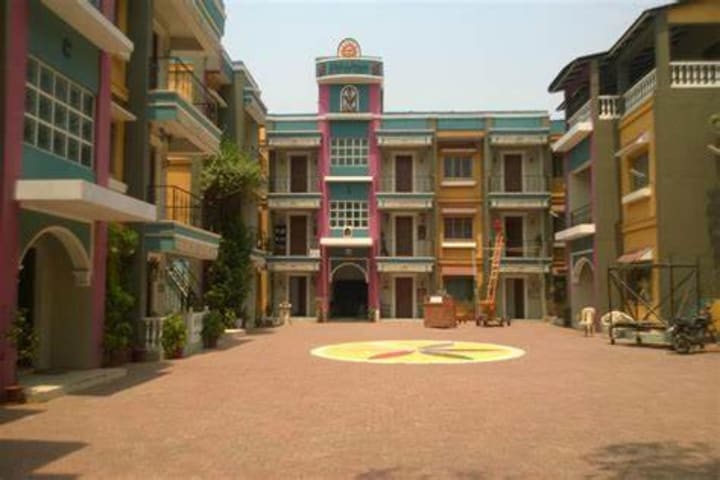
If you are a Bollywood fan or are interested in what goes on during filming head for Mumbai Film City. It is located near the national park. You can see real-life-like gardens, mountains, lakes, homes, cities. and villages. It is a favorite venue for Bollywood film shootings. It was constructed by the Maharashtra state government to promote the growth of the film industry. Almost 1000 sets can be put simultaneously in this city. It is spread across 520 acres and is open to the public but prior permission should be taken to visit Film City. One of the main attractions for visitors is to see a film shooting with its all- star cast. More than 900 films along with TV shows are filmed here.
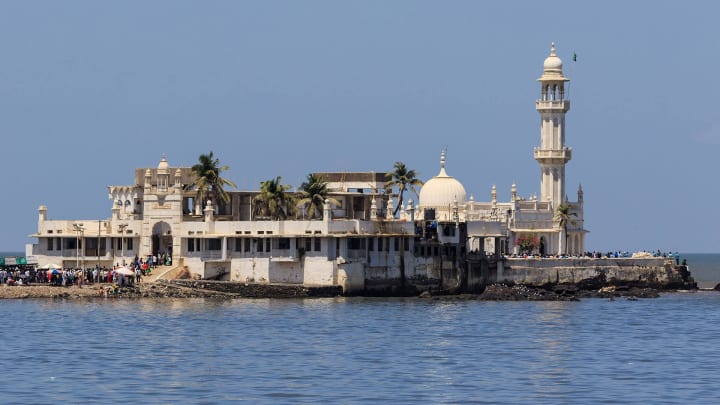
Haji Ali Dargah is a lovely Indo-Islamic shrine that looks as if it’s floating like a sacred mirage. This was built in the 19th century and contains the tomb of the Muslim Saint Pir Haji Ali Shan Bukhari. There is a legend that says the saint died while on a pilgrimage to Mecca and his casket miraculously floated back to this spot. Keep in mind that it’s only possible to visit the shrine at low tide via a long causeway. Thousands of pilgrims cross it daily especially on Thursdays and Fridays donating to beggars along the way. It is visited by people of all faiths.
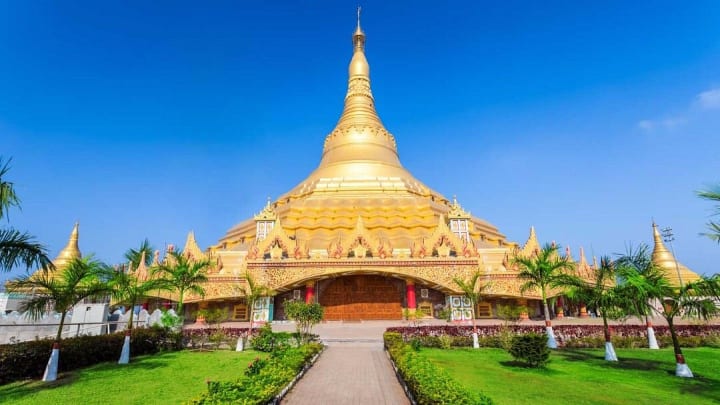
Global Pagoda rises up from Gorai Creek offering a breathtaking sight of this golden 96m-high stupa modeled after Myanmar’s Shwedagon Pagoda. Its dome houses relics of Buddha and was built entirely without support using an ancient technique of interlocking stones. The meditation hall beneath it seats 8000. There is a museum dedicated to the life of Buddha and his teaching.
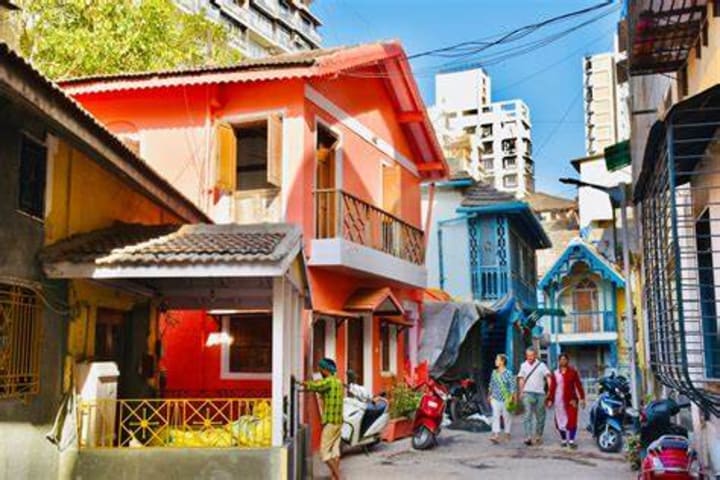
Take the time to visit Khotachiwadi. This neighborhood will let you see how Mumbai life was before high-rises took over. This is a Christian enclave with lovely two-story mansions. There are wonderful quiet winding lanes to explore and it is particularly beautiful when decorated at Christmas time.
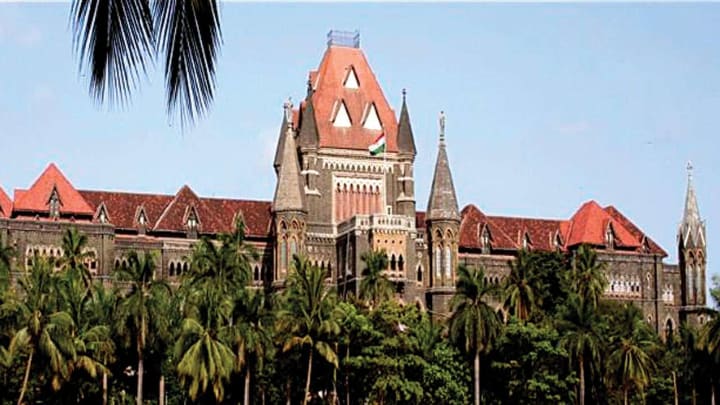
High Court is an elegant neo-Gothic building dating from 1848. The design was inspired by a German castle. Visitors can explore the building and attend cases where you can see court officials in starched white tunics with red cummerbunds and scarlet berets. Unfortunately inside no cameras are allowed.
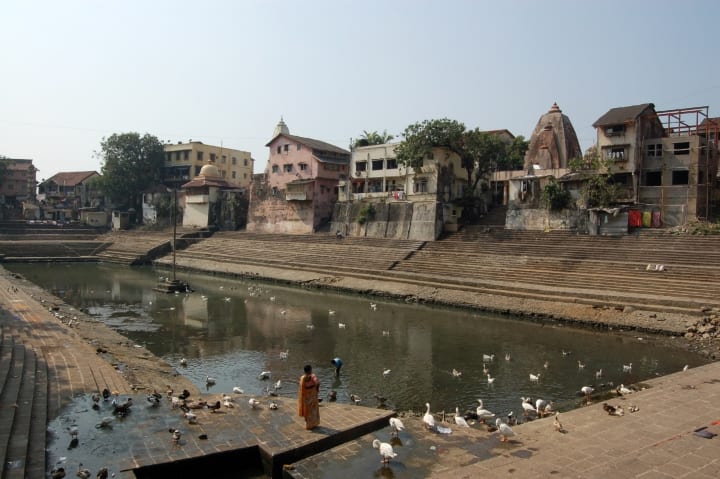
Malabar Hill is Mumbai’s most exclusive neighborhood located at the northern end of Black Bay. Here you’ll find an enclave of serene temples, bathing pilgrims, traffic-free streets, and picturesque pilgrims’ rest houses. From here you can see Chowpatty and Marine Drive.
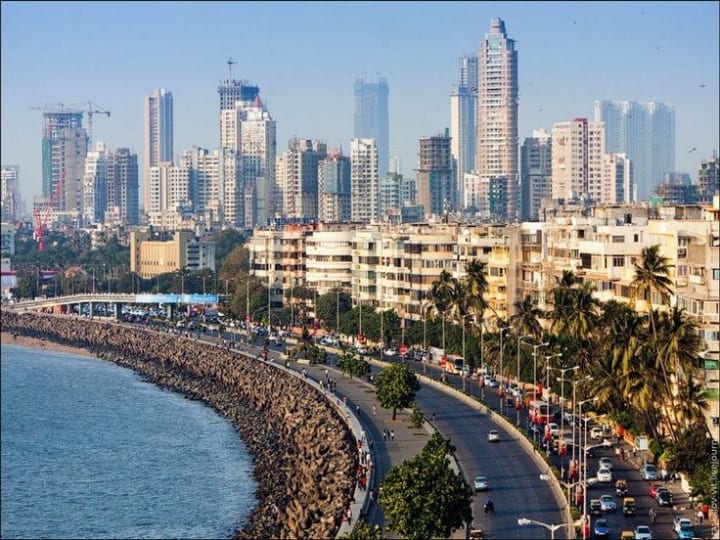
Marine Drive was built on reclaimed land in 1920 and arcs along the shore of the Arabian Sea from Nariman Point past Girgaum Chowpatty and onto the foot of Malabar Hill. It is lined by art-deco apartment buildings and is one of Mumbai’s most popular promenades and a wonderful place to watch the sunset. At night when all the lights are twinkling it has earned the nickname “The Queen’s Necklace”.
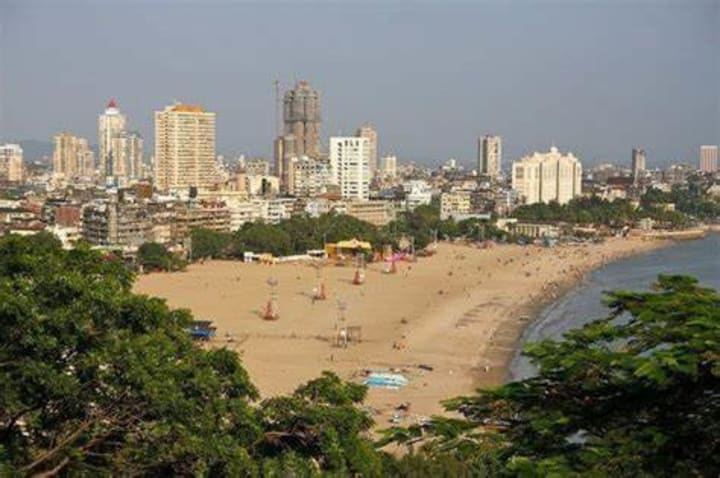
Girgaum Chowpatty is a popular city beach. It is quite active in the evenings when the stalls open up at the beach’s southern end. It is not advisable to take a swim here. However on the 10th day of the Ganesh Chaturthi Festival in September. millions flock here to submerge huge Ganesh statues.
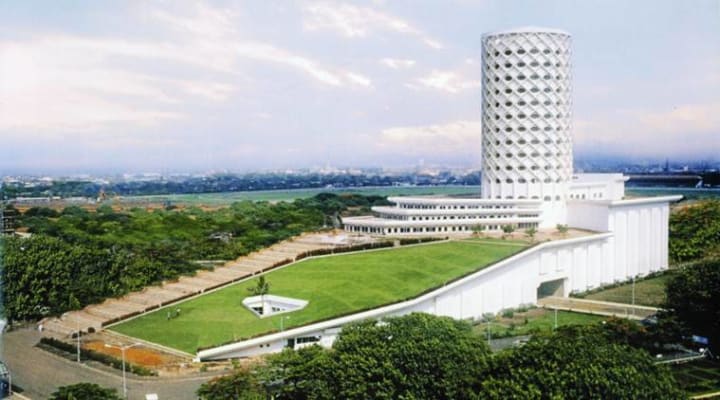
The Nehru Center is a cultural complex that includes a planetarium, theater, gallery, and an interesting history exhibit, Discovery of India. The tower is striking architecturally. It looks similar to a giant cylindrical pineapple and the planetarium resembles a UFO.
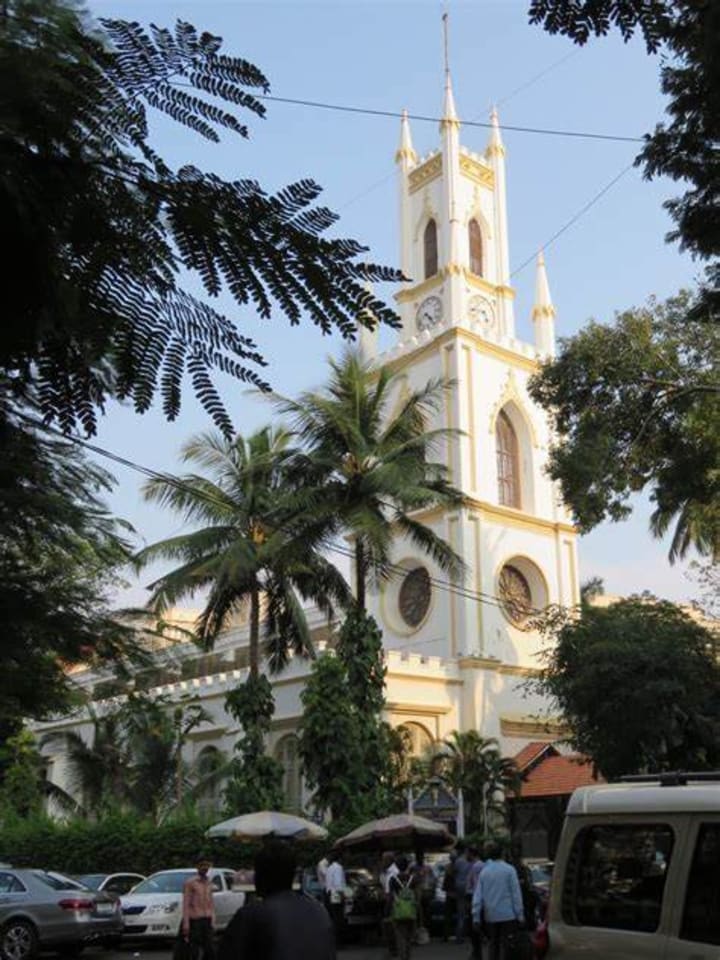
St. Thomas Cathedral is a lovely cathedral that was begun in 1672 and finished in 1718. It is the oldest British-era building in Mumbai and was once the eastern gateway of the East India Company’s for “Churchgate”. It was built in Byzantine and Colonial style. Its interior is full of impressive colonial memorials.
About the Creator
Rasma Raisters
My passions are writing and creating poetry. I write for several sites online and have four themed blogs on Wordpress. Please follow me on Twitter.
Keep reading
More stories from Rasma Raisters and writers in Wander and other communities.
San Salvador on the Ace Chaute River
El Salvador is a small country in Central America. You can find Pacific Ocean beaches, enjoy surfing, marvel at rainforests with waterfalls, and fascinating cities and towns. San Salvador is not only the largest city but also the capital of this country. The city is located on the Ace Chaute River in the Valley of the Hammocks. It is the country’s political, cultural, educational, and financial center.
By Rasma Raisters3 years ago in Wander
Worth the Wait: Puerto Viejo, Costa Rica
Beach bumming in a small Caribbean beach town sounded like a perfect way to end our 6-month trip through Mexico and Central America. Or so we thought. The foul, fishy stench of rotten seaweed hit our nostrils as we stepped from the cramped bus and looked out at a rather depressing, empty, and underwhelming black sand beach. It was pouring with rain, and we had to quickly fish out our ponchos. We thought, this couldn’t be it, could it?
By Sh*t Happens - Lost Girl Travel8 days ago in Wander
Langtang Valley Trek: The Complete Guide to Nepal's Hidden Himalayan Gem
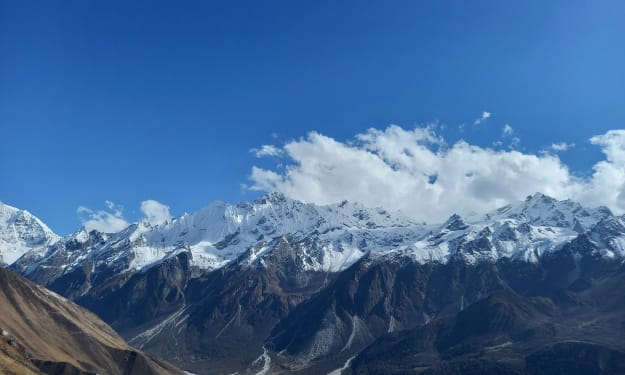
If you are searching for a trek that combines breathtaking mountain scenery, rich Tamang culture, and an off-the-beaten-path adventure the Langtang Valley Trek is your answer. Nestled just 50 kilometers north of Kathmandu, Langtang is one of Nepal's most accessible and rewarding trekking destinations. Often overshadowed by the fame of Everest Base Camp and the Annapurna Circuit, this Himalayan trek offers an equally spectacular experience without the crowds. Whether you are a first-time trekker or a seasoned adventurer, the Langtang Valley Trek promises soaring peaks, dense rhododendron forests, ancient monasteries, and warm hospitality that will stay with you long after you return home.
By RP Adventures2 days ago in Wander



Comments
There are no comments for this story
Be the first to respond and start the conversation.