
MARBLE HILL HOUSE
A Palladian Villa In Twickenham


Remember I said I planned to visit Marble Hill House in my last blog? Well, I managed to go back to Twickenham and visit. This time, I went via Richmond and saved myself some money, which I then spent in the Marble Hill House cafe after my visit. Who said Cinderella isn't economical? 😅. Plus, Marble Hill House is free to visit. I think that's a fair win/win.
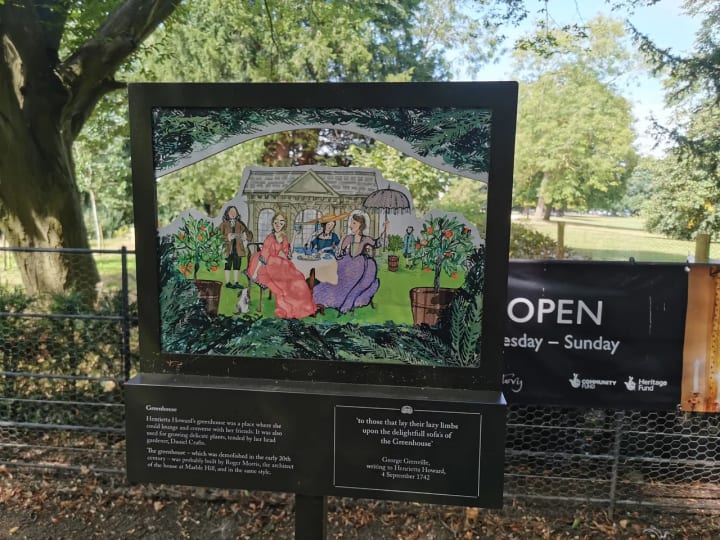
After my visit, I read about Marble Hill and was impressed by Lady Henrietta. She was known as Henrietta Howard, Countess of Suffolk. She is considered a remarkable figure in 18th-century English society, known for her intelligence, charm, and resilience in adversity.

Born Henrietta Hobart in 1689, she came from a noble but impoverished family. In 1706, she married Charles Howard, the youngest son of the Earl of Suffolk. The marriage proved to be unhappy, as Charles was known to be abusive, a womaniser and a spendthrift.

In 1714, Henrietta and her husband travelled to Hanover to ingratiate themselves with the future George I of Great Britain. Their efforts paid off, and they secured positions at court upon George's ascension to the throne. Henrietta became a Woman of the Bedchamber to Caroline, Princess of Wales (later Queen Caroline).

The Prince Of Wales
During her time at court, Henrietta caught the eye of the future George II, then Prince of Wales. She became his mistress, a position common in aristocratic circles that required excellent political acumen to navigate successfully. Henrietta managed this delicate situation with discretion and wisdom, earning the respect of both the Prince and Princess of Wales.
Henrietta Built Her Tribe
Henrietta was known for her intellect and wit despite her position as royal mistress. She cultivated friendships with some of the greatest minds of her time, including Alexander Pope, John Gay, and Jonathan Swift. Her home, Marble Hill House, became a hub of literary and artistic activity.
In 1731, Henrietta became the Countess of Suffolk upon her husband's succession to the earldom. However, by this time, her relationship with George II had cooled. She retired from court in 1734, much to the dismay of her many friends and admirers.
Life As A Widow
After the death of her first husband in 1733, Henrietta married George Berkeley, a politician and son of the Earl of Berkeley, in 1735. This marriage was reportedly much happier than her first.
Throughout her life, Henrietta was known for her kindness and generosity. She used her influence to help others, particularly women in difficult circumstances. She was also a patron of the arts and continued to host literary gatherings at Marble Hill House until she died in 1767.
Henrietta Howard's life story is one of perseverance and grace under pressure. Despite her challenges, she managed to carve out a place for herself in history, not just as a royal mistress but as a woman of substance and influence in her own right.
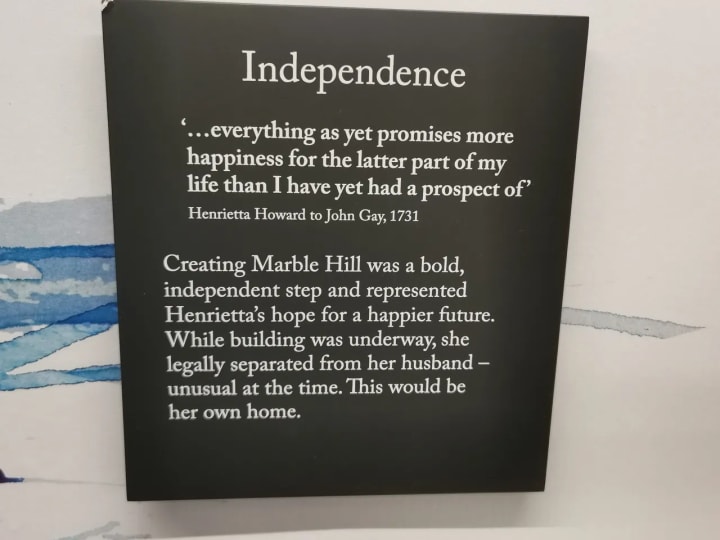
Henrietta was smart enough to build her financial independence in the 17th Century. Marble Hill House is testimony to her financial prowess.

History of Marble Hill House
The house is a striking Palladian villa on the River Thames' banks. It was built between 1724 and 1729 and stands as one of the finest examples of early Georgian architecture in the U.K.
The house was commissioned by Henrietta Howard, who envisioned Marble Hill as her retreat from court life. She collaborated with several notable figures to create her ideal residence. The architect Roger Morris and the landscape designer Charles Bridgeman were instrumental in bringing her vision to life.
The villa's design is characterised by its perfect symmetry and elegant proportions, hallmarks of the Palladian style that was fashionable among the English aristocracy of the 18th Century—the exterior features Portland stone, lending the house a dignified and stately appearance. The rooms are adorned with exquisite plasterwork, period furnishings, and an impressive collection of early Georgian paintings.

The Outside Grounds
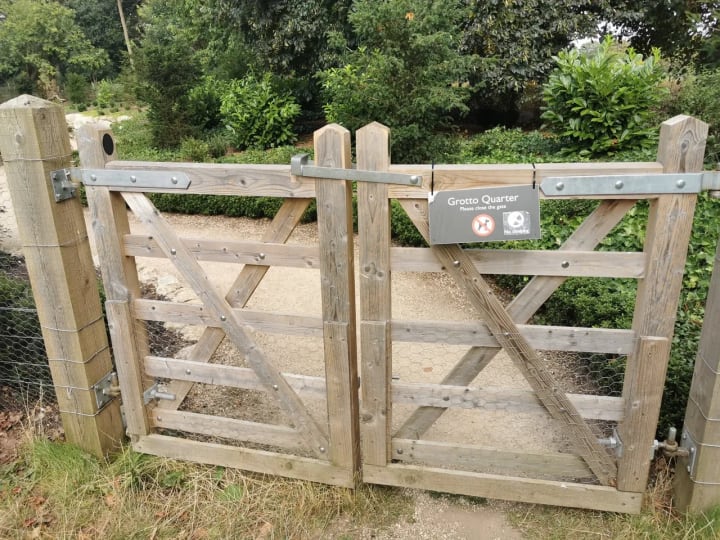
Surrounding the house are 66 acres of parkland, which have been meticulously restored to reflect the original 18th-century landscape design. The grounds include a grotto, an ice house, and formal gardens that offer visitors a glimpse into the leisure pursuits of Georgian high society.

Marble Hill House is a beautiful Palladian villa located in Twickenham, London. It is a significant example of Georgian architecture, built in the 1720s for Henrietta Howard, Countess of Suffolk. The house is set on 66 acres of parkland and was designed by the architect Roger Morris, with some involvement from Lord Burlington.

The Rooms
The Great Room (Saloon). The Great Room is the most significant and grandest in Marble Hill House for entertaining guests and hosting social events.

It is richly decorated with elaborate plasterwork on the ceiling, a large fireplace, and full-length windows that offer stunning views of the River Thames. The room's walls are adorned with paintings featuring an intricate ceiling painted by Giovanni Battista Cipriani. The room embodies the Palladian style, with symmetry and classical proportions.

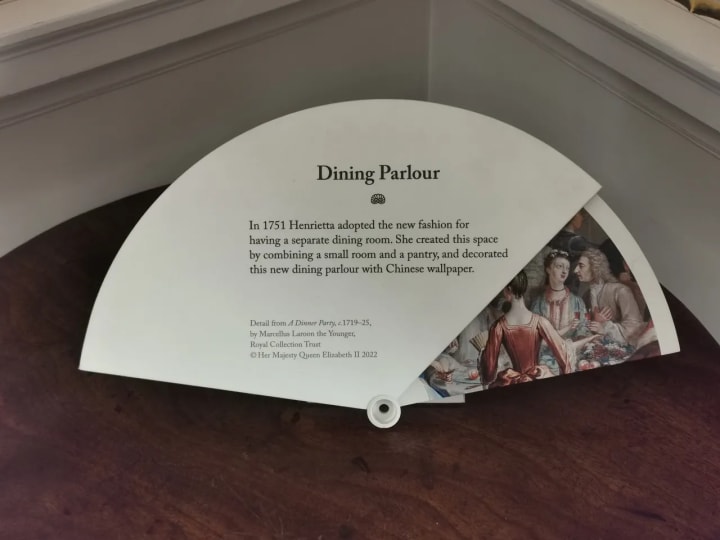
The Dining Room. Used for more formal meals and gatherings. This room has elegant wood panelling, a large dining table, and a fireplace. The walls often display family portraits or other significant artworks. Like other rooms in the house, the dining room reflects the taste and status of its original owner, Henrietta Howard.

The Withdrawing Room. The ladies used this room to withdraw to after dinner, a common practice in the 18th Century. The Withdrawing Room is more intimate than the Great Room, with comfortable seating and decor that encourages conversation and relaxation. The furnishings are typical of the period, with ornate chairs, small tables, and decorative items such as vases and mirrors.
The Bedchamber. Henrietta Howard's personal space was where she would sleep and spend private time. Visitors aren't allowed to take photos because some paintings in the room are on loan from private collections.

The chamber is decorated with luxurious textiles, including a canopy bed, draperies, and carpets. The room also includes personal items such as a dressing table, mirrors, and a wardrobe. The decor is opulent, reflecting the wealth and status of its occupants.
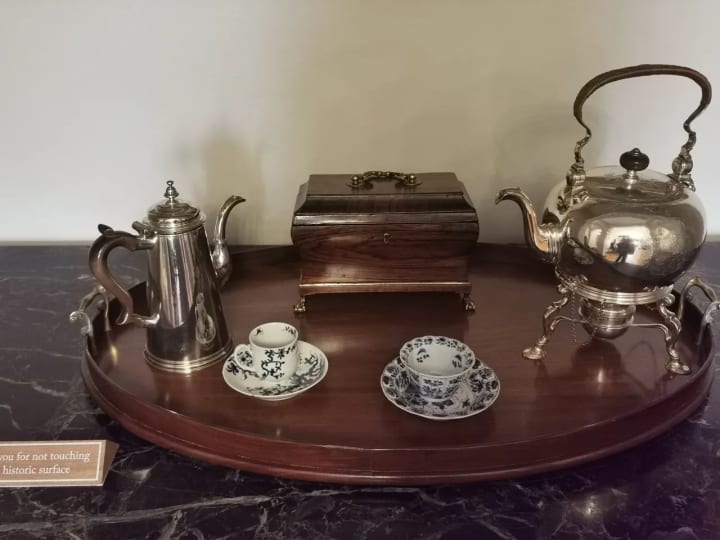
The Breakfast Parlour. A room for informal meals, particularly breakfast. This room is smaller and more intimate than the dining room, designed for use by the family rather than guests. It has a cosy feel, with a smaller dining table and simpler decor. The room often enjoys morning sunlight, making it a pleasant space for starting the day.
The Library. A space for reading, writing, and intellectual pursuits. The Library at Marble Hill House would have contained books, comfortable chairs, and writing desks. The room would be relatively quiet and serene, offering a retreat for study or contemplation.
The Library is also where Henrietta wrote letters to her influential circle. I asked the volunteer how she managed to get the letters posted abroad. She couldn't answer the question. I did some research and found that after writing and sealing her letter, Henrietta would give it to a servant or courier to be delivered, or she might have it sent to a nearby post office. The General Post Office would handle the distribution for longer distances, with letters carried by postal carriers on horseback or by coach.
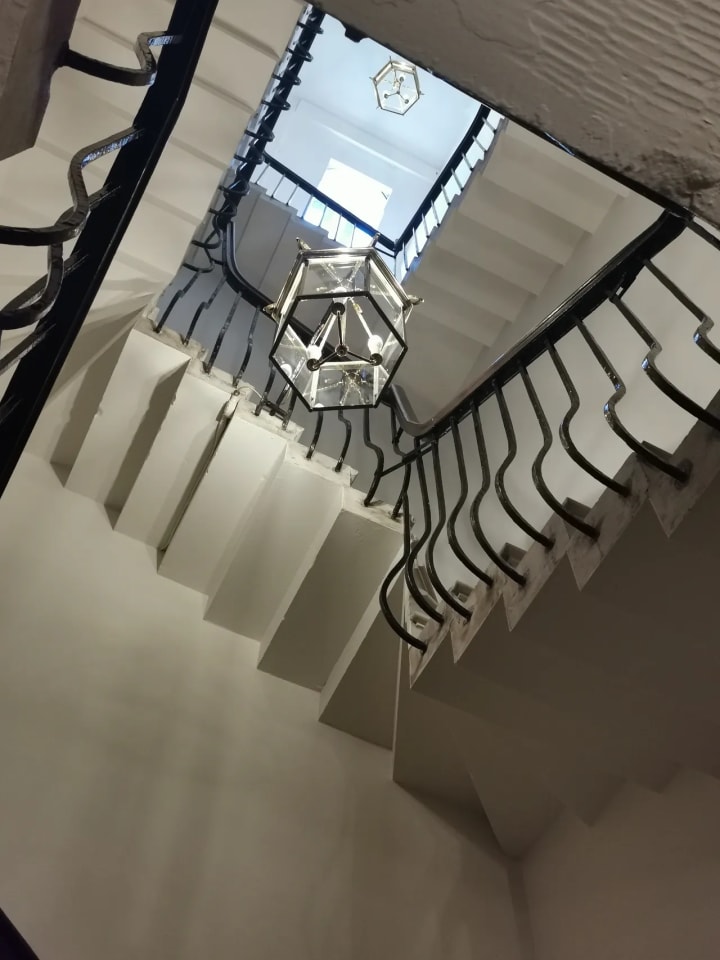
The Staircase Hall. This hall serves as the main circulation space within the house, connecting the different rooms. The staircase is a prominent feature, often designed with elegance in mind. Marble Hill's stairs are grand, with finely crafted bannisters and steps leading guests from the ground floor to the upper floors in style.
Slavery Connections
Like many grand estates of its era, Marble Hill House has connections to the transatlantic slave trade, though these links were not widely discussed until relatively recently.
The primary link comes through Henrietta Howard's first husband, Charles Howard. The Howard family invested in the South Sea Company, which was heavily involved in the slave trade. The South Sea Company held the Asiento contract, which gave it a monopoly on supplying enslaved Africans to Spanish colonies in the Americas.
While Henrietta did not directly participate in the slave trade, she undoubtedly benefited from the wealth generated by these investments. The money that helped fund the construction and maintenance of Marble Hill House was, at least in part, derived from profits linked to slavery.
It's also worth noting that many luxury goods and materials used in grand houses like Marble Hill during this period - such as mahogany furniture, sugar, and cotton textiles - were produced using enslaved labour in the colonies.
The English Heritage
Today, Marble Hill House is managed by English Heritage and is open to the public. It is a valuable resource for Georgian architecture, interior design, and social history. The house and its grounds continue to be Twickenham's beloved feature, offering residents and visitors a tranquil escape and a window into Britain's rich cultural heritage.
In recent years, English Heritage, which manages Marble Hill House, has made efforts to acknowledge and explore these connections as part of a broader initiative to present a more complete and honest history of the properties in its care. This includes providing information to visitors about the links between slavery and the wealth that funded many historic houses.
Parting Comments
Whilst I read the various posts about the connection to slavery, I couldn't help but think despite these connections existing, they do not define the entirety of Marble Hill's history or significance. Yes, it is a part of it, and I don't condone slavery in any shape or form. However, if you took away the items in the house which were associated with colonialism, you'd be taking away a big chunk of its character.
For me, the house is a lovely insight into 18th-century life. It's a beautiful house that a woman in the 17th Century tastefully and elegantly designed. Still, her steely determination, perseverance and bravery led her to create her haven in an idyllic part of London.
I'd say you'd need about an hour in the house. I then proceeded outside to the cafe, which is now in the converted stable. After a pleasant cup of tea, I returned to Richmond to get my train back home.
Thank you for your attention.
Best wishes
Tabby
About the Creator
Tabby London
The London I've been discovering is usually off the well-beaten track.I love the nooks and crannies and walking along the streets steeped in centuries worth of history. I'm fond of Zone 1 because that's where it all began centuries ago.
Keep reading
More stories from Tabby London and writers in Wander and other communities.
The Gloriana
The one thing that strikes you when you see the 8ft Gloriana rowing barge is the striking Gold used on the Gloriana. Did you know she’s covered in 23.5-carat gold leaf? It is unusual for any royal vessel to be this bling, but the Queen or other royal family members didn’t commission the Gloriana. It was gifted to her by a generous donor.
By Tabby Londonabout a year ago in Wander



Comments
There are no comments for this story
Be the first to respond and start the conversation.