
Manaus on the Negro River
A city in the South American country of Brazil

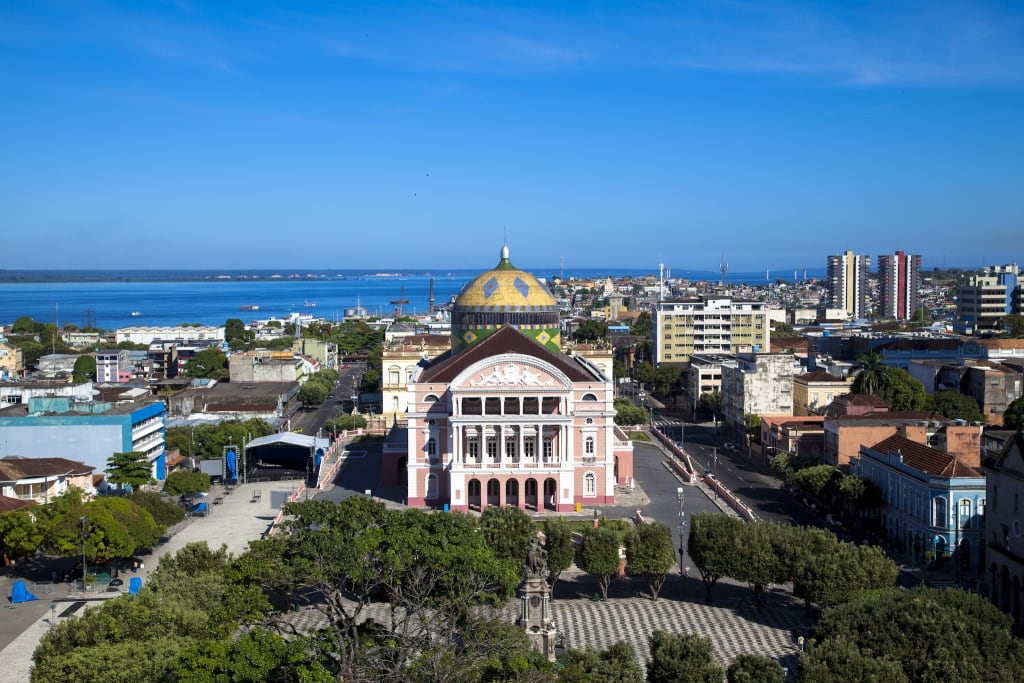
Manaus is the capital of the vast state of Amazonas in northwestern Brazil. The city sits on the banks of the Negro River. This is the major departure point for the surrounding Amazon Rainforest. East of the city the Negro River merges with the Solimoes River creating an amazing visual phenomenon known as the “Meeting of the Water”. The combined tributaries form the Amazon River.
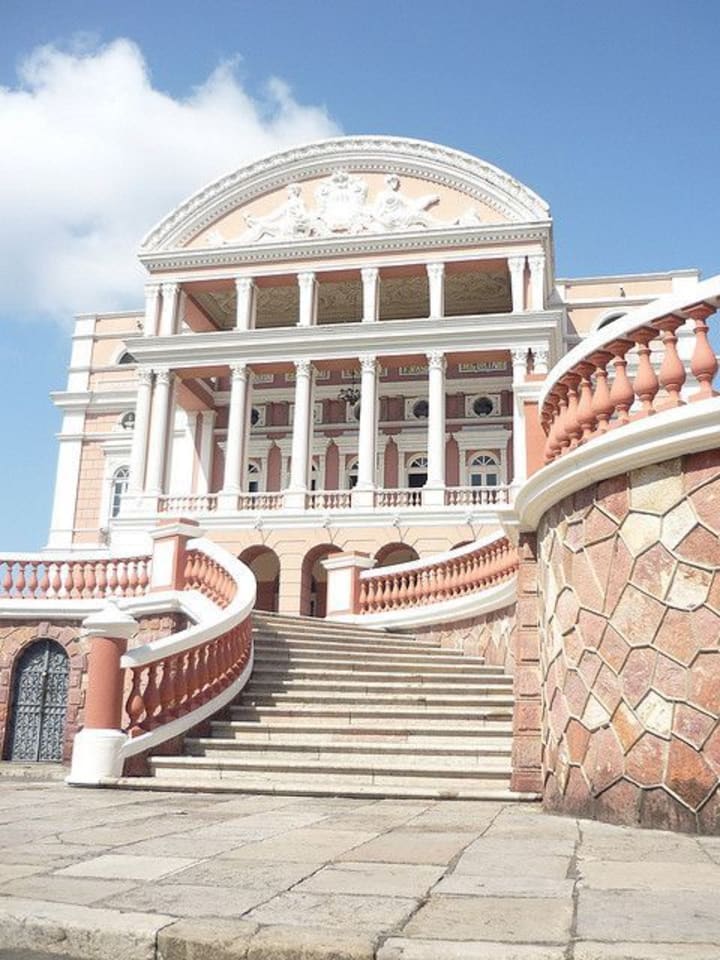
Teatro Amazonas is an Italian Renaissance-style Opera House. This is the city’s most famous building opened in 1896 and today is protected as a national monument. This is an impressive cultural palace right in the heart of the primeval forest. Most of the materials for building the theater came from Europe like the Italian marble doorways, English wrought-iron staircases, chandeliers of Murano glass from Venice, and other materials imported from France. The dome of the building was completed at the beginning of the 20th century and is faced with 36,000 tiles imported from Germany. The building was restored in the 1980s.
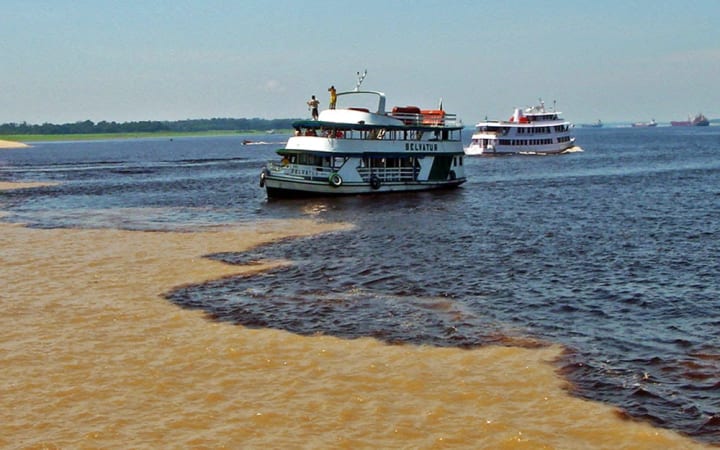
20 kilometers from the city is one of the world’s natural wonders Encontro das Aguas. This is the point where the Rio Negro joins with the waters of the Rio Solimoes to form the Amazon. From the air, you can see that the two rivers run together side-by-side for about six kilometers. Tourists enjoy taking boat trips on the rivers. The best season to take it all in is between September and November when the water levels are low.
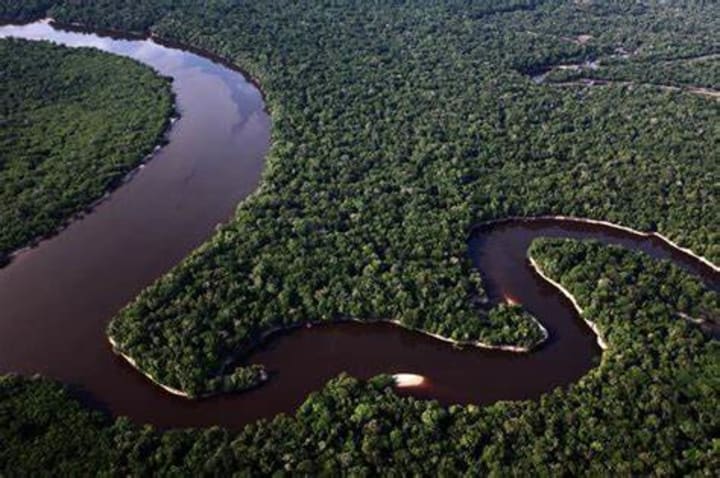
Anavilhanas Islands is an archipelago of 400 islands and islets between Manaus and Novo Airao with hundreds of lakes, watercourses, and igapos or flooded forests that all extend for some 90 kilometers.
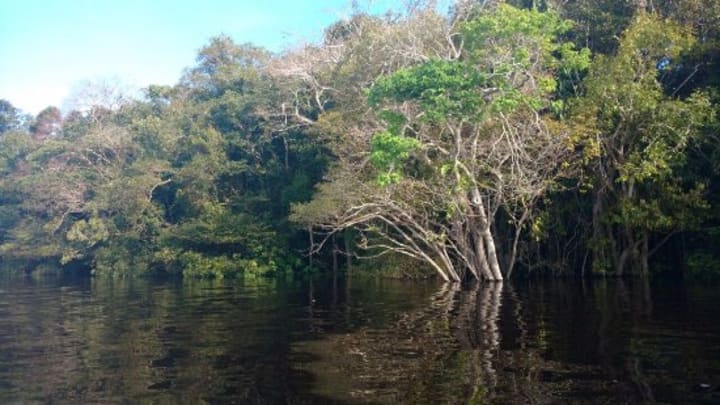
The Anavilhanas Nature Reserve extends for 350,000 hectares, offering a complete cross-section of the Amazonian ecosystem. This area gets flooded when the river rises between November and April. During the high water period, you can see squirrel monkeys, night monkeys, sloths, and different birds among them parrots, toucans, woodpeckers, and herons. There are also caimans, turtles, and other reptiles. Once the waters have receded and the islands reemerge the larger animals return.
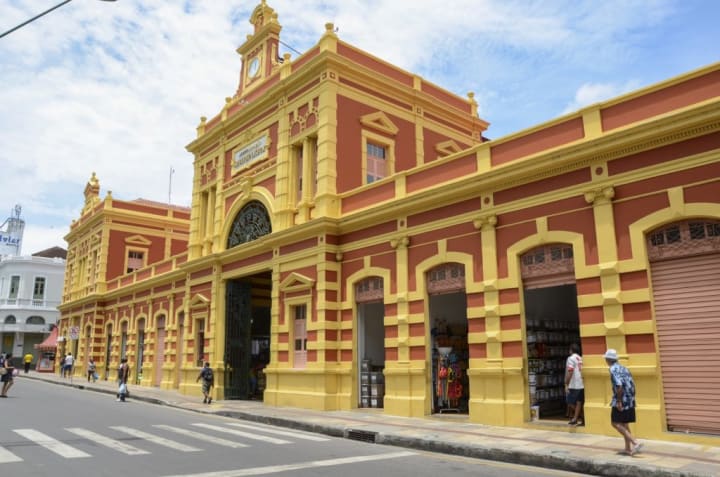
The Mercado on the bank of the Rio Negro, is protected as a national monument. It was modeled after the Old Halles in Paris, France. It features stained glass windows as well as an iron framework that was made in a workshop in Paris. This market is one of the city’s highlights and visitors can find stalls full of everything from fresh fish to clothing to local crafts.
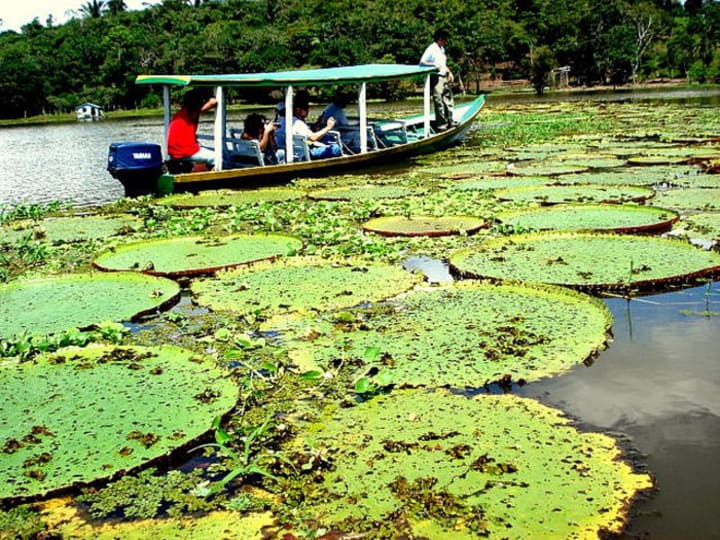
Janauarit Ecological Park stretches for 688 hectares and is found 45 minutes by boat from Manaus. It features a variety of ecosystems, solid land, varzeas or alluvial plains, and igapos or swampy woodlands. Motorboats take visitors through the narrow waterways that are surrounded by lush vegetation that ranges from grasses to giant kapok trees.
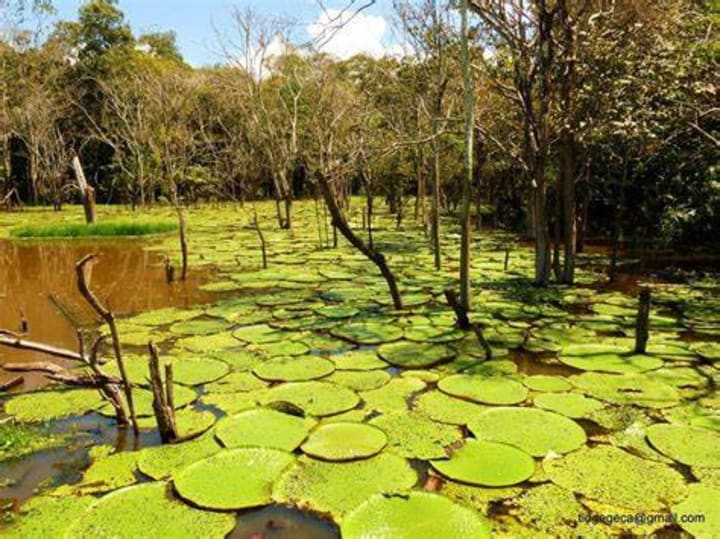
One of the principal sights in the park is a lake covered with Victoria Amazonica. This is a large water lily, found only in the Amazon region with floating leaves up to two meters in diameter. The flowers of the plant have a short life they’re originally white, then turn purple, and in three days wither to dark red. The park is full of birdlife.
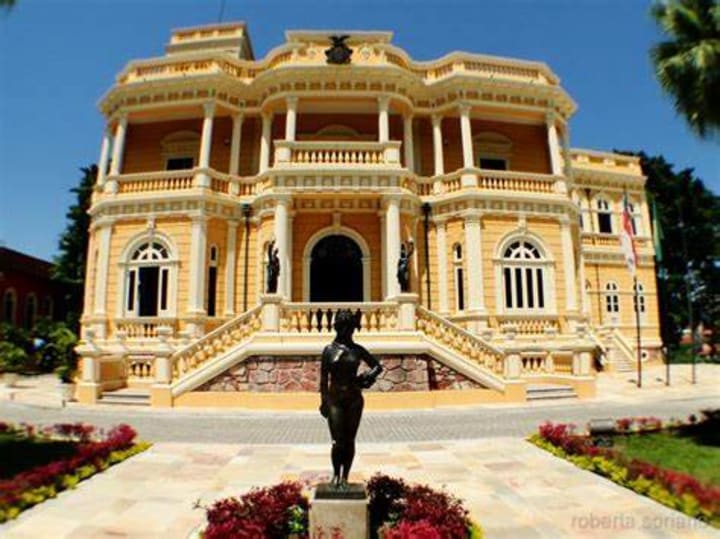
Palacio Rio Negro is a lovely and impressive palace that was built in 1903 as the residence of German rubber merchant Waldemar Scholz and later became the seat of the State Government of Amazonas. It was converted into a cultural center in 1997. Visitors can tour the main house and the adjoining art gallery of Brazilian artwork. The grounds are beautiful with shrubs, trees, and flowers that are native to the Amazon rainforest.
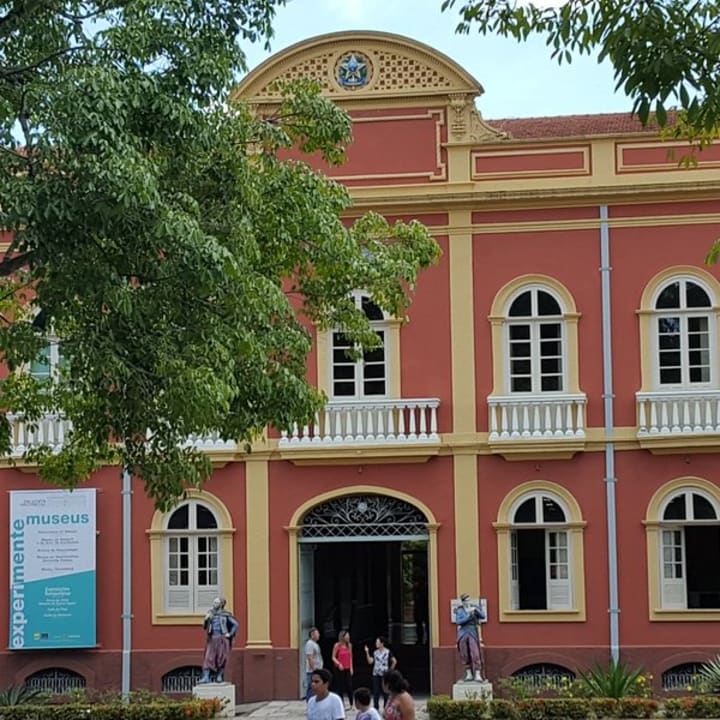
The Museu fo Homem do Norte or Museum of Northern Man is an ethnographic museum of northern Brazil. Here you can see archeological finds, indigenous art, and everyday items. You can see displays of mining, fishing, flour milling, folklore, religion, festivals, art, and handicrafts. There is a shop that sells local handicrafts made by indigenous people.
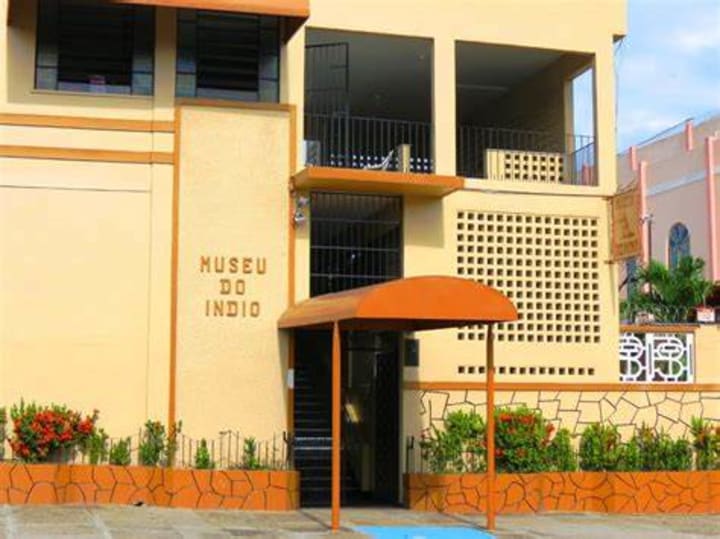
The Museu do Indio or Museum of the Indian has a collection of over 3,000 objects that illustrate the culture and way of life of the indigenous people who live or lived along the upper Rio Negro. There are displays showing local customs relating to children, agriculture, food, and hunting. This is also a great place to buy crafts.
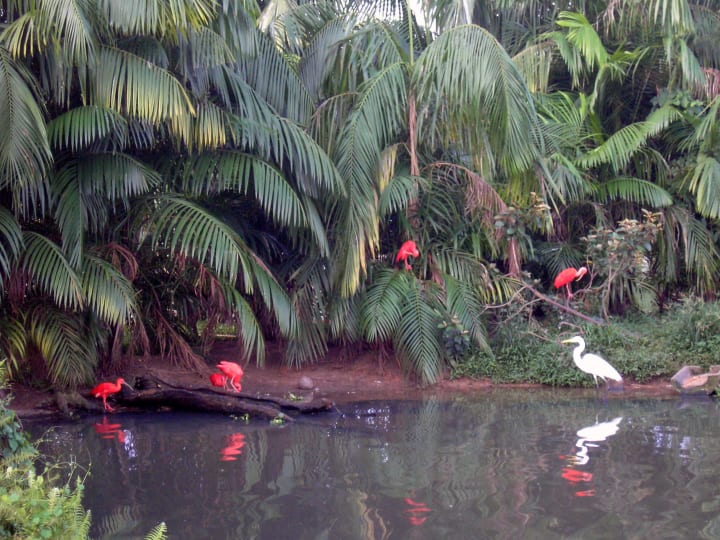
The Jau National Forest is the largest forest reserve in South America and the largest protected tropical rainforest area in the world. It covers 2,272,000 hectares stretching along the Rio Negro around Novo Airao, about 250 kilometers northwest of Manaus. The national forest has amazingly rich fauna including such rare and endangered species as the manatee and the Brazilian otter. Here you can also find jaguars and Amazon River dolphins. There is a diverse ecosystem with plains, hills, flooded forests, channels, and land forests. The best way to see it all along with the wildlife is to canoe through the waterways. Accommodations offered are jungle lodges.
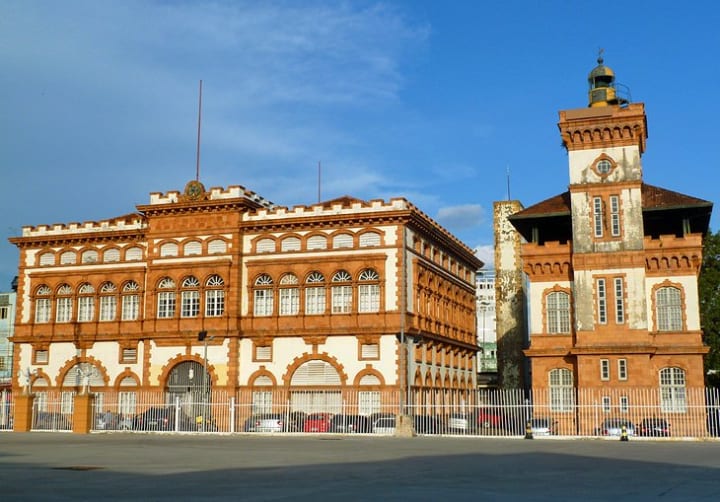
Alfandega (Customs House) and Floating Dock even though not open to the public the Customs House and lighthouse are worth taking a look at. The ornate building was imported from Britain in prefabricated form and erected in Manaus in 1902.
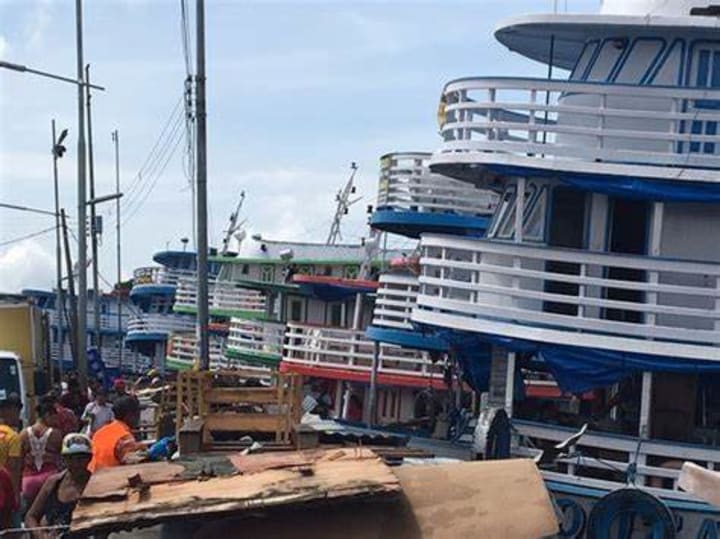
It stands on the banks of the Rio Negro, near a floating dock. The dock is one of the busiest places in the city since nearly all transport in this area is by water.
About the Creator
Rasma Raisters
My passions are writing and creating poetry. I write for several sites online and have four themed blogs on Wordpress. Please follow me on Twitter.
Keep reading
More stories from Rasma Raisters and writers in Wander and other communities.
Lahore on the Ravi River
Pakistan is officially known as the Islamic Republic of Pakistan and is a federal parliamentary republic in South Asia. Its coastline runs along the Arabian Sea and the Gulf of Oman. Lahore is the capital city of the Pakistan province of Punjab and is an intellectual, cultural, and artistic hub.
By Rasma Raisters3 years ago in Wander
Worth the Wait: Puerto Viejo, Costa Rica
Beach bumming in a small Caribbean beach town sounded like a perfect way to end our 6-month trip through Mexico and Central America. Or so we thought. The foul, fishy stench of rotten seaweed hit our nostrils as we stepped from the cramped bus and looked out at a rather depressing, empty, and underwhelming black sand beach. It was pouring with rain, and we had to quickly fish out our ponchos. We thought, this couldn’t be it, could it?
By Sh*t Happens - Lost Girl Travel7 days ago in Wander
Why Wadduwa Beach Is Sri Lanka’s Must-Visit Serene Escape in 2026
Wadduwa Beach is a hidden treasure on the southwest coast of Sri Lanka. While many travellers rush to the busy shores of Galle or Bentota, Wadduwa offers a rare sense of peace. In 2026, it has become the go-to spot for those wanting to escape the noise and find a quiet slice of paradise.
By Daphne Olga4 days ago in Wander



Comments
There are no comments for this story
Be the first to respond and start the conversation.