
Manaslu Circuit Trek Guide: Everything You Need to Know
The Manaslu Circuit Trek is one of Nepal’s most breathtaking and culturally immersive treks, offering adventurers a remote trail experience around the world’s eighth highest mountain, Mt. Manaslu (8,163 meters).


The Manaslu Circuit Trek is one of Nepal’s most breathtaking and culturally immersive treks, offering adventurers a remote trail experience around the world’s eighth highest mountain, Mt. Manaslu (8,163 meters). Nestled in the Gorkha region of western Nepal, the Manaslu Circuit is a less-traveled alternative to the Everest and Annapurna regions, providing a perfect blend of nature, culture, and challenge.
This detailed guide covers everything you need to know about the Manaslu Circuit Trek—from permits and logistics to route highlights and practical tips.
1. Why Choose the Manaslu Circuit Trek?
The Manaslu Circuit Trek is renowned for:
Off-the-beaten-path experience: Fewer crowds compared to Everest and Annapurna.
Diverse landscapes: From lush subtropical forests to arid alpine highlands.
Cultural richness: Influences from both Hindu and Tibetan Buddhist traditions.
High mountain pass: Crossing the 5,106-meter Larkya La Pass.
Teahouse trekking: No need to camp—accommodation and meals are available en route.
2. Trek Overview
Duration: 14 to 18 days
Maximum Altitude: 5,106 meters (Larkya La Pass)
Difficulty Level: Moderate to Strenuous
Best Seasons: Spring (March–May) and Autumn (September–November)
Permits Required:
Manaslu Restricted Area Permit (RAP)
Manaslu Conservation Area Permit (MCAP)
Annapurna Conservation Area Permit (ACAP)
Guides/Porters: Mandatory licensed guide due to restricted area status
3. Getting There
The trek typically begins from Soti Khola, which is about an 8- to 10-hour drive from Kathmandu. The road is rugged, and a 4WD vehicle is recommended.
Route Options:
Standard Route: Soti Khola → Lho → Samagaon → Samdo → Dharmasala → Larkya La Pass → Bimthang → Dharapani
Extended Options: Side trips to Pungyen Gompa, Manaslu Base Camp, or Tsum Valley (permit required)
4. Permits and Regulations
The Manaslu region is a restricted trekking area, which means independent trekking is not allowed.
Required Permits:
Restricted Area Permit (RAP):
Issued only through a registered trekking agency.
Price varies:
Sept–Nov: USD 100 per person for the first 7 days, USD 15 per day thereafter.
Dec–Aug: USD 75 per person for the first 7 days, USD 10 per day thereafter.
Manaslu Conservation Area Permit (MCAP): USD 30
Annapurna Conservation Area Permit (ACAP): USD 30
Guide Requirement:
A licensed guide is mandatory for the RAP.
You must trek with at least two trekkers (excluding guide/porter), although agencies often help solo trekkers join groups.
5. Itinerary (16 Days)
Day 1: Drive from Kathmandu to Soti Khola (700m)
An early start with a long, bumpy drive via Arughat to Soti Khola.
Day 2: Soti Khola to Machha Khola (870m)
Trek through sal forests, waterfalls, and Gurung villages along the Budhi Gandaki River.
Day 3: Machha Khola to Jagat (1,340m)
Pass natural hot springs and enter the restricted area at Jagat.
Day 4: Jagat to Deng (1,800m)
Trail climbs through forests and terraced fields with increasing Tibetan influence.
Day 5: Deng to Namrung (2,630m)
Steeper sections and beautiful rhododendron forests lead to Namrung, a scenic Tibetan village.
Day 6: Namrung to Lho (3,180m)
Stunning views of Manaslu and Ganesh Himal as you pass chortens and prayer wheels.
Day 7: Lho to Samagaon (3,520m)
Arrive at Samagaon, the biggest village in the region, offering striking views and a cultural ambiance.
Day 8: Acclimatization Day in Samagaon
Explore side hikes to Pungyen Gompa or Manaslu Base Camp.
Day 9: Samagaon to Samdo (3,875m)
Easy hike to Samdo, a Tibetan refugee village surrounded by mountains.
Day 10: Acclimatization Day in Samdo
Optional hike to Samdo Ri or toward the Tibetan border.
Day 11: Samdo to Dharmasala (4,460m)
Short but steep trek; rest up for the pass crossing.
Day 12: Cross Larkya La Pass (5,106m) → Bimthang (3,590m)
The longest and most challenging day; start early and savor the breathtaking scenery atop the pass.
Day 13: Bimthang to Tilije (2,300m)
Descend into lush forests and rhododendron valleys.
Day 14: Tilije to Dharapani (1,860m)
Join the Annapurna Circuit trail briefly.
Day 15: Drive to Besisahar, then to Kathmandu/Pokhara
Scenic return by vehicle.
Day 16: Contingency/Leisure Day
A spare day in case of delays or to rest in Kathmandu.
6. Food and Accommodation
Most villages along the Manaslu Circuit now offer teahouse accommodation, typically with:
Basic rooms: Twin beds, shared toilets
Food: Dal Bhat (lentils and rice), noodles, momo (dumplings), soups, chapati, eggs, and sometimes pizza or pasta in larger villages
Cost: USD 25–40/day including meals and lodging
Note: After Samdo, accommodations become more basic and limited, especially at Dharmasala.
7. Altitude Sickness and Acclimatization
As the trek exceeds 5,000 meters, altitude sickness is a real risk.
Preventative Tips:
Ascend gradually
Stay hydrated
Take acclimatization days (Samagaon, Samdo)
Consider medication (e.g., acetazolamide) under medical advice
Recognize symptoms: headache, nausea, dizziness
If symptoms persist, descend immediately.
8. What to Pack
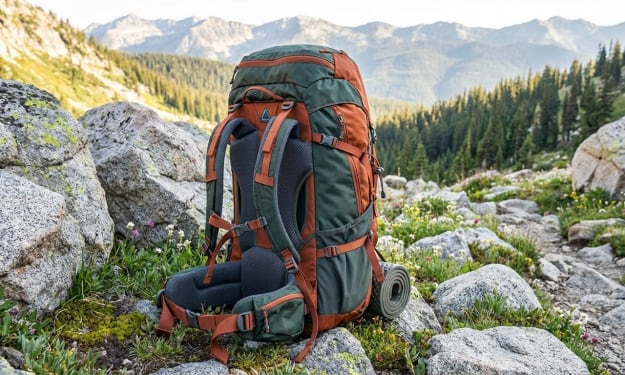
Essentials:
Sleeping bag (rated to -10°C or lower)
Down jacket, warm layers
Waterproof jacket and pants
Trekking poles
Sturdy boots
Headlamp
Water purification tablets
Personal first-aid kit
Sunscreen, sunglasses, hat
Snacks and energy bars
Note: Most teahouses do not have heating; warm clothing is essential.
9. Cost Breakdown
Expense Estimated Cost (USD)
Permits (RAP, MCAP, ACAP) $160–$180
Guide and Porter (per day) $25–$35
Transport (Kathmandu–Soti Khola, Dharapani–Kathmandu) $50–$100
Accommodation & Food (14–16 days) $350–$600
Miscellaneous (tips, hot showers, Wi-Fi, etc.) $50–$100
Total (approx.) $700–$1,200+
10. Tips for a Successful Trek
Train beforehand: Cardiovascular fitness, leg strength, and hiking endurance are key.
Start early: Mornings offer clearer skies and better weather.
Respect local culture: Ask before taking photos; learn a few Nepali/Tibetan phrases.
Stay flexible: Weather, landslides, or health issues may alter your itinerary.
Insurance: Buy travel insurance that covers high-altitude trekking and evacuation.
Conclusion
The Manaslu Circuit Trek is a hidden gem for trekkers seeking solitude, adventure, and cultural depth. With its stunning Himalayan panoramas, Tibetan-influenced villages, and the dramatic Larkya La Pass, the trail promises both physical challenge and emotional reward. Whether you’re an experienced trekker or a bold beginner, Manaslu will leave you humbled and inspired.
Would you like me to create a downloadable PDF version of this guide or include a gear checklist image?
About the Creator
Keep reading
More stories from Himalayan Trekkers and writers in Wander and other communities.
Kori Hill Trek in Nepal: A Hidden Gem in the Annapurna Region
Nepal, a land of towering peaks and rich cultural tapestry, has long captivated the hearts of adventurers and trekkers worldwide. While popular trails like Everest Base Camp and Annapurna Circuit attract thousands each year, there remains a treasure trove of lesser-known routes that offer solitude, pristine nature, and cultural immersion. One such hidden gem is the Kori Hill Trek, located in the Annapurna region of western Nepal. This relatively new and off-the-beaten-path trek is an ideal choice for those seeking a quieter and more authentic Himalayan experience.
By Himalayan Trekkers9 months ago in Wander
City thrice holy
My visit to Israel in the 1990s felt like a homecoming. Don’t ask me why. A quick tour of Jerusalem took in many historic and religious sites. Not least the excavations beside the Western (or Wailing) Wall. Here, becloaked scholars read ancient Hebrew scrolls, praying with their voices, hearts, minds and bodies. Here, Roman street divides modern office and apartment blocks. Here, east meets west, Jew lives alongside Arab. Here the most holy of Christian monuments has a church that is bisected by a line cutting through two walls, floor, ceiling and alter. One side Catholic, the other Greek Orthodox.
By Raymond G. Taylor6 days ago in Wander
How to Succeed at the Benson Directory®
Congratulations and welcome to the Benson Directory® employee #22391! As our newest call handler, you will have the privilege of speaking with dozens of unique and interesting people on a daily basis as well as the opportunity to earn bonuses for high performance. Contained within this handbook you will find a set of ease to follow instructions designed to help you settle in to your new role and begin paving the way to success.
By S. A. Crawford5 days ago in Fiction


Comments
There are no comments for this story
Be the first to respond and start the conversation.