
Lovely Luxembourg City
The capital of the European country, The Grand Dutchy of Luxembourg
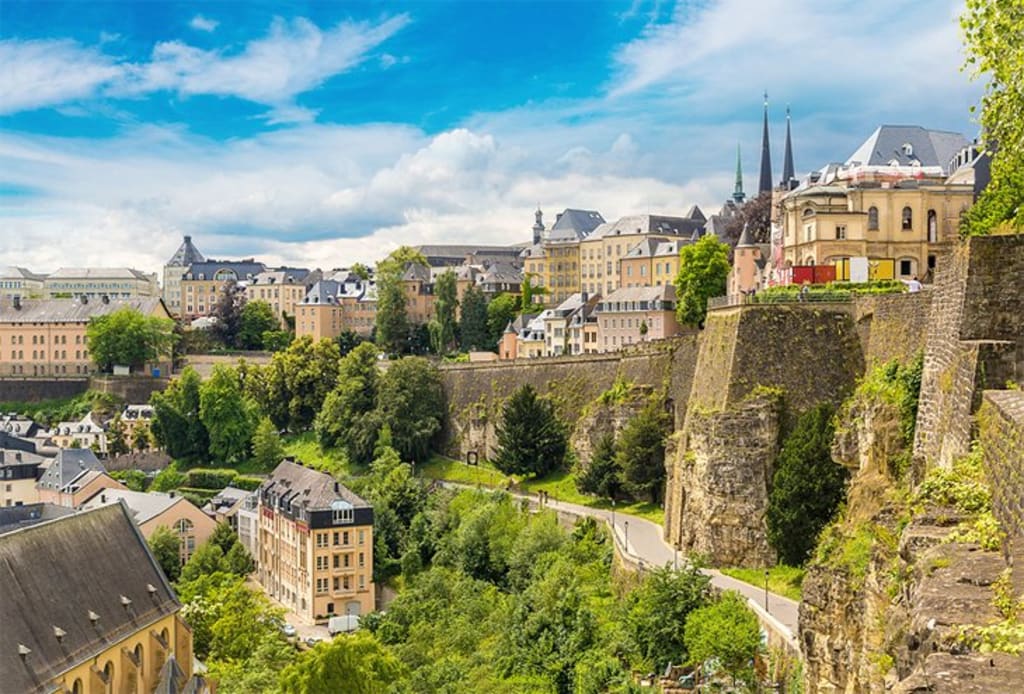
Luxembourg City is the capital of the Grand Duchy of Luxembourg. It has a prominent location at the confluence of the Alzette and Petrusse Rivers. It is amazing at how much the city has to offer visitors.
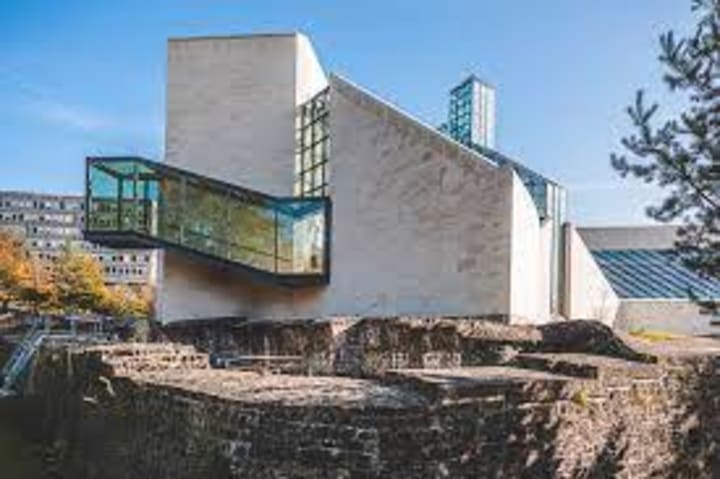
Mudam offers exhibitions of modern, installation and experimental art. This modern museum was designed by IM Pei. The collection is extensive and visitors can see exhibits featuring photography, fashion, design and even multimedia. There is a cafe with a glass roof where you can relax and get refreshments.
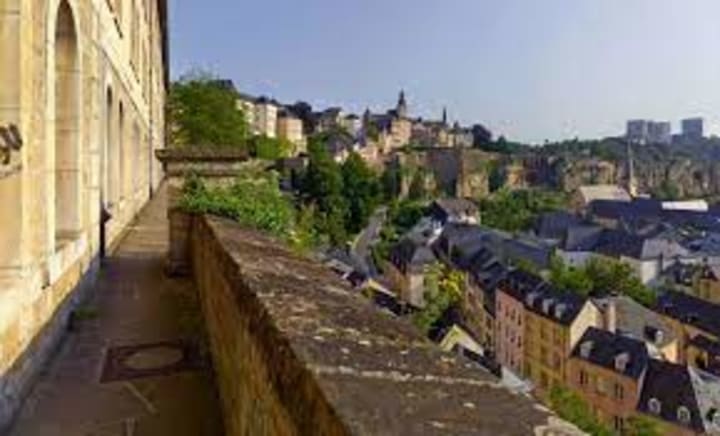
The pedestrian promenade Chemin de la Corniche is referred to as “Europe’s most beautiful balcony”. The pathway takes you along 17th century city ramparts that offer fantastic views across the river canyon toward the massive fortifications of Wenceslas Wall.
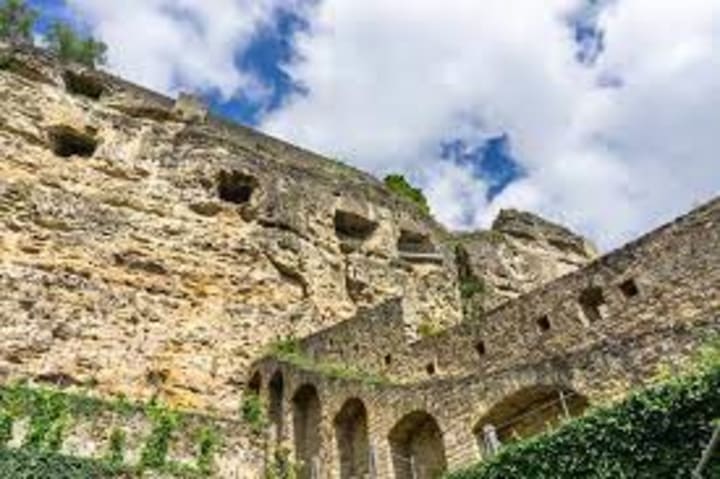
Once across Rue Sigefroi the walk continues along Boulevard Victor Thorn to the Triple Gate Tower. Beneath this promenade visitors will find the entrance to Bock Casemates, a honeycomb of rock and galleries and passages. All of this was once carved out by Spaniards between 1737 and 1746, Over the centuries the casements have been home to bakeries, slaughterhouses and soldier garrisons. During both WW I and WW II 35,000 residents found shelter here.
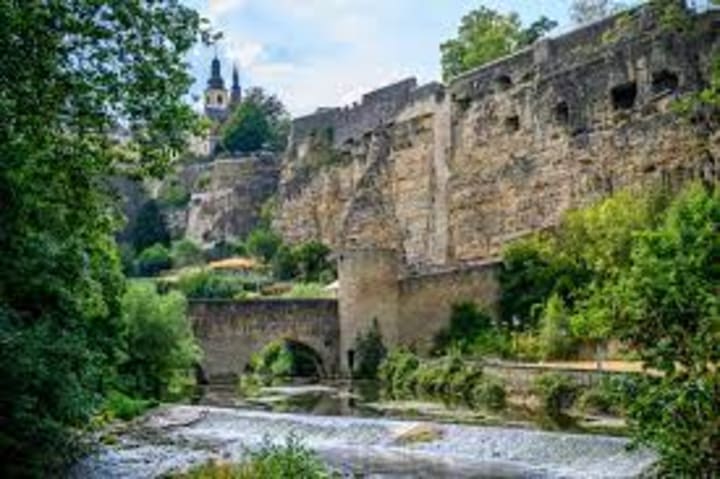
In 963 Count Sigfried built a castle fortification on the Bock Promontory. It soon became the cradle of the city. Through the centuries on the castle’s west side impressive ring walls were added. Came master engineers – the Burgundians, the Spaniards, the French, the Austrians and the German Confederation. Through them the city soon became the most powerful emplacement in the world and was referred to as “Gibraltar of the North”. The defenses had three fortified rings with 24 forts, 16 other defense works and a very unique 23 km long network of casements which could offer shelter to soldiers and their horses. Today you can see this amazing fortification with 17 km of tunnels remaining on different levels and huge stairways that lead up to 40 meters inside the face of the rock.
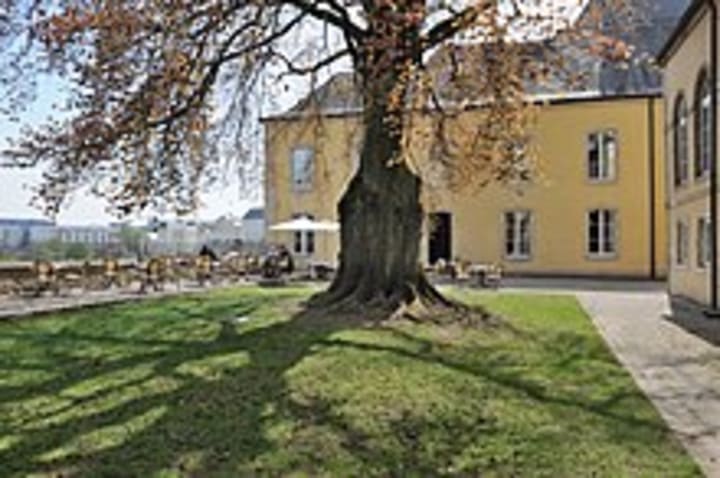
A most interesting interactive museum is the History Museum. The museum has found a home in four restored houses from the 17th to the 19th century. These include the former “holiday home” of the Bishop of Orval. There is a lovely garden and an open terrace for fantastic views.
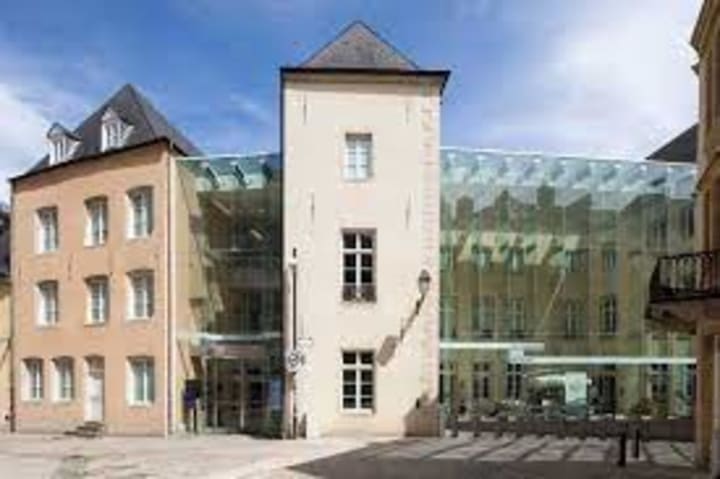
The old buildings now have a floating glass facade and there is a panoramic lift that offers a look at all floors. The massive glass cage can lift up 65 people offering views of the rock foundation on the lower levels and views of the city’s Grund district and Rham plateau on the upper levels. The floors below the street level entrance house offer a permanent collection showing the town’s architecture and urban development. The upper floors offer temporary exhibitions. There is a multimedia system extending all throughout the building that documents the history of the town and its development giving access to some ten thousand documents and about sixty audio-visual sequences.
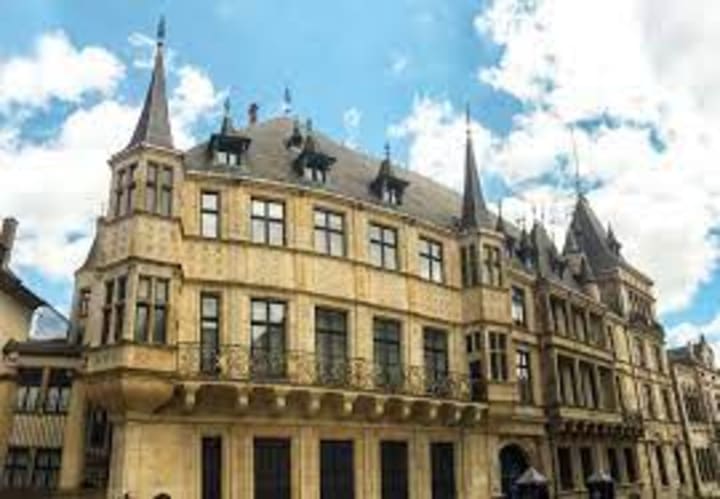
Most photogenic is the Royal Palace with all of its turrets dating from 1573. Over the years it has been extended. At present it is home to the Grand Duke’s office with parliament using the 1859 annex. In the summertime the palace is open to visitors offering 45-minute guided tours that give a look into the Duke’s family history. You can see the medieval-gothic dining room and the upstairs with its gilded romanticism. Tours here have to be pre-booked and only 40 tickets available per tour. There is one daily tour offered in English at about 4 PM. The other tours are offered in French, German and Dutch.
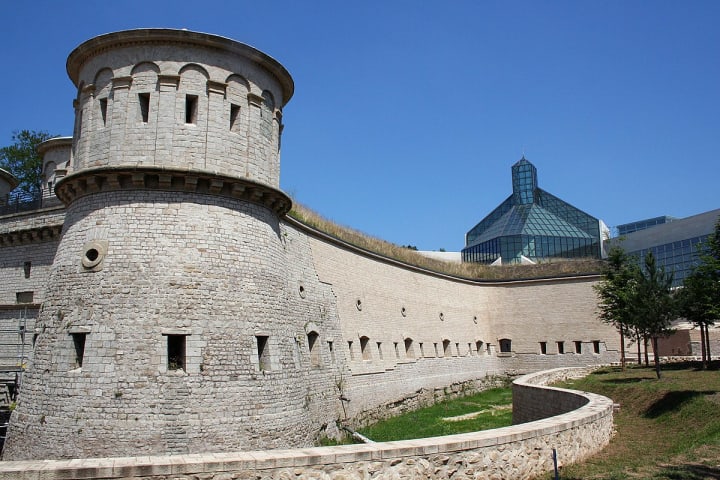
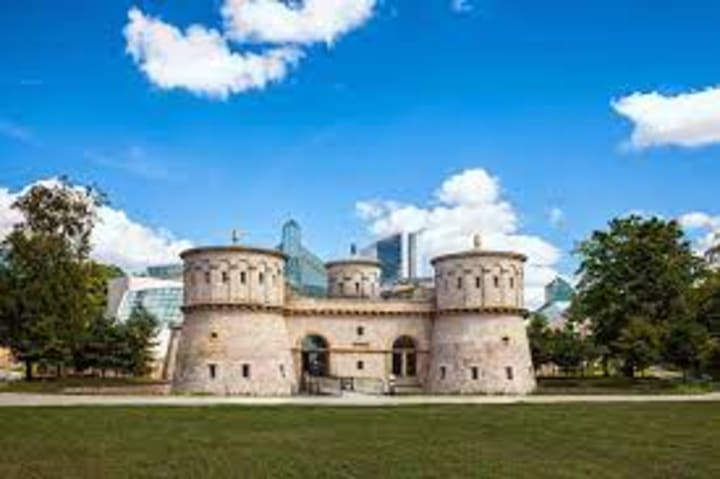
Fort Thungen is a squat building dating from 1730. Here you’ll find an interesting museum about Luxembourg’s historic defenses with changing exhibitions. Visitors can climb on up to the roof for fantastic views. If you like adventure you can return to downtown from here walking steeply downhill, between bastions, tunnel through Fort Obergrunwald, turn left and down a long zigzag stairway finding yourself on the far side of the railway viaduct from the youth hostel.
The National Museum of History and Art has a rocky basement with exhibits including Neolithic flints, Gallic tomb chambers, Roman mosaics and Napoleonic medals. In the small art gallery you can find artwork by Cezanne and Picasso. There is a whole floor devoted to Luxembourg’s Expressionist artist Joseph Kutter. In the visual arts section you’ll find lots of Luxembourgish paintings from the 18th to the 20th century. There are also ancient sculptures.
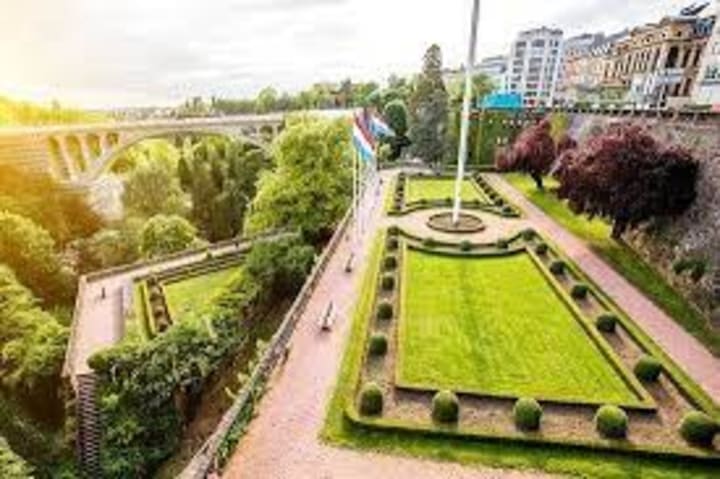
The Place de la Constitution is where you can see the large monolith known as The Monument of Remembrance or by its nickname Gella Fra. It is topped by a wreath-bearing golden maiden. It commemorates fallen Luxembourg soldiers during WW II. The square itself offers views of lawns and gardens as it sits on Vaubon bastions with the valley leading down to the Petrusse River. From here you can see the impressive State Savings bank building.
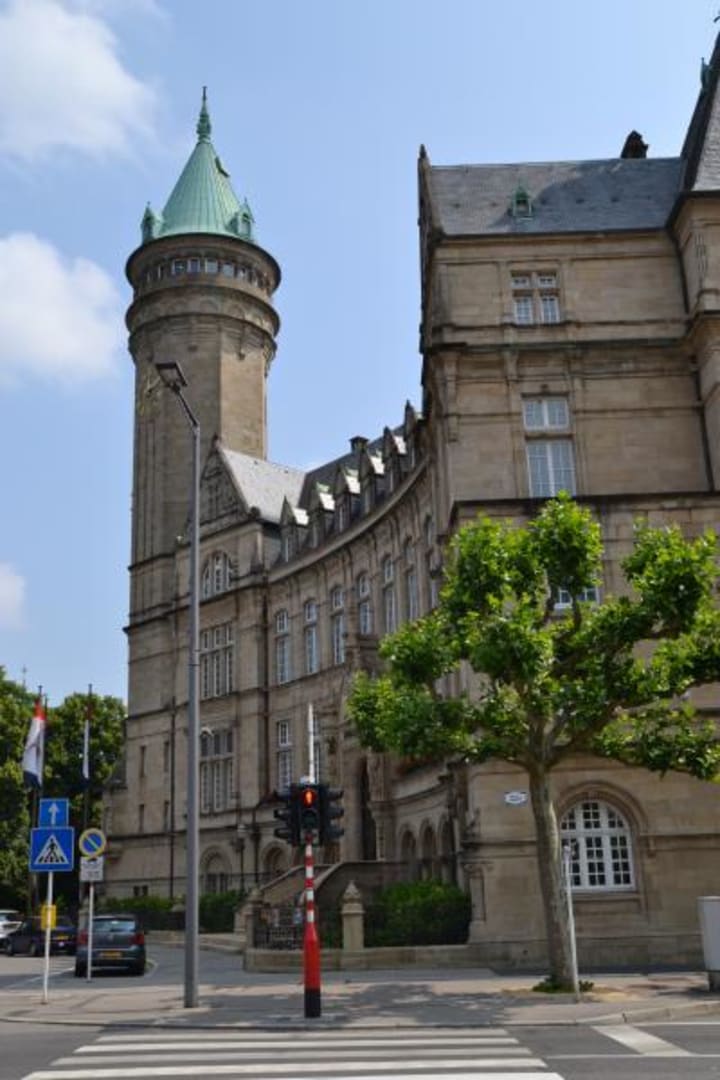
The State Savings was created by law in 1856. The work on this most impressive building was begun in 1910 by architect Jean-Pierre Koenig and finished in 1913. Since it was thought that the building was too small extensions were made in 1913 and in 1933. The State Savings Bank Building was built in Historism style and imitates French neo-Renaissance. Its most prominent feature is the 46 m tall tower that provides a certain accent to the Luxembourg City skyline.
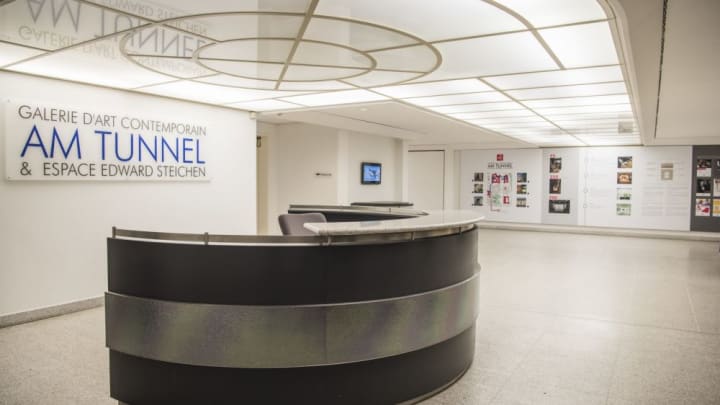
Beneath the bank building you’ll find the Contemporary Art Gallery Am Tunnel. Here is a permanent exhibition and film showing the creative work of photographer Edward Steichen. He is the man behind Clervaux’ Family of Man. Access to this exhibition is from a different building from which a 350 m tunnel extends through the Bourbon plateau. The walls of the tunnel are used as gallery space offering a changing collection of great photographic art by Luxembourgish artists.
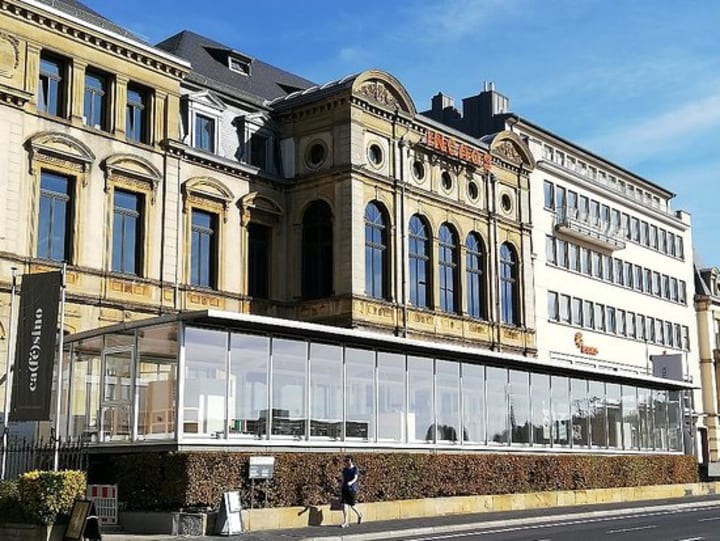
It is odd that this building is called the Casino Building because it is not a casino. Luxembourg has only one gambling house known as Mondorf-les-Bains. This building was once a grand society mansion and the place where Hungarian composer Franz Liszt gave his last concert. Today the building is used as an exhibition space for contemporary and installation art.
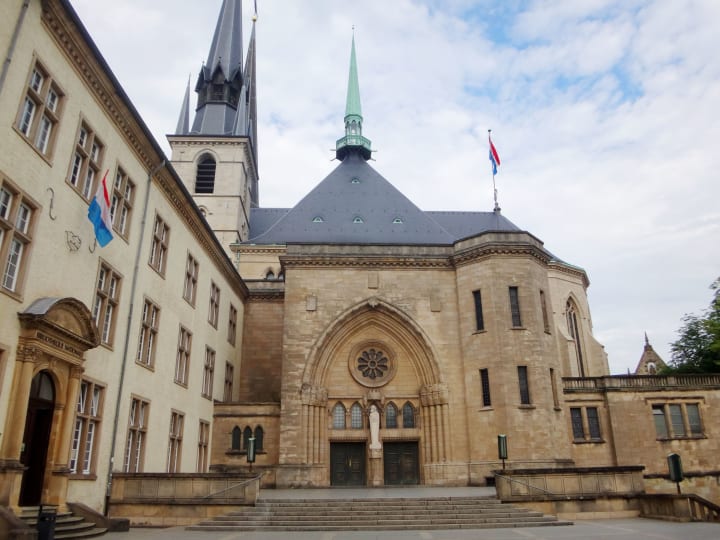
The cathedral “Notre Dame” of Luxembourg was built between 1613 and 1621 by Jesuits. They wanted a church for their college. The Statue of the Consoler of the Afflicted has been here since 1794. It was a cathedral church in 1870 and enlarged from 1935 to 1938. The choir screen is sculpted in alabaster, the columns are decorated with arabesques, the stained glass dates from the 19th and 20th centuries and there are neo-Gothic confessionals. You can also see modern sculptures in bas relief and bronze gates by Auguste Tremont. The crypt is the final resting place of John the Blind, King of Bohemia and Count of Luxembourg and also of members of the Grand Ducal family. The entrance is flanked by two lions also the artwork of Auguste Tremont.
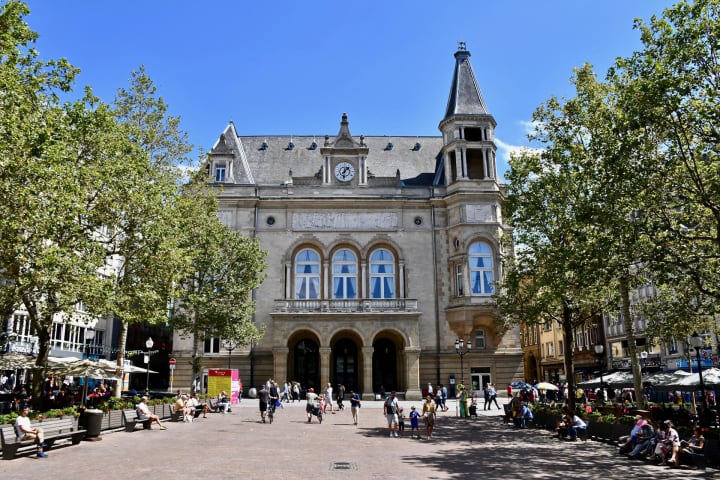
The Place d’Armes is also known as “Parlor of the City”. Here you can find lots of street cafes and restaurants. The square was aligned by Sebastian van Noyen from Utrecht and completed by Governor Jean Charles de Landas in 1671. The French troops of Louis XIV paved the square, planted lime trees and used it for parades. Now it hosts the Christmas Market and during season offers open-air concerts.
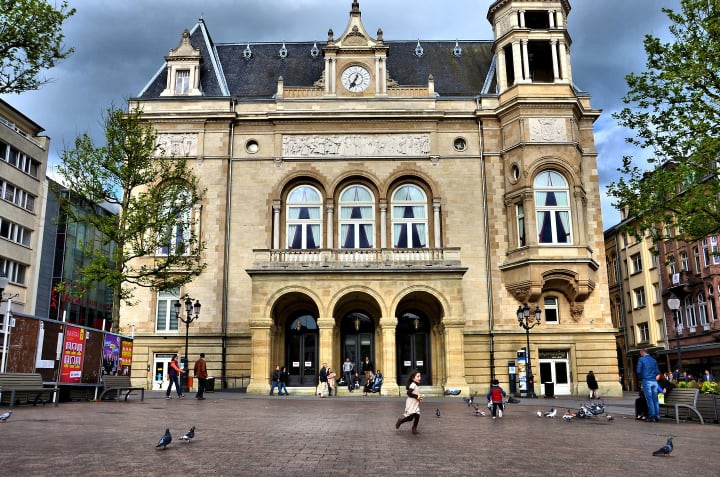
Situated on the square is the City Palace also known as Cercle Cite. It has been transformed into a convention and exhibition center.
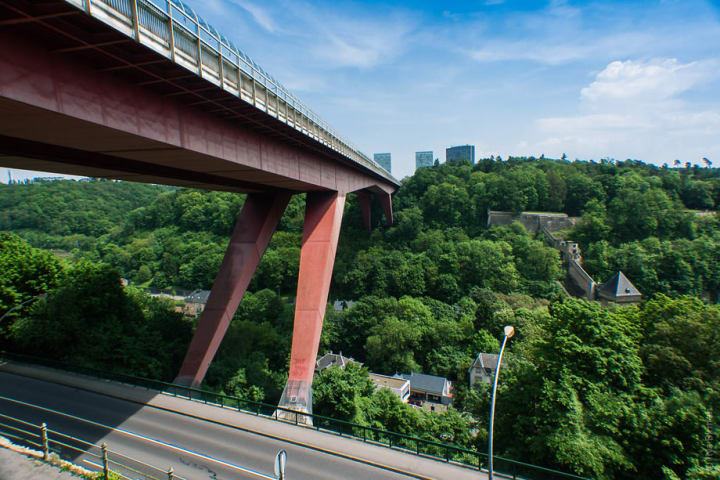
The Grand Dutchess Charlotte Bridge is also referred to as the Red Bridge. It stretches across the Alzette and connects Avenue John Fitzgerald Kennedy in Kirchberg to Boulevard Robert Schuman in Limpertsberg. It has distinctive red paintwork. It is the main route connection the city center, Ville Haute to Kirchberg, the site of the city’s European Union institutions. The bridge was designed by German architect Egon Jux. The bridge was opened in October of 1966.
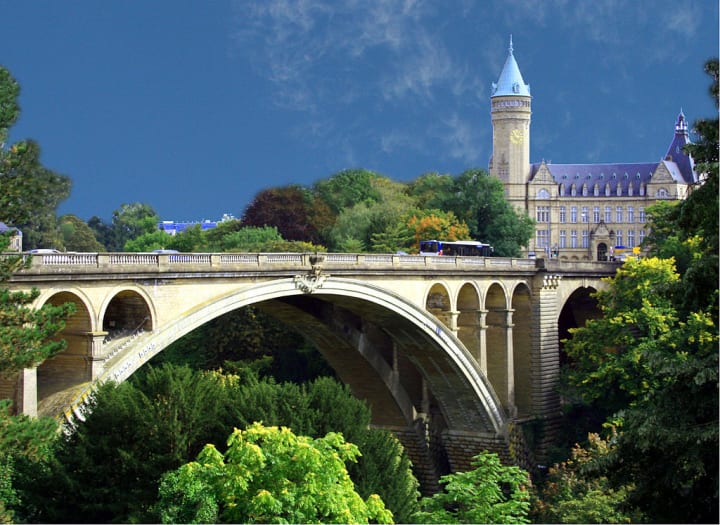
The Adolphe Bridge connects the old town center to the more recent Gare district. It is the work of French architect Paul Sejourne in 1902. The bridge has a large central arch with smaller arches on either side. The bridge was recently widened to accommodate a new tram line. The design of Walnut Lane Bridge in Philadelphia, Pennsylvania in the U.S. was copied from this bridge.
About the Creator
Rasma Raisters
My passions are writing and creating poetry. I write for several sites online and have four themed blogs on Wordpress. Please follow me on Twitter.
Keep reading
More stories from Rasma Raisters and writers in Wander and other communities.
Worth the Wait: Puerto Viejo, Costa Rica
Beach bumming in a small Caribbean beach town sounded like a perfect way to end our 6-month trip through Mexico and Central America. Or so we thought. The foul, fishy stench of rotten seaweed hit our nostrils as we stepped from the cramped bus and looked out at a rather depressing, empty, and underwhelming black sand beach. It was pouring with rain, and we had to quickly fish out our ponchos. We thought, this couldn’t be it, could it?
By Sh*t Happens - Lost Girl Travel7 days ago in Wander
They Read My Future in a Coffee Cup in Istanbul
See Pictures from the trip here. That's the honest starting point. I sat down, drank the coffee - which is strong in a way that makes you question every cup you've had before it, the kind of strong you'd rather smell than commit to - flipped the cup upside down on the saucer, and waited.
By Destiny S. Harris6 days ago in Wander
My First Time Skiing and I Got Lost, Alone, in the French Alps
Looking back, I can trace some of my life’s biggest adventures to a simple action from my sister. She’d introduced me to Tommy (a very long time ago), a colleague of hers, who had overshared his penchant for Italian-looking women, and I ticked that box.
By Chantal Christie Weissabout 2 hours ago in Humans



Comments
There are no comments for this story
Be the first to respond and start the conversation.