
Lima: The Heartbeat of Peru
A journey through Lima’s history, culture, and modern charm — exploring why Peru’s capital is more than just a stopover.


When most travelers think of South America, they imagine breathtaking mountains, ancient ruins, and vibrant cities. And standing proudly at the intersection of history and modernity is Lima, the capital city of Peru. Often described as “The City of Kings,” Lima is a fascinating blend of colonial architecture, coastal beauty, world-renowned cuisine, and centuries-old traditions. Far more than just a gateway to Machu Picchu, Lima is a destination in its own right—full of energy, culture, and stories waiting to be discovered.
A City with a Storied Past
Lima was founded in 1535 by Francisco Pizarro, the Spanish conquistador, on the banks of the Rímac River. Its name is believed to come from the Quechua word “Limaq”, which referred to the river flowing through the area. The city quickly became the most important Spanish colonial settlement in South America. For more than three centuries, it was the administrative center of the Spanish viceroyalty and one of the wealthiest cities in the Americas.
Today, much of this colonial legacy remains visible in Lima’s Historic Centre of Lima, a UNESCO World Heritage Site. The city’s well-preserved buildings, grand plazas, and ornate balconies transport visitors back in time. Walking through the cobblestone streets around Plaza Mayor offers a glimpse into its royal past.
Architectural Treasures
One of Lima’s greatest charms lies in its architecture. The Plaza Mayor de Lima—the main square—houses the Government Palace of Peru, the Cathedral of Lima, and the Archbishop’s Palace of Lima, each reflecting the baroque and neoclassical styles brought by the Spanish.
Not far from the plaza is the Basilica and Convent of San Francisco, Lima, famous for its intricate architecture and catacombs. These underground tunnels served as a cemetery during colonial times, and tours provide a fascinating (and slightly eerie) look at Lima’s past.
But Lima isn’t just about old buildings. Modern districts like Miraflores District and San Isidro District, Lima showcase sleek high-rises, parks, and shopping centers—proof that Lima is constantly evolving.
A Culinary Capital of the World
If there’s one thing Lima is world-famous for today, it’s its cuisine. Over the last two decades, the city has become a global gastronomic hub, often ranked among the best food cities in the world. It’s home to several of the world’s top restaurants, including Central and Maido.
Lima’s culinary scene is a delicious reflection of its multicultural heritage. Spanish, African, Chinese, Japanese, and Indigenous influences have blended to create unique flavors and dishes. A must-try is Ceviche—raw fish marinated in lime juice and spices, often served with corn and sweet potato. Another local favorite is Lomo Saltado, a stir-fry that perfectly combines Peruvian and Chinese flavors.
For a truly local experience, many travelers visit the Surquillo Market or Mercado Central de Lima, where the scent of fresh produce, seafood, and street food fills the air.
A Coastal City with Natural Beauty
Lima stretches along Peru’s Pacific coastline, giving it a unique identity as a seaside capital. The cliffs of Miraflores offer spectacular views of the ocean, where locals and tourists alike gather to watch surfers ride the waves below. The Malecón de Miraflores, a long coastal walkway, is ideal for sunset strolls, bike rides, or simply sitting back to watch paragliders take off from the cliffs.
For nature lovers, Lima also provides easy access to the Lomas de Lachay National Reserve, a mist-fed ecosystem just a couple of hours away from the city. It’s a surprising oasis of greenery in an otherwise arid landscape.
Cultural Hotspots and Museums
Lima is more than just pretty streets and delicious food. It’s also a cultural hub with museums, galleries, and festivals that showcase the soul of Peru.
The Museo Larco is a must-visit. Housed in an 18th-century mansion, it features an extensive collection of pre-Columbian art, including ceramics, textiles, and gold artifacts. The Museo de la Nación dives deeper into Peru’s ancient civilizations, offering valuable insights into the country’s Indigenous heritage.
Throughout the year, Lima hosts music festivals, parades, and cultural events that highlight both its traditional and modern identity. From Afro-Peruvian rhythms to contemporary art, the city embraces its diversity with pride.
A City of Contrasts
What makes Lima so captivating is its mix of old and new, tradition and innovation. In one moment, you can stand before centuries-old colonial buildings; in the next, you can sip a craft cocktail on a rooftop bar overlooking the Pacific. This contrast defines Lima’s character—it’s a city rooted in history but always looking forward.
Practical Travel Tips
Best time to visit: Lima has a mild climate year-round, but the best months are from December to April, when the skies are clear.
Getting around: Taxis and ride-hailing apps are widely used. The city is large, so planning routes in advance is helpful.
Local etiquette: Peruvians are warm and polite. A simple “Buenos días” (good morning) goes a long way.
Safety: Like any big city, staying alert in crowded areas is advised, especially in tourist hotspots.
Final Thoughts
Lima isn’t just a city you pass through on the way to the Andes—it’s a destination filled with layers of history, vibrant culture, world-class cuisine, and stunning ocean views. Whether you’re a history buff, a foodie, or an adventurer, Lima has something for everyone.
This Peruvian capital may be centuries old, but its energy is fresh and alive. For those willing to look beyond the surface, Lima is a city that doesn’t just welcome you—it stays with you long after you leave.
About the Creator
Sajida Sikandar
Hi, I’m Sajida Sikandar, a passionate blogger with 3 years of experience in crafting engaging and insightful content. Join me as I share my thoughts, stories, and ideas on a variety of topics that matter to you.
Keep reading
More stories from Sajida Sikandar and writers in Wander and other communities.
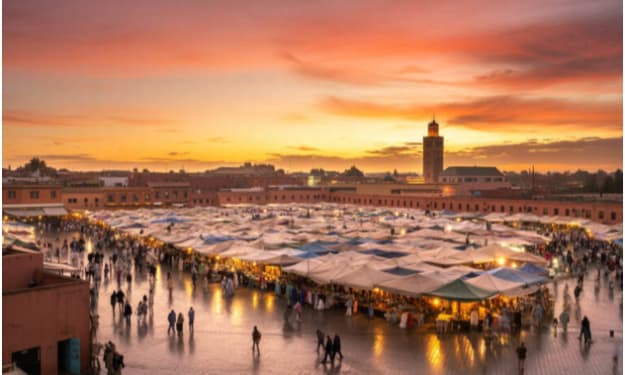
France Joins Germany, Italy, Switzerland, Portugal, United Kingdom And More Powerful Revenue Booster Countries In Europe Skyrocketing Morocco Tourism With Record Arrivals, Soaring Demand, And Unmatched Growth In 2025
Morocco is experiencing a tourism renaissance unlike anything in its history. In 2025, the North African nation has emerged as one of the fastest-growing travel destinations in the world, fueled by record-breaking visitor arrivals and a surge in demand from Europe’s most powerful tourism markets. France has now joined Germany, Italy, Switzerland, Portugal, and the United Kingdom as a major contributor to Morocco’s booming tourism economy, helping propel the country into a new era of global recognition.
By Sajida Sikandar29 days ago in Wander
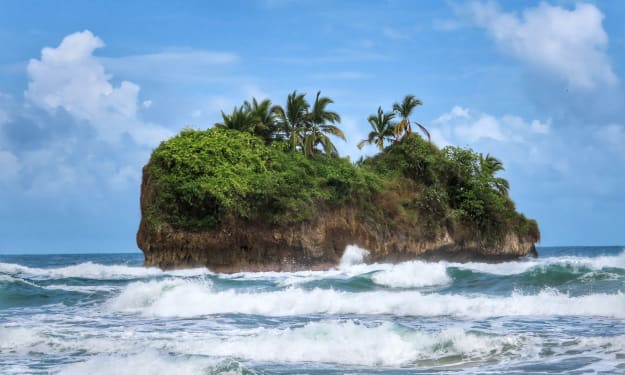
Worth the Wait: Puerto Viejo, Costa Rica
Beach bumming in a small Caribbean beach town sounded like a perfect way to end our 6-month trip through Mexico and Central America. Or so we thought. The foul, fishy stench of rotten seaweed hit our nostrils as we stepped from the cramped bus and looked out at a rather depressing, empty, and underwhelming black sand beach. It was pouring with rain, and we had to quickly fish out our ponchos. We thought, this couldn’t be it, could it?
By Sh*t Happens - Lost Girl Travel3 days ago in Wander
Watching The Total Lunar Eclipse and Blood Moon...March 3rd 2026.
By a stroke of good luck - I just happened to be in Colorado to watch (or squint) at the 2026 Lunar Eclipse in the wee hours of the morning. It was freezing cold, but who can resist the beautiful Rocky Mountain peaks as the antics in the sky compete with dawn. The advent of morning grudgingly pausing in its beginning of yawning awake.
By Novel Allenabout 4 hours ago in Wander


Comments
There are no comments for this story
Be the first to respond and start the conversation.