
Letting in the Wind: Why Japanese Homes Struggle with Heat, Cold, and Global Warming
For centuries, Japanese homes have been designed to prioritize airflow over insulation. But as the climate warms, how well will these traditional architectural principles and cultural preferences adapt to the changing environment?


In the spare bedroom of my Japanese home, an electric piano sits in the corner. Although it came from a thrift store, it’s in nearly-pristine condition. I would love nothing more than to spend my free time developing my musical skills and practice.
However, for 8 months out of the year, that spare bedroom is uninhabitable. During the summer, the space turns into a sweltering, humid sweatbox. On the other hand, when the icy winter chill rolls in, I can’t feel my frigid fingers when I press the piano keys. I haven’t installed an air conditioner or heating unit in that room, so whatever the temperature is outside is the same inside.
This heating and cooling issue isn’t because my house is faulty. In general, no matter when they were built, Japanese houses suck when it comes to temperature control. Why is that the case? Why won’t Japan, a country regarded globally as a technological powerhouse, change the way buildings are constructed? The answer lies in the country’s past, but it may not be a viable solution for the future.
Built Upon History

Japan’s beautiful architecture has set itself apart on an international scale. From its exquisite castles to its cozy villages, Japan’s construction style mesmerizes tourists and locals alike. But, if you step into these buildings on a hot summer afternoon or a freezing winter morning, you won’t last long before you start searching for the remote to the air conditioner or heater.
Throughout history, Japanese construction workers have been faced with a dilemma: Japan experiences both blistering summers and freezing winters. Back then, it was difficult to design a house that was equipped to handle both seasons. The builders decided that buildings should be designed with summer in mind. After all, one can always put on more clothes and gather around a fire to get warm in the winter.
To fight back against the heat, houses were built like large boxes with high ceilings. Paper doors and thin walls left little room for insulation. These designs provided a bit of relief on a hot day, but made regulating the temperature inside the home nearly impossible. To this day, this architectural style can still be seen in modern houses, making indoor temperatures more susceptible to the outside elements.
Ventilating the Space
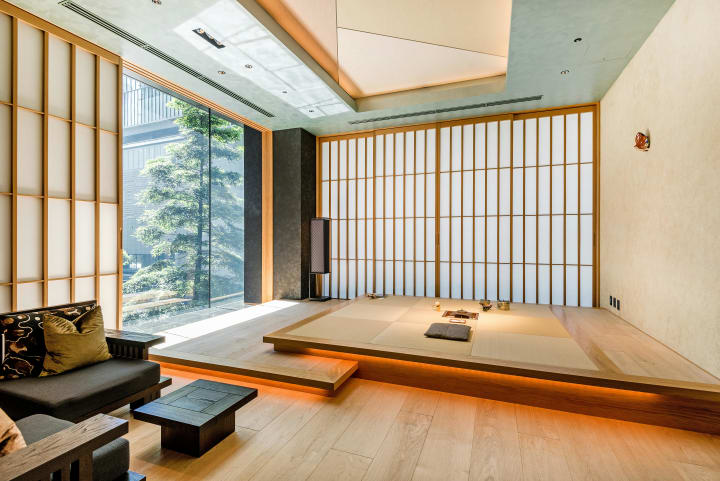
In a humid country like Japan, ventilation is crucial for health and wellness. Mold and mildew easily grow whenever muggy air stagnates, leading to illnesses like lung infections or allergic reactions. In the 1970s, a disease called “sick building syndrome” caused Japan to instate strict mandates to increase ventilation in all new buildings.
Japanese homes reflect this passion for ventilation in various ways. Tatami floors, woven together with layers of rice straw, allow air to seep in through the cracks. Sliding doors are usually made of paper and paired with thin walls. Some houses even have air vents built into the walls to let in every outside breeze. These design elements are all meant to keep air moving through the home.
The idea of fresh air equating to a healthy home has been ingrained in Japanese culture for centuries. Many Japanese houses and businesses always keep at least one window open at all times, no matter the weather. This daily practice of “cleaning the air” is called kaze-ikomi, or “letting in the wind.” On a spiritual level, many consider letting in the fresh air as an act of purification. Although they are notorious for being too hot or cold, Japanese houses are certainly well-ventilated.
Feeling the Seasons
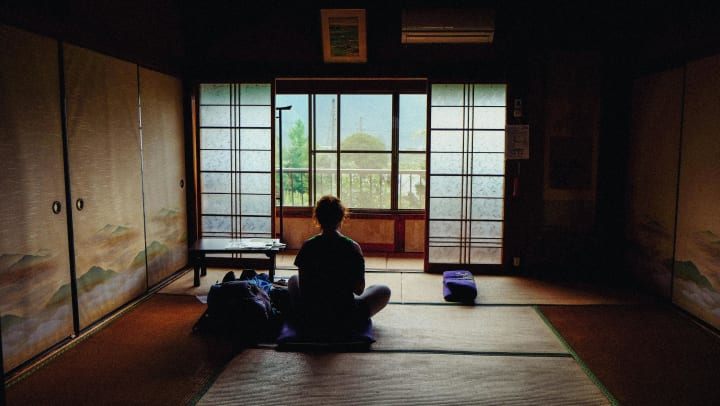
Throughout the year, Japan fully experiences all four seasons. Frosty winters lead to pleasant springs, balmy summers give way to crisp autumns. As a culture deeply connected with nature, Japanese people celebrate every season for its unique qualities. This connection can be found in paintings, poems, folklore, and other forms of art.
This respect for nature has developed into a cultural practice of fully embracing the weather, even while indoors. After all, the natural world has inspired scientists, artists, philosophers, and other great minds throughout history. Why should a home be designed to keep out the elements and their potential to inspire the human mind? This way of thinking is often associated with the phrase wabi-sabi, or “embrace imperfection.”
There is also the argument that suffering through the seasons makes life’s little comforts even more precious. For example, the kotatsu (a small table with a built-in heater and large blanket) has been a staple in Japanese homes during the winter. Many Japanese people hold fond memories of gathering around a kotatsu with their loved ones to share a meal and enjoy company. If the home was already warm to begin with, the kotatsu would not be as treasured. Cherishing simple pleasures in the face of seasonal discomfort is one reason why Japanese society hasn’t been demanding more insulation within homes.
A Warming Future
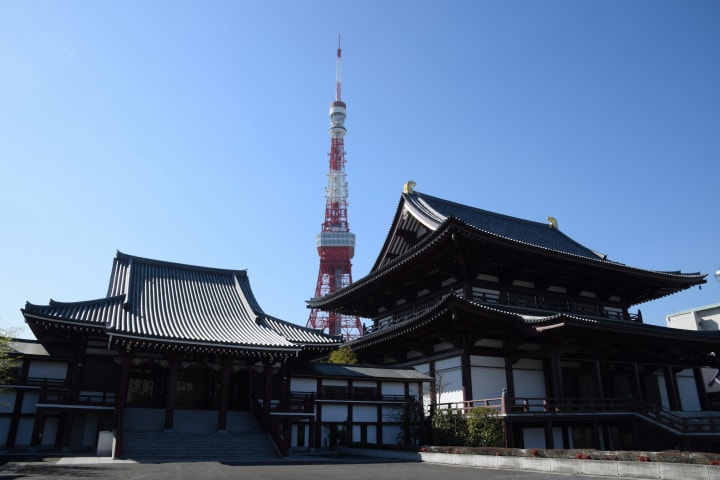
Japanese homes were designed to withstand the milder summers of the past. However, current architectural trends may not be enough to combat a warming future.
In a world where all nations will be impacted by climate change, Japan is predicted to suffer more than more. In 2018, Japan’s National Institute for Environmental Studies published a study predicting that Japan’s average temperatures could rise between 3.4 and 5.4 degrees by 2100. These rising temperatures would lead to fewer snowfalls, higher sea levels, and hotter days. Summers in Japan are expected to grow even more humid and miserable.
Rising temperatures are becoming too extreme for traditional architectural styles to fight against. Between June and September, most houses are forced to keep air conditioning units running 24/7. In the winter, when the chill gets to be too much to handle, many people will also turn to electric heaters to keep rooms at a tolerable temperature. However, due to the lack of insulation, houses in Japan are constantly losing cooled or heated air. The loss has led to increased electricity bills as air conditioners and heaters work overtime to keep houses comfortable.
A few years ago, national insulation standards had not been updated since 1999. Although more insulation would protect homes from extreme hot and cold temperatures, policy makers had been fighting against building revisions for decades. There had been a long-held belief that changing the standards would be too difficult for smaller housing developers to adhere to, leading to fewer houses being built and the economy being damaged. Regardless, a new energy conservation law was finally passed in 2022, promising that by 2025, all new homes being built would have more insulation.
Past, Present, and Future
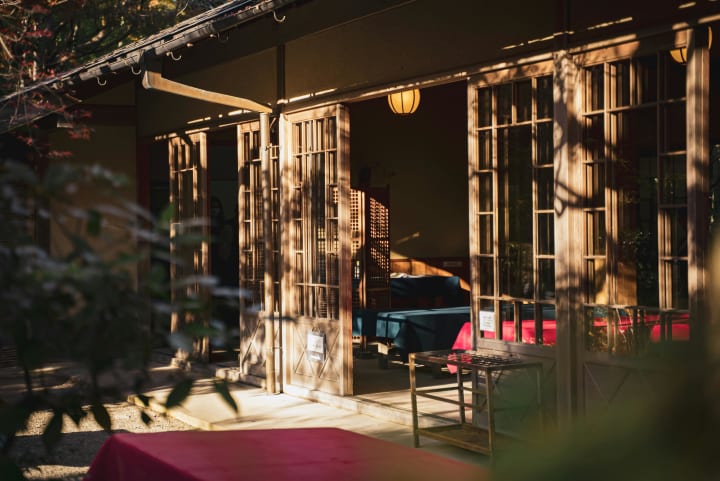
Japanese homes are uniquely beautiful. They invoke a feeling of tranquility and peace, designed to allow fresh air to naturally cleanse the indoor space. However, they are not ideal for staying warm during the cold winter months. In addition, as our planet warms and summers become more brutal, paper walls and thin roofs won’t be enough to fight against the heat. More insulation in new homes would likely reduce energy costs as Japanese people continue to rely on air conditioners and electric heaters. Hopefully, the future will bring a balance between maintaining indoor comfort and “letting in the wind.”
Resource Links
https://www.env.go.jp/en/earth/cc/impacts_FY2012.pdf
https://www.env.go.jp/content/900449807.pdf
https://www.3darchidesigner.com/archidesignerjp/the-japanese-home/jp-home_022/
https://japantoday.com/category/features/kuchikomi/why-are-japanese-homes-so-poorly-insulated
https://www.tokyoweekender.com/japan-life/why-are-japanese-houses-so-cold/
https://wattention.com/why-are-japanese-homes-so-cold-during-winter/
https://peplatform.org/en/latest/pep-talk-dannetsu
https://www.med.or.jp/people/jisedai-saigai/article-e/article07.html
https://www.japantimes.co.jp/environment/2024/02/18/climate-change/2024-japan-even-hotter/
About the Creator
Syd McCray
Aspiring copywriter. Just here for the writing practice :)
Keep reading
More stories from Syd McCray and writers in Wander and other communities.
Merzouga, Morocco Golden Dunes by Morocco Family Vacation
Standing at the edge of the Sahara in Merzouga, watching golden dunes stretch endlessly into the horizon, I realized this was one of those rare travel moments that stays with you forever especially when you experience it with your children.
By Ariel Cohen4 days ago in Wander


Comments
There are no comments for this story
Be the first to respond and start the conversation.