
Kurinjal Trek vs Kudremukh Which One Should You Choose?
I’ll walk you through the trail experience, difficulty, scenery, best time to visit, how to reach, safety tips, nearby attractions, and budgeting—almost like a friend guiding you before your big trip.
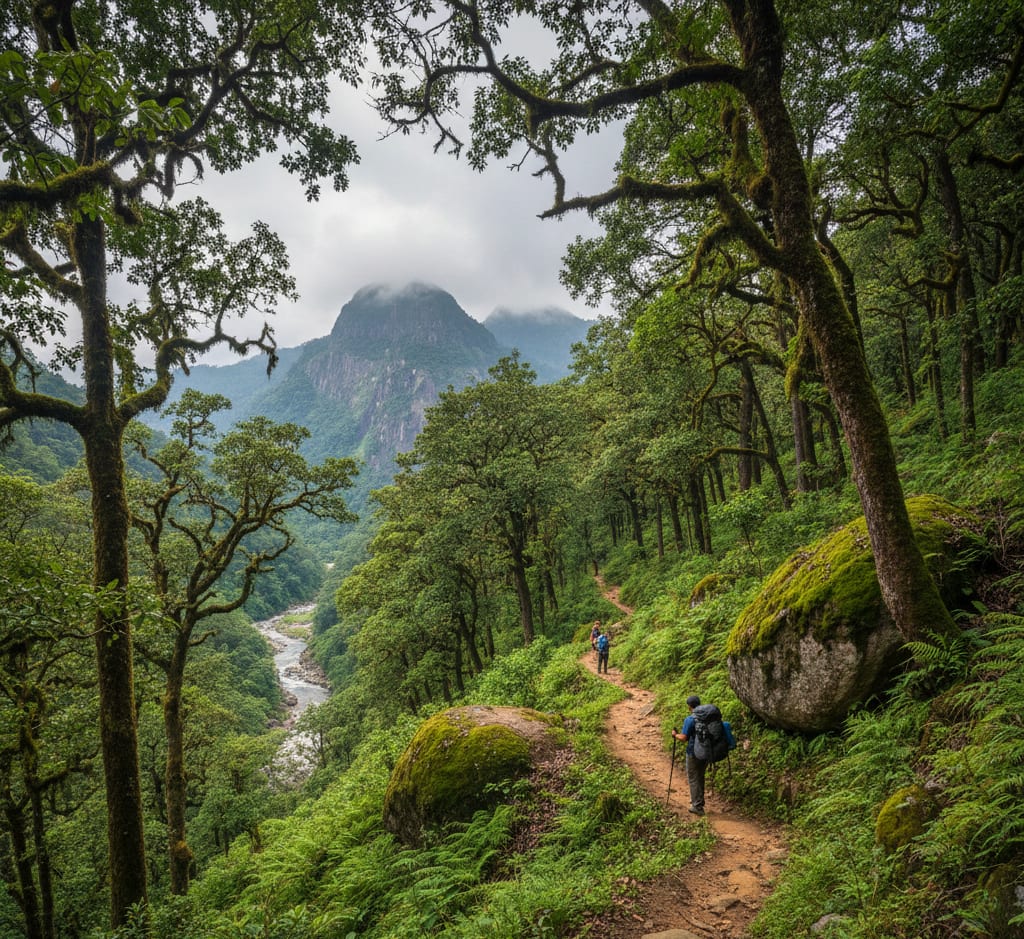
If you have been dreaming of trekking through the lush green Western Ghats, two names definitely stand out—Kurinjal Trek and Kudremukh Trek. Both are located in the scenic Kudremukh National Park of Chikmagalur, both offer breathtaking views, and both promise an unforgettable adventure. But the real question most travellers ask is: which one should I choose?
This guide breaks down the experience of both treks in a simple, friendly way. Whether you’re a beginner looking for a manageable trail or an experienced trekker seeking a demanding climb, this comparison will help you decide with confidence. I’ll walk you through the trail experience, difficulty, scenery, best time to visit, how to reach, safety tips, nearby attractions, and budgeting—almost like a friend guiding you before your big trip.
Understanding the Basics: What Makes These Treks Special
Before choosing a trek, it’s good to know the vibe each one carries. Kurinjal and Kudremukh are only a few kilometres apart, yet they deliver entirely different experiences.
Kurinjal Trek is shorter, less crowded, and ideal for trekkers who prefer peaceful trails filled with dense forest sections, rolling meadows, and steady climbs that aren’t too demanding. It’s a great starting point if you’re stepping into the world of Western Ghats trekking.
Kudremukh Trek, on the other hand, is the celebrity of the region. Known for its horse-face–shaped peak and dramatic landscapes that change every hour, Kudremukh is popular, longer, and more physically demanding. But the reward? One of the most beautiful summit views in Karnataka.
Both treks require forest permission since they lie within a protected zone, but Kudremukh often has stricter entry limits due to higher footfall. So planning early helps.
Trail Experience: Forest Trails vs Grand Valleys
When you step into Kurinjal’s trail, the first thing you notice is how quiet it feels. The journey begins through thick shola forests. Sunlight filters through the dense canopy, and the sound of birds fills the air. The trail slowly opens into wide meadows, giving you a sweeping view of rolling hills. The climb is steady but never too overwhelming. The best part is the serenity. Even during weekends, Kurinjal feels less touristy, making it great for those who prefer calm nature walks.
Kudremukh offers a completely different energy. You start early—often before sunrise—to cover the long distance. The trail welcomes you with tall grasses and misty hills stretching endlessly. As you move forward, the landscape changes constantly. One moment you're walking beside streams, and the next you're entering moss-covered forests. The ascent becomes steeper near the end, and the final push to the horse-face ridge demands stamina. But reaching the summit is worth every step—the iconic Kudremukh peak looks stunning from up close.
If you want variety and dramatic scenery, Kudremukh wins. If you want something scenic but quieter and easier, Kurinjal is perfect.
Difficulty Level: Which One Is Easier?
To put it simply, Kurinjal is easier, and Kudremukh is more challenging.
Kurinjal Trek is about 7–9 km one way depending on the route, making it achievable even for beginners with average fitness. The climbs are moderate, and the trail offers many flat sections where you can rest.
Kudremukh Trek stretches roughly 18 km in total and requires long hours of walking. Some sections get slippery in monsoon and tiring when the sun is harsh. It's not extremely difficult, but it demands good endurance, proper shoes, and steady pacing.
If you're new to trekking or travelling with family or first-time trekkers, Kurinjal is the safer choice. If you want a full-day adventure with rewarding views, choose Kudremukh.
Best Time to Visit: Greenery vs Clear Views
Both treks are beautiful throughout the year, but the experience changes with the season.
The best time to visit Kudremukh and Kurinjal is from October to February when the weather is cool, the skies are clear, and visibility is great. Winter brings crisp air and breathtaking valley views.
From June to September, monsoon transforms the region into a lush paradise. Water gushes down the streams, clouds drift over the hills, and everything looks fresh and green. But the trails become slippery, leeches are common, and visibility reduces.
If you want green landscapes and enjoy the monsoon feel, choose the rainy season. If you want the best summit views, winter is ideal.
How to Reach: Accessibility & Convenience
Both treks begin near Kudremukh National Park, and reaching them is straightforward.
Most travellers begin their journey from Bangalore, which is 6–7 hours away by road. You can reach Kalasa, a charming town at the foothills, and spend the night there. From Kalasa, Kurinjal and Kudremukh trek starting points are 20–30 km apart.
If you prefer public transport, buses run from Bangalore to Kalasa and Horanadu through the night. Autos, jeeps, or pre-booked vehicles help you reach the base.
In terms of convenience, both treks are equally accessible. Kudremukh sometimes gets more tourists, so parking and entry queues might be longer.
Travel Safety & Permission Rules
Trekking inside Kudremukh National Park comes with strict guidelines. Both treks require:
Forest entry pass
Local forest guide
Restricted entry timing (usually before 10 a.m.)
No plastic or loud music allowed
Safety-wise, Kudremukh demands more attention because of the longer duration, sudden weather changes, and slippery terrain. Kurinjal is safer for beginners and families.
Carry water, snacks, a rain jacket, and trekking shoes with good grip for both trails. Mobile network is weak in the region, so share your plan with someone beforehand.
Nearby Attractions to Add to Your Trip
Whether you choose Kurinjal or Kudremukh, the region has plenty of beautiful attractions:
Hanuman Gundi Falls, a refreshing waterfall perfect for a quick dip
Horanadu Annapoorneshwari Temple, a spiritual landmark
Kalasa Temple & Hanging Bridge
Tea estates of Samse and Ballarayanadurga
Lakya Dam, a peaceful viewpoint within the national park
You can easily combine sightseeing with your trek if you stay for two nights.
Budgeting Your Trek: What to Expect
The cost for both treks is almost similar. Here’s what you can expect:
Stay in Kalasa/Samse: ₹800–₹1500 per person
Forest permits: ₹250–₹350 per person
Guide fee: ₹600–₹1200 per group depending on the trek
Jeep transport: ₹600–₹1200 per person for Kudremukh (longer access road)
Meals: ₹200–₹300 per meal
Kudremukh may cost slightly more due to jeep charges, but the difference isn’t very big.
So, Which Trek Should You Choose?
If you prefer:
A quieter trail
A shorter, beginner-friendly climb
Less crowd and more forest time
→ Choose Kurinjal Trek.
If you want:
A full-day adventure
Stunning landscapes and valleys
A challenging but rewarding summit
→ Choose Kudremukh Trek.
Both treks are beautiful and offer a refreshing escape into nature. Your choice really depends on how much time, energy, and adventure you’re willing to take on.
Final Thoughts
Kurinjal and Kudremukh may lie in the same national park, but the experience they offer is entirely different. Kurinjal gives you quiet forests, soft climbs, and peaceful viewpoints. Kudremukh challenges you, surprises you, and rewards you with one of the most iconic views in the Western Ghats.
Whether you are a beginner or a seasoned trekker, you’ll return with stories, photos, and memories that stay long after the journey ends. And honestly, whichever trek you choose—you can’t go wrong. Both are gems of Karnataka’s trekking scene.
About the Creator
Rohit SEN
Hey! Come along with me to explore beautiful places, learn about different cultures, and share my adventures. Let's Explore together! From a travel lover!
Worth the Wait: Puerto Viejo, Costa Rica
Beach bumming in a small Caribbean beach town sounded like a perfect way to end our 6-month trip through Mexico and Central America. Or so we thought. The foul, fishy stench of rotten seaweed hit our nostrils as we stepped from the cramped bus and looked out at a rather depressing, empty, and underwhelming black sand beach. It was pouring with rain, and we had to quickly fish out our ponchos. We thought, this couldn’t be it, could it?
By Sh*t Happens - Lost Girl Travel7 days ago in Wander




Comments
There are no comments for this story
Be the first to respond and start the conversation.