
Kurinjal Trek: Discovering a Lesser-Known Trail in Kudremukh
This hidden trail deep inside Kudremukh National Park turned out to be one of the most refreshing treks I’ve ever done in Karnataka.
When I first heard about the Kurinjal Trek, I almost skipped it. Everyone around me was talking about the more famous Kudremukh Peak, and Kurinjal barely got a mention. But something about its quiet charm intrigued me—and I’m so glad I gave it a chance. This hidden trail deep inside Kudremukh National Park turned out to be one of the most refreshing treks I’ve ever done in Karnataka.
If you’re someone who prefers nature without the chaos of tourist crowds, Kurinjal might just be your perfect escape.
Setting Out for Kurinjal
My journey started with an overnight bus ride from Bangalore to Kalasa, a small town that acts as the gateway to Kudremukh National Park. The ride itself was scenic—curving roads, misty hills, and glimpses of coffee plantations along the way. From Kalasa, I hired a jeep that drove me through forested paths to the forest check post where all trekkers must register.
The permits are strictly managed by the forest department, which I appreciated. It felt reassuring to know that the park’s fragile ecosystem is being protected, and that trekking here isn’t just another unchecked adventure.
Walking Through Nature’s Layers
The trail to Kurinjal is about 7 km one way and takes around 5–6 hours for the full trek, depending on your pace. What made it unique for me was how the landscape kept changing every few kilometres.
The Forest Stretch
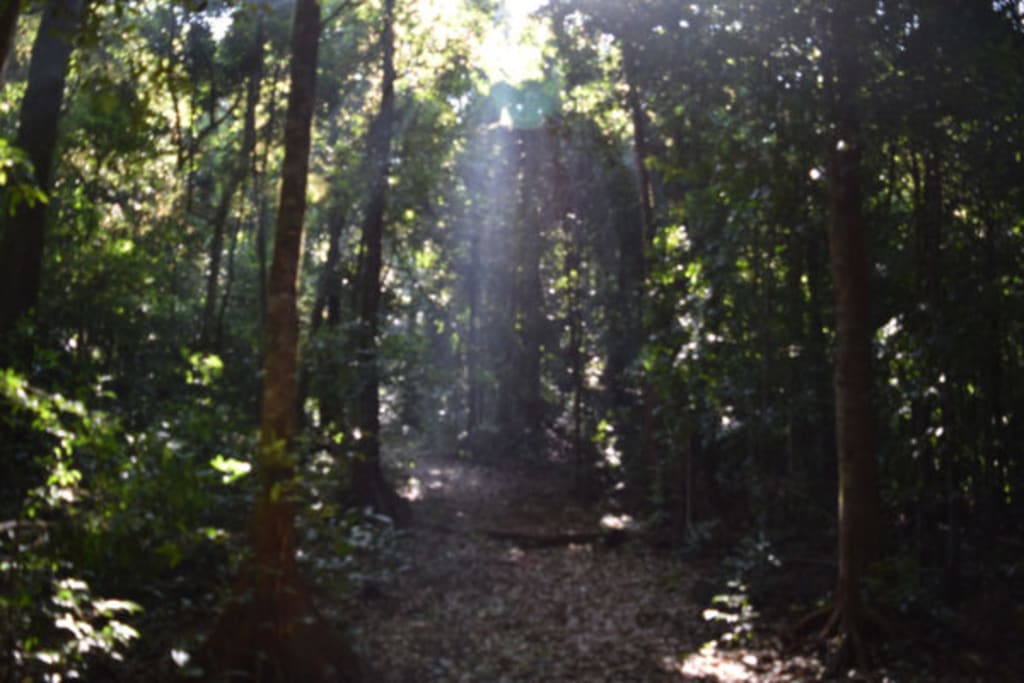
At first, I found myself surrounded by dense shola forests. The canopy was so thick that the sunlight barely touched the ground. It felt like stepping into another world—damp soil underfoot, birds calling from hidden branches, and streams crossing the trail here and there.
Rolling Grasslands
After about an hour, the forest gave way to vast rolling grasslands. The view opened up, and suddenly, the mountains seemed endless. Walking here felt liberating, with the wind brushing past and clouds floating almost at eye level.
Ridge Walk to the Peak
The final stretch involved a gradual ridge walk that tested my stamina but rewarded me with spectacular views. At the summit of Kurinjal, I stood gazing at the Western Ghats spreading out like a green ocean. Kudremukh Peak was visible in the distance, but I was glad to be standing on Kurinjal—away from the chatter of large groups, lost in the silence of the mountains.
When to Do the Kurinjal Trek
If you’re planning this adventure, timing matters a lot.
September to February – This is the best season, with lush greenery, clear skies, and moderate weather.
March to May – Still doable, but it gets warm in the grasslands. Start early to avoid the midday sun.
June to August – Monsoons bring heavy rains, making the trail slippery and leech-prone. Trekking is often restricted.
I trekked in November, and it was perfect—crisp mornings, mist rolling in and out, and plenty of sunshine during the day.
Cost, Permits, and Essentials
One of the things I liked about Kurinjal is that it’s budget-friendly compared to big-name treks.
Entry Fee: Around ₹275 per person (forest permit).
Guide Charges: Mandatory, usually ₹500–₹1000 per group.
Stay Options: Homestays in Kalasa or Kudremukh (₹800–₹1500 including meals).
Things to carry:
A good pair of trekking shoes (essential for forest and grassland stretches).
At least 2 litres of water.
Packed lunch (nothing is available on the trail).
A rain jacket, sunscreen, and light snacks.
Nearby Attractions Worth Exploring
Since I had an extra day after the trek, I explored a few nearby spots that made my trip even more memorable:
Hanuman Gundi Falls – A beautiful waterfall inside Kudremukh National Park.
Gangamoola – The birthplace of the Tunga, Bhadra, and Netravathi rivers.
Coffee Estates of Kalasa – Perfect for winding down after a tiring trek.
Kudremukh Peak Trek – If you have more time and stamina, this one is a must-do.
Combining Kurinjal with these experiences gave me a wholesome taste of the region—both nature and culture.
Staying Safe and Responsible
One of the things I noticed on the trek was the incredible biodiversity. Kudremukh is home to barking deer, Malabar civets, and a wide range of bird species. While you may not spot them easily, it’s important to remember that we’re walking through their home.
Here are a few things I kept in mind:
Stick to designated trails.
Carry all plastic waste back.
Avoid loud music or noise—let the forest sound speak.
Travel in small groups to minimize disturbance.
It’s these small practices that keep the park pristine for future trekkers.
My Honest Take on Kurinjal Trek
To be honest, I wasn’t expecting much when I first set out for Kurinjal. But by the end of the trek, I realised that sometimes lesser-known trails offer the most heartfelt experiences. The absence of large crowds, the variety of landscapes, and the quiet summit made it feel personal—as if the mountains were sharing their secrets only with me.
If you’re planning a trip to Kudremukh National Park, don’t overlook Kurinjal. It’s perfect for weekend trekkers, nature enthusiasts, and anyone who craves solitude in the hills.
Standing on the summit, looking out at the vast green ridges, I felt something shift inside me. It was more than just another trek—it was a reminder of how simple and fulfilling life feels when you’re surrounded by nothing but mountains, mist, and silence.
So yes, Kurinjal stole my heart, and I wouldn’t be surprised if it steals yours too.
About the Creator
Rohit SEN
Hey! Come along with me to explore beautiful places, learn about different cultures, and share my adventures. Let's Explore together! From a travel lover!
Worth the Wait: Puerto Viejo, Costa Rica
Beach bumming in a small Caribbean beach town sounded like a perfect way to end our 6-month trip through Mexico and Central America. Or so we thought. The foul, fishy stench of rotten seaweed hit our nostrils as we stepped from the cramped bus and looked out at a rather depressing, empty, and underwhelming black sand beach. It was pouring with rain, and we had to quickly fish out our ponchos. We thought, this couldn’t be it, could it?
By Sh*t Happens - Lost Girl Travel10 days ago in Wander
Why Wadduwa Beach Is Sri Lanka’s Must-Visit Serene Escape in 2026
Wadduwa Beach is a hidden treasure on the southwest coast of Sri Lanka. While many travellers rush to the busy shores of Galle or Bentota, Wadduwa offers a rare sense of peace. In 2026, it has become the go-to spot for those wanting to escape the noise and find a quiet slice of paradise.
By Daphne Olga6 days ago in Wander



Comments
There are no comments for this story
Be the first to respond and start the conversation.