
Kurinjal Trek – Discover Karnataka’s Best-Kept Secret in the Heart of Kudremukh
If you’re tired of crowded viewpoints and overhyped hill stations, give Kurinjal a try.
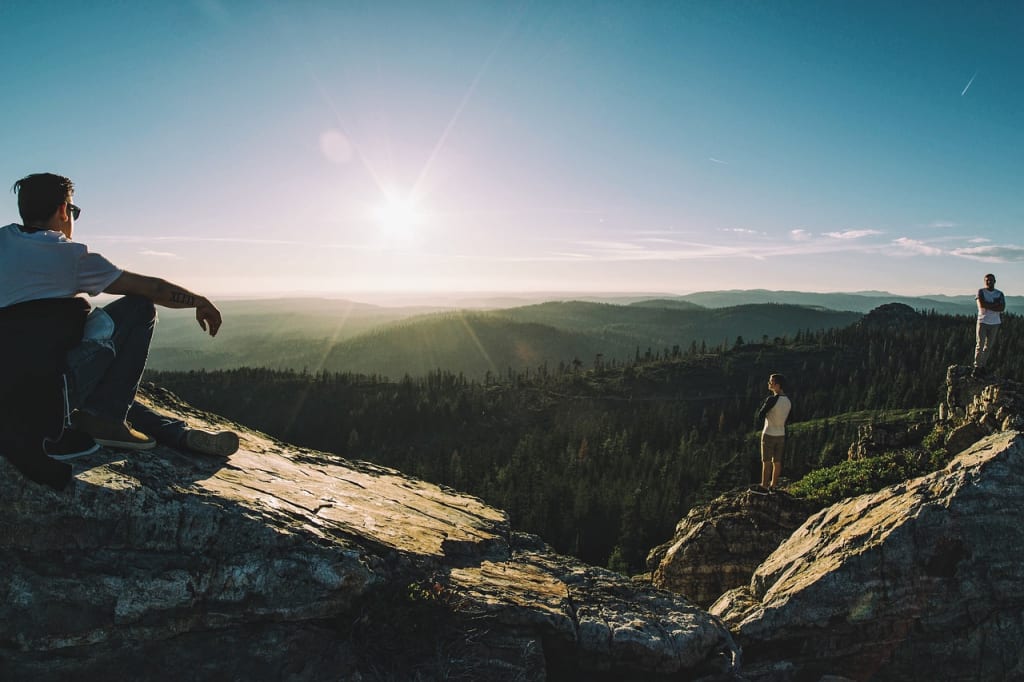
Some treks thrill you with their difficulty, others with their beauty. And then there are treks like Kurinjal, tucked deep inside Kudremukh National Park, that simply quiet you down. They don’t scream for attention on travel pages or Instagram reels—but when you walk them, you know you’ve found something truly rare.
Located in the evergreen landscapes of Chikmagalur district, the Kurinjal Trek is a hidden gem that blends raw nature with subtle adventure. I took this trail on a whim during a quiet weekend, and by the time I returned, I’d collected more than just photographs—I came back with a sense of calm I didn’t know I was missing. If you’re planning to explore this offbeat trail, here’s your full guide—honest, practical, and personal.
The Trail Less Taken: What Makes Kurinjal Trek So Special
Unlike crowded trekking spots like Mullayanagiri or Kumara Parvatha, Kurinjal remains gloriously untouched. The trek stretches about 14 kilometers round trip, and the trail runs through some of the most biodiverse forest areas in the Western Ghats. Expect tall Shola trees, moss-laden roots, hidden brooks, and hills painted with wild grass.
The trek begins from Balgal, near the Kudremukh forest checkpoint. At first, it’s a gentle forest walk—the kind where the morning light filters through thick foliage and the air smells like wet soil and flowers. Then, the trail opens into grasslands where the wind picks up, and you begin to see layered hills in every direction. The last stretch climbs up to the Kurinjal Peak, offering sweeping views of the Kudremukh range, Kalasa valley, and mist rolling in from the far horizon.
It’s not a high-adrenaline trek. But that’s exactly why it stays with you. Every step feels like a conversation with the forest—unrushed, intimate, and meaningful.
Best Time to Visit Kurinjal Trek: Weather, Seasons & Scenery
The ideal season for Kurinjal Trek is between October and February, when the monsoon-fed greenery is at its peak and the temperatures are cool and comfortable.
October–December: Post-monsoon freshness, flowing streams, and vibrant landscapes.
January–February: Clear skies, dry trails, and perfect visibility from the summit.
Monsoon (June–September): The forest is at its most dramatic, but trekking becomes dangerous due to slippery paths, swollen streams, and leech attacks.
March–May: Trails get dry and dusty, and the heat can take away some of the charm.
During my visit in December, we got the perfect blend—misty mornings, sunlight in the meadows, and zero rainfall. A light jacket and some sunscreen were all we needed for a comfortable hike.
Reaching the Basecamp: How to Get to Kurinjal from Bangalore
Kurinjal is best accessed via Kudremukh, which is around 330–350 km from Bangalore, making it perfect for a weekend trip.
By Road: You can self-drive via Hassan – Belur – Kalasa – Kudremukh. Roads are in great condition and the route is scenic, especially near coffee plantations.
By Bus: KSRTC and private buses operate overnight services to Kalasa or Kottigehara. From there, hire a local jeep to reach the Kudremukh forest office.
By Train/Air: Nearest major transport hub is Mangalore (around 110 km away). You can take a train or flight there and continue by road to Kudremukh.
Don’t forget: Before starting the trek, you’ll need to get permission from the Kudremukh Forest Department. Guides are compulsory, and you’ll be assigned one once your permit is issued. Solo treks are not allowed due to the protected status of the forest.
A Walk Through the Wild: My Personal Kurinjal Trek Experience
We started the trek around 6:45 AM after checking in at the forest department and meeting our guide, Mahesh—a soft-spoken local who’s spent most of his life walking these forests. The first hour was quiet, almost dreamlike. The trail was damp from morning dew, and the forest canopy kept the sunlight in check. We could hear langurs calling in the distance and saw fresh signs of bison hoofprints.
Midway through, we crossed a small stream and entered a vast expanse of grassland. Here, we paused to hydrate and take in the view—the Kudremukh range looked like layers of folded velvet in shades of green and blue. The summit stretch was steep but short. Within 30 minutes, we were standing at the top, facing an endless horizon of rolling hills, forests, and valleys.
We didn’t rush the return. Instead, we stopped for lunch near a quiet glade, watched butterflies hover around wildflowers, and let the forest slowly reveal itself. It wasn’t just a trek—it was an immersion.
Where to Stay and What Else to See Around Kurinjal
Accommodation around Kurinjal is mostly in Kalasa or Samse, both small towns offering clean and budget-friendly homestays. Most hosts are warm, and meals are home-cooked—think steaming rice, coconut curry, sambar, and some of the freshest filter coffee you’ll taste.
While Kurinjal is the main attraction, the region offers much more:
Hanuman Gundi Falls: A short drive and an easy walk lead you to this lush waterfall nestled within the forest.
Kudremukh Peak Trek: Considered more challenging but worth it if you have an extra day.
Horanadu Temple: Just a 15-minute drive from Kalasa, it’s peaceful and also offers free meals to visitors.
Tea & Coffee Estates: Some homestays can arrange plantation walks or evening jeep rides around the hills.
Budget and Travel Tips for a Smooth Kurinjal Experience
Costs:
Forest permit: ₹600–₹800 per person
Guide charges: ₹500–₹800 per group
Homestay: ₹1000–₹1500 per night with meals
Transport: ₹1200–₹2000 depending on your mode
Tips:
Start your trek early to avoid afternoon heat
Carry enough water and light snacks—nothing is available on the trail
Wear full sleeves and long pants to avoid insect bites
There’s no mobile network after Kalasa, so download offline maps
Respect the environment—don’t play loud music or litter. This ecosystem is fragile
Final Thoughts: Why Kurinjal Is the Perfect Soulful Trek
The Kurinjal Trek isn’t for thrill-seekers looking for bragging rights. It’s for nature lovers, quiet walkers, and those who want to step away from noise and into something real. It’s the kind of place where you listen more than you speak, where every rustling leaf has something to say.
So, if you’re tired of crowded viewpoints and overhyped hill stations, give Kurinjal a try. Go with no expectations, and you’ll return with something far more valuable than just photos—a deeper connection with nature, and maybe, even with yourself.
About the Creator
Rohit SEN
Hey! Come along with me to explore beautiful places, learn about different cultures, and share my adventures. Let's Explore together! From a travel lover!
Weather in Morocco in July By Morocco Family Vacation
When we planned our family trip to Morocco, July wasn’t my first choice. Like most parents, I worried about the heat especially with kids. I pictured endless sun, cranky afternoons, and constant searching for shade. But our schedule left us with July, so we adjusted our expectations and planned carefully.
By Ariel Cohena day ago in Wander
Center Stage with Paul Stewart
*** I'm keen to republish the interviews I did for my series with Vocal creators. It's been a few years and I thought it might be nice to revisit these wonderful conversations. I'll be releasing them one at a time for a few weeks/months.
By Heather Hubler5 days ago in Interview



Comments
There are no comments for this story
Be the first to respond and start the conversation.