
Kedarkantha Trek: Walking Into a Winter Wonderland in the Himalayas
Kedarkantha Trek was one of those. Nestled in the Garhwal region of Uttarakhand, this trek is often called the “Queen of Winter Treks”—and rightly so.
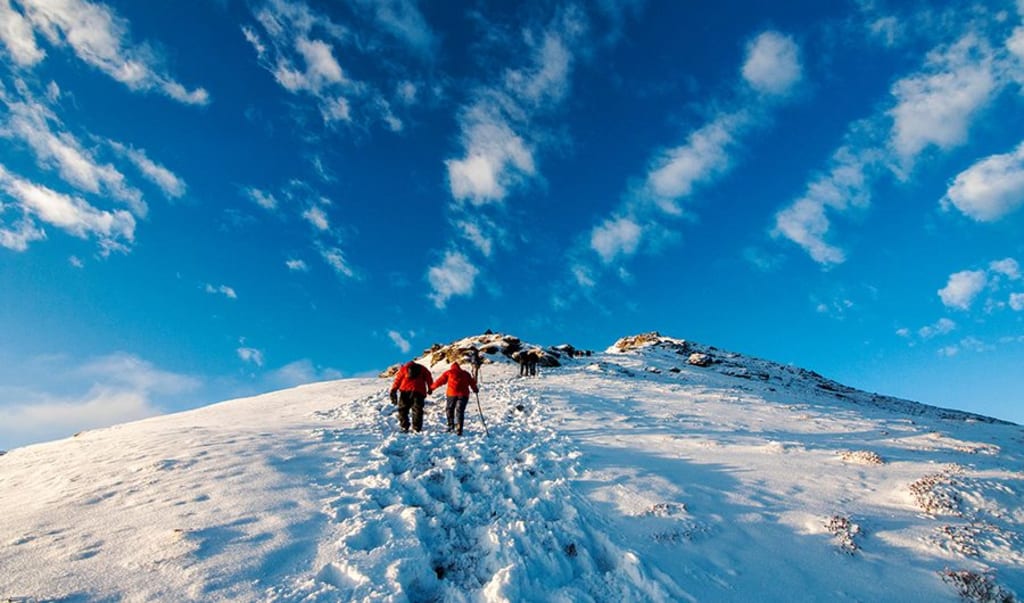
Some journeys feel like stepping into a fairy tale. For me, the Kedarkantha Trek was one of those. Nestled in the Garhwal region of Uttarakhand, this trek is often called the “Queen of Winter Treks”—and rightly so. With snow-dusted pine forests, wide-open meadows, charming villages, and a summit that gifts you 360-degree Himalayan views, Kedarkantha is not just a trek. It’s an experience that leaves you spellbound.
Why Kedarkantha Trek Is So Special
Standing at an altitude of 12,500 feet, Kedar kantha trek is one of those rare Himalayan treks that offers stunning landscapes without being overly difficult. Unlike high-altitude expeditions that require months of preparation, Kedarkantha is friendly to beginners while still thrilling enough for seasoned trekkers.
What sets it apart is its ever-changing scenery. One moment you’re walking through dense forests where sunlight filters through snow-laden branches, the next you’re in vast alpine meadows where the world opens up to towering peaks. And then there’s the summit climb—steep, challenging, but worth every ounce of energy once you stand at the top surrounded by snow giants like Swargarohini, Black Peak, and Bandarpoonch.
Best Time to Visit Kedarkantha
Kedarkantha is trek-able almost year-round, but it’s most famous as a winter trek (December to April). That’s when the trail turns into a snowy wonderland with powder-white slopes and frozen streams. Trekking here feels like walking through scenes straight out of Narnia.
Winter (Dec–Feb): Heavy snow, enchanting landscapes, but very cold (sub-zero temperatures at night). Perfect if you want that true Himalayan winter experience.
Spring (Mar–Apr): Snow starts melting, wildflowers bloom in the meadows, and skies are clearer.
Summer/Autumn (May–Nov): The trail is lush and green, offering a completely different perspective. Great for beginners afraid of extreme cold.
Personally, I’d recommend winter for the full magic—snow-laden pines, warm bonfires at campsites, and crisp Himalayan mornings.
How to Reach Kedarkantha
The base for Kedarkantha is the charming village of Sankri, about 200 km from Dehradun. Getting there is part of the adventure:
By Air: The nearest airport is Jolly Grant Airport in Dehradun (approx. 220 km from Sankri).
By Train: Dehradun railway station is well connected to Delhi and other major cities.
By Road: From Dehradun, you can take a shared taxi or private cab to Sankri. The drive itself is mesmerizing, with rivers, mountain curves, and pine forests lining the way.
Most trekkers choose to reach Dehradun first, spend a night, and then make the 8–10 hour road trip to Sankri the next day.
The Trekking Route: A Story in Stages
The trek typically spans 4–6 days, depending on your pace and itinerary. Here’s how it unfolded for me:
Day 1: Sankri to Juda Ka Talab
The trail begins with a gradual climb through pine forests and small clearings. By afternoon, you reach Juda Ka Talab, a frozen lake in winter, surrounded by towering trees. Camping here under a sky full of stars is an experience in itself.
Day 2: Juda Ka Talab to Kedarkantha Base Camp
The path opens into meadows with breathtaking views of snow peaks in the distance. As you approach base camp, the landscape gets whiter, the air crisper. The excitement for summit day builds here.
Day 3: The Summit Push
We started at 2 am with headlamps lighting the snow trail. The climb was steep, and every step crunched on fresh snow. Just before sunrise, we reached the summit—and what a sight it was! The first rays of the sun turned the Himalayan peaks golden. Standing there, at 12,500 feet, with endless mountains around me, I felt both tiny and infinite at once.
Day 4: Descend to Sankri
The descent was faster, but equally beautiful. By the time we returned, I felt as though I had walked through several worlds in just a few days.
Budgeting and Itinerary
Unlike some Himalayan treks, Kedarkantha is quite budget-friendly. If you go with an organized trekking group, packages usually cost around ₹6,000–₹10,000 (ex-Dehradun), covering transport, accommodation, meals, and guides.
For independent travelers:
Transport (Dehradun–Sankri–Dehradun): ₹2,000–₹3,000
Stay in Sankri guesthouses: ₹800–₹1,200 per night
Food: ₹300–₹500 per day in villages, included in most trek packages during camping
Permits and Guide Fees: ₹500–₹1,000
A 5-day itinerary works best, balancing acclimatization and enjoyment.
Travel Safety and Local Tips
Trekking in the Himalayas always demands preparation. Carry layered clothing, as temperatures can swing drastically from day to night. Invest in proper trekking shoes with ankle support, and don’t forget essentials like a torch, thermals, sunscreen, and reusable water bottles.
Altitude sickness is rare on Kedarkantha due to its moderate height, but listen to your body and pace yourself. Campsites are well established, but temperatures dip below zero in winter—so a good sleeping bag is your best friend.
Most importantly, respect local culture. Villages like Sankri thrive on eco-tourism, so avoid plastic, support homestays, and engage with locals—they’ll happily share stories that make your trip richer.
Nearby Attractions You Shouldn’t Miss
If you have extra time after the trek, explore the surrounding Garhwal gems:
Har Ki Dun Valley: Another legendary trek starting from Sankri, offering alpine meadows and ancient villages.
Mori and Purola: Small towns where you can experience authentic Garhwali hospitality.
Yamunotri Temple: One of the Char Dham pilgrimage sites, just a few hours’ drive away.
These add-ons turn your Kedarkantha trip into a more immersive Himalayan journey.
Final Thoughts: Why Kedarkantha Stays With You
The Kedarkantha trek is more than just reaching a summit. It’s about walking through snow-clad forests that look straight out of a storybook, huddling with fellow trekkers around a crackling campfire, and standing on a peak that makes you believe in the sheer magic of the mountains.
For beginners, it’s the perfect introduction to Himalayan trekking. For seasoned trekkers, it’s a refreshing reminder of why we return to the mountains again and again.
As I descended from the summit, I realized Kedarkantha had given me more than just breathtaking views—it had given me moments of stillness, wonder, and connection. And isn’t that why we travel in the first place?
If you’re searching for your next adventure, pack your bags and head to Kedarkantha. Trust me—it will feel like walking into a winter dream.
About the Creator
Rohit SEN
Hey! Come along with me to explore beautiful places, learn about different cultures, and share my adventures. Let's Explore together! From a travel lover!
Why Hanifaru Bay is a Dream Destination for Marine Life Enthusiasts
Hanifaru Bay, situated in the Baa Atoll in the Maldives, is one of the earth's most bizarre protected marine areas. This protected zone has a special reputation for the annual visitation of mantas and whale sharks and provides a chance for a nature enthusiast to explore the wonders of the ocean.
By ameliarosannaabout 21 hours ago in Wander
A Mountain Overture Beneath the Alps
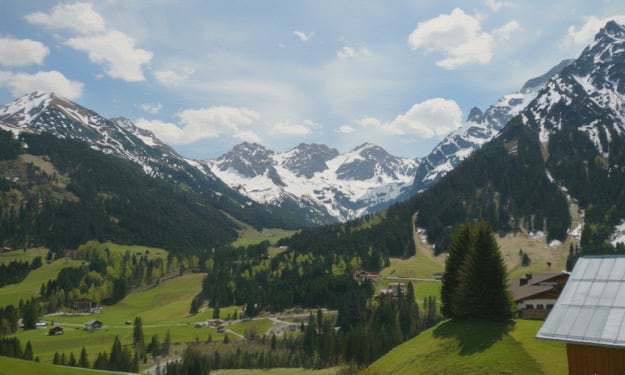
I met this mountain feast at dawn, the moment I pushed open the window. The wind rushed in, carrying the damp scent of pine needles and fresh grass. Lifting my eyes, I saw the Alps stretching their boundless arms in the morning light. The distant peaks wore crowns of silver, their snow gleaming with a sacred glow beneath the rising sun. Dark gray mountain faces, like ancient books worn smooth by time, stood in silent devotion, bearing this purity upon their backs.
By CeeCee Yanabout 8 hours ago in Wander



Comments
There are no comments for this story
Be the first to respond and start the conversation.