
Kedarkantha is NOT Just a Winter Trek
A Year-Round Himalayan Gem
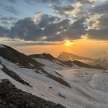

Kedarkantha, nestled in the Garhwal Himalayas of Uttarakhand, is famously known as a quintessential winter trek, celebrated for its snow-covered trails and breathtaking summit climb. However, to limit its reputation to just winter adventures is to overlook its unparalleled beauty and versatility throughout the year. From vibrant springtime blooms to golden autumn hues, Kedarkantha Trek is a destination that evolves with every season, offering a unique and transformative trekking experience.
Spring and Summer: A Symphony of Greens and Blues
From April to June, Kedarkantha sheds its snowy blanket and unveils a world of vibrant colors. The trails come alive with a burst of wildflowers, and the meadows radiate a lush green vibrancy. Towering pine and oak forests offer shade and solace to trekkers, while crystal-clear skies provide uninterrupted views of the Himalayan giants like Swargarohini, Kala Nag, and Bandarpoonch.
The gentle streams and serene lakes, such as Juda Ka Talab, brim with fresh water, reflecting the blue skies. For those who want to immerse themselves in nature without the challenges of snow, summer is an ideal season to experience the trek. Additionally, the relatively mild temperatures make it a comfortable trek for beginners and families alike.
Monsoon: A Journey Into Solitude and Serenity
The monsoon months (July to early September) bring a quieter charm to Kedarkantha, as fewer trekkers venture into the mountains during this time. The trails, although slippery and challenging, are lined with dense greenery, and the hills exude a misty, mystical aura. Monsoons also bring life to the forests, with cascading waterfalls, chirping birds, and occasional wildlife sightings adding to the allure.
This season is ideal for seasoned adventurers who crave solitude and are willing to embrace the unpredictability of nature. With fewer crowds, the journey feels more personal and meditative.
Autumn: The Golden Glow of Meadows
Autumn (late September to November) is often overlooked but is arguably one of the best times to visit Kedarkantha. The weather is crisp and pleasant, with the skies offering unparalleled clarity. Trekkers are greeted with expansive golden-brown meadows, vibrant deciduous forests, and the first hints of snow atop the higher peaks.
This season is a favorite among photographers, as the dramatic landscapes and golden light create picture-perfect frames at every turn. The calmness of autumn allows trekkers to connect deeply with the serene beauty of the Himalayas, making it an unforgettable experience.
Winter: The Iconic Snowy Wonderland
From December to March, Kedarkantha transforms into the snow-covered paradise it is best known for. The trek draws thousands of adventurers seeking the thrill of walking through knee-deep snow, camping in sub-zero temperatures, and summiting a peak with jaw-dropping, snow-draped vistas.
The sight of Juda Ka Talab frozen solid and the magical glow of a sunrise over the snow-capped Himalayan peaks are moments that etch themselves into every trekker’s memory. However, it’s worth noting that the trail during winter demands proper preparation, as the cold and snow add to the challenge.

Must Read: Kedarkantha Summit- Winter Trek in Uttarakhand Himalayas
More Reasons Why Kedarkantha is Not Just a Winter Trek
1. Flora and Fauna Throughout the Year
Kedarkantha’s trails pass through Govind Pashu Vihar National Park, a haven for biodiversity. Depending on the season, trekkers may encounter blooming rhododendrons, exotic bird species, and even elusive wildlife like musk deer or Himalayan monals.
2. Cultural Immersion
No matter the season, the quaint villages of Sankri and Kotgaon provide a glimpse into the traditional way of life in the Himalayas. Trekkers can interact with locals, learn about their culture, and savor regional delicacies.
3. A Trek for All Levels
Whether you’re a seasoned trekker or a first-timer, Kedarkantha offers a trail suited to all skill levels. The challenges vary with the seasons, but the trek’s moderate difficulty ensures that it’s accessible to a wide audience year-round.
4. Stunning Campsites
The trek features some of the most scenic campsites, such as Juda Ka Talab, Kedarkantha Base Camp, and Hargaon. These locations, surrounded by dense forests and open meadows, offer unforgettable stargazing opportunities and serene moments of connection with nature.
What to Expect in Each Season
- Spring/Summer: Mild, clear skies,Vibrant flowers, lush meadows, Warm gear still needed for nights.
- Monsoon: Rainy, misty, Greenery, solitude, dramatic landscapes Slippery trails, landslide risk.
- Autumn: Crisp, golden landscapes, Golden-brown meadows, clear views of peaks, Cold nights, occasional early snow.
- Winter: Cold, snow-covered, Snow-laden trails, frozen lakes, thrilling adventure, Sub-zero temperatures, trekking in deep snow
Kedarkantha: A Trek for Every Traveler
To define Kedarkantha solely as a winter trek would be to overlook its diverse offerings and transformative seasonal charm. From the vibrant greens of summer to the golden hues of autumn and the snowy magic of winter, this trek reveals a new side with every visit. Whether you’re looking for adventure, solitude, or simply a chance to reconnect with nature, Kedarkantha promises an experience that transcends seasons.
Pack your bags, pick your season, and discover the Kedarkantha that speaks to you. It’s not just a trek—it’s a journey into the heart of the Himalayas, waiting to be explored year-round.
Read more here: Kedarkantha Trek: A Trek That Changed My Life
About the Creator
Birendra Bisht
I love trekking the Himalayas and sharing my adventures through writing. My explorations include Kuari Pass, Ali bedni bugyal and Phulara Ridge. Join me as I blend my passions for trekking and storytelling.
Keep reading
More stories from Birendra Bisht and writers in Wander and other communities.
Pir Panjal Lakes Trek
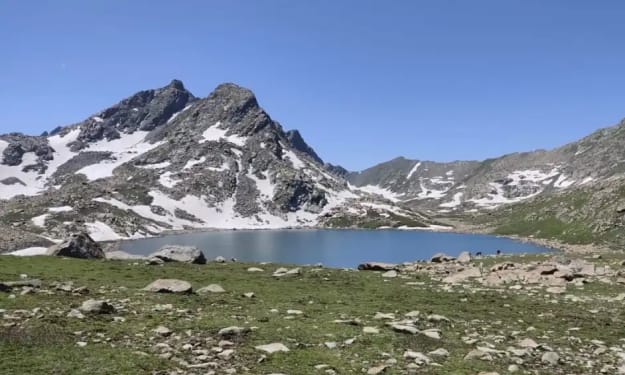
In the vast expanse of the Pir Panjal range lies a trek that feels like stepping into a dream. The Pir Panjal Lakes Trek is a lesser-known yet stunning adventure, offering serene alpine lakes, verdant meadows, and awe-inspiring views of the towering Himalayan peaks. This offbeat trail is perfect for trekkers seeking solitude amidst raw nature.
By Birendra Bishtabout a year ago in Wander

Comments
There are no comments for this story
Be the first to respond and start the conversation.