
Kalighat Kali Temple: A Journey into the Heart of Kolkata’s Spiritual Legacy
Kalighat Kali Temple is not just a physical location but a spiritual beacon that has illuminated the path of countless devotees.

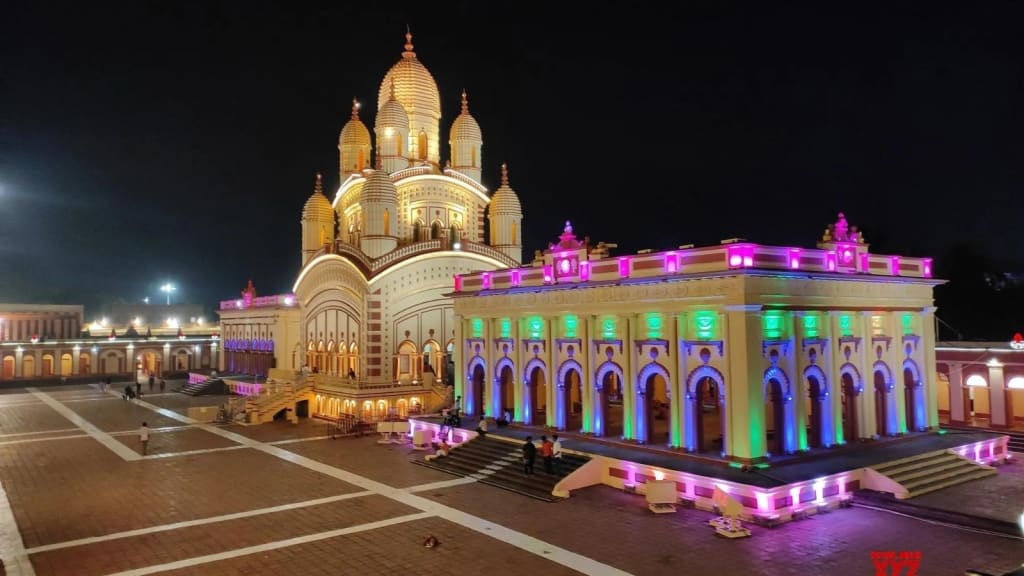
Kalighat Kali Temple, an iconic spiritual landmark, holds a special place in the hearts of millions. Located in the bustling city of Kolkata, India, it is not only a place of devotion but also a symbol of Kolkata's rich cultural and historical tapestry. For centuries, pilgrims and tourists alike have been drawn to this sacred shrine, seeking blessings from Goddess Kali, the fierce and compassionate deity of destruction and transformation.
In this article, we will dive deep into the history, significance, and unique features of the Kalighat Kali Temple. Whether you're a spiritual seeker or someone intrigued by the fascinating traditions of India, this guide will provide you with everything you need to know about the temple.
1. The Historical Significance of Kalighat Kali Temple
1.1 Origins of Kalighat
Kalighat Kali Temple’s origins date back to the 12th century, but its true historical significance came to light in the 15th century. The temple is believed to have been built over the spot where a part of Goddess Sati's body fell, as per Hindu mythology. Sati, the consort of Lord Shiva, self-immolated after her father insulted her husband. Lord Shiva wandered the world with her remains, and where each body part fell, a Shakti Peetha (sacred shrine) was formed. Kalighat is one of these revered spots.
1.2 Mythological Connections
According to legend, the name “Kalighat” is derived from "Kali" and "Ghat." "Kali" refers to the Goddess Kali, and "Ghat" refers to the riverbank or the place where the goddess’s body part is believed to have fallen. This rich blend of myth and reality makes Kalighat a significant site for both spiritual and historical exploration.
2. Exploring the Spiritual Importance of Kalighat Kali Mandir
2.1 Goddess Kali: The Divine Protector
The central deity of the Kalighat Kali Temple is Goddess Kali, a multifaceted symbol of power, protection, and transformation. Revered for her destructive power, Kali is not a figure of fear alone; she represents the removal of ignorance and the restoration of peace through destruction.
Her fierce appearance, adorned with a necklace of skulls and a tongue hanging out, symbolizes the destruction of ego and the eternal cycle of birth and death. Pilgrims come here to seek her blessings for overcoming obstacles, fear, and negativity in life.
2.2 The Rituals and Worship at Kalighat
The rituals at Kalighat Kali Temple are intense and filled with devotion. The temple witnesses thousands of devotees who participate in a variety of spiritual practices, from chanting mantras to offering flowers, sweets, and fruits to the Goddess. The most significant offering, however, is the sacrifice of a goat or a hen, symbolizing the surrender of one's ego and material desires to the Goddess.
3. The Architecture of Kalighat Kali Temple
3.1 A Unique Blend of Tradition and Modernity
The Kalighat Kali Temple’s architecture is a harmonious blend of traditional Hindu temple design and regional Bengali influences. The temple is built in the traditional 'panch-ratna' style, featuring five domes that symbolize the five elements of nature. The central sanctum, where the idol of Kali is housed, is the focal point of the temple.
The temple's interior is as striking as its exterior, with vibrant colors, intricate carvings, and numerous statues of deities surrounding the main idol. The serenity of the atmosphere, despite the constant flow of devotees, adds to the temple’s spiritual charm.
3.2 The Sacred Pond
Another significant feature of Kalighat is the presence of a sacred pond, which is believed to possess miraculous properties. Devotees take a dip in this pond before entering the temple, seeking purification of the body and soul.
4. How to Reach Kalighat Kali Temple
4.1 Accessibility from Different Parts of Kolkata
Kalighat Kali Temple is well-connected by various modes of transport. Whether you're traveling by car, bus, or Kolkata's iconic yellow cabs, you can easily reach the temple. It’s also well-served by the Kalighat Metro Station, which is just a short walk away.
4.2 Best Time to Visit
The best time to visit the temple is during the early morning hours, especially during the early Aarti (prayer ceremony) when the temple is less crowded. However, if you're looking to witness the grand celebrations, visiting during the Kali Puja or Durga Puja festivals is an unforgettable experience.
5. Kalighat Kali Temple: A Cultural and Religious Hub
5.1 Festivals Celebrated at Kalighat
Kalighat Kali Temple comes alive during the annual Kali Puja, which is celebrated with grandeur and devotion. The temple is adorned with lights, flowers, and festive decorations, and the air is filled with chants and the sounds of drums. Devotees from all over the world come to Kolkata to witness this event.
Apart from Kali Puja, the temple also observes other major Hindu festivals, such as Durga Puja and Diwali, each with its own set of rituals and customs.
5.2 The Influence of Kalighat on Kolkata’s Culture
The temple plays a central role in shaping Kolkata's identity. It is not only a religious destination but also a cultural one. The surrounding area, Kalighat, is steeped in history, and its vibrant street life, food stalls, and markets make it a perfect blend of spirituality and urbanity.
6. Mysticism and Legends Surrounding Kalighat
6.1 The Legend of the Dakshin Kali Idol
One of the most intriguing legends associated with Kalighat Kali Temple is the story of the Dakshin Kali idol. It is believed that the temple’s idol was once an image of Goddess Durga, which was later transformed into Kali through the blessings of the goddess herself.
6.2 Unexplained Phenomena
Over the years, devotees and visitors have reported experiencing strange, mystical phenomena around the temple, ranging from sudden bursts of divine energy to visions of Goddess Kali. These stories have only heightened the temple’s allure and mystique.
7. The Experience of Visiting Kalighat Kali Temple
7.1 A Spiritual Journey
Visiting Kalighat Kali Temple is more than just a sightseeing trip—it's a spiritual journey. The temple offers a unique blend of religious fervor, cultural heritage, and mystical energy that captivates every visitor.
7.2 Devotional Offerings and Prayers
During your visit, you can make offerings of flowers, incense, and sweets, each symbolizing your devotion and prayers to the goddess. The temple priests can also guide you through specific rituals if you are seeking divine intervention in your personal life.
Conclusion: The Eternal Reverence of Kalighat Kali Temple
Kalighat Kali Temple is not just a physical location but a spiritual beacon that has illuminated the path of countless devotees. Its rich history, awe-inspiring architecture, and vibrant culture make it a place worth visiting. Whether you're looking to deepen your spiritual practices or simply appreciate the heritage of Kolkata, the Kalighat Kali Temple remains an iconic landmark that continues to captivate all who step into its sacred precincts.
FAQs
1. What is the significance of Kalighat Kali Temple?
Kalighat Kali Temple is one of the 51 Shakti Peethas in Hinduism, where a body part of Goddess Sati is believed to have fallen. It is dedicated to Goddess Kali, who represents destruction and transformation.
2. How can I reach Kalighat Kali Temple from the airport?
The temple is approximately 20-25 km from Netaji Subhas Chandra Bose International Airport. You can take a taxi or an airport shuttle to reach the temple.
3. Is there any dress code for visitors?
While there is no strict dress code, it is advisable to wear respectful attire when visiting the temple, such as traditional Indian wear or modest clothing.
4. What are the best times to visit Kalighat Kali Temple?
The best time to visit is early in the morning, especially during Aarti. The temple is especially crowded during festivals like Kali Puja and Durga Puja.
5. Can non-Hindus visit Kalighat Kali Temple?
Yes, non-Hindus are welcome to visit the temple. However, it's important to respect the customs and rituals of the temple during your visit.
About the Creator
Akash
Akash is a tour guide consultant who provides advice and guidance to the Indian tourist regarding their travel
related queries in the best possible way to satisfy the customers.
Take a Hike in Mexico
The Ajusco Summit Trail, located in the Cumbres Del Ajusco National Park, is one of the most popular hikes in Mexico. Hikers hike to the peaks of Ajusco or Malacatepeti for awesome views. Trails take hikers through forests and rough terrain. The trail is a 10 km long loop and is a high-altitude trek. The trail passes through high mountain pine forests and alpine meadows, providing a diverse hiking experience.
By Rasma Raisters6 days ago in Wander
Miss Persephone's Manual to a Seemingly Ordinary Life
Miss Persephone was found at the dining table, her blue eyes swollen, her tears arriving and retreating like the tides of the ocean. Earlier that day, her family had visited her in the retirement home where she had lived for eight years. It was her eightieth birthday.
By Imola Tóth5 days ago in Fiction


Comments
There are no comments for this story
Be the first to respond and start the conversation.